Manage Articles
View, edit, and publish news articles
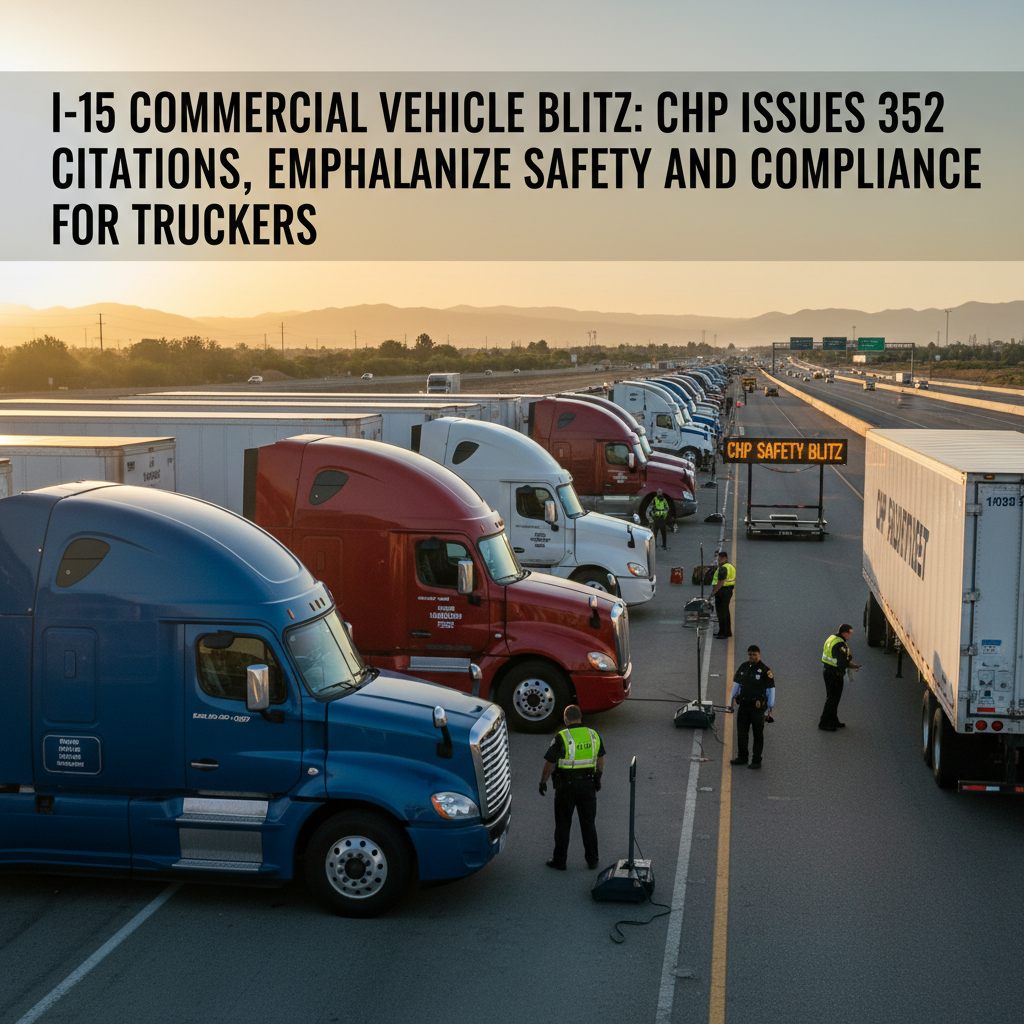
I-15 Commercial Vehicle Blitz: CHP Issues 352 Citations, Emphasizing Safety and Compliance for Truckers
The California Highway Patrol conducted a major one-day commercial vehicle enforcement operation on I-15, issuing 352 citations and placing numerous drivers and vehicles out-of-service. This initiative highlights critical areas of non-compliance for CDL drivers and fleet managers, emphasizing the ongoing importance of safety, meticulous record-keeping, and vehicle maintenance.
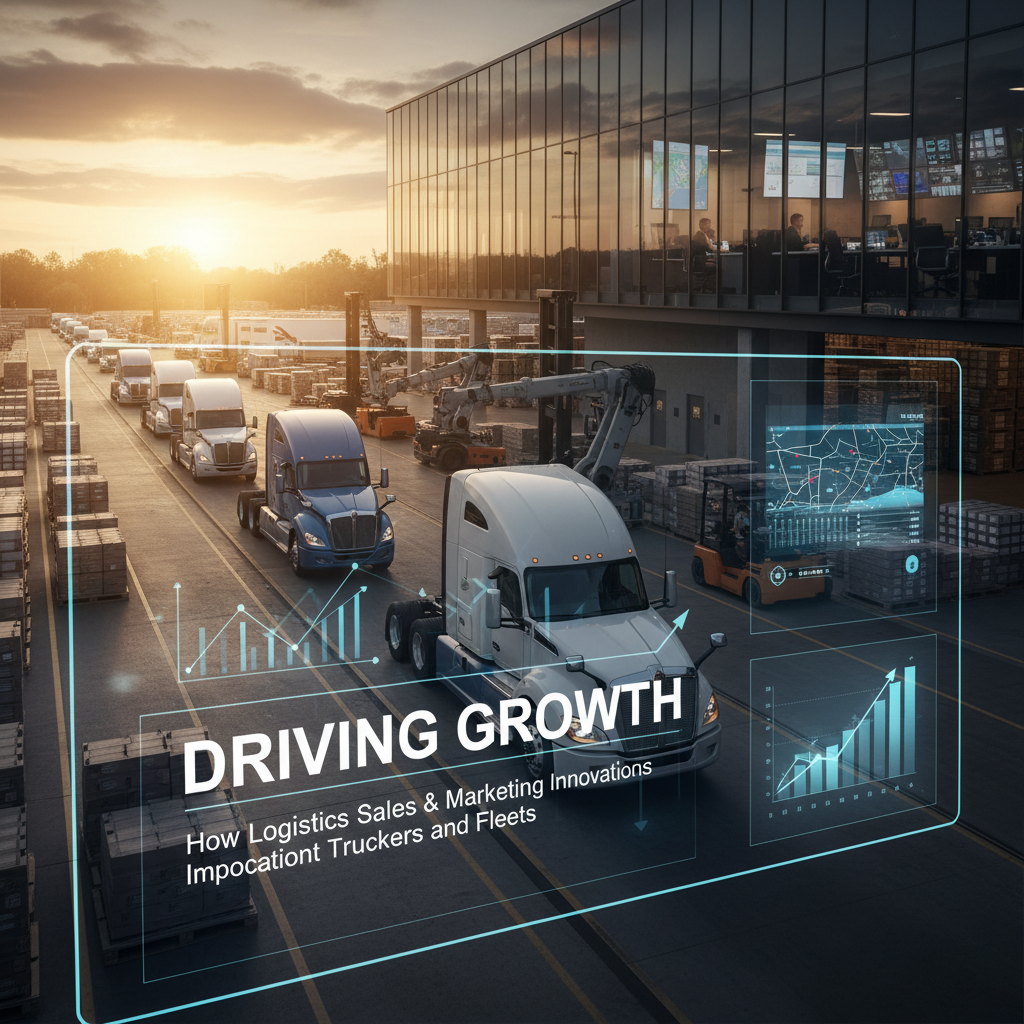
Driving Growth: How Logistics Sales & Marketing Innovations Impact Truckers and Fleets
Discover how evolving sales and marketing strategies in logistics, supported by organizations like TMSA, directly impact CDL truck drivers and fleet managers. Learn how these crucial efforts drive consistent freight, competitive rates, and overall industry growth, ensuring a stable future for trucking professionals.

Navigating the Midwest's Freight Frenzy: Why This Region Drives Trucking Volatility
The Midwest is the most volatile freight region in the U.S., driven by high refrigerated demand, a significant shift to intermodal rail, and its role as a key distribution hub. Truck drivers and fleet managers must understand these dynamics to navigate capacity constraints and capitalize on opportunities in this crucial market.
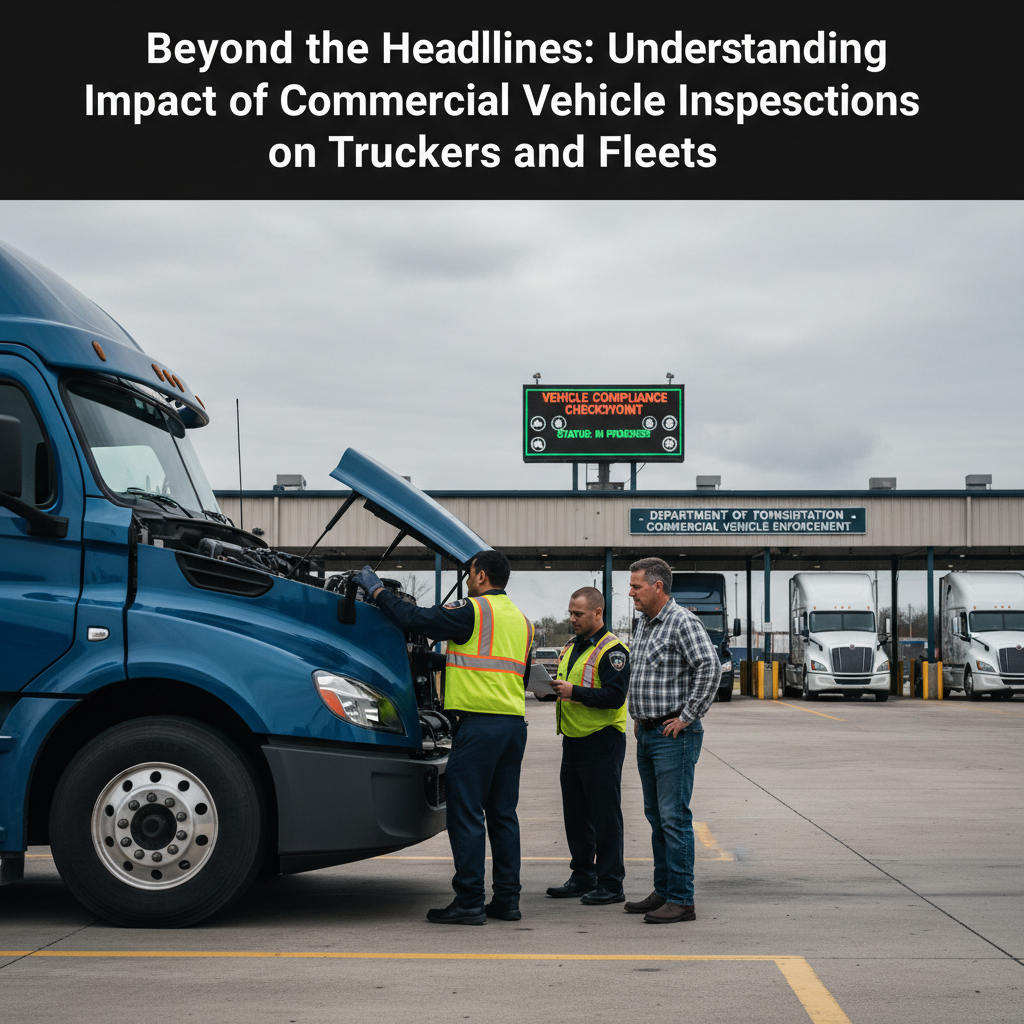
Beyond the Headlines: Understanding the Impact of Commercial Vehicle Inspections on Truckers and Fleets
A recent commercial vehicle inspection in Nebraska uncovered 242 pounds of cocaine, an open alcohol container, and a fake license plate, leading to the driver's arrest. This incident highlights the rigorous scrutiny faced by CDL drivers and the severe consequences of engaging in illegal activities, emphasizing the critical importance of compliance and professionalism for both drivers and fleet managers.
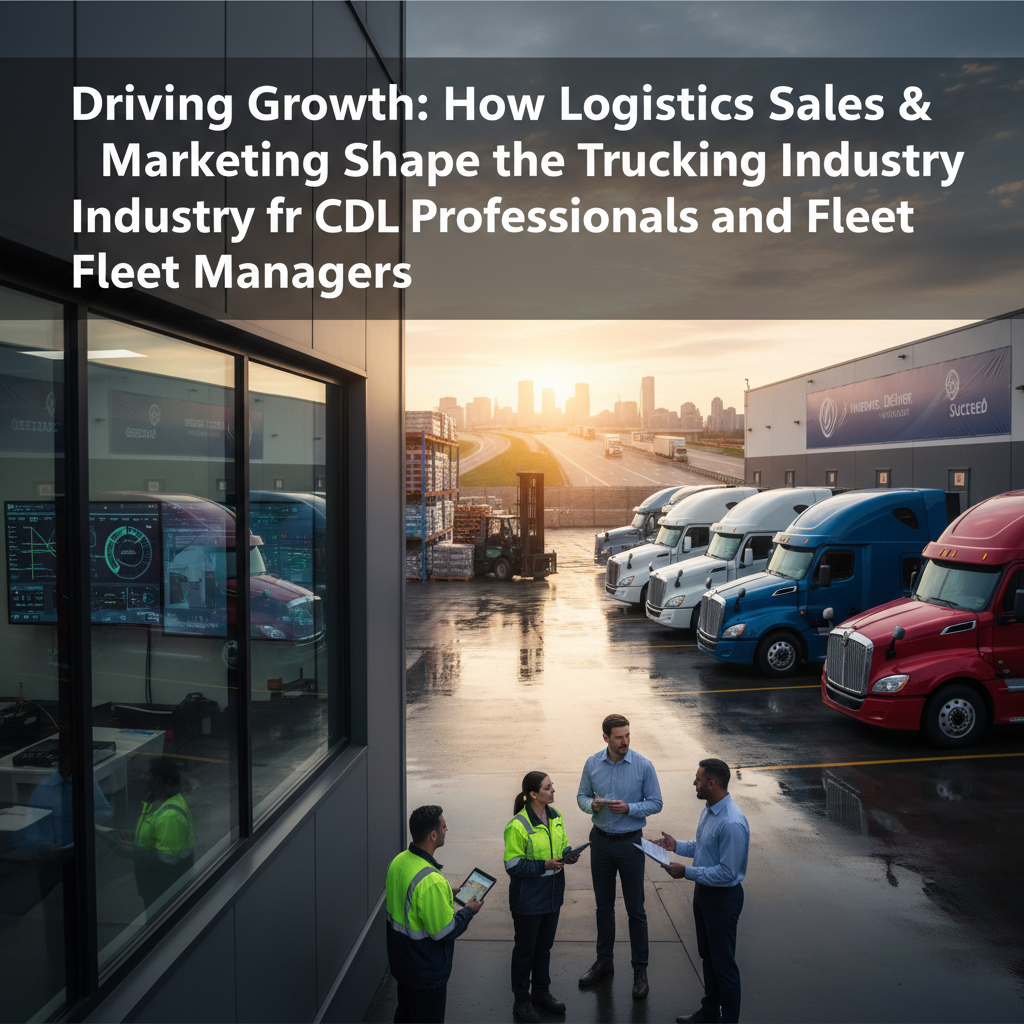
Driving Growth: How Logistics Sales & Marketing Shape the Trucking Industry for CDL Professionals and Fleet Managers
The trucking industry's growth is significantly influenced by effective sales and marketing, which secure freight and build client relationships. For CDL drivers and fleet managers, understanding these commercial efforts is key to job stability, operational efficiency, and overall company success, driving opportunities and fostering a thriving work environment.
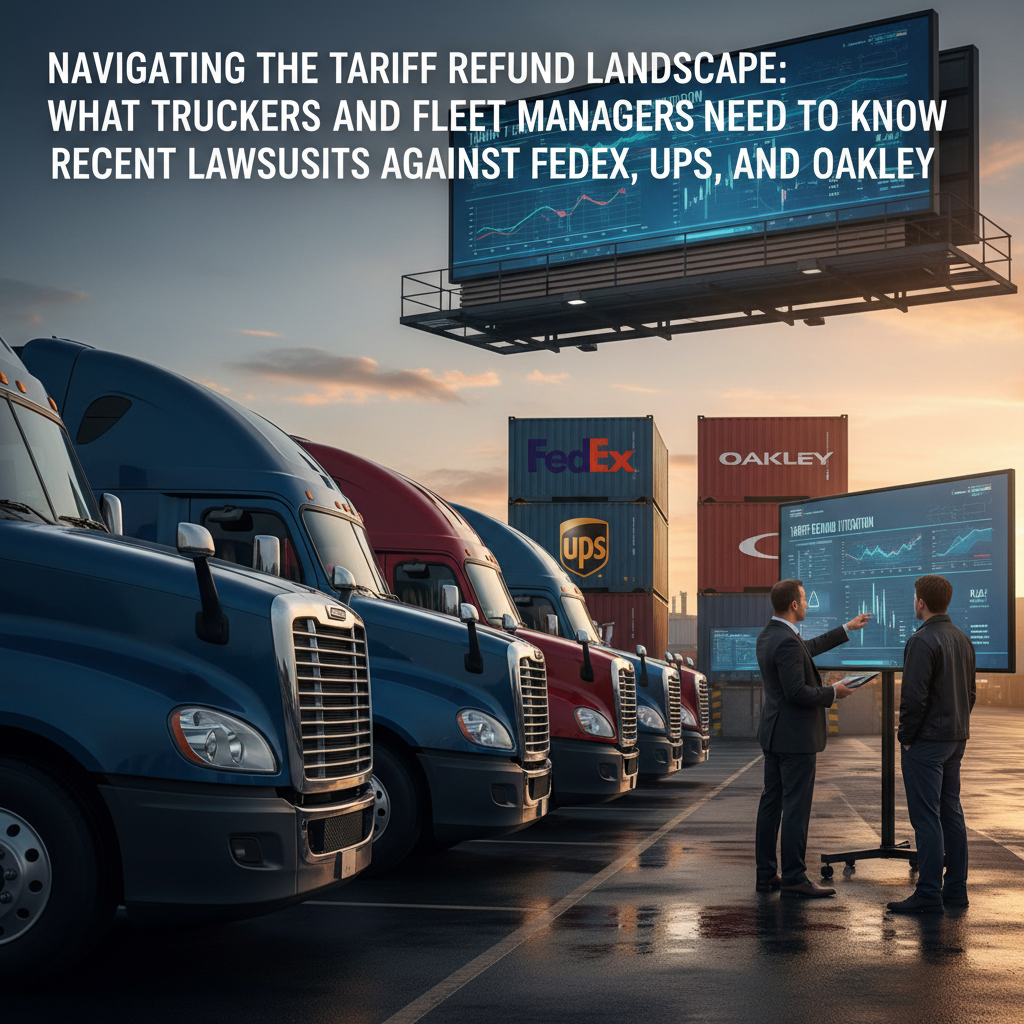
Navigating the Tariff Refund Landscape: What Truckers and Fleet Managers Need to Know About Recent Lawsuits Against FedEx, UPS, and Oakley
Major logistics providers like FedEx and UPS, along with brands such as Oakley, face class-action lawsuits demanding refunds for Trump-era import tariffs recently invalidated by the Supreme Court. This legal development has significant implications for the trucking industry, impacting freight volumes, operational planning, and customer relationships, urging fleet managers to stay informed and proactive.
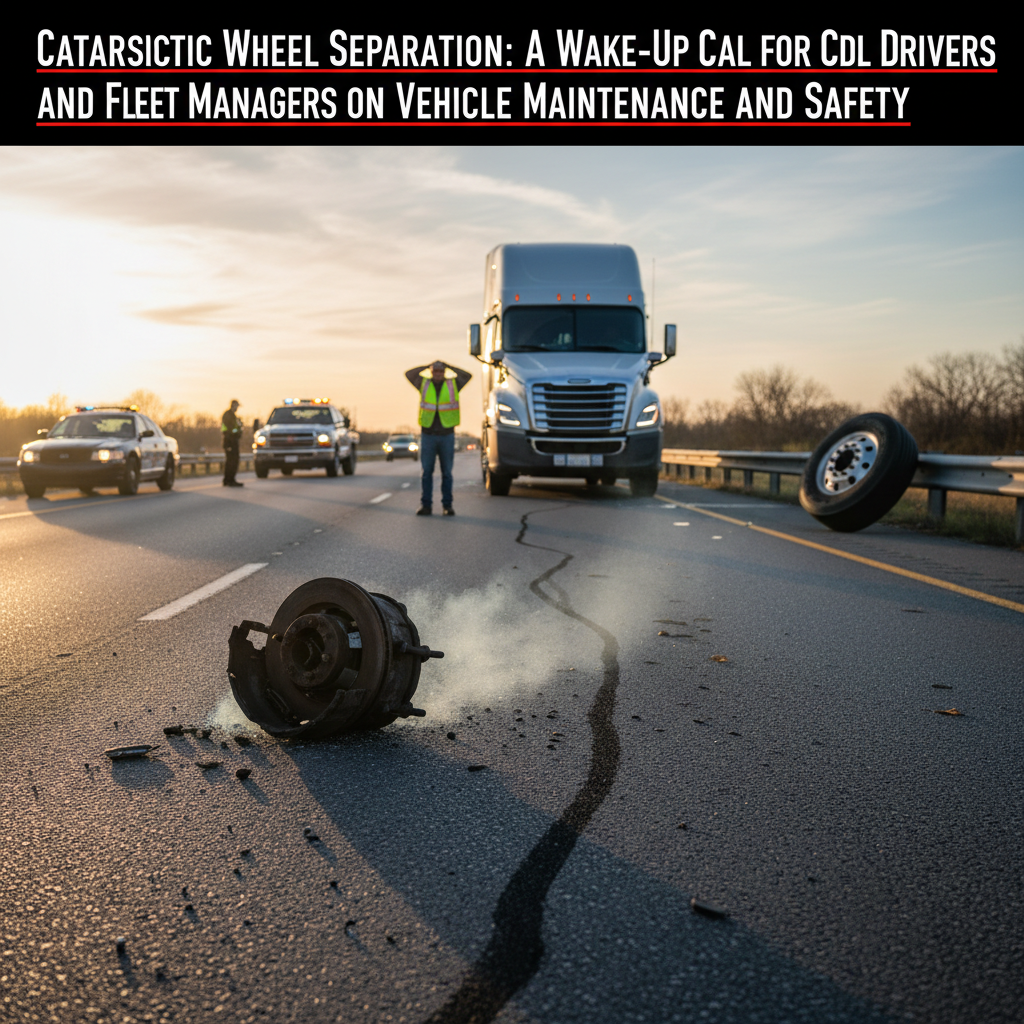
Catastrophic Wheel Separation: A Wake-Up Call for CDL Drivers and Fleet Managers on Vehicle Maintenance and Safety
A recent incident in Hearst, Ontario, where a smoking tire led to the discovery of a complete wheel separation and missing lug nuts on a commercial trailer, highlights critical safety failures. Both the driver and the trucking company faced charges, underscoring the shared responsibility for vehicle maintenance. This event serves as a crucial reminder for CDL drivers and fleet managers to prioritize thorough inspections and robust maintenance programs to prevent catastrophic failures and ensure road safety.
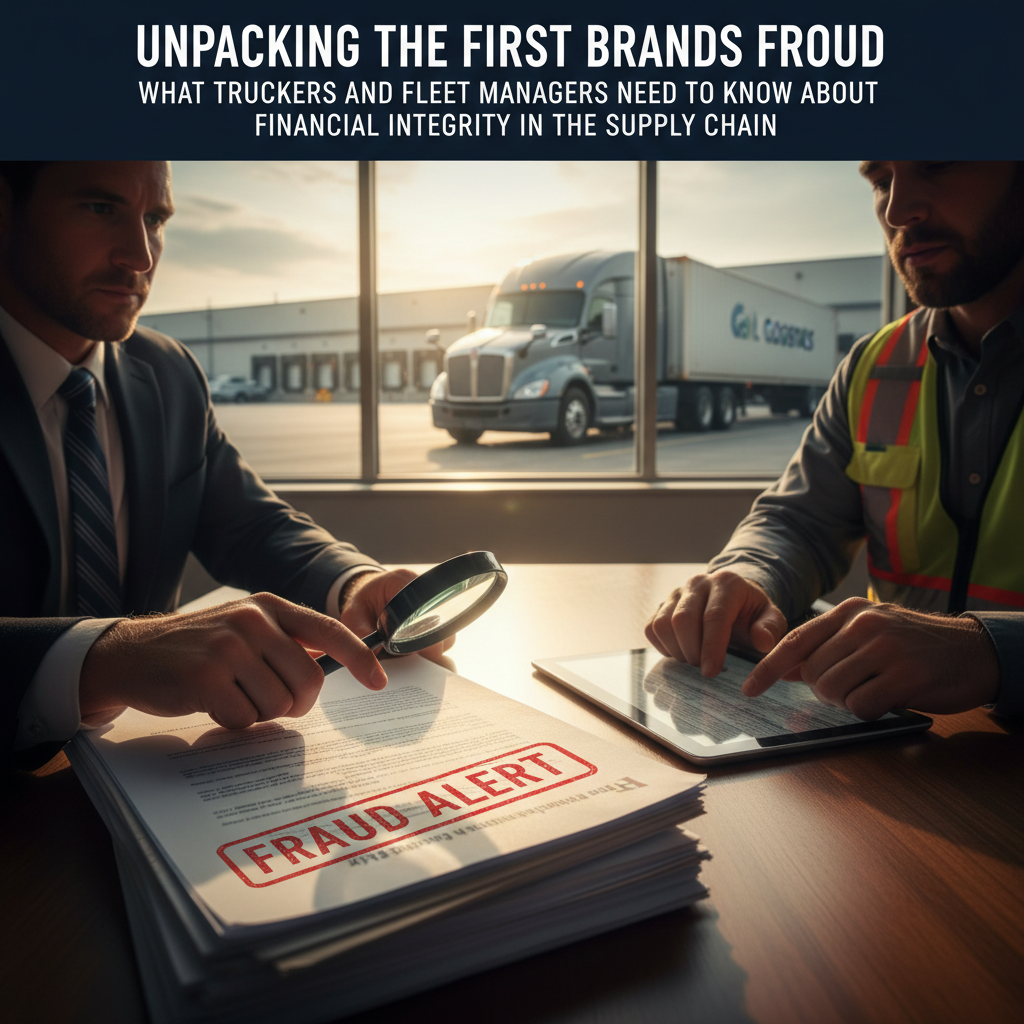
Unpacking the First Brands Fraud: What Truckers and Fleet Managers Need to Know About Financial Integrity in the Supply Chain
A former First Brands Group finance executive pleaded guilty to an extensive financial fraud, including falsifying statements and inflating invoices, impacting investors and raising concerns across the automotive supply chain. This case highlights the critical need for financial integrity and due diligence for fleet managers and CDL drivers in the trucking industry.
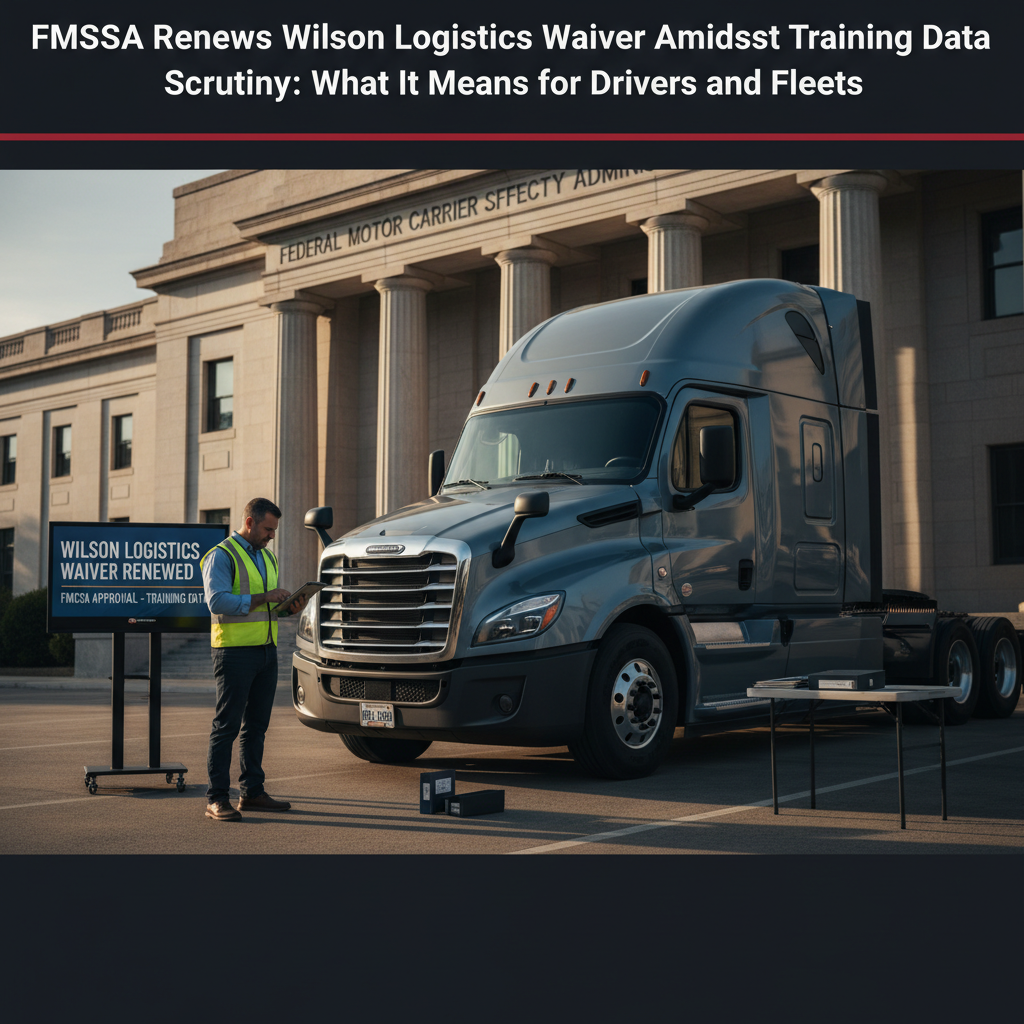
FMCSA Renews Wilson Logistics Waiver Amidst Training Data Scrutiny: What It Means for Drivers and Fleets
The FMCSA has renewed Wilson Logistics' waiver, allowing CLP holders to team drive post-skills test, but has launched an inquiry into the company's training data following allegations of inaccuracies. This development highlights critical considerations for CDL drivers and fleet managers regarding operational efficiency, training integrity, and safety compliance in the trucking industry.
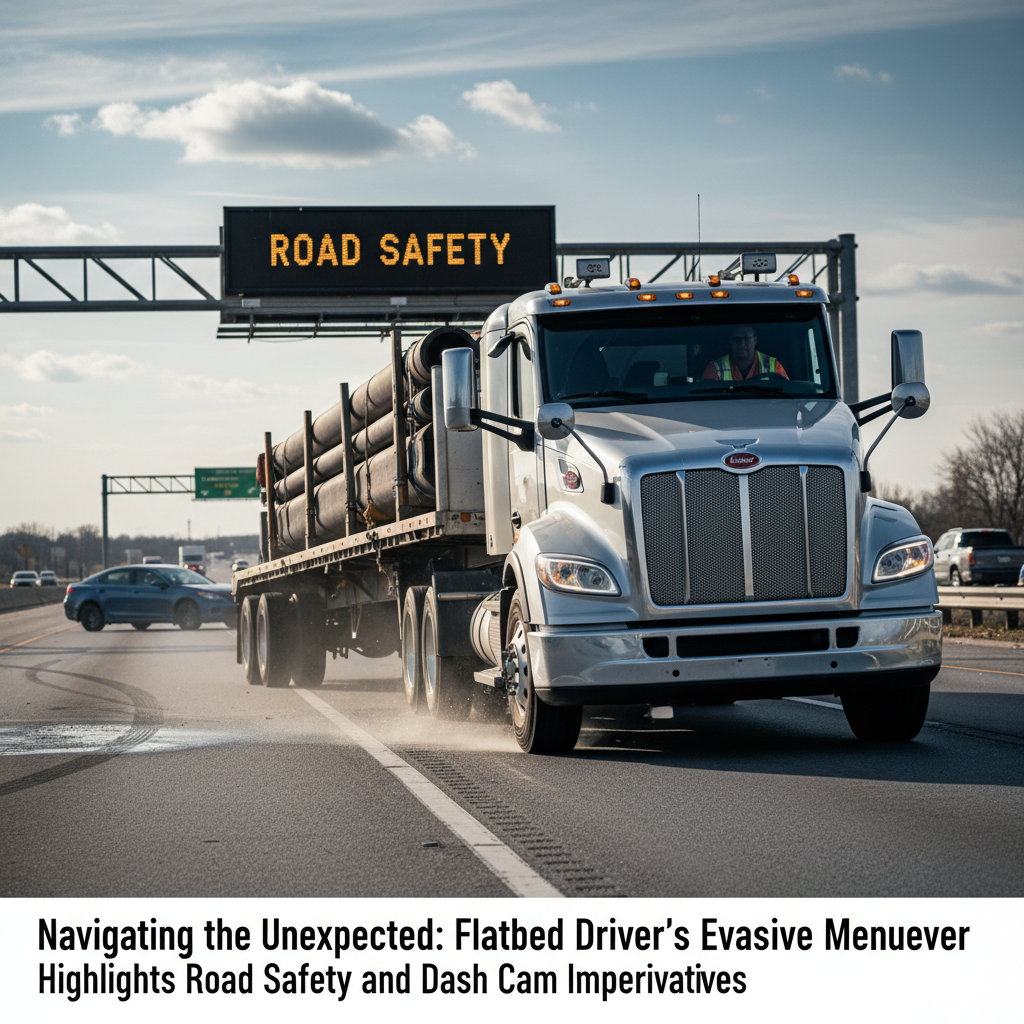
Navigating the Unexpected: Flatbed Driver's Evasive Maneuver Highlights Road Safety and Dash Cam Imperatives
A recent incident in Taylor, Texas, captured on video, showcases a flatbed truck driver's expert evasive maneuver to avoid a sedan that abruptly pulled into his path. This event highlights the critical importance of defensive driving skills and the indispensable role of multi-directional dash cameras for protecting CDL drivers and fleets from liability.
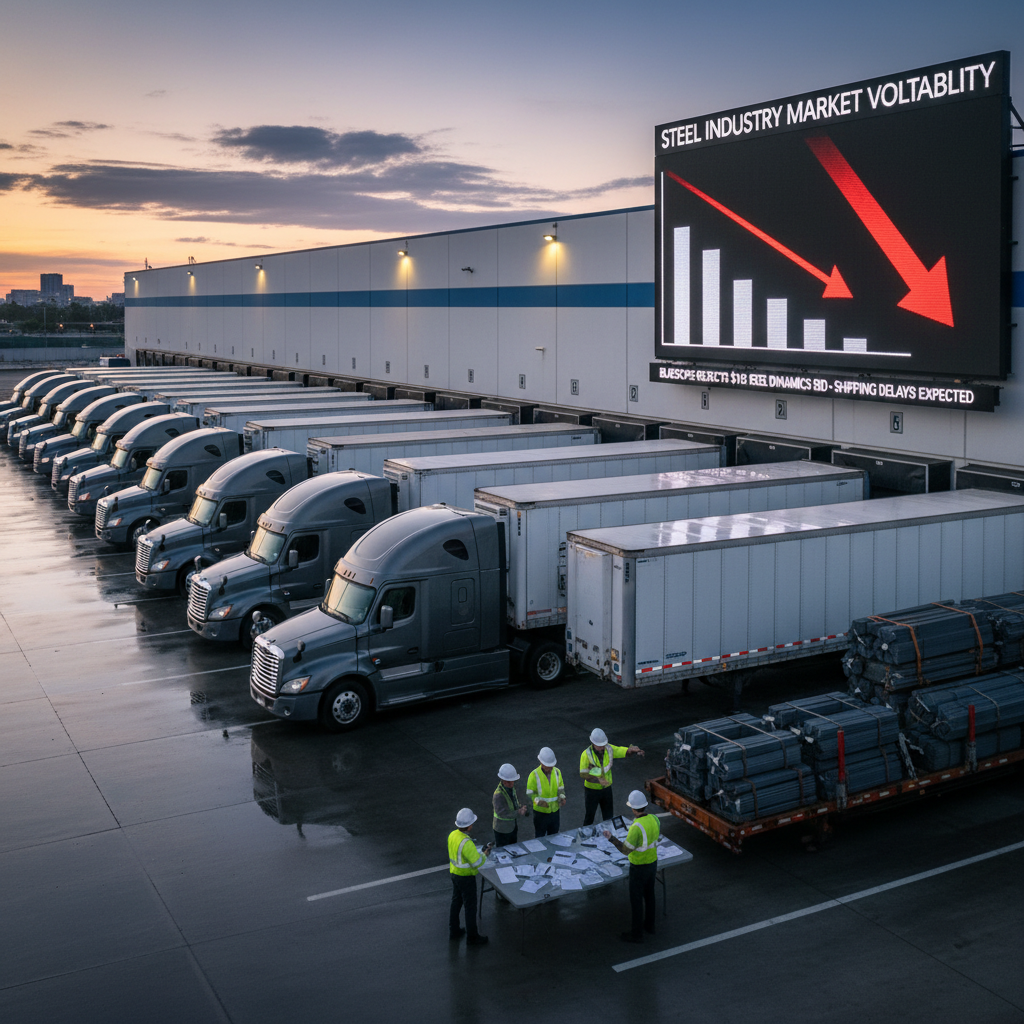
Steel Industry Shake-Up: BlueScope Rejects Enhanced $11 Billion Bid from Steel Dynamics, Signaling Continued Market Volatility for Trucking
Australian steel giant BlueScope Steel has rejected an $11 billion revised acquisition bid from a consortium led by U.S. firm Steel Dynamics, citing undervaluation. This high-stakes corporate maneuvering in the steel industry has significant implications for CDL truck drivers and fleet managers, influencing freight volumes, equipment costs, and supply chain stability across North America and beyond.

The Dalilah Law: A Potential Game-Changer for Trucking Rates and Capacity
The proposed Dalilah Law could drastically alter CDL eligibility, potentially disqualifying over 600,000 drivers and triggering an unprecedented 'super cycle' in trucking rates. This would create immense challenges for drivers and fleet managers, reshaping the industry's labor dynamics and economic landscape.

USDOT Mandates English-Only CDL Testing: What Truckers and Fleet Managers Need to Know About New Safety Regulations
The USDOT will soon require all CDL tests to be conducted solely in English, a move aimed at enhancing highway safety and driver proficiency. This change will impact aspiring and current truck drivers, as well as fleet managers, by necessitating stronger English language skills and stricter compliance measures across the industry.
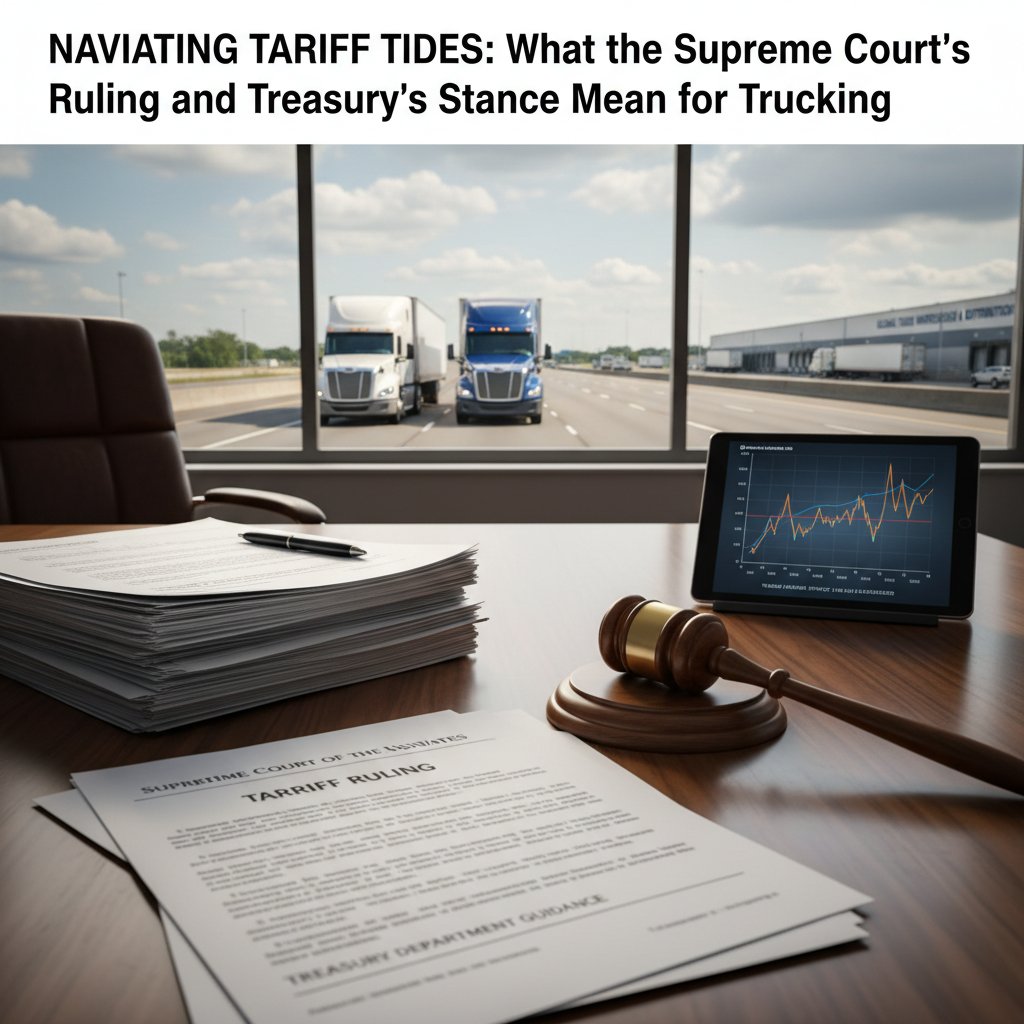
Navigating Tariff Tides: What the Supreme Court's Ruling and Treasury's Stance Mean for Trucking
Treasury Secretary Scott Bessent warns that Supreme Court-mandated tariff refunds would largely benefit corporations, not consumers, potentially impacting the trucking industry. Despite the ruling, the administration plans to maintain tariff revenue through other authorities, meaning operational costs for fleets and drivers may remain consistent. This complex trade landscape necessitates vigilance and strategic planning for CDL professionals.
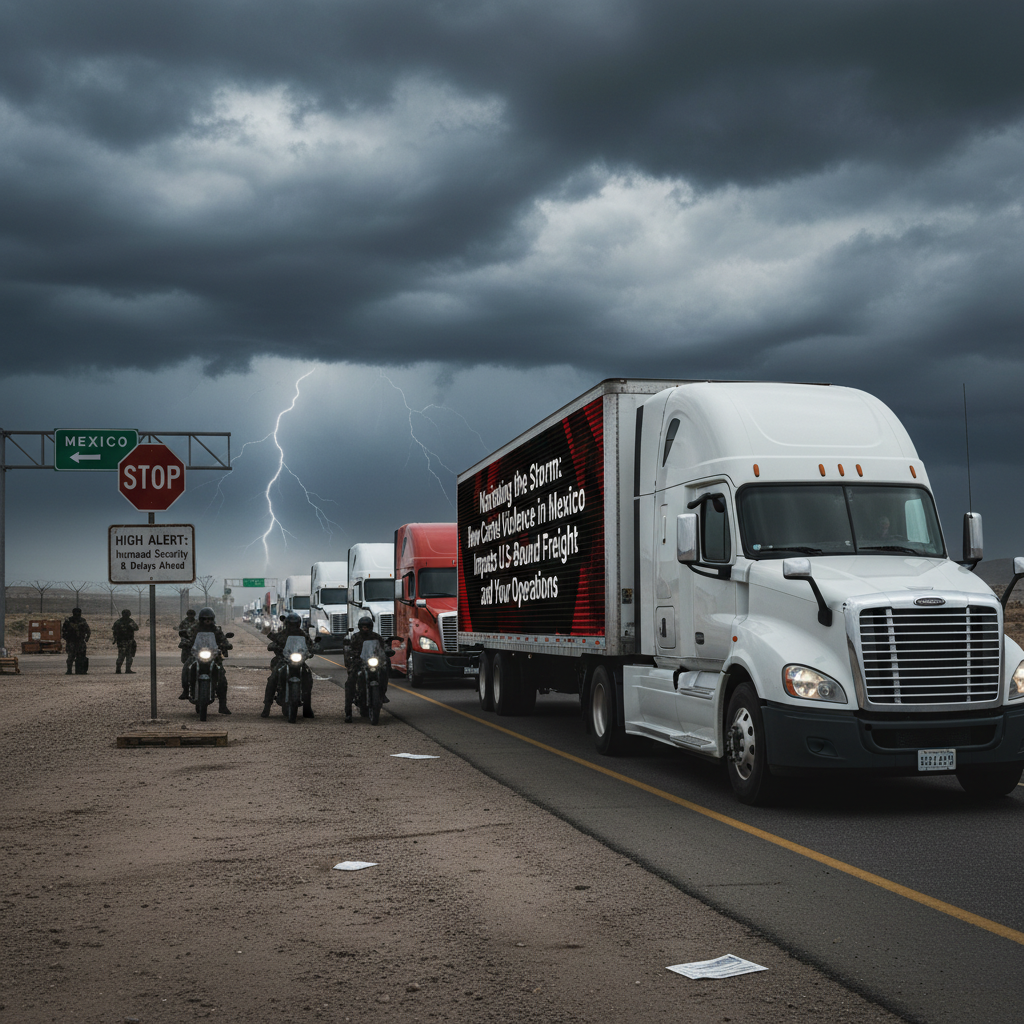
Navigating the Storm: How Cartel Violence in Mexico Impacts U.S.-Bound Freight and Your Operations
The killing of a major cartel leader in Mexico has triggered widespread retaliation, disrupting key freight corridors and impacting the Port of Manzanillo. This instability creates significant challenges for U.S.-Mexico cross-border freight, demanding heightened awareness and proactive strategies from CDL truck drivers and fleet managers to ensure cargo security and operational continuity.
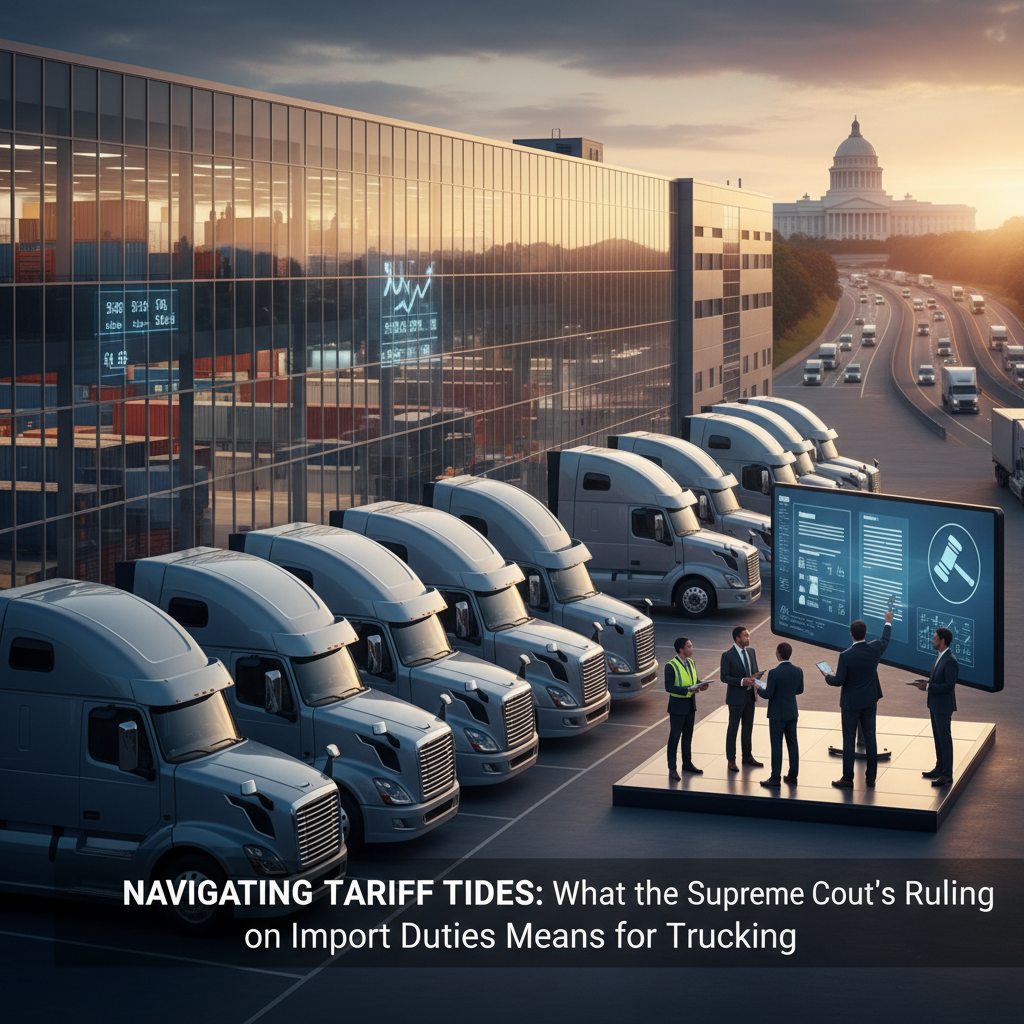
Navigating Tariff Tides: What the Supreme Court's Ruling on Import Duties Means for Trucking
A recent Supreme Court ruling on tariffs and Treasury Secretary Bessent's comments suggest that any refunds would largely benefit corporations, not consumers, and the government plans to maintain tariff revenues through other means. This means the trucking industry should prepare for continued cost pressures on equipment and parts, emphasizing the need for strategic planning and cost management for CDL drivers and fleet managers.
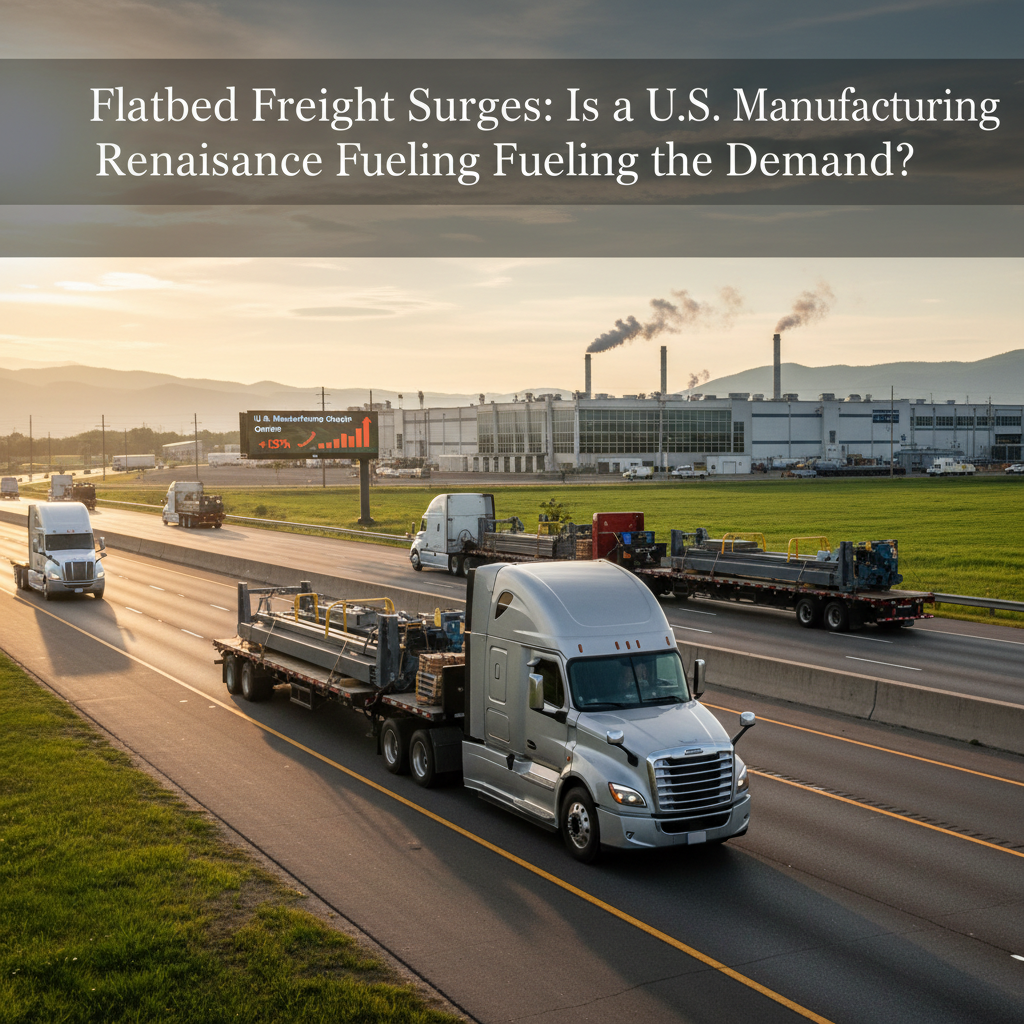
Flatbed Freight Surges: Is a U.S. Manufacturing Renaissance Fueling the Demand?
Flatbed freight demand is surging, with tender rejection rates hitting historic highs, signaling a potentially robust U.S. manufacturing and construction rebound. This trend presents significant opportunities for CDL truck drivers and fleet managers to capitalize on increased load availability and higher rates, requiring strategic planning and investment in specialized services.

USDOT Mandates English-Only CDL Testing: What This Means for Truck Drivers and Fleet Managers
The USDOT is mandating English-only CDL testing, a move aimed at enhancing highway safety and professionalizing the trucking industry. This change, alongside crackdowns on fraudulent carriers and ELD tampering, necessitates that both aspiring and current CDL drivers and fleet managers prioritize English proficiency and strengthen compliance protocols to adapt to the evolving regulatory landscape.

Navigating Tariff Refunds: What Trucking Companies and Drivers Need to Know About the Supreme Court Ruling
Treasury Secretary Scott Bessent warns that tariff refunds from a recent Supreme Court ruling would primarily benefit corporations, not consumers, labeling it 'corporate welfare.' For the trucking industry, this means direct financial relief is unlikely, and the administration plans to maintain tariff revenue through alternative mechanisms, impacting operational costs and freight dynamics.
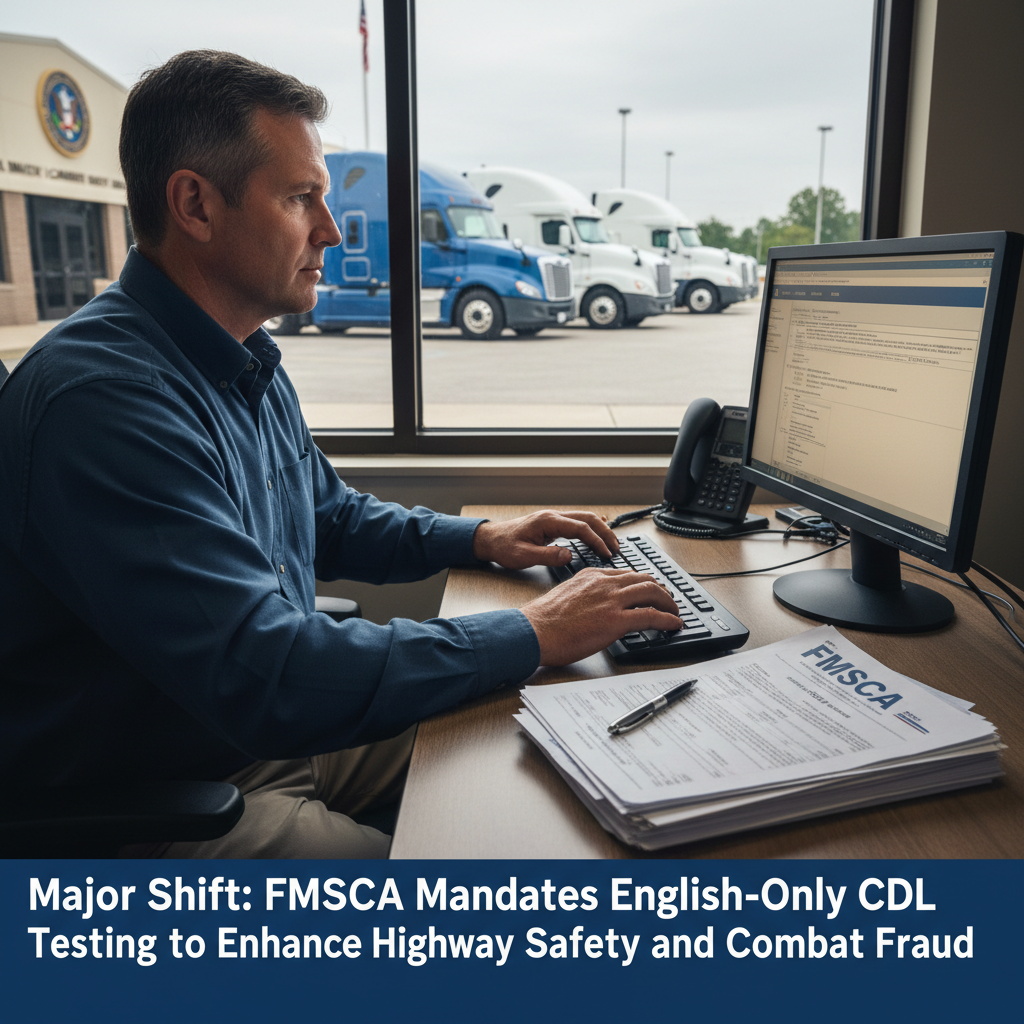
Major Shift: FMCSA Mandates English-Only CDL Testing to Enhance Highway Safety and Combat Fraud
The FMCSA is mandating English-only CDL testing, a significant change aimed at enhancing highway safety and combating fraud within the trucking industry. This move is part of broader regulatory reforms to standardize driver qualifications, modernize carrier registration, and crack down on "chameleon carriers" and other deceptive practices. Both truck drivers and fleet managers must adapt to these new requirements, focusing on English proficiency and robust compliance to ensure a safer and more accountable industry.
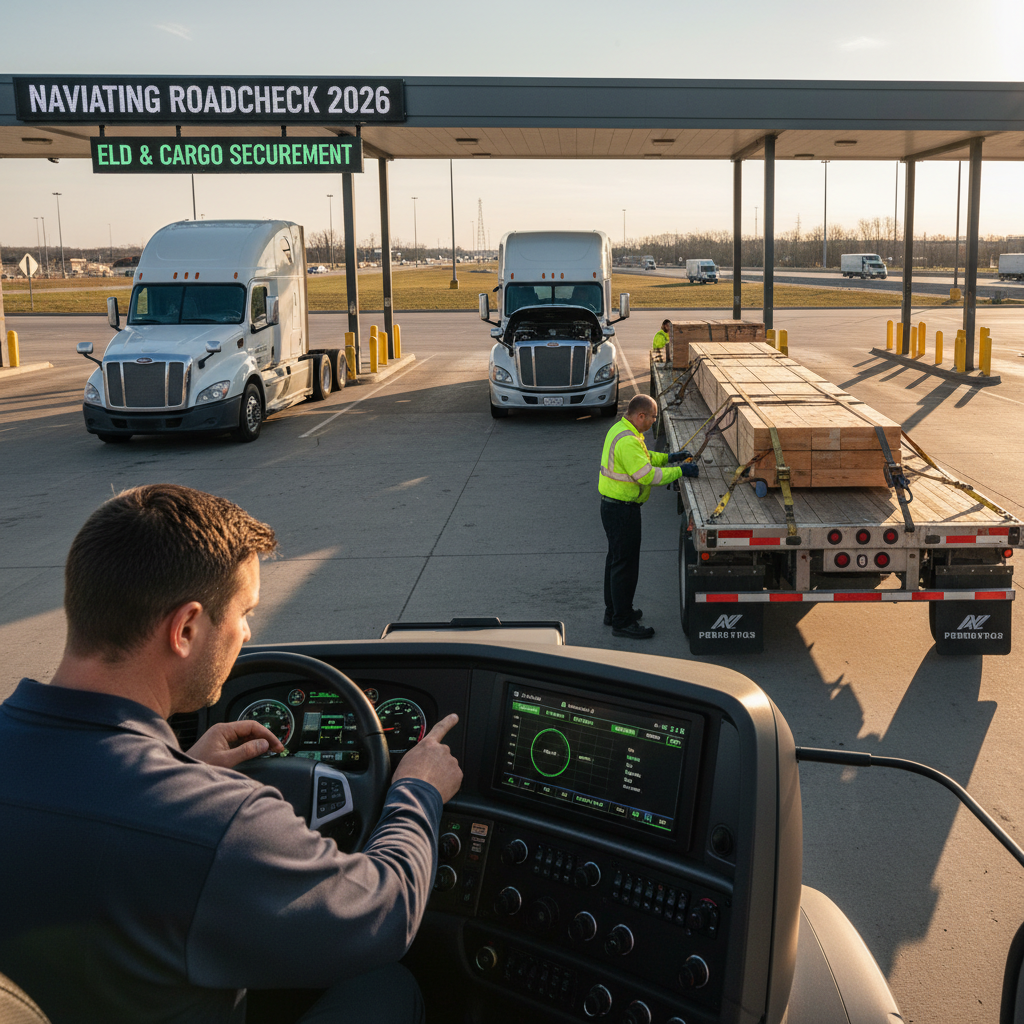
Navigating Roadcheck 2026: A Comprehensive Guide to ELD Compliance and Cargo Securement for Truckers and Fleets
Roadcheck 2026 will focus on ELD tampering/falsification and cargo securement. This guide provides comprehensive strategies for CDL drivers and fleet managers to ensure compliance, avoid violations, and enhance safety across North America's roadways. Proactive preparation is key to navigating these critical inspection areas successfully.
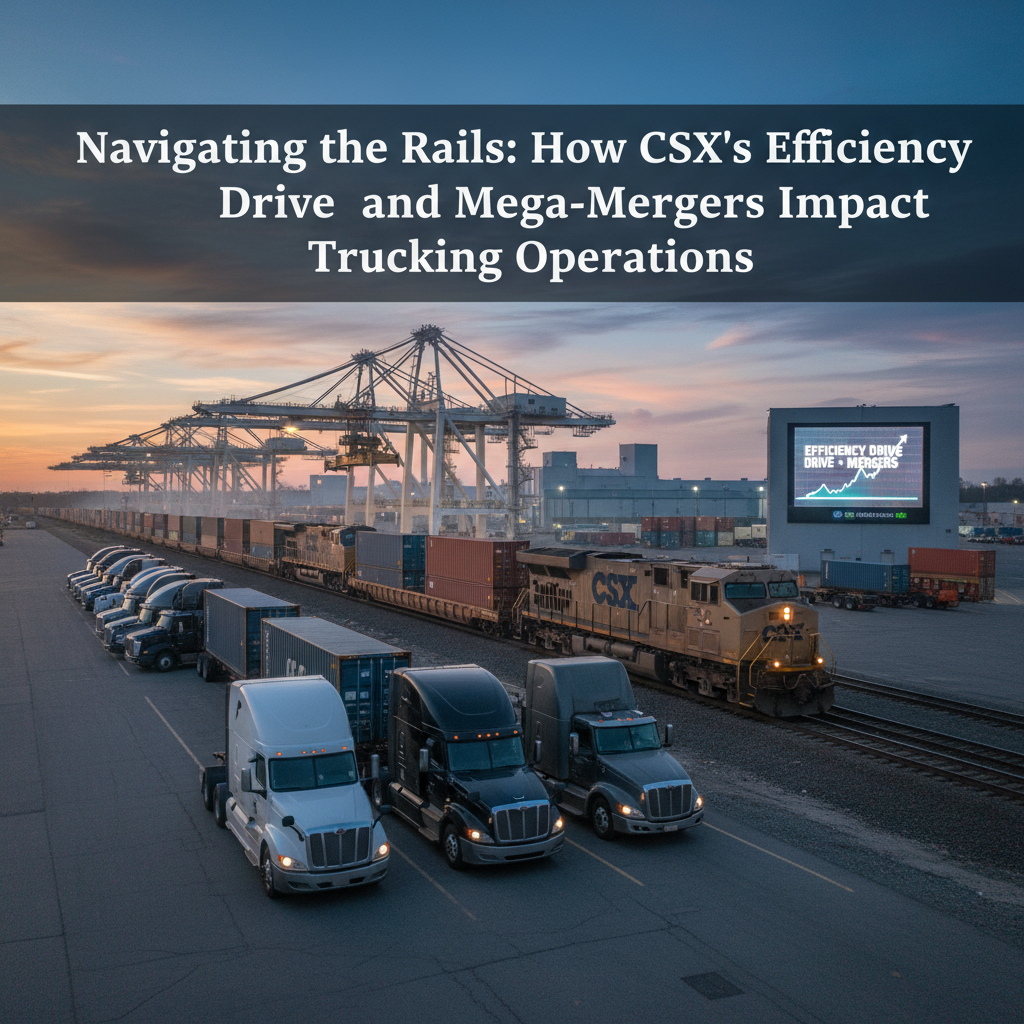
Navigating the Rails: How CSX's Efficiency Drive and Mega-Mergers Impact Trucking Operations
CSX is embarking on a major efficiency drive under CEO Steve Angel, focusing on cost control and operational improvements. This internal overhaul, alongside potential megamergers among rival rail carriers like Union Pacific and Norfolk Southern, will significantly impact the North American freight landscape. Trucking professionals must monitor these developments to optimize logistics, anticipate market shifts, and ensure competitive advantage in a constantly evolving industry.
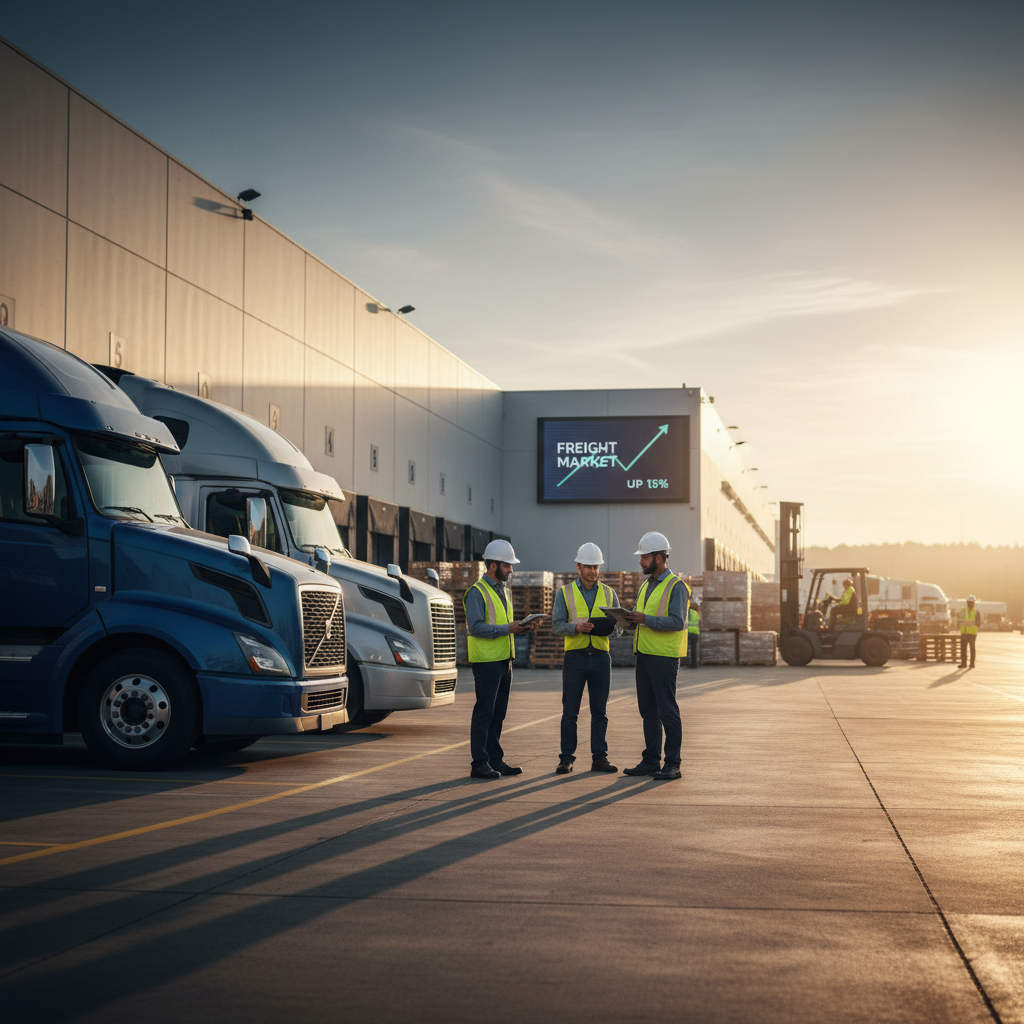
Navigating the Strong Freight Market: Insights for CDL Drivers and Fleet Managers
The freight market is experiencing a significant and sustained upturn, driven by tightening capacity and a resurgence in industrial activity, even during traditionally slow periods. This robust environment offers increased opportunities for CDL drivers and necessitates strategic adjustments for fleet managers to optimize operations and ensure profitability.
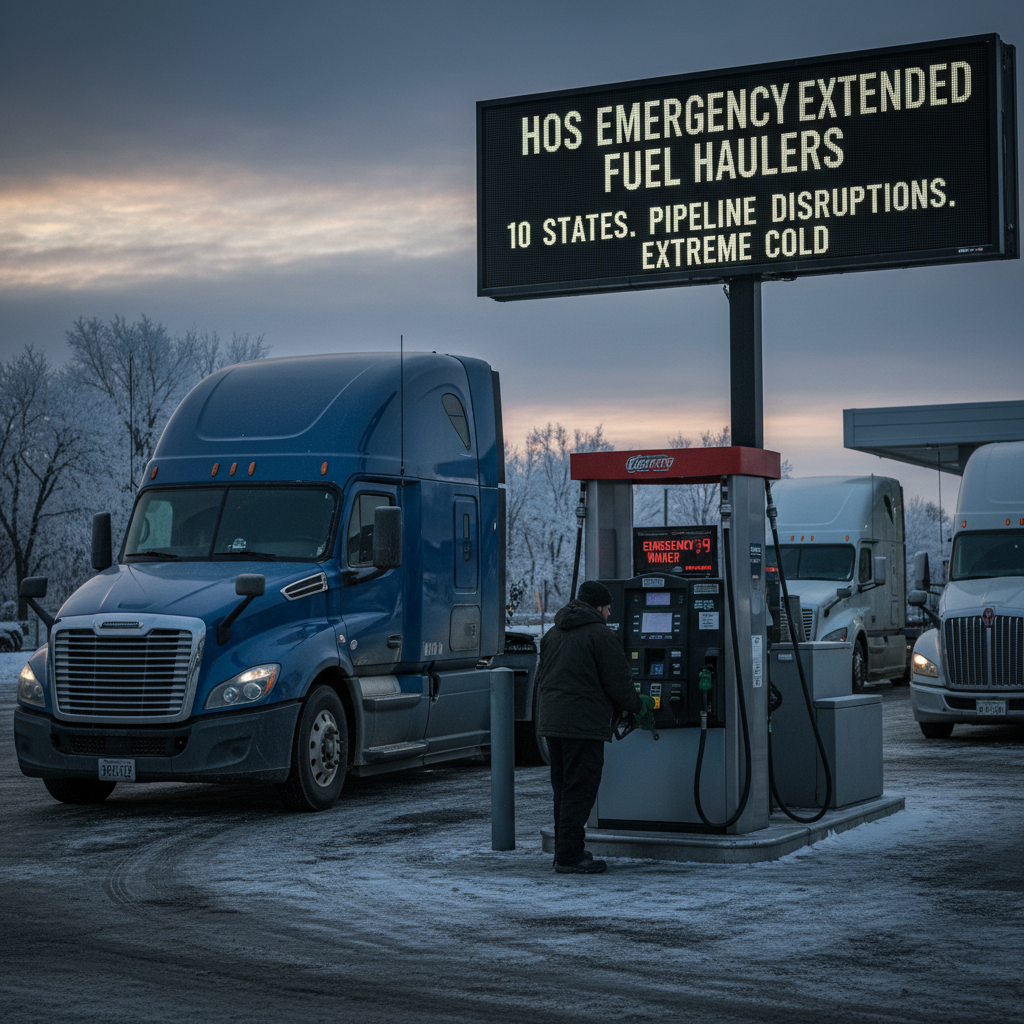
HOS Emergency Waiver Extended for Fuel Haulers in 10 States Amidst Pipeline Disruptions and Extreme Cold
An Hours of Service (HOS) emergency waiver has been extended for a third time in ten states, allowing CDL drivers to haul critical heating fuels amidst pipeline issues and extreme cold. This decision impacts Illinois, Iowa, Kansas, Kentucky, Ohio, Michigan, Missouri, Nebraska, Tennessee, and Wisconsin, highlighting the trucking industry's vital role in national emergencies.
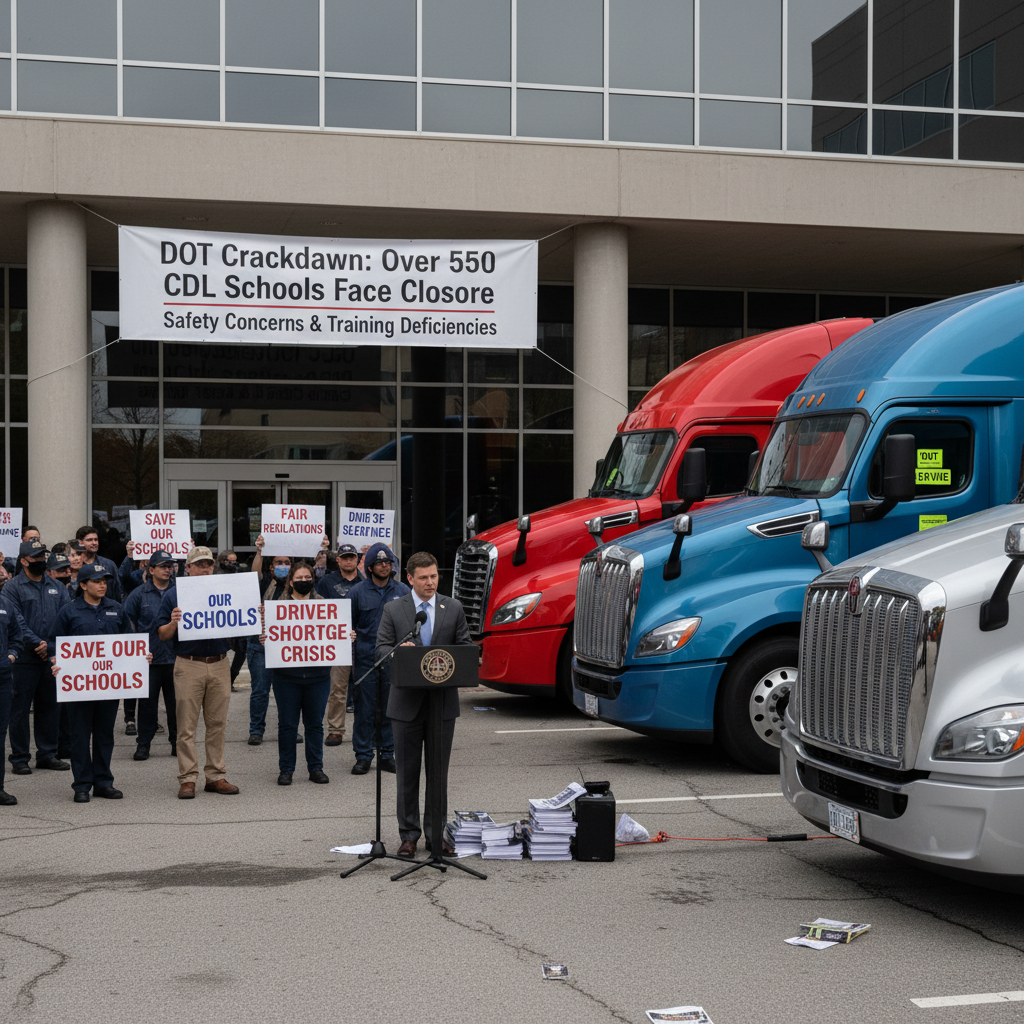
DOT Crackdown: Over 550 CDL Schools Face Closure Amidst Safety Concerns and Training Deficiencies
The USDOT is closing over 550 CDL schools due to unqualified instructors, inadequate testing, and safety failures, marking a significant push to enhance commercial driver safety. This crackdown, prompted by fatal crashes, aims to eliminate 'CDL mills' and ensure higher training standards for truck drivers and bus operators. The move will impact driver recruitment for fleets and emphasizes the critical need for aspiring drivers to choose reputable training programs.
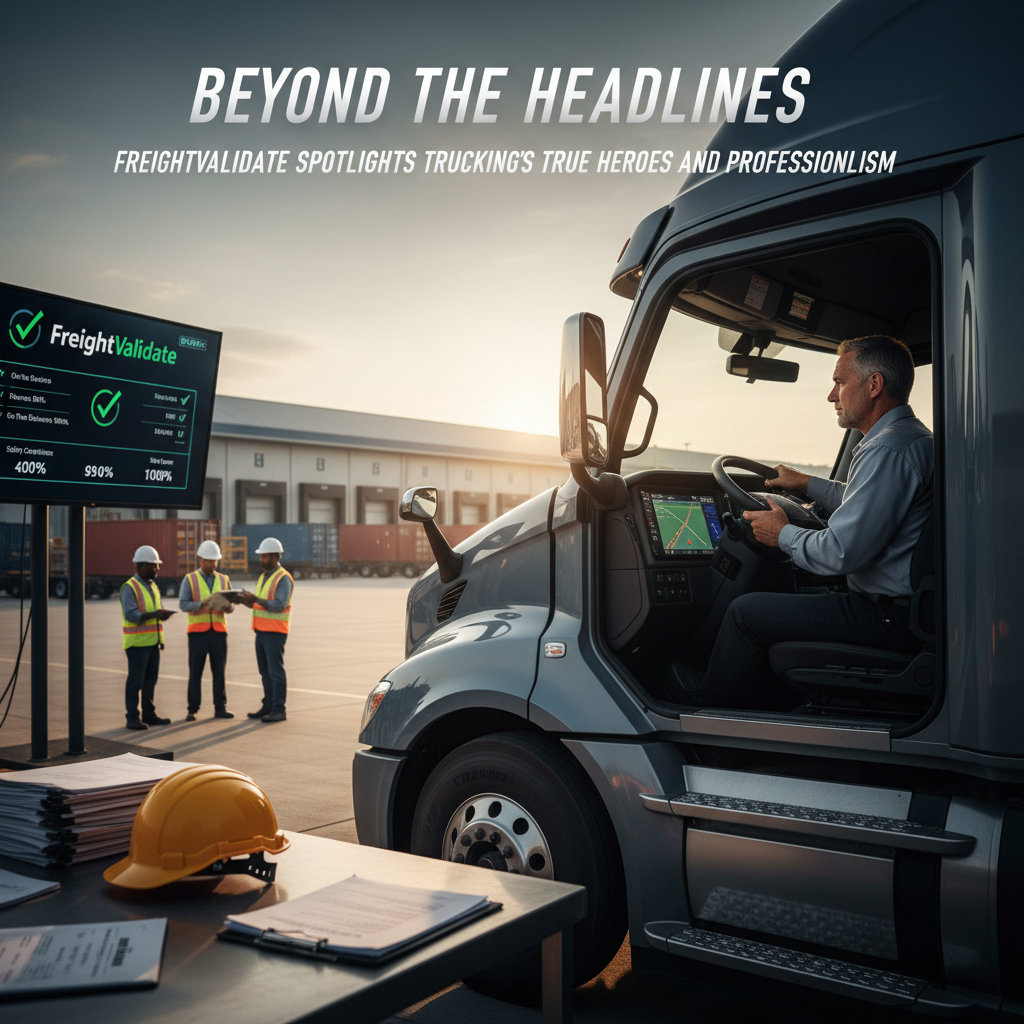
Beyond the Headlines: FreightValidate Spotlights Trucking's True Heroes and Professionalism
FreightValidate is shifting the trucking narrative by spotlighting professional drivers and teams, moving beyond negative headlines to celebrate everyday excellence. This initiative allows anyone to submit positive feedback, building a visible record of integrity and reliability for CDL drivers and fleet managers.
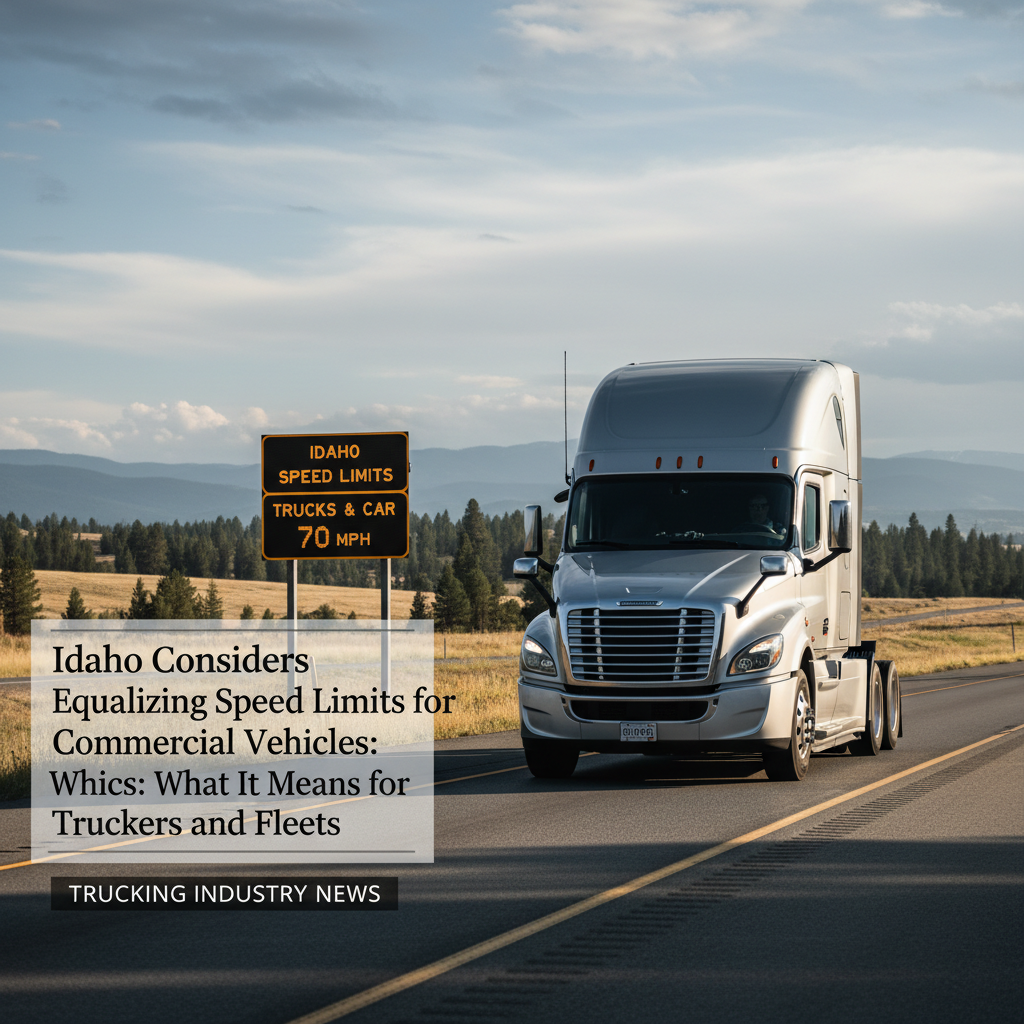
Idaho Considers Equalizing Speed Limits for Commercial Vehicles: What It Means for Truckers and Fleets
Idaho's House Bill 664 proposes to eliminate lower speed limits for commercial motor vehicles (CMVs), allowing trucks over 26,000 pounds to travel at the same speeds as passenger cars. Proponents argue this change will reduce accidents by minimizing speed differentials and improve traffic flow, offering potential benefits for driver safety, operational efficiency, and fuel economy for CDL drivers and fleet managers.
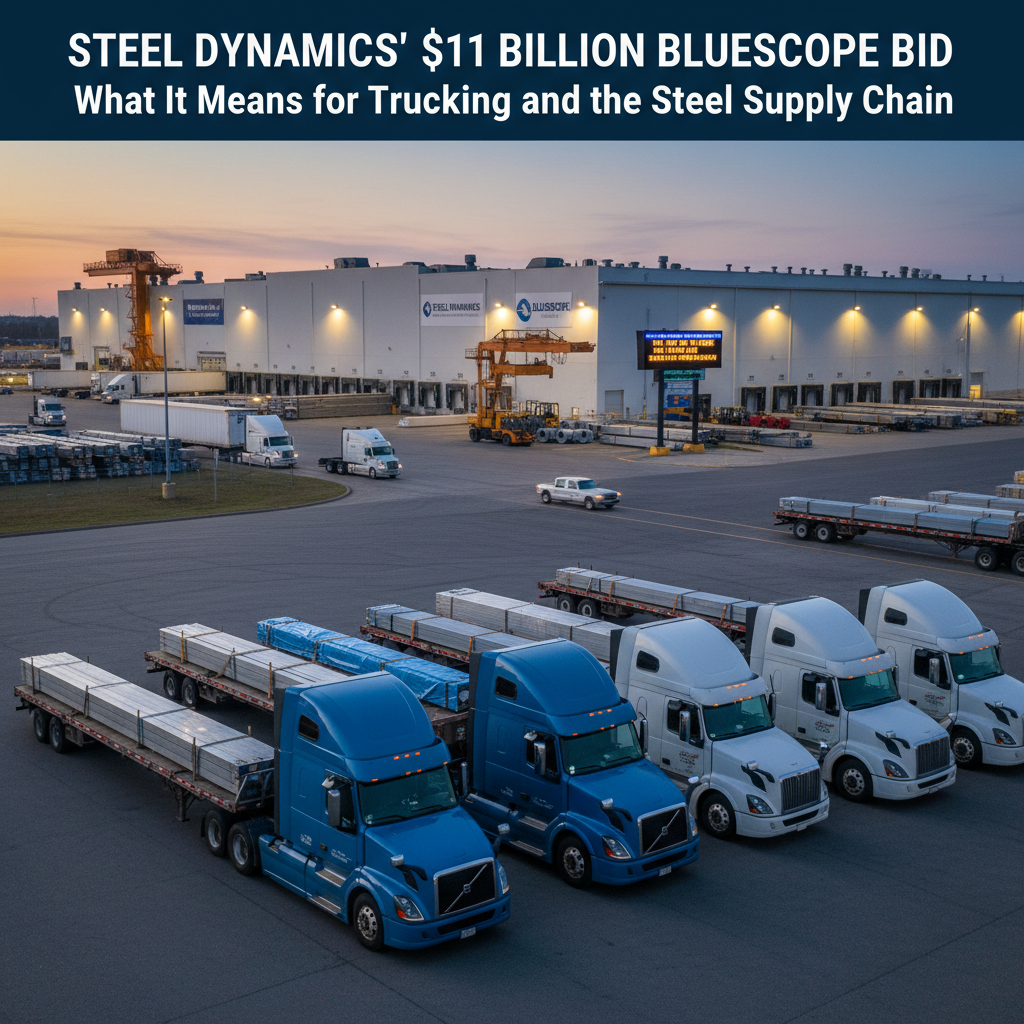
Steel Dynamics' $11 Billion BlueScope Bid: What It Means for Trucking and the Steel Supply Chain
Steel Dynamics has raised its bid for BlueScope Steel to $11 billion, a move that could significantly impact the North American steel supply chain. This acquisition has far-reaching implications for CDL truck drivers and fleet managers, affecting freight volumes, specialized hauling demands, and the overall logistics of steel transportation across the nation.
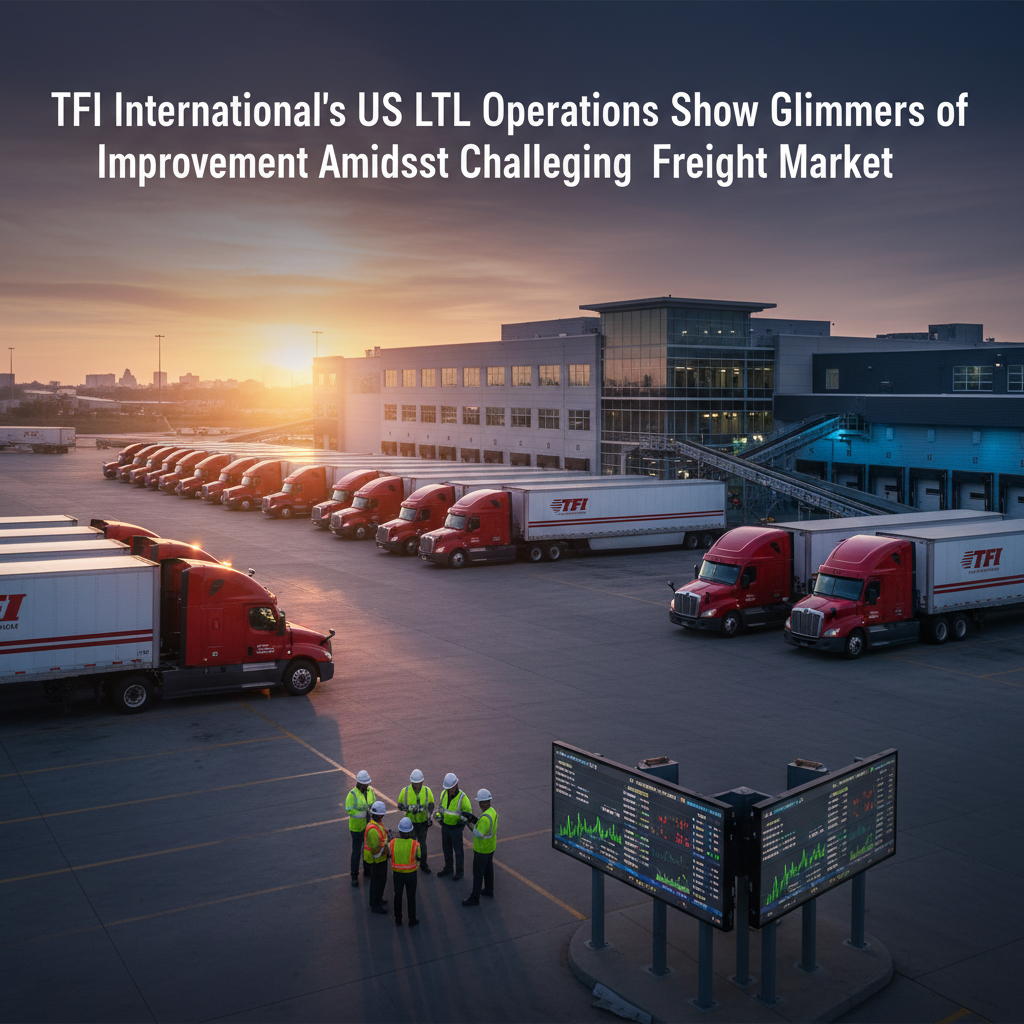
TFI International's US LTL Operations Show Glimmers of Improvement Amidst Challenging Freight Market
TFI International's Q4 2025 report reveals promising operational improvements in its U.S. LTL division, including a better operating ratio and increased average shipment weight, despite a soft freight market. These insights are crucial for CDL drivers and fleet managers, highlighting efforts towards efficiency and stability within a major industry player.
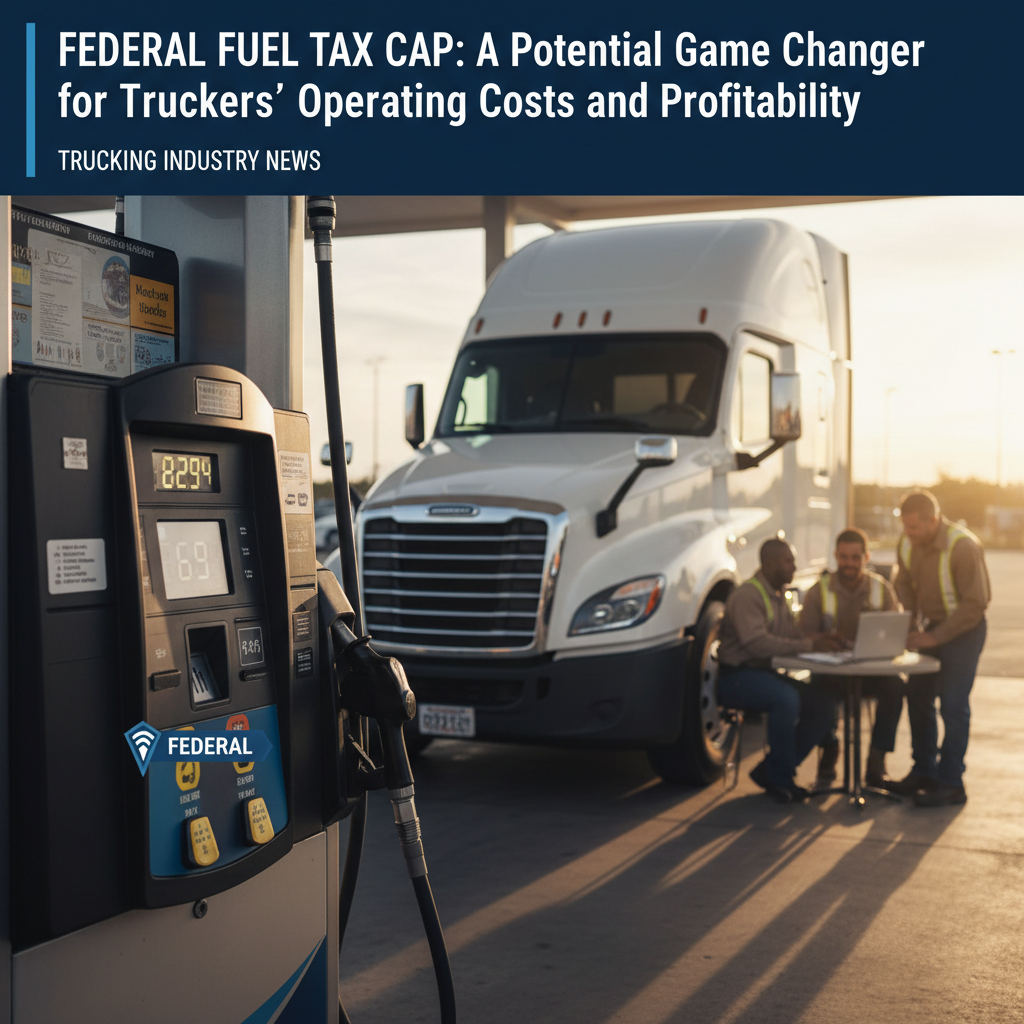
Federal Fuel Tax Cap: A Potential Game Changer for Truckers' Operating Costs and Profitability
A new federal bill, the "Gas Tax Reduction Act," proposes capping state fuel taxes at 50 cents per gallon, potentially slashing a major operating expense for CDL truck drivers and fleet managers. This legislation could significantly improve profitability, simplify interstate cost projections, and foster greater economic stability within the trucking industry.
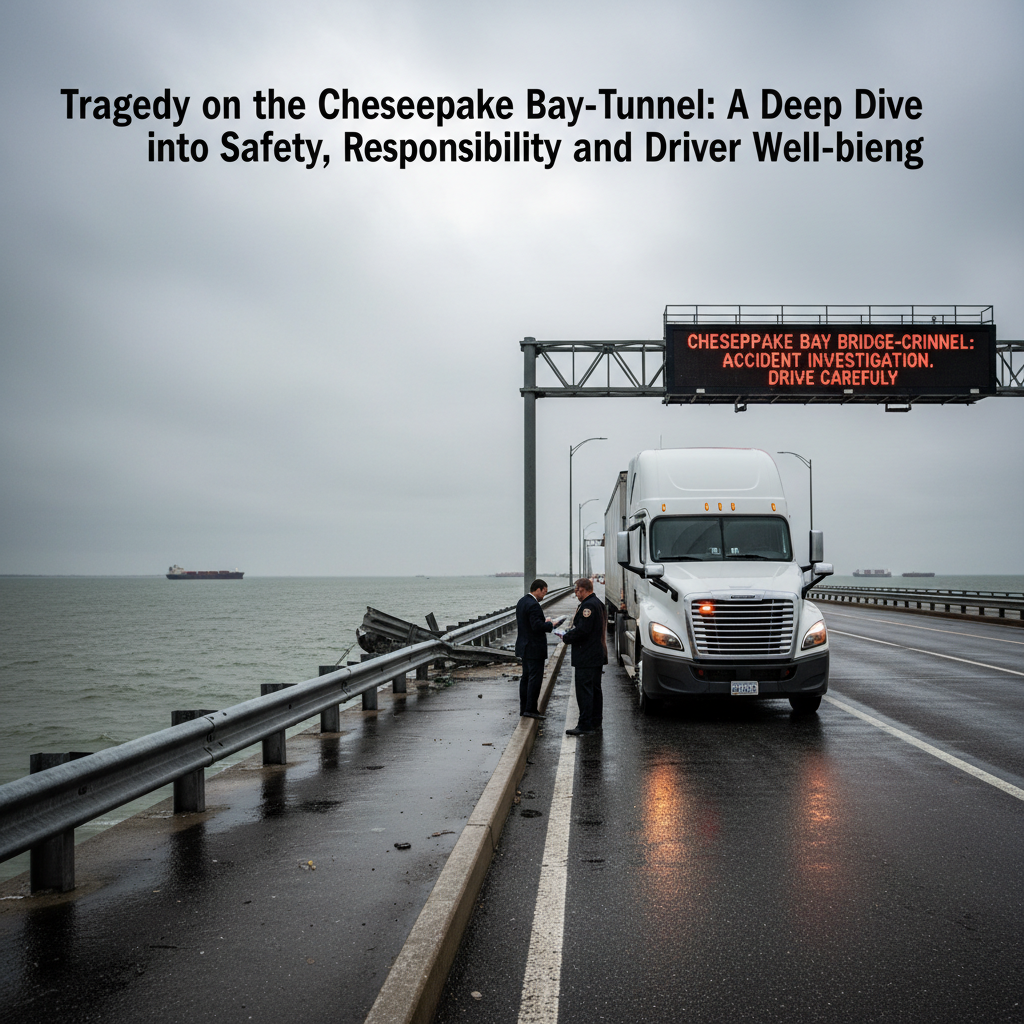
Tragedy on the Chesapeake Bay Bridge-Tunnel: A Deep Dive into Safety, Responsibility, and Driver Well-being
A tragic incident on the Chesapeake Bay Bridge-Tunnel saw a Perdue Farms truck driver lose his life after his tractor-trailer plunged into the water. This heartbreaking event highlights the critical importance of safety protocols, driver vigilance, and comprehensive support within the trucking industry, especially when navigating high-risk routes.
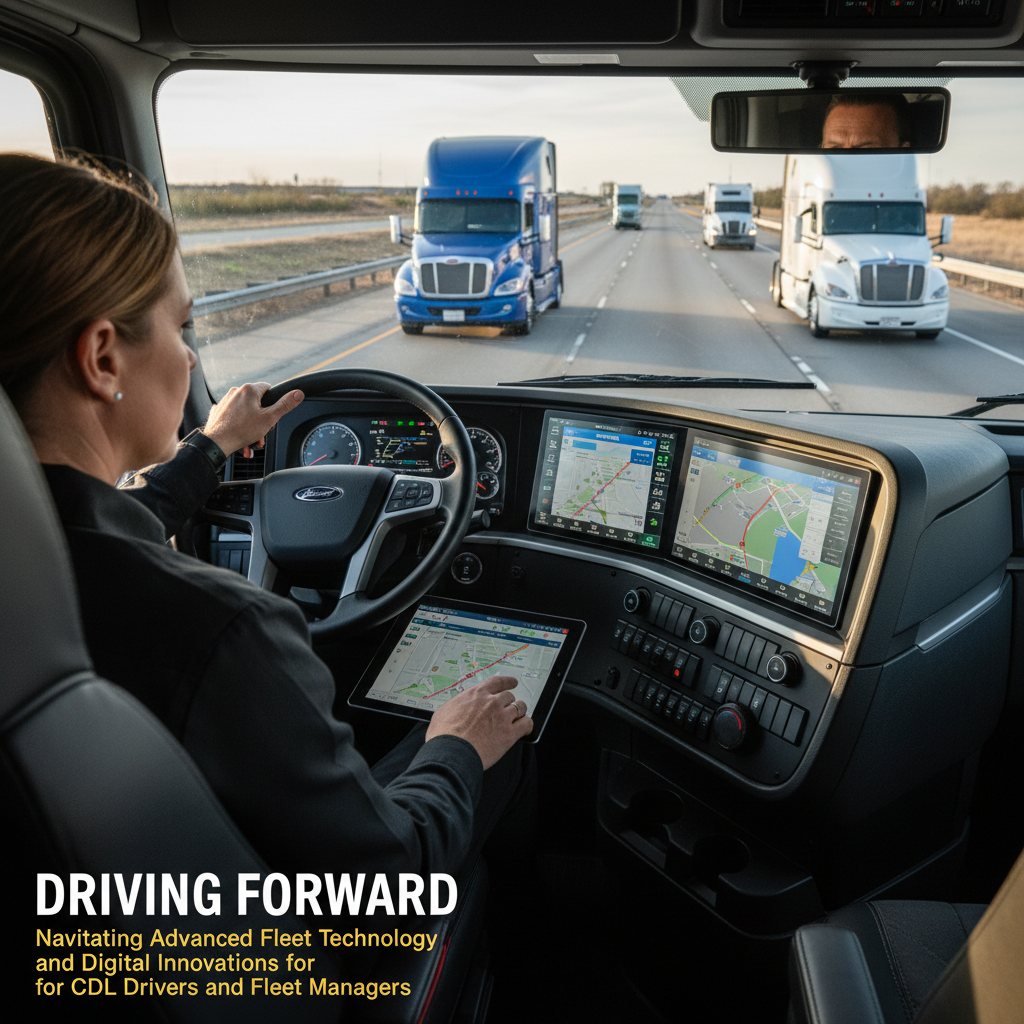
Driving Forward: Navigating Advanced Fleet Technology and Digital Innovations for CDL Drivers and Fleet Managers
The trucking industry is undergoing a significant digital transformation, with advanced fleet technology and AI-driven innovations reshaping operations for CDL drivers and fleet managers. This article explores how predictive maintenance, smart asset management, enhanced safety systems, and connected vehicles are boosting efficiency, reducing costs, and empowering drivers, emphasizing the critical need for strategic adoption to gain a competitive edge.
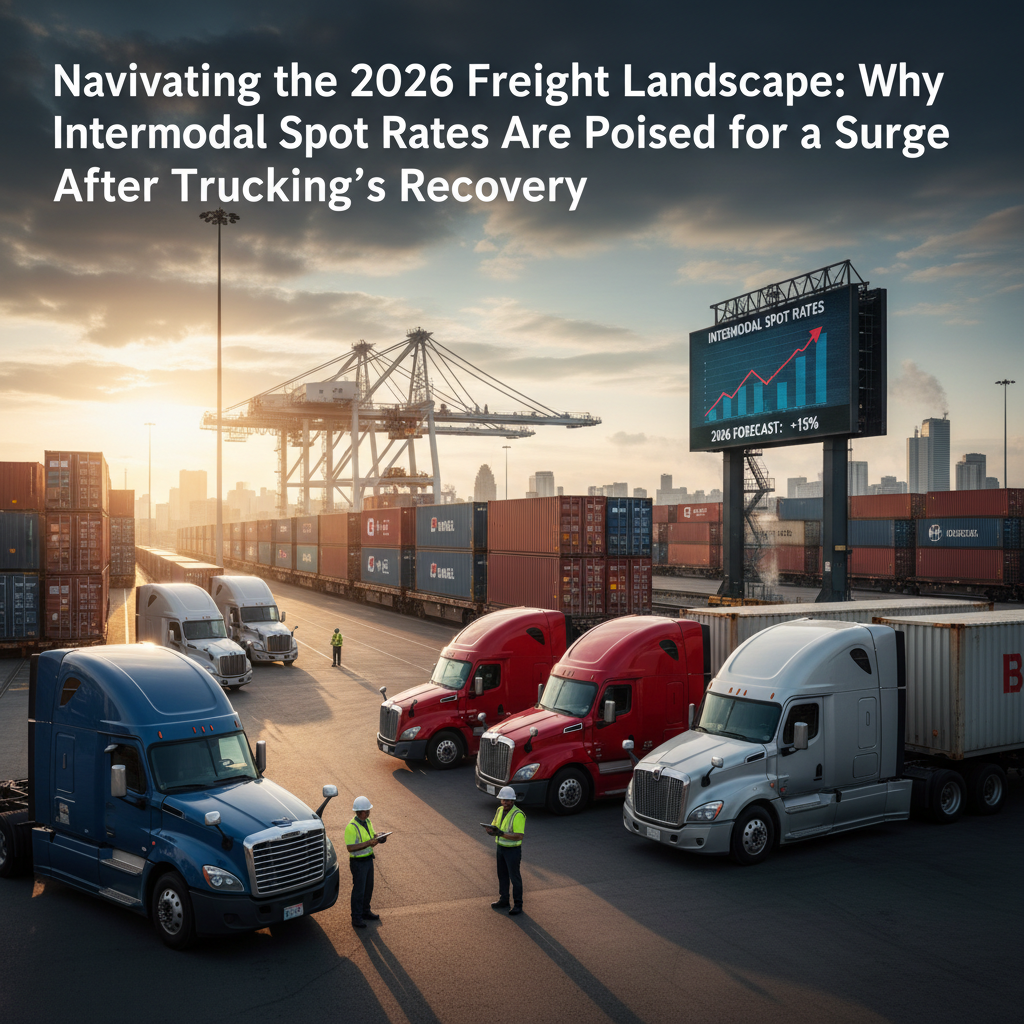
Navigating the 2026 Freight Landscape: Why Intermodal Spot Rates Are Poised for a Surge After Trucking's Recovery
The freight market in 2026 is experiencing a significant divergence: trucking spot rates have surged due to tightening capacity and rising demand, while intermodal rates remain stubbornly low. This imbalance is unsustainable, and intermodal rates are poised for a substantial increase as the year progresses, impacting strategic decisions for CDL drivers and fleet managers.

DOT's New Non-Domiciled CDL Rule: What Truck Drivers and Fleet Managers Need to Know
The DOT has finalized a new rule tightening requirements for non-domiciled CDLs, aiming to enhance highway safety by restricting eligibility and requiring more rigorous vetting for foreign drivers. This change impacts hiring practices for fleet managers and ensures a more level playing field for all professional truck drivers.
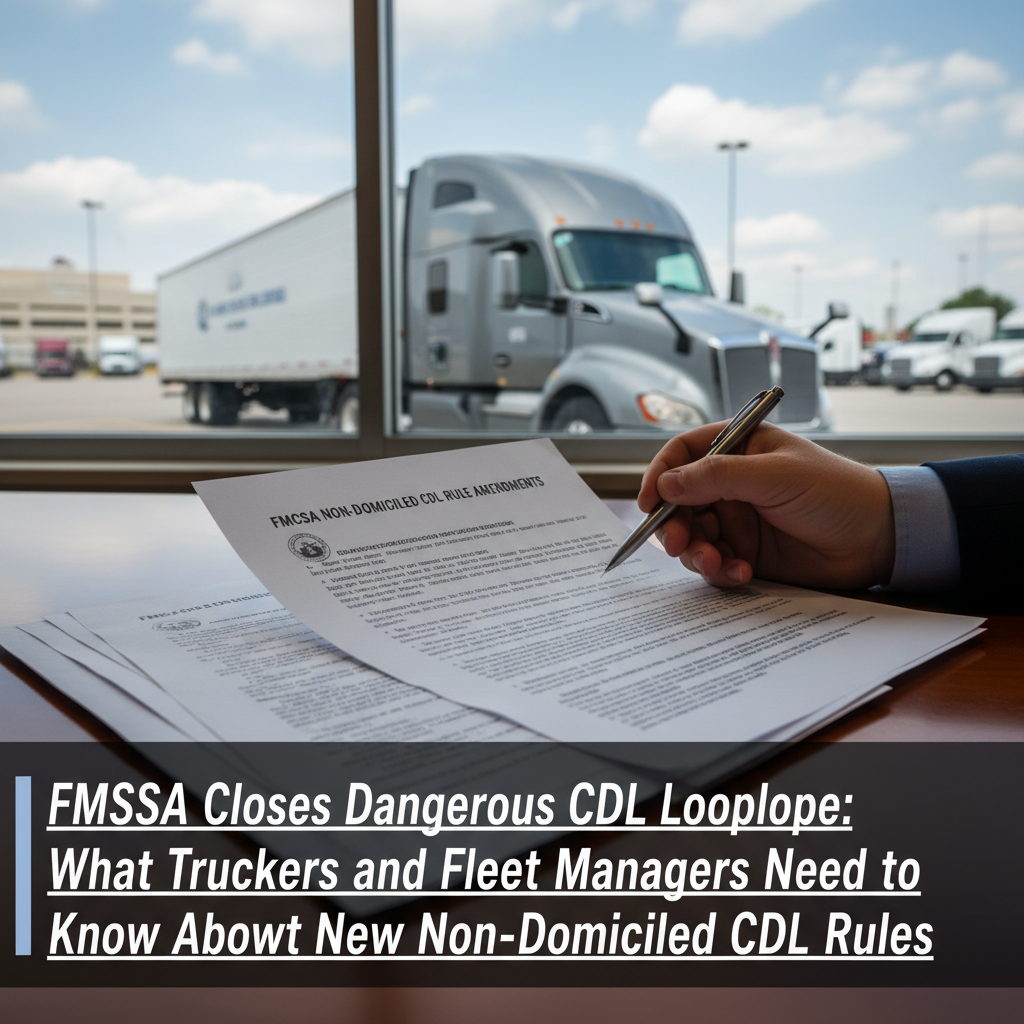
FMCSA Closes Dangerous CDL Loophole: What Truckers and Fleet Managers Need to Know About New Non-Domiciled CDL Rules
The FMCSA has closed a critical loophole in non-domiciled CDL issuance, ending the use of EADs as proof of eligibility and requiring stringent vetting. This move enhances highway safety, professionalizes the industry, and requires fleet managers to update hiring practices for compliance and risk mitigation.
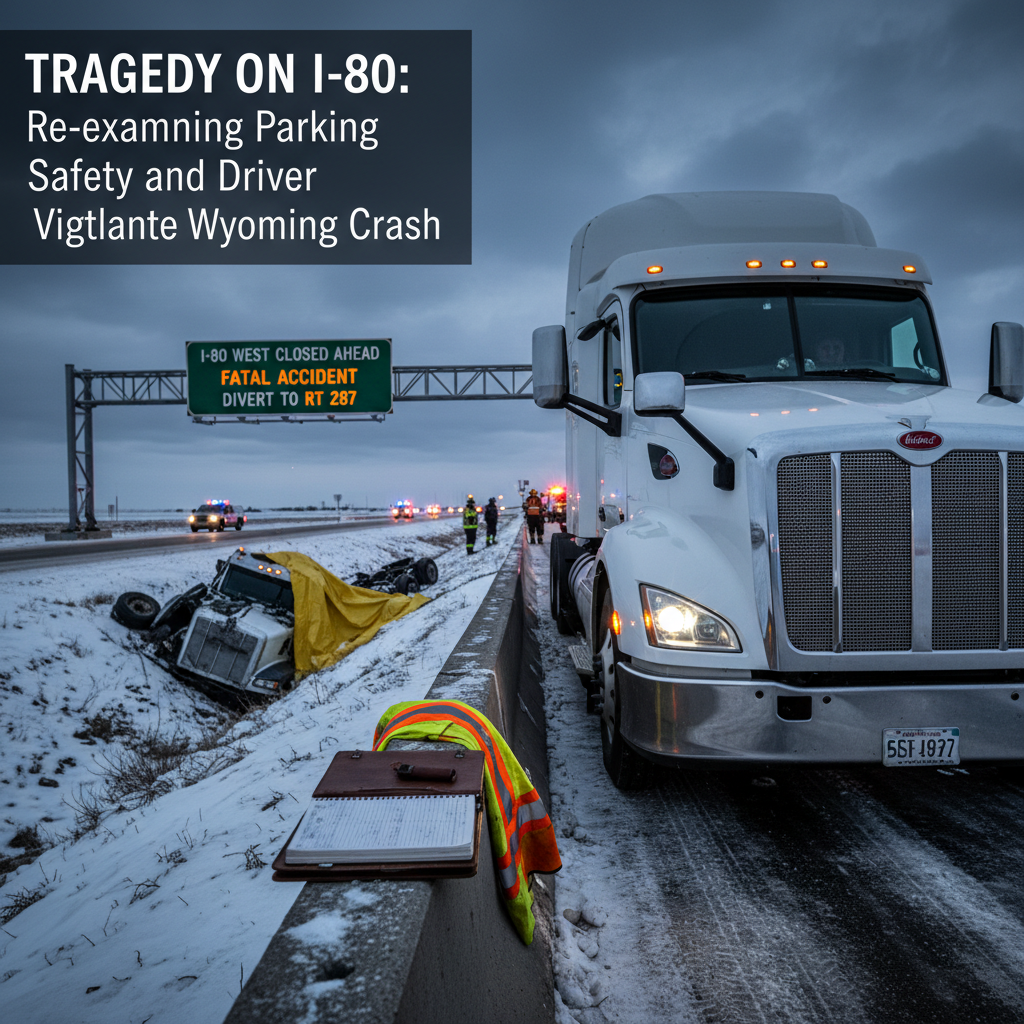
Tragedy on I-80: Re-examining Parking Safety and Driver Vigilance After Fatal Wyoming Crash
A tragic incident on I-80 in Wyoming, involving a semi-truck striking an illegally parked big rig, resulted in two fatalities. This event underscores the critical importance of safe parking practices and unwavering driver vigilance for CDL truck drivers and fleet managers. The ongoing investigation highlights the dangers of unauthorized roadside stops and the necessity of proactive safety measures to prevent future catastrophes.
Target's Supply Chain Overhaul: What 400 Job Cuts Mean for Trucking and Logistics
Target's recent elimination of 400 supply chain roles signals a strategic overhaul aimed at improving in-store customer experience and sales. This move has significant implications for the trucking industry, requiring CDL drivers and fleet managers to adapt to more agile, technology-driven logistics, potentially involving more frequent, time-sensitive deliveries and a greater focus on efficiency and data.
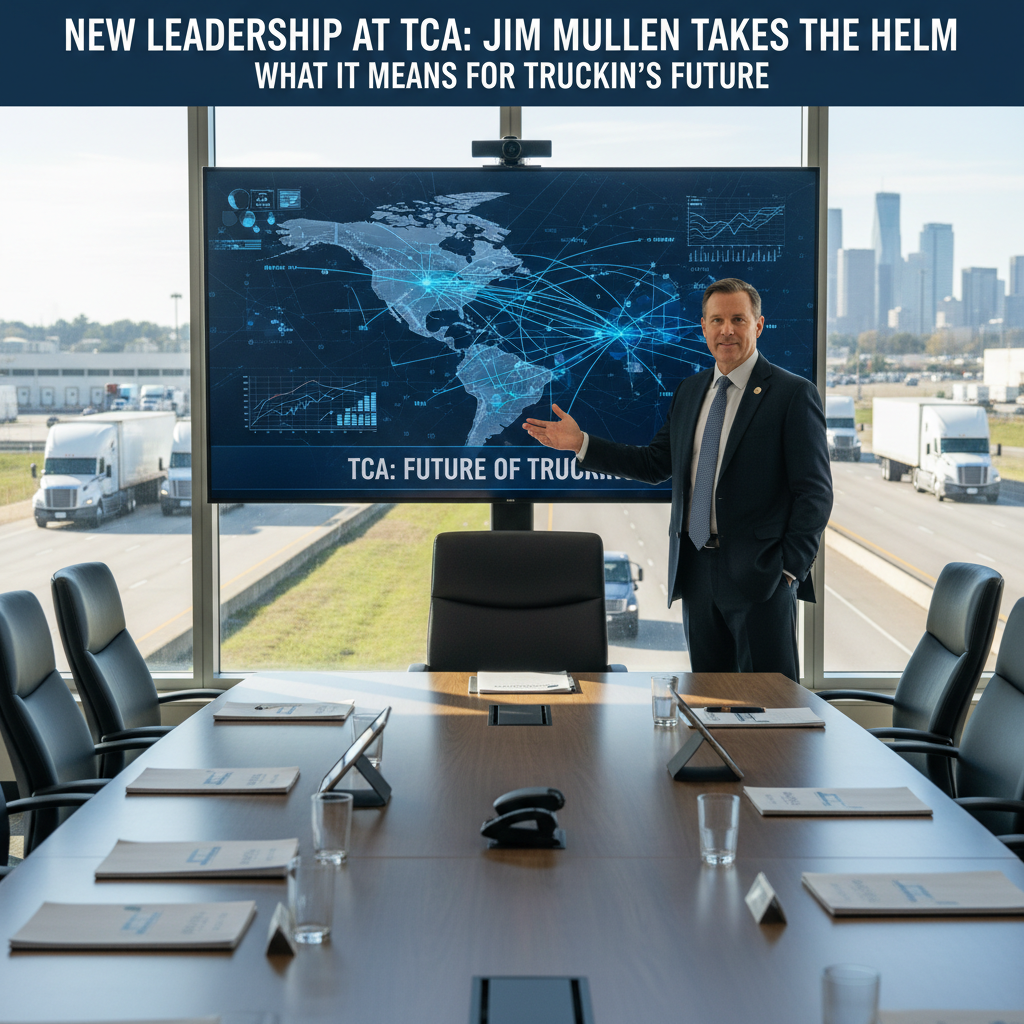
New Leadership at TCA: Jim Mullen Takes the Helm, What It Means for Trucking's Future
Jim Mullen, former interim head of the FMCSA and a seasoned industry veteran, is set to become the new president of the Truckload Carriers Association (TCA). His extensive background in regulatory affairs, autonomous trucking, and environmental advocacy positions him to address critical challenges facing CDL drivers and fleet managers. This leadership change is expected to strengthen the TCA's voice in shaping a safe, competitive, and sustainable future for the truckload industry.
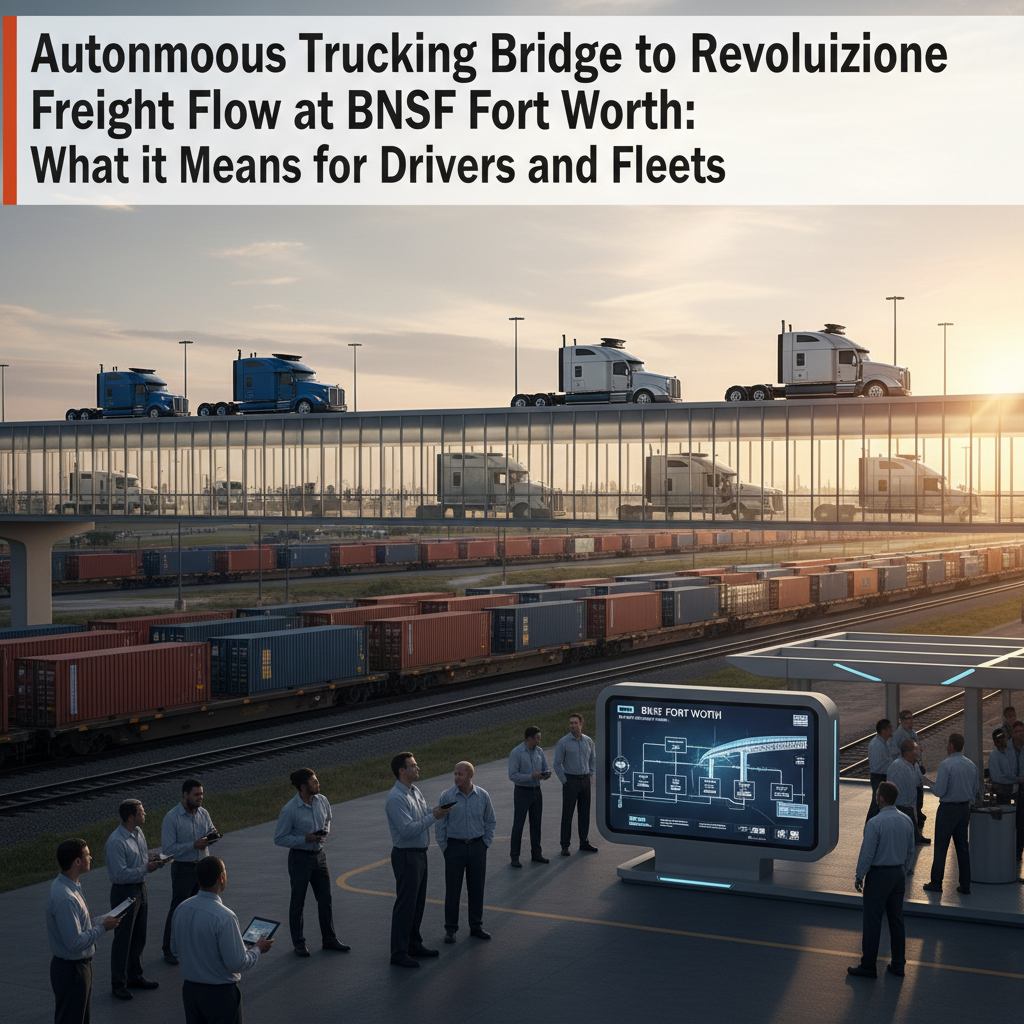
Autonomous Trucking Bridge to Revolutionize Freight Flow at BNSF Fort Worth: What it Means for Drivers and Fleets
A $20 million autonomous trucking bridge is set to connect a major BNSF intermodal facility with Alliance warehouses in Fort Worth, Texas, by late 2026. This three-lane, private bridge aims to significantly improve freight flow, reduce public road congestion, and integrate autonomous semi-truck operations. The project promises enhanced efficiency and predictability for CDL truck drivers and fleet managers alike.
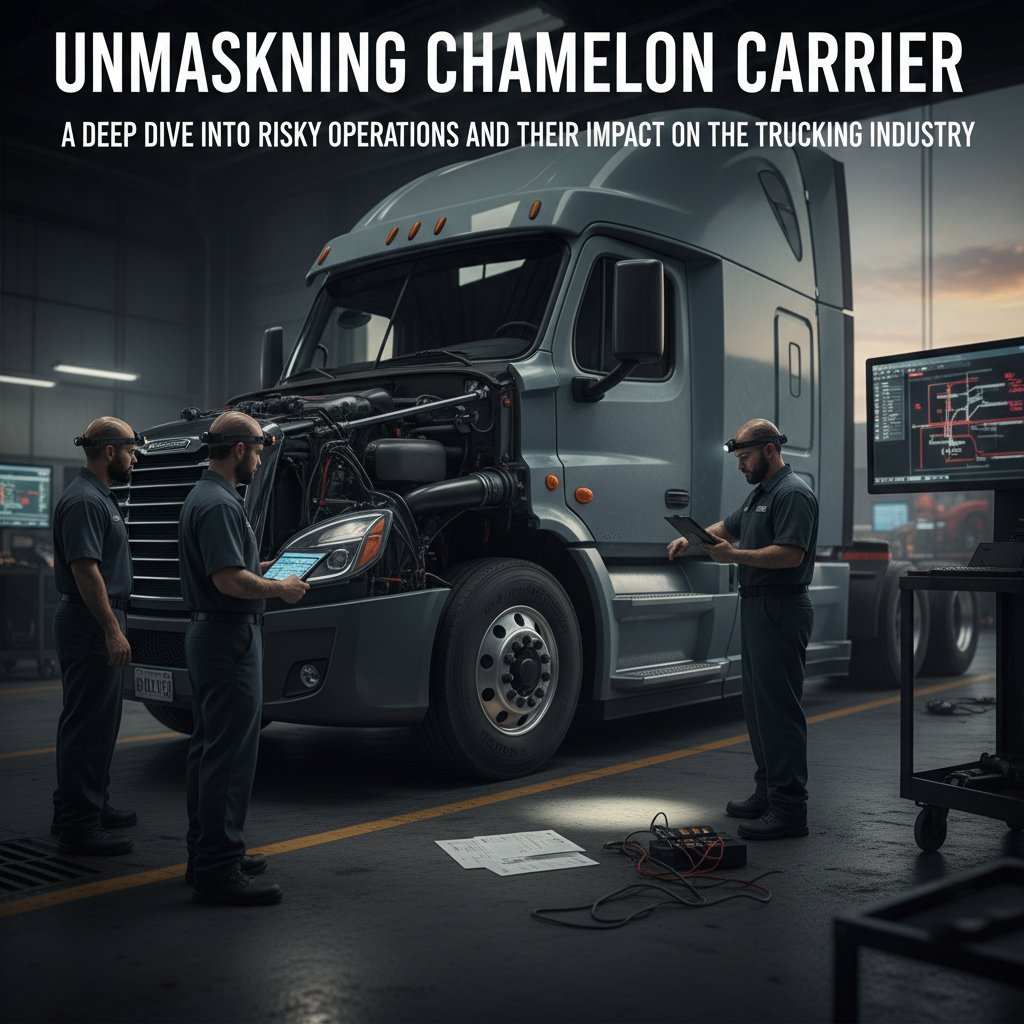
Unmasking the Chameleon Carrier: A Deep Dive into Risky Operations and Their Impact on the Trucking Industry
Chameleon carriers exploit regulatory loopholes and predatory lease models to operate dangerously, putting CDL drivers and public safety at risk. Understanding their tactics, from easy authority acquisition to driver exploitation, is crucial for drivers and fleet managers to protect themselves and the industry. Proactive due diligence and reporting suspicious activity are key to combating these unsafe operations.
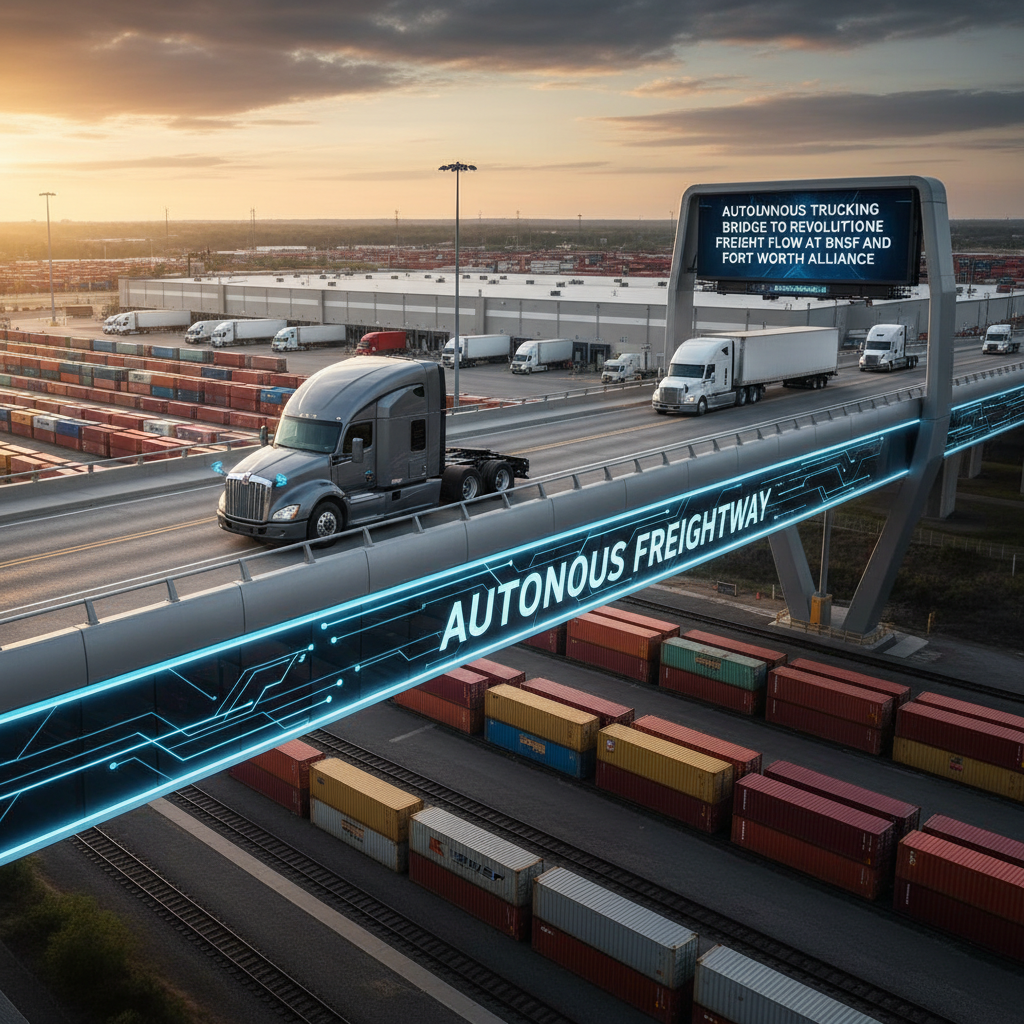
Autonomous Trucking Bridge to Revolutionize Freight Flow at BNSF and Fort Worth Alliance: What Drivers and Fleets Need to Know
A new $20 million autonomous trucking bridge is set to revolutionize freight movement between a major BNSF intermodal facility and Alliance warehouses in Fort Worth, Texas. Slated for completion by late 2026, this dedicated three-lane bridge will significantly improve efficiency and reduce public road congestion by creating a direct conduit for semi-trucks, including autonomous vehicles. This development signals a major step in integrating advanced automation into logistics, offering both challenges and opportunities for CDL truck drivers and fleet managers.

Walmart's $330 Million Robotics Overhaul in Louisiana: What It Means for Truck Drivers and Fleet Managers
Walmart's $330 million investment in its Opelousas, Louisiana distribution center, featuring advanced robotics, will significantly impact the trucking industry. This modernization aims to double traditional shipment capacity, leading to faster turnarounds for CDL drivers and increased freight opportunities for fleet managers in the Gulf South.
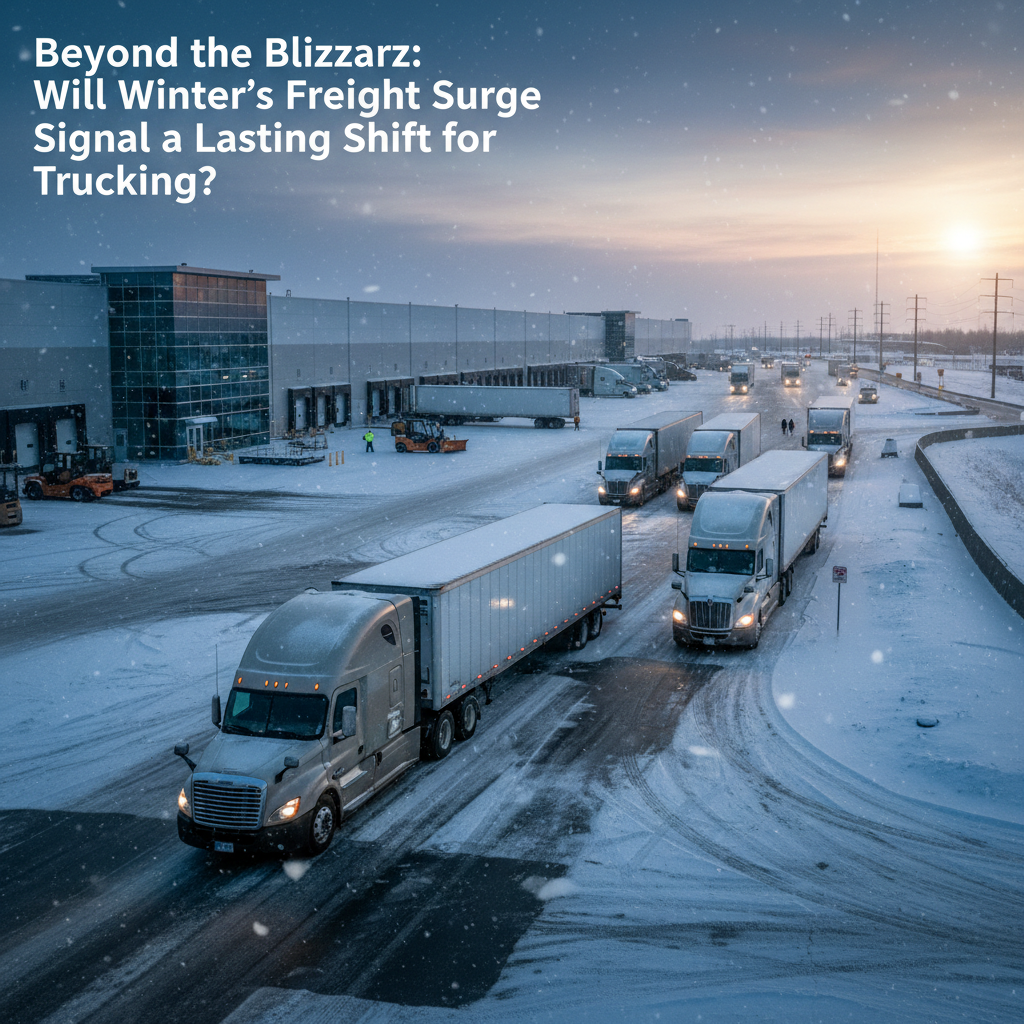
Beyond the Blizzard: Will Winter's Freight Surge Signal a Lasting Shift for Trucking?
A recent severe winter storm significantly disrupted the trucking industry, causing the Truckload Rejection Index (STRI) to surge. While a temporary event, analysis suggests this could indicate a lasting shift towards a tighter freight market with higher baseline demand, impacting both CDL drivers and fleet managers.
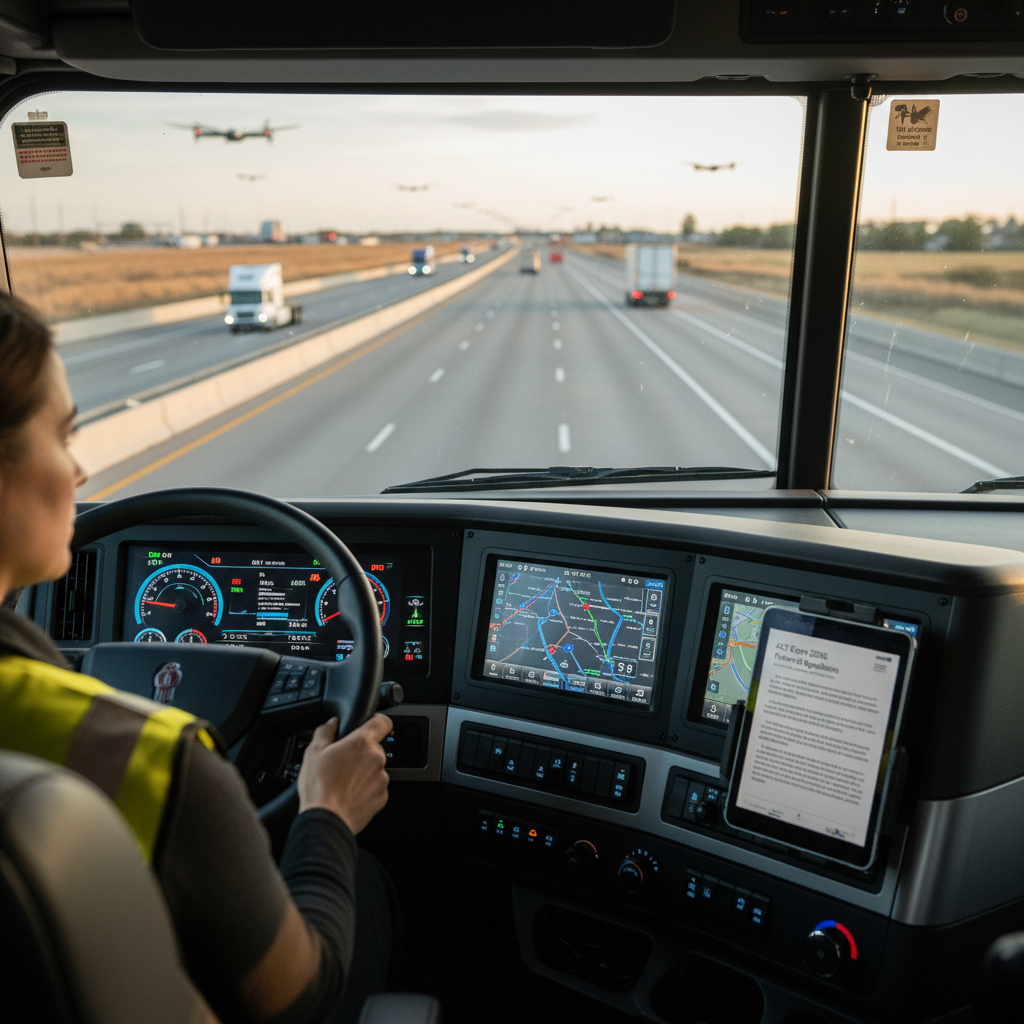
Navigating the Digital Highway: ACT Expo 2026 Unveils the Future for Truckers and Fleet Managers
ACT Expo 2026 in Las Vegas is set to be a pivotal event for the trucking industry, focusing on the digital transformation of commercial fleets. It will showcase how connected vehicles, advanced safety systems, and AI are enhancing efficiency and the driver experience. For CDL drivers and fleet managers, the expo offers crucial insights into navigating this technological evolution for a more productive and safer future.
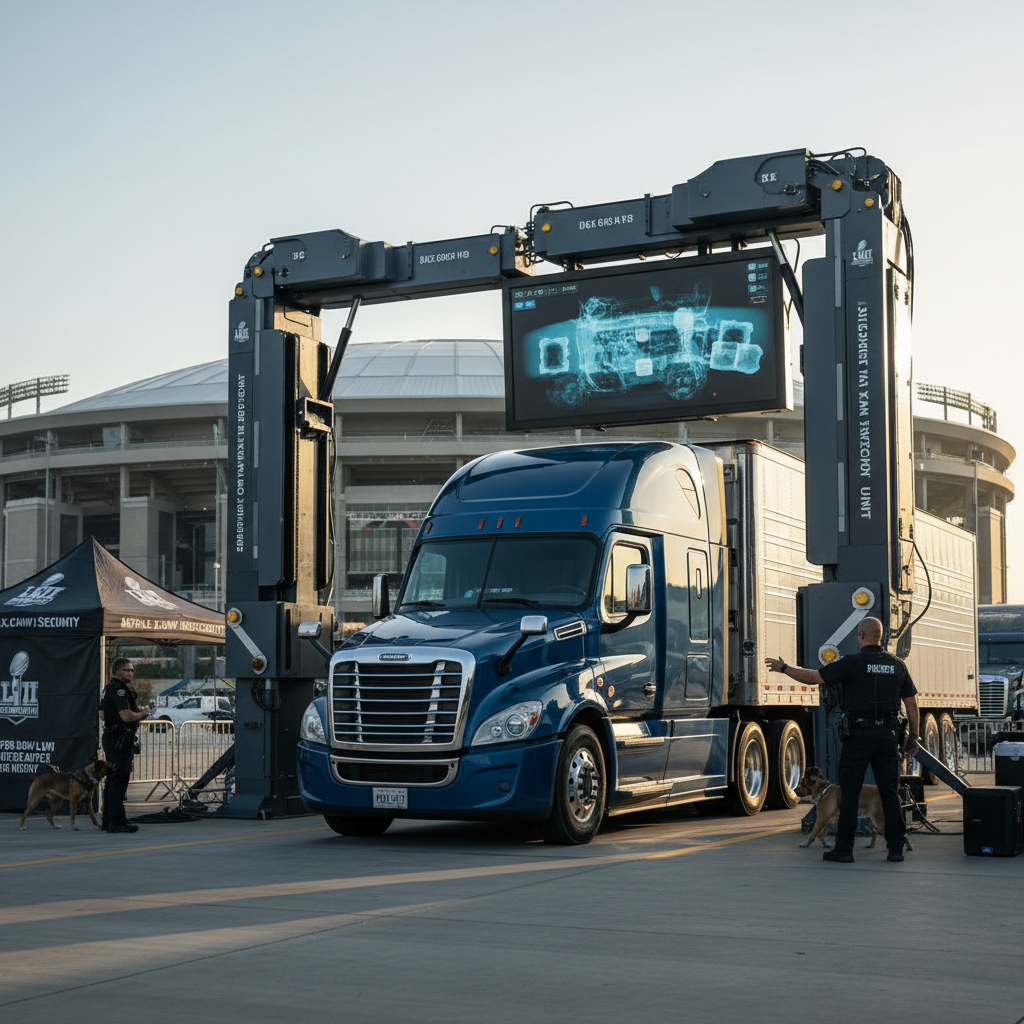
Super Bowl Security: How Mobile X-Ray Systems Scan Semi-Trucks for Contraband and Threats
U.S. Customs and Border Protection (CBP) utilized advanced mobile x-ray systems to scan semi-trucks delivering to the Super Bowl, highlighting stringent security measures. This Non-Intrusive Inspection (NII) technology detects contraband and threats without opening cargo, impacting logistics for CDL drivers and fleet managers. Understanding these protocols is crucial for efficient and secure operations in the trucking industry.
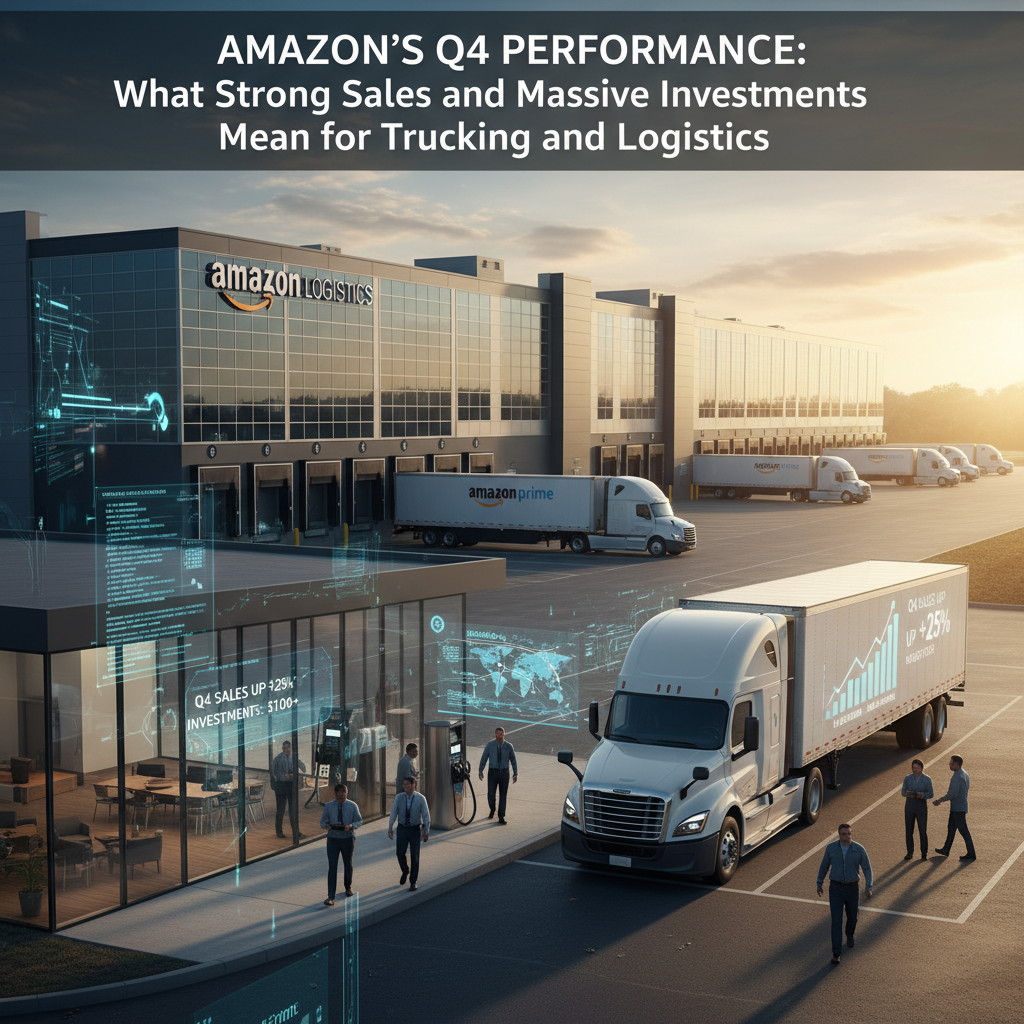
Amazon's Q4 Performance: What Strong Sales and Massive Investments Mean for Trucking and Logistics
Amazon reported strong Q4 sales but missed earnings expectations, while announcing a massive $200 billion capital investment in AI, robotics, and other advanced technologies. These strategic moves will significantly impact the trucking industry, driving demand for specialized freight and pushing for greater technological integration and efficiency across logistics networks.
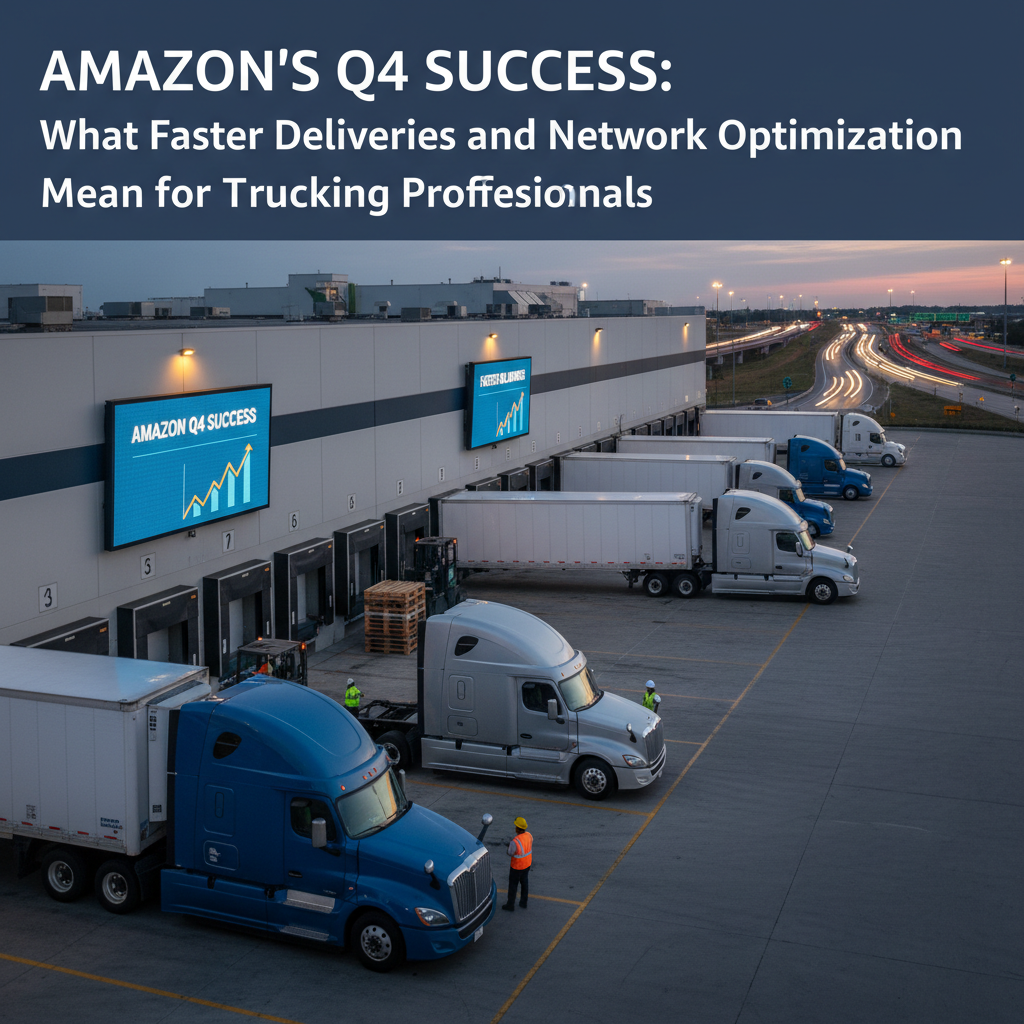
Amazon's Q4 Success: What Faster Deliveries and Network Optimization Mean for Trucking Professionals
Amazon's strong Q4 performance, driven by faster deliveries and optimized fulfillment, signals significant shifts and opportunities for the trucking industry. With massive capital expenditures planned, CDL drivers and fleet managers can expect increased demand for regional hauls and a continued emphasis on efficiency and speed in logistics.
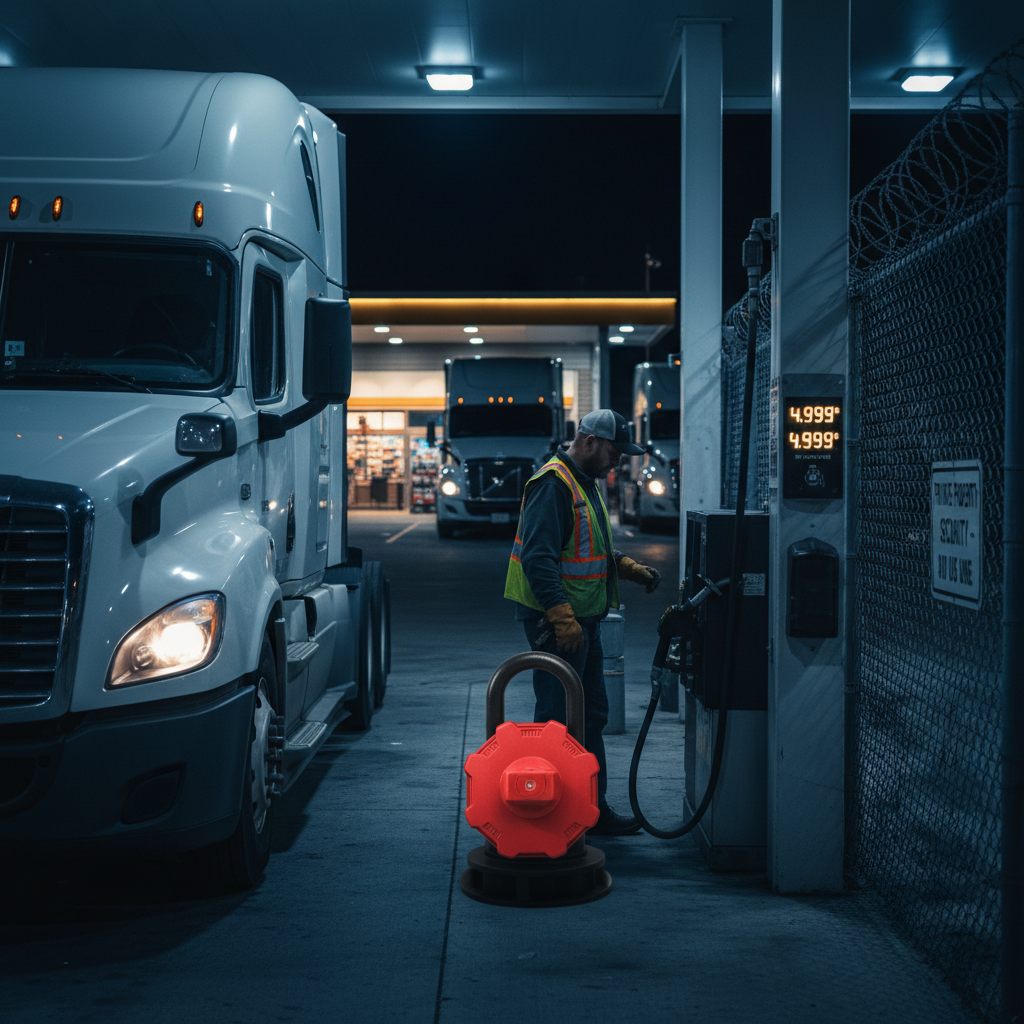
Unpacking the Multi-State Diesel Fuel Theft: What Truckers and Fleet Managers Need to Know About Protecting Their Operations
A recent arrest in Alabama has exposed a sophisticated multi-state diesel fuel theft ring, highlighting significant vulnerabilities for the trucking industry. This incident underscores the critical need for CDL drivers and fleet managers to implement robust security measures and maintain vigilance to protect their fuel assets and operational integrity.
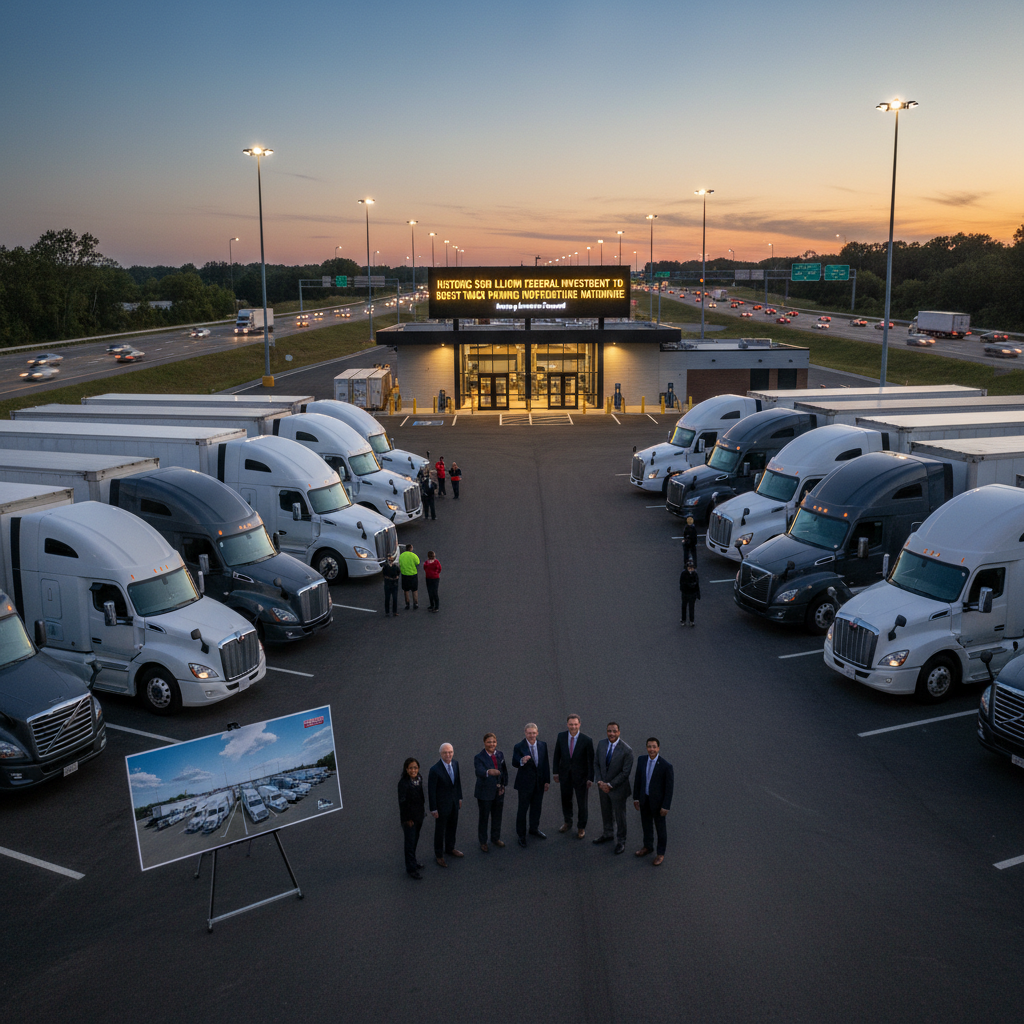
Historic $200 Million Federal Investment to Boost Truck Parking Infrastructure Nationwide
A historic $200 million federal funding package has been approved to expand and improve truck parking facilities nationwide, addressing a critical shortage that impacts driver safety and operational efficiency. This marks the first time such a substantial sum has been dedicated to this pressing issue, promising significant relief for CDL drivers and fleet managers.
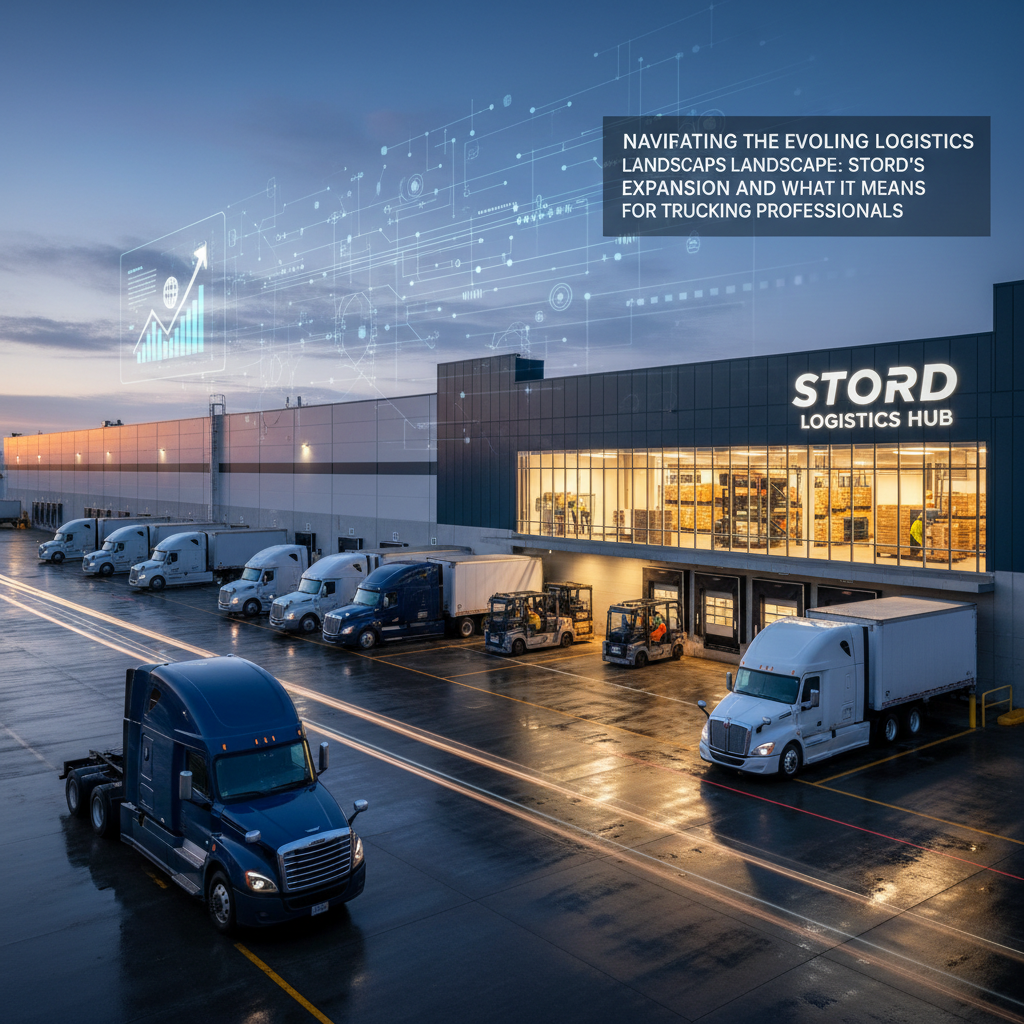
Navigating the Evolving Logistics Landscape: Stord's Expansion and What it Means for Trucking Professionals
Quiet Logistics is dismantling operations, transferring its Dallas warehouse and customers to Stord, a rapidly expanding omnichannel fulfillment provider. This move signals a shift towards integrated, technology-driven logistics, impacting freight patterns and creating new opportunities for CDL truck drivers and fleet managers.
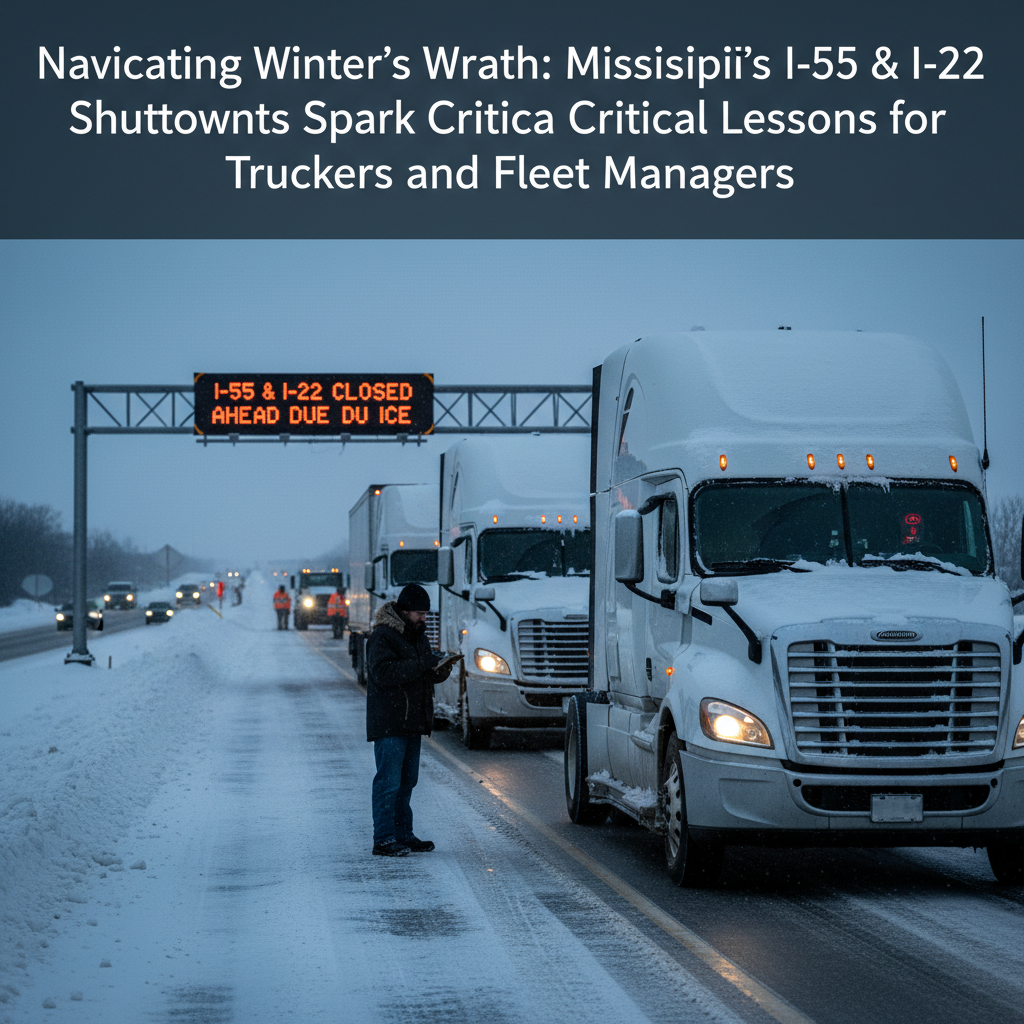
Navigating Winter's Wrath: Mississippi's I-55 & I-22 Shutdowns Spark Critical Lessons for Truckers and Fleet Managers
Recent interstate shutdowns in Northern Mississippi due to a winter storm have prompted the Transportation Commissioner to take responsibility for resource allocation issues. This incident highlights critical lessons for CDL truck drivers and fleet managers on navigating severe weather, emphasizing proactive planning, driver preparedness, and robust communication to ensure safety and supply chain resilience.
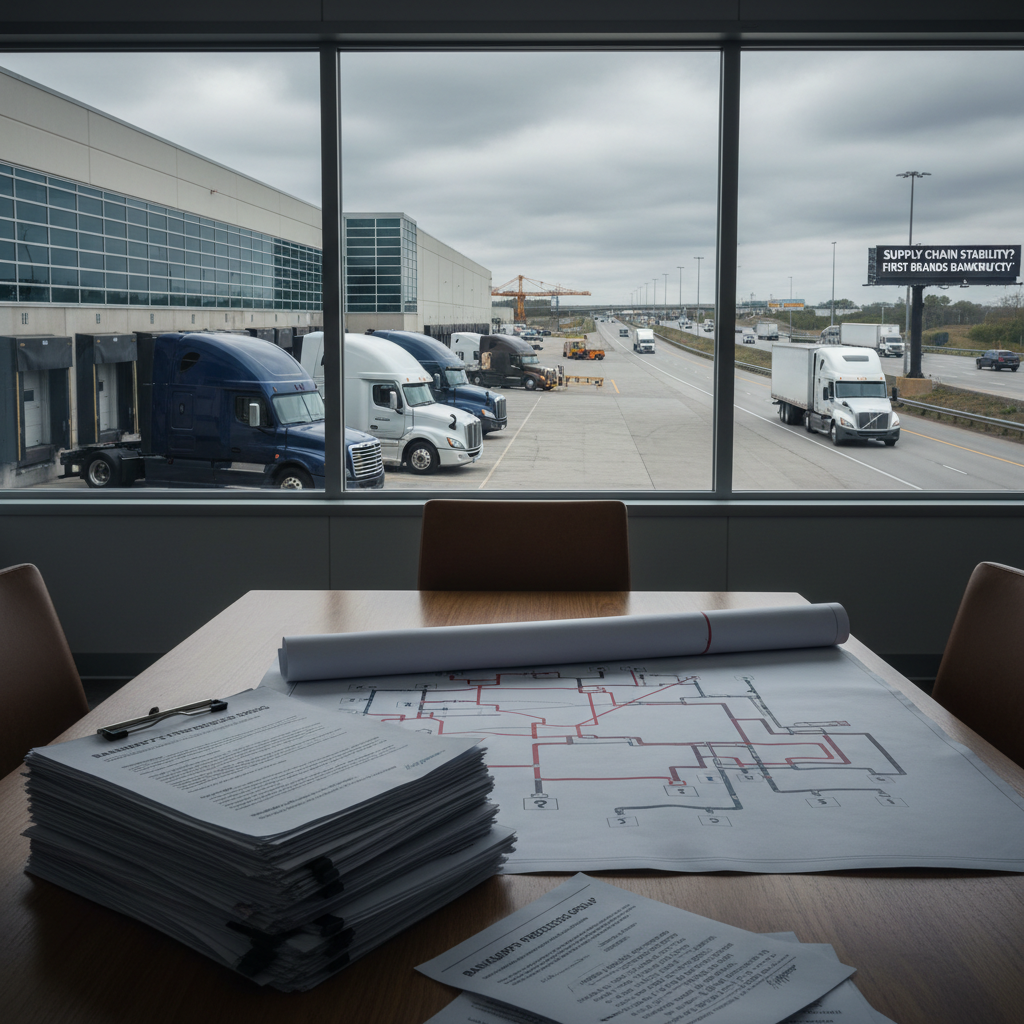
First Brands Group Bankruptcy: What Trucking Professionals Need to Know About Supply Chain Stability
First Brands Group, a major auto parts manufacturer, is in bankruptcy mediation, potentially leading to a shutdown. This situation poses significant supply chain risks for CDL truck drivers and fleet managers, impacting parts availability and operational stability. Proactive strategies like supplier diversification and diligent maintenance are crucial to navigate these challenges.

Navigating Texas's Freight Future: SH 130 Offers a Congestion-Free Alternative to I-35 for Cross-Border Trucking
As I-35 congestion worsens, SH 130 is actively courting cross-border truck traffic, offering a faster, more reliable alternative for freight moving through Central Texas. With significant time savings and new incentives, this toll road aims to alleviate bottlenecks and enhance efficiency for CDL drivers and fleet managers navigating the critical U.S.-Mexico trade corridor.
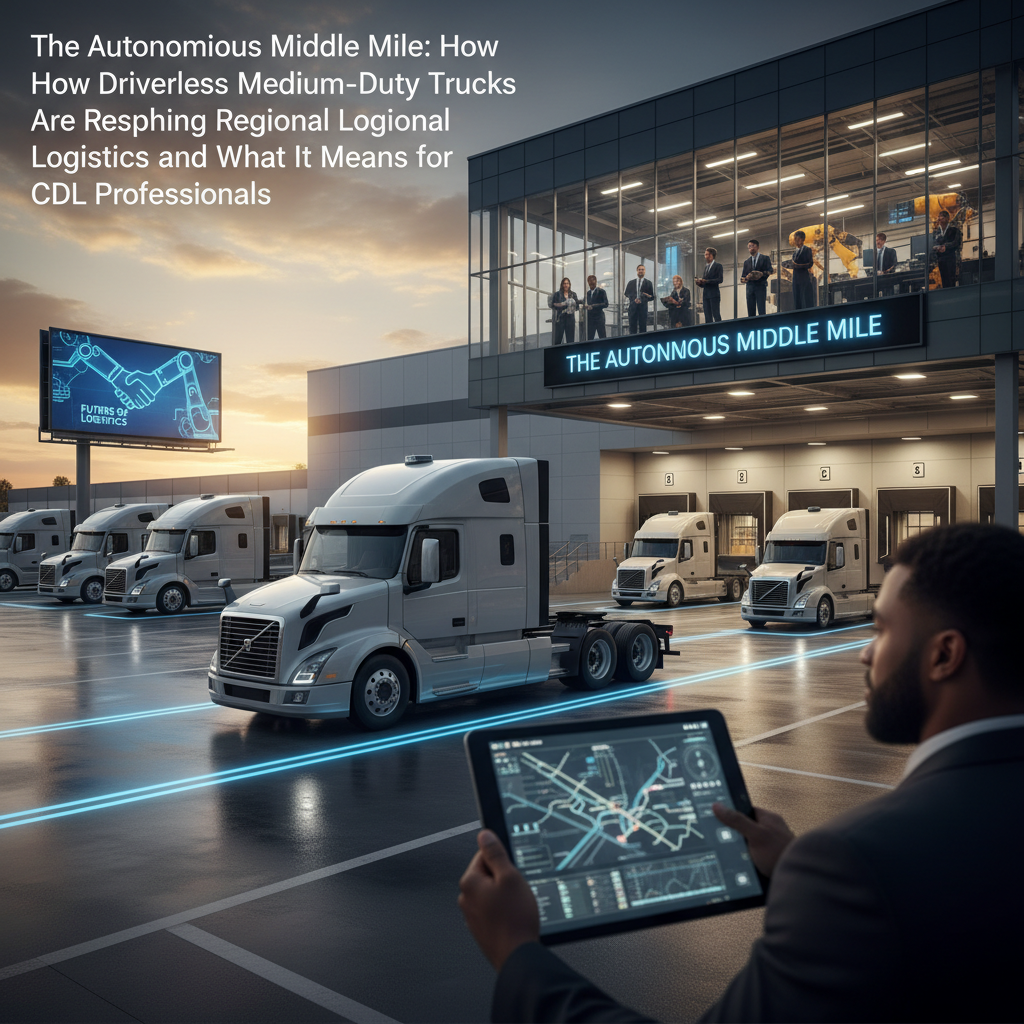
The Autonomous Middle Mile: How Driverless Medium-Duty Trucks Are Reshaping Regional Logistics and What It Means for CDL Professionals
Autonomous medium-duty trucks are now operating 24/7 without human drivers in Texas, Arizona, and Arkansas, marking a critical shift in regional logistics. Companies like Gatik have secured $600 million in contracted revenue for these driverless middle-mile deliveries, proving the commercial viability of the technology. This development necessitates adaptation for CDL drivers, who will likely transition to specialized roles, and requires fleet managers to strategically integrate autonomous fleets for maximum operational efficiency.
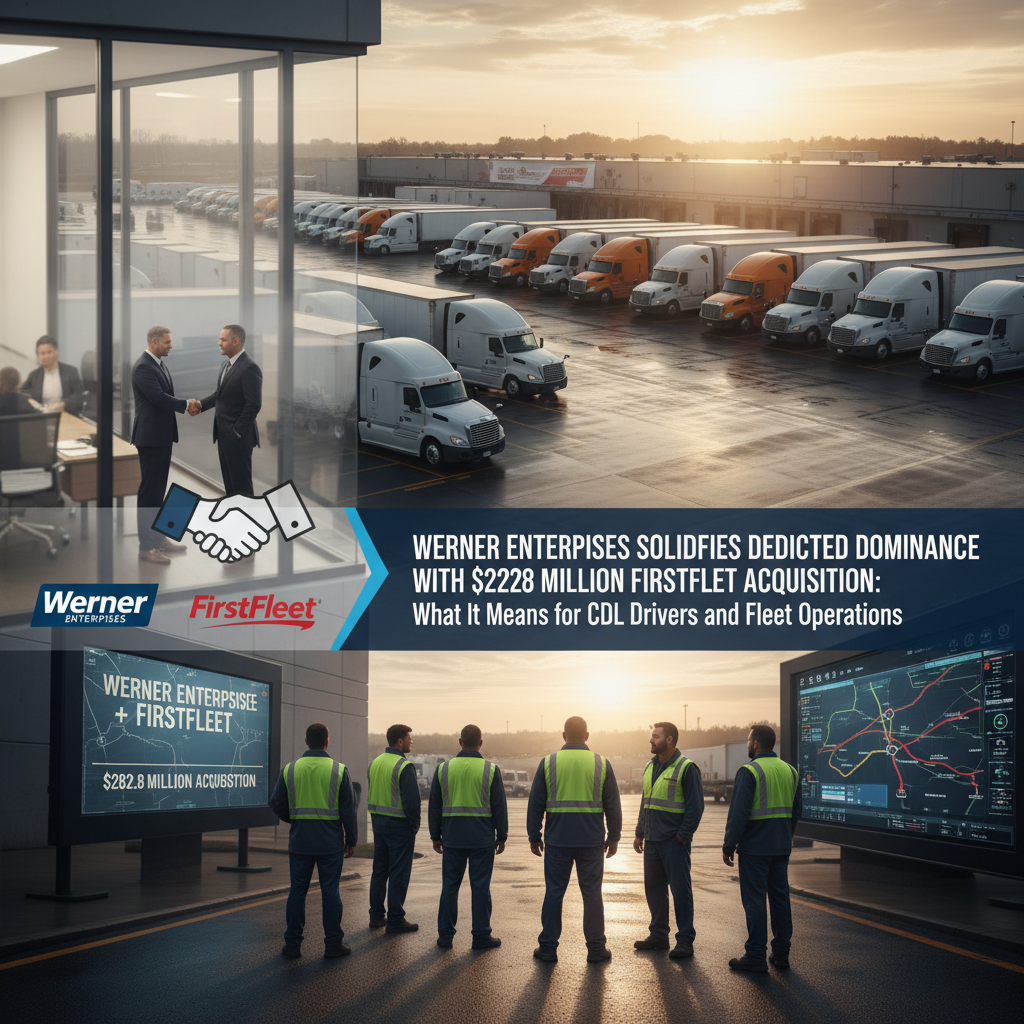
Werner Enterprises Solidifies Dedicated Dominance with $282.8 Million FirstFleet Acquisition: What It Means for CDL Drivers and Fleet Operations
Werner Enterprises acquired dedicated carrier FirstFleet for $282.8 million, significantly boosting its dedicated revenue by 50% and positioning the combined entity as the fifth-largest dedicated carrier in the U.S. This strategic acquisition adds 2,400 tractors and 11,000 trailers, enhancing Werner's network density in resilient sectors like groceries and consumer goods, offering increased stability and job security for CDL drivers and optimizing fleet operations.

Schneider Shifts Gears: Leadership Transition Signals Focus on Dedicated Freight, Intermodal Expansion, and Driver Support
Schneider announced a key leadership transition, with CEO Mark Rourke moving to Executive Chairman and Jim Filter, a 27-year veteran, taking the CEO role. This strategic shift signals a continued strong focus on expanding the Dedicated and Intermodal divisions, investing in driver-focused technology, and ensuring stable operational growth within the competitive freight market.
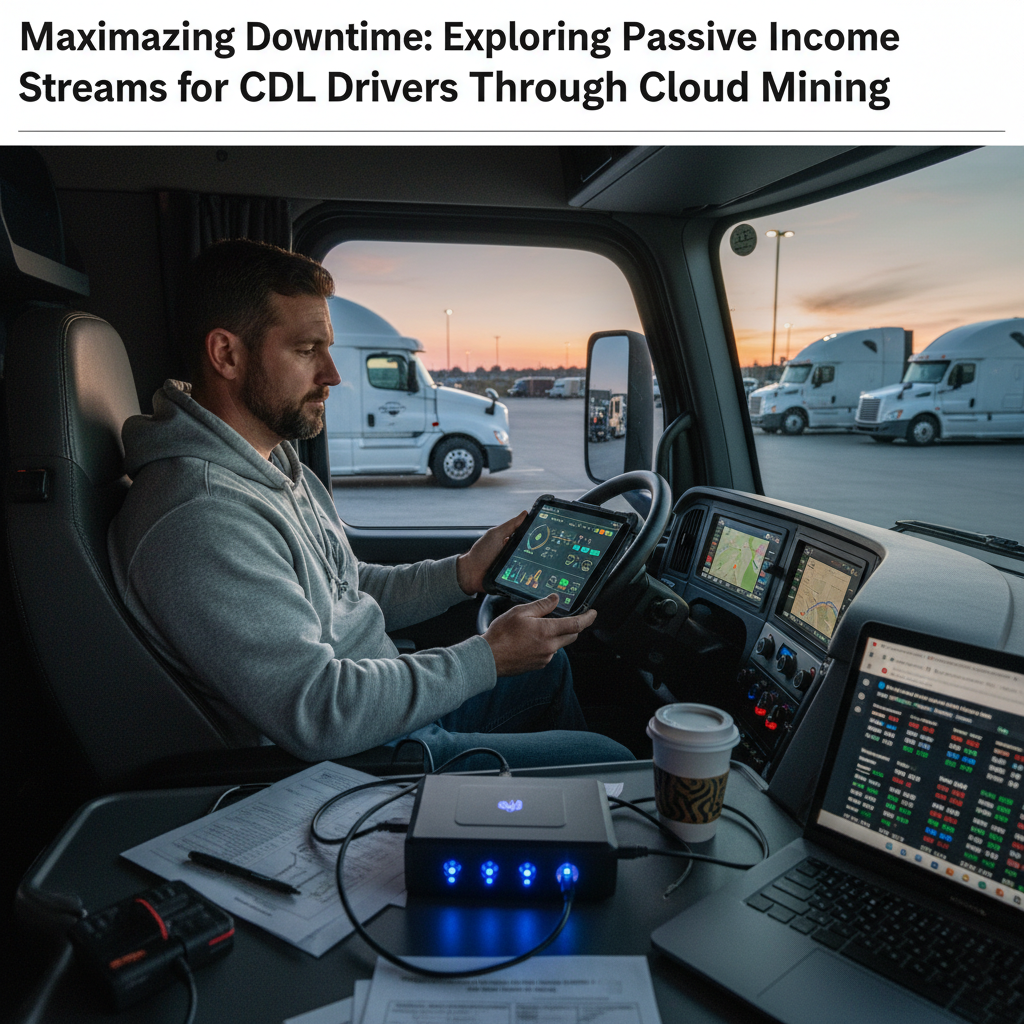
Maximizing Downtime: Exploring Passive Income Streams for CDL Drivers Through Cloud Mining
CDL truck drivers and fleet managers can leverage compliant cloud mining platforms to generate passive income, turning unavoidable downtime into earning time. This hands-off approach provides a crucial financial safety net and diversifies income without interfering with demanding driving schedules or requiring technical expertise, all while adhering to strict regulatory compliance.

Federal Funding Showdown: How a Government Shutdown Over Immigration Policy Could Cripple Trucking Operations and Supply Chain Stability
A high-stakes political standoff over federal funding, particularly concerning the Department of Homeland Security and immigration enforcement, threatens a government shutdown. For the trucking industry, this means potential crippling delays at borders, stalled regulatory services from the FMCSA, and major financial uncertainty for CDL drivers due to increased detention time and licensing backlogs. Carriers must implement proactive contingency plans, prioritizing credential renewals and enhancing communication to mitigate operational disruptions.
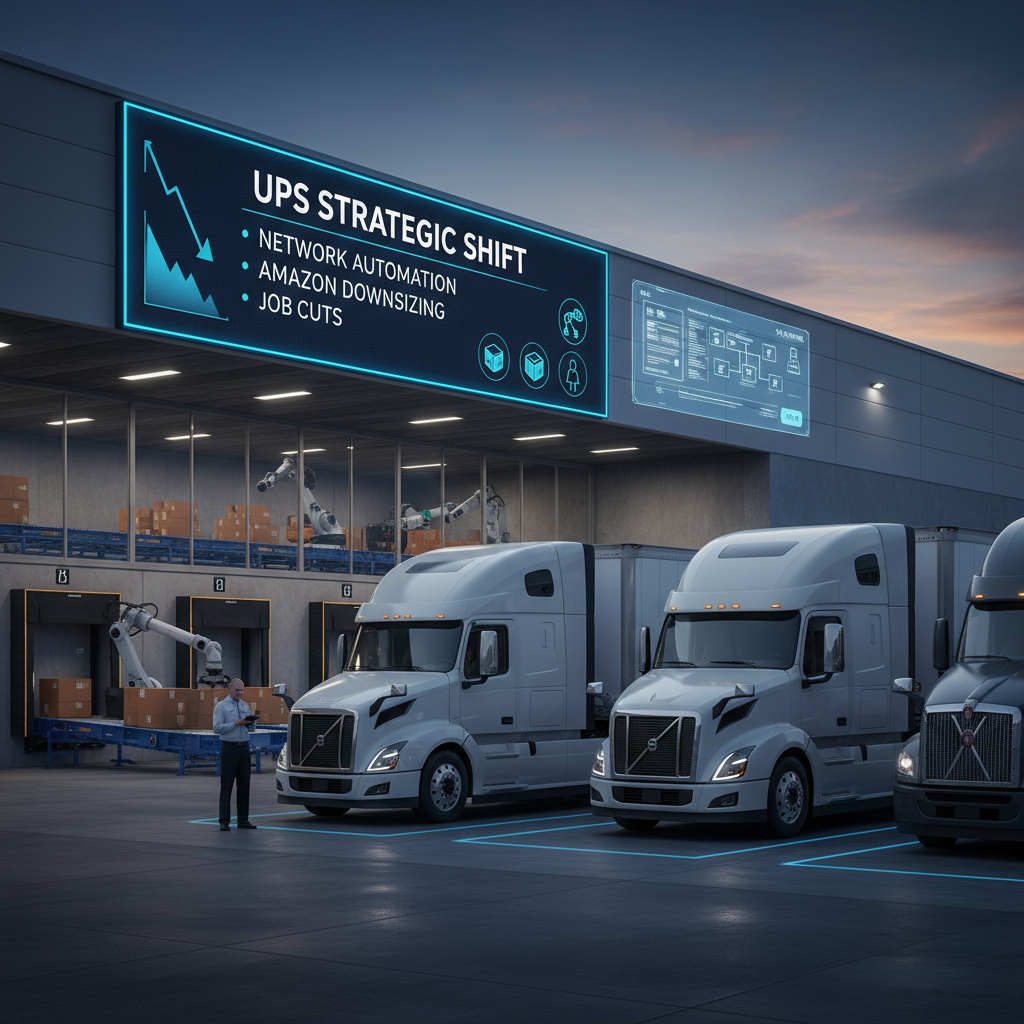
UPS Strategic Shift: How Network Automation, Amazon Downsizing, and Job Cuts Impact the Trucking Landscape
UPS is undergoing a massive strategic overhaul, shedding low-margin Amazon volume, eliminating 30,000 jobs through attrition and buyouts, and closing dozens of non-automated facilities to achieve higher profitability by 2026. This shift toward network automation and efficiency has significant implications for CDL truck drivers and fleet managers, demanding greater technological integration and a focus on high-value freight across the logistics sector.
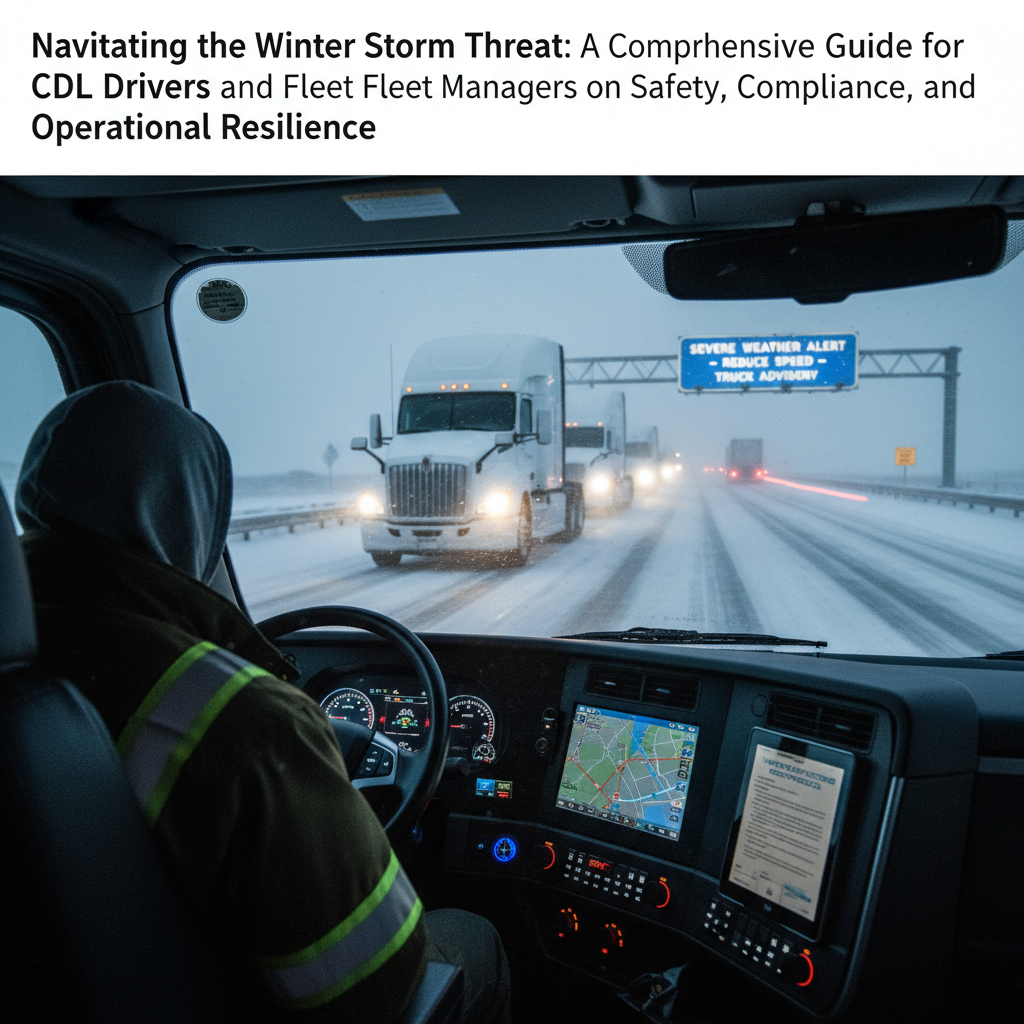
Navigating the Winter Storm Threat: A Comprehensive Guide for CDL Drivers and Fleet Managers on Safety, Compliance, and Operational Resilience
As major winter storms approach, CDL drivers and fleet managers face critical decisions regarding safety, compliance, and operational continuity. This guide provides comprehensive strategies for proactive planning, ensuring vehicles are winterized, adhering to strict commercial vehicle travel bans and chain laws, and prioritizing driver safety over delivery pressure to maintain supply chain resilience.
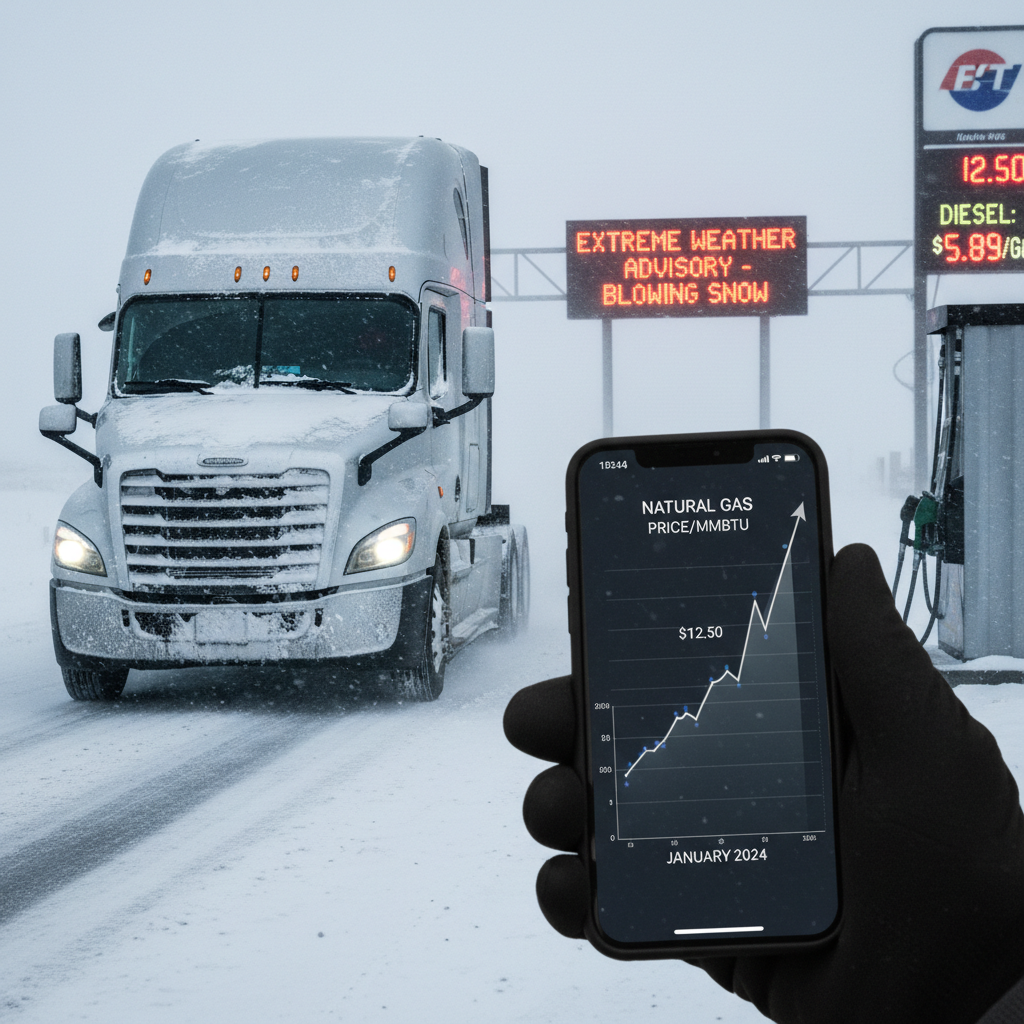
Arctic Blast and Natural Gas Price Surge: Navigating Extreme Winter Weather Impacts on Trucking Operations and Fuel Costs
A historic surge in US natural gas prices, driven by an impending Arctic blast, signals significant operational challenges and cost increases for the trucking industry. Fleet managers and CDL drivers must implement rigorous cold-weather protocols, adjust route planning, and prepare for potential fuel supply disruptions caused by freeze-offs and soaring energy demand.
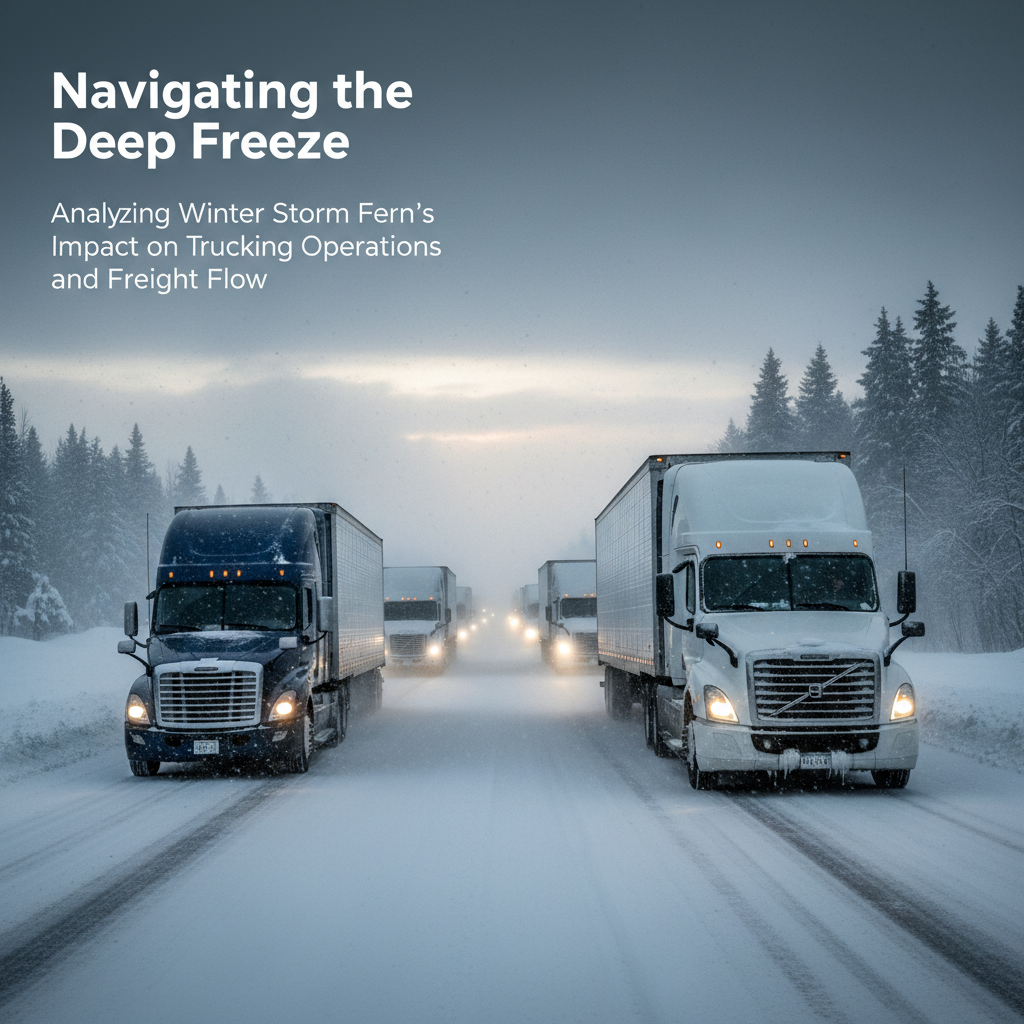
Navigating the Deep Freeze: Analyzing Winter Storm Fern’s Impact on Trucking Operations and Freight Flow
Winter Storm Fern caused significant disruption across the Southeast and Midwest, forcing major closures on I-70 and I-40, and paralyzing freight hubs in Louisville and Memphis. For CDL drivers and fleet managers, this event underscored the critical need for proactive safety measures, real-time weather monitoring, and robust contingency planning to manage route closures and hub shutdowns effectively.
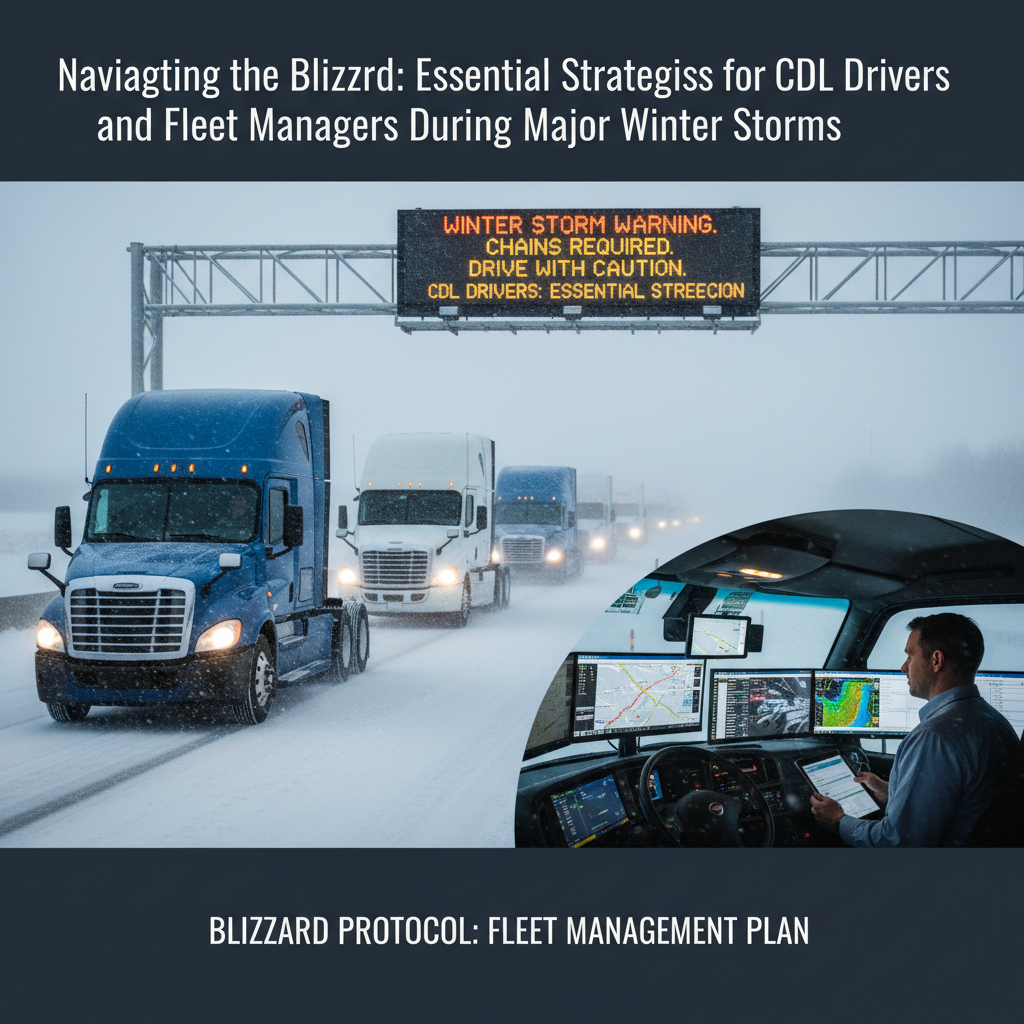
Navigating the Blizzard: Essential Strategies for CDL Drivers and Fleet Managers During Major Winter Storms
A massive winter storm is set to impact millions, prompting intense discussions among CDL drivers and fleet managers regarding safety protocols and operational continuity. Proactive preparation, clear communication between dispatch and drivers, and strict adherence to state travel bans are essential strategies for mitigating risks and ensuring driver safety during this significant weather event.
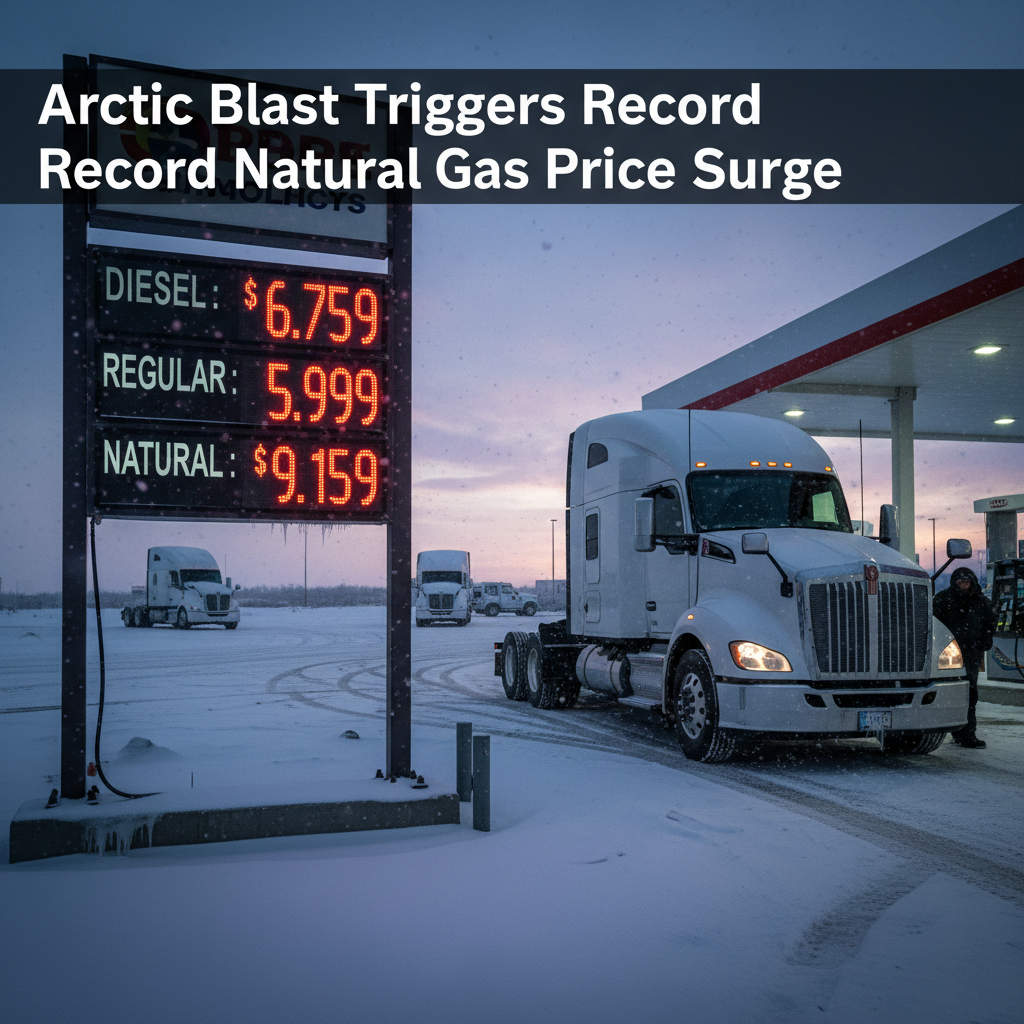
Arctic Blast Triggers Record Natural Gas Price Surge: What the Extreme Cold Means for Trucking Operations and Fuel Costs
A historic Arctic blast has caused U.S. natural gas prices to surge by a record 70%, threatening supply stability and driving up operational costs for the trucking industry. This volatility impacts LNG fleets directly and raises diesel prices indirectly due to infrastructure strain, requiring CDL drivers and fleet managers to implement rigorous safety protocols and financial contingency plans.
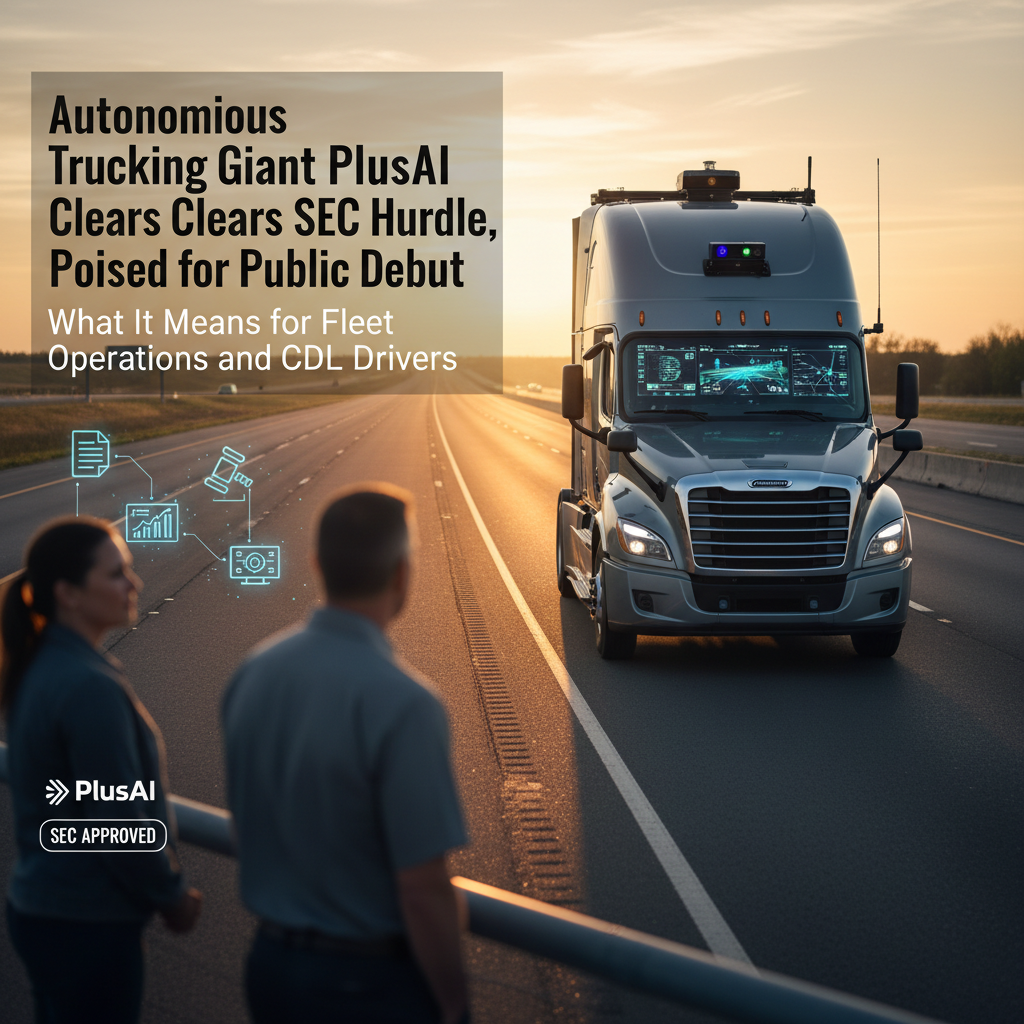
Autonomous Trucking Giant PlusAI Clears SEC Hurdle, Poised for Public Debut: What It Means for Fleet Operations and CDL Drivers
Autonomous trucking firm PlusAI has cleared the SEC hurdle for its SPAC merger with Churchill Capital Corp IX, positioning the company for a public debut in February 2026. This financial milestone accelerates the timeline for commercializing Level 4 autonomous technology, which PlusAI targets for customer availability in 2027. The move signals profound changes for fleet operations, emphasizing enhanced safety metrics and efficiency, while redefining the indispensable role of the CDL professional.
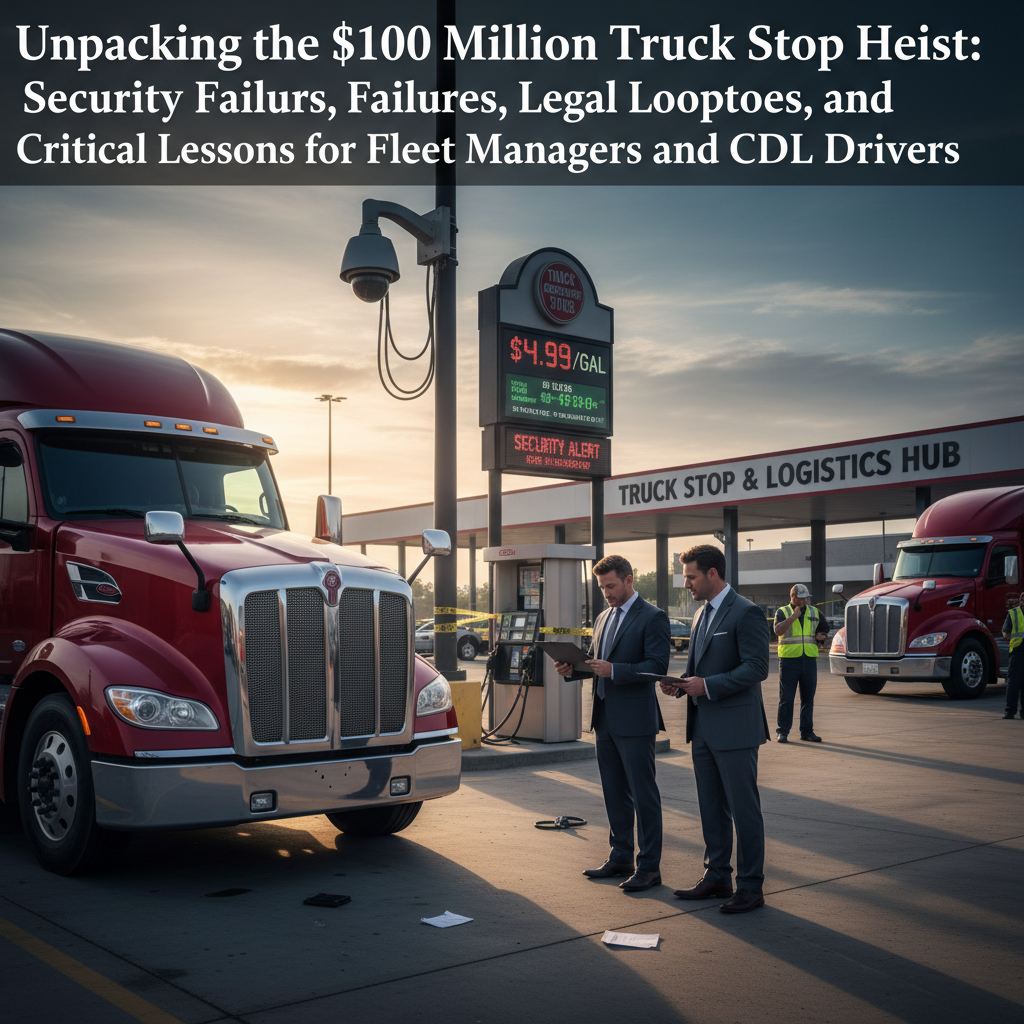
Unpacking the $100 Million Truck Stop Heist: Security Failures, Legal Loopholes, and Critical Lessons for Fleet Managers and CDL Drivers
A massive 2022 jewelry heist involving a Brinks tractor-trailer at a Flying J truck stop, where $100 million in valuables were stolen from an unguarded vehicle, has seen its prosecution complicated after one of the seven defendants was deported. This incident serves as a critical warning for CDL drivers and fleet managers regarding the severe security risks associated with leaving high-value loads unattended at public truck stops, underscoring the need for rigorous security protocols and enhanced driver vigilance.
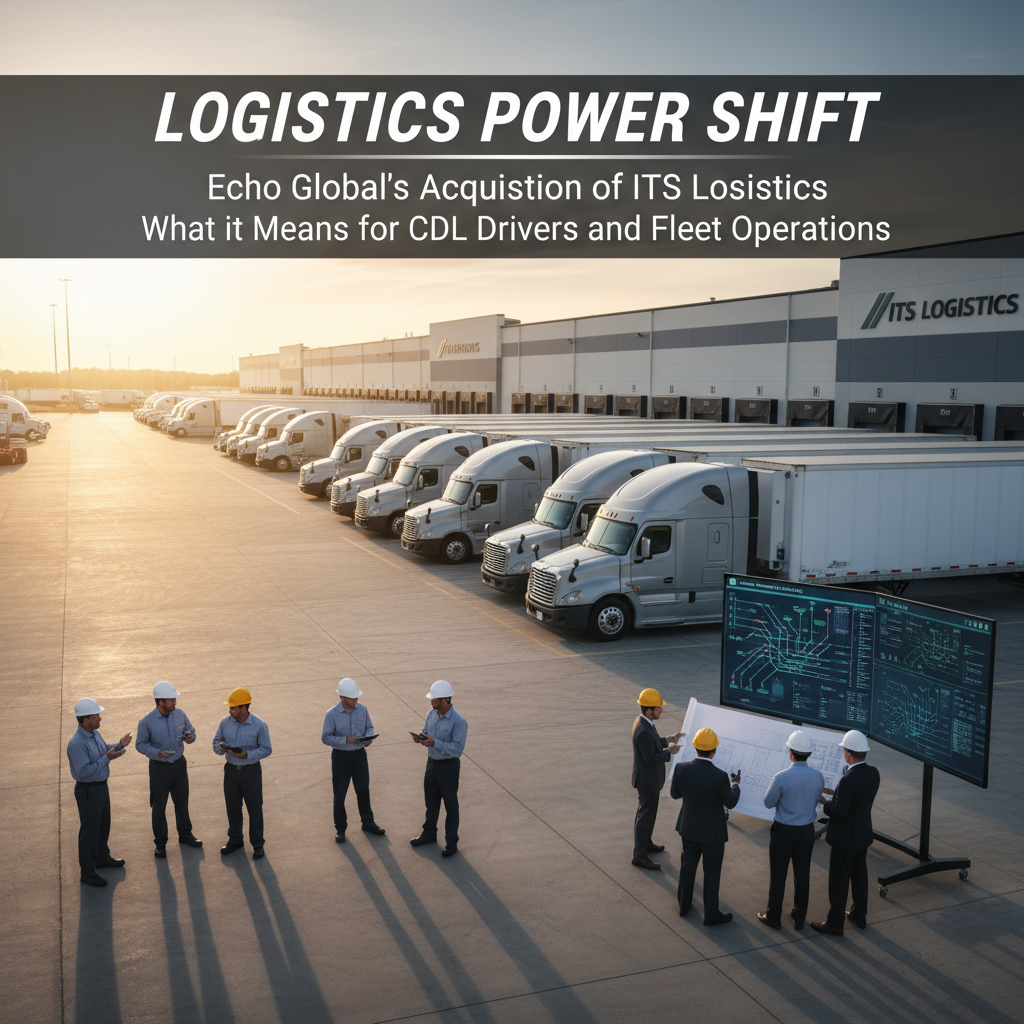
Logistics Power Shift: What Echo Global's Acquisition of ITS Logistics Means for CDL Drivers and Fleet Operations
Echo Global Logistics is acquiring ITS Logistics, creating a $5.4 billion logistics powerhouse that will significantly boost scale in brokerage, dedicated capacity, and multimodal services. This merger promises increased efficiency for CDL drivers through expanded drop-and-hook programs like DropFleet and offers fleet managers advanced technology and stable capacity solutions.
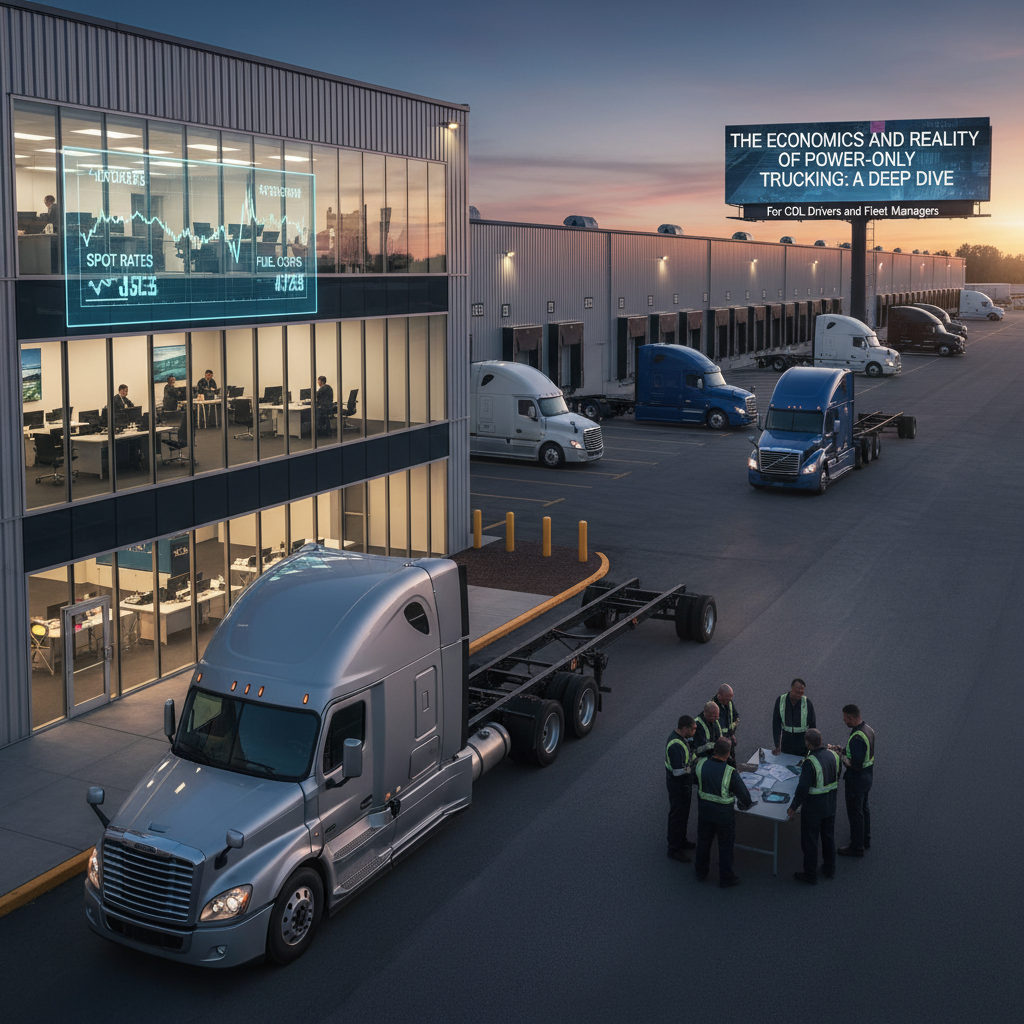
The Economics and Reality of Power-Only Trucking: A Deep Dive for CDL Drivers and Fleet Managers
Power-only trucking, which separates the tractor from the trailer, provides crucial flexibility and scalability for fleet managers but introduces unique safety and liability challenges for CDL drivers. Understanding the economics and operational risks, particularly concerning pre-trip inspections and insurance clarity, is essential for maximizing efficiency and maintaining compliance in this specialized freight model.
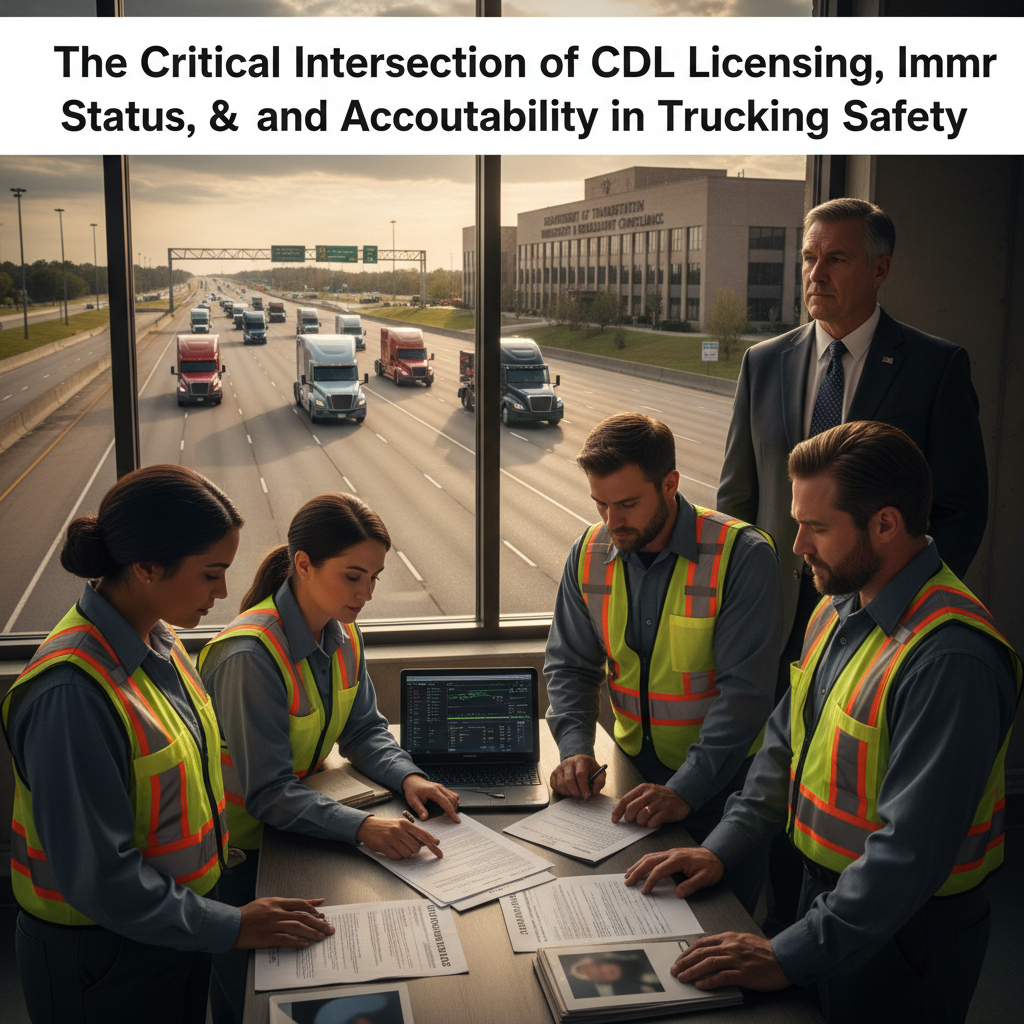
The Critical Intersection of CDL Licensing, Immigration Status, and Accountability in Trucking Safety
A fatal crash involving an illegal immigrant truck driver has exposed critical gaps in CDL licensing and state enforcement protocols. The victim's family is struggling to find legal representation willing to sue the states of California and Washington, highlighting the immense complexity of challenging government accountability and sovereign immunity laws in cases involving regulatory failure and immigration status.
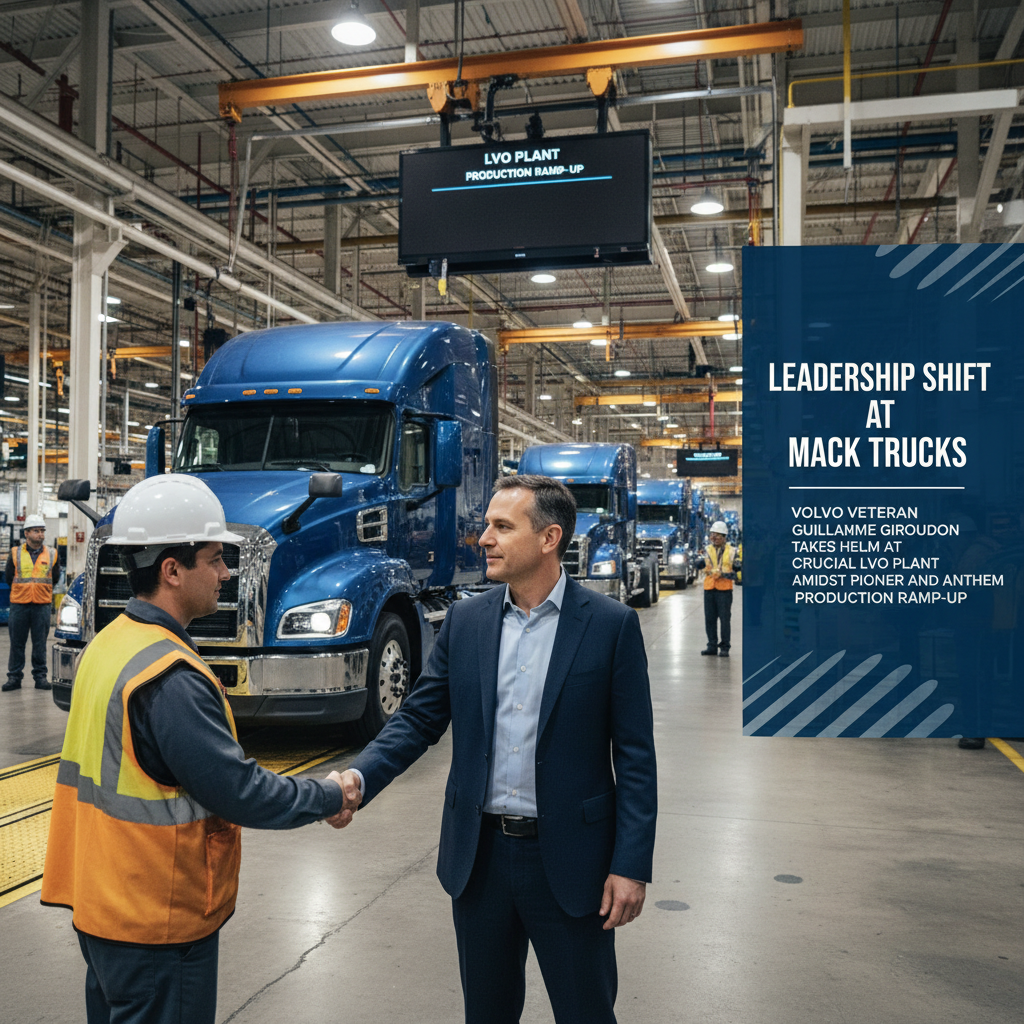
Leadership Shift at Mack Trucks: Volvo Veteran Guillaume Giroudon Takes Helm at Crucial LVO Plant Amidst Pioneer and Anthem Production Ramp-Up
Guillaume Giroudon has been named the new General Manager of Mack Trucks’ critical Lehigh Valley Operations (LVO) plant, the sole assembly point for all Class 8 Mack trucks. This leadership change, bringing in a Volvo Group logistics veteran, is crucial as Mack ramps up production of its new flagship Pioneer long-haul tractor and the revamped Anthem regional-haul model, key steps in the company's aggressive strategy to increase its North American market share.
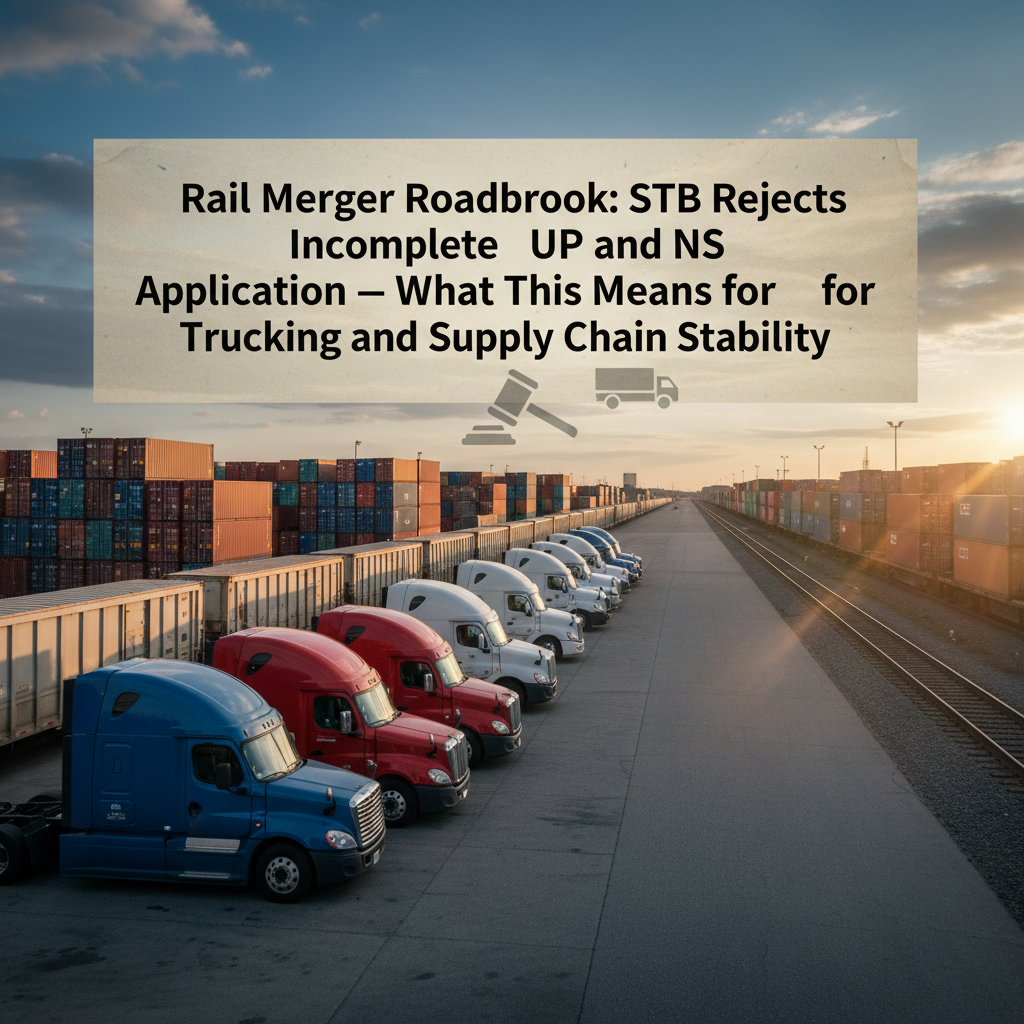
Rail Merger Roadblock: STB Rejects Incomplete UP and NS Application – What This Means for Trucking and Supply Chain Stability
The Surface Transportation Board (STB) rejected the massive Union Pacific and Norfolk Southern rail merger application, deeming it incomplete due to missing post-merger market share projections. This regulatory roadblock maintains the current competitive balance in freight transportation, offering temporary stability for trucking operations but signaling that future rail consolidation attempts will face intense scrutiny regarding impacts on competition and supply chain resilience.
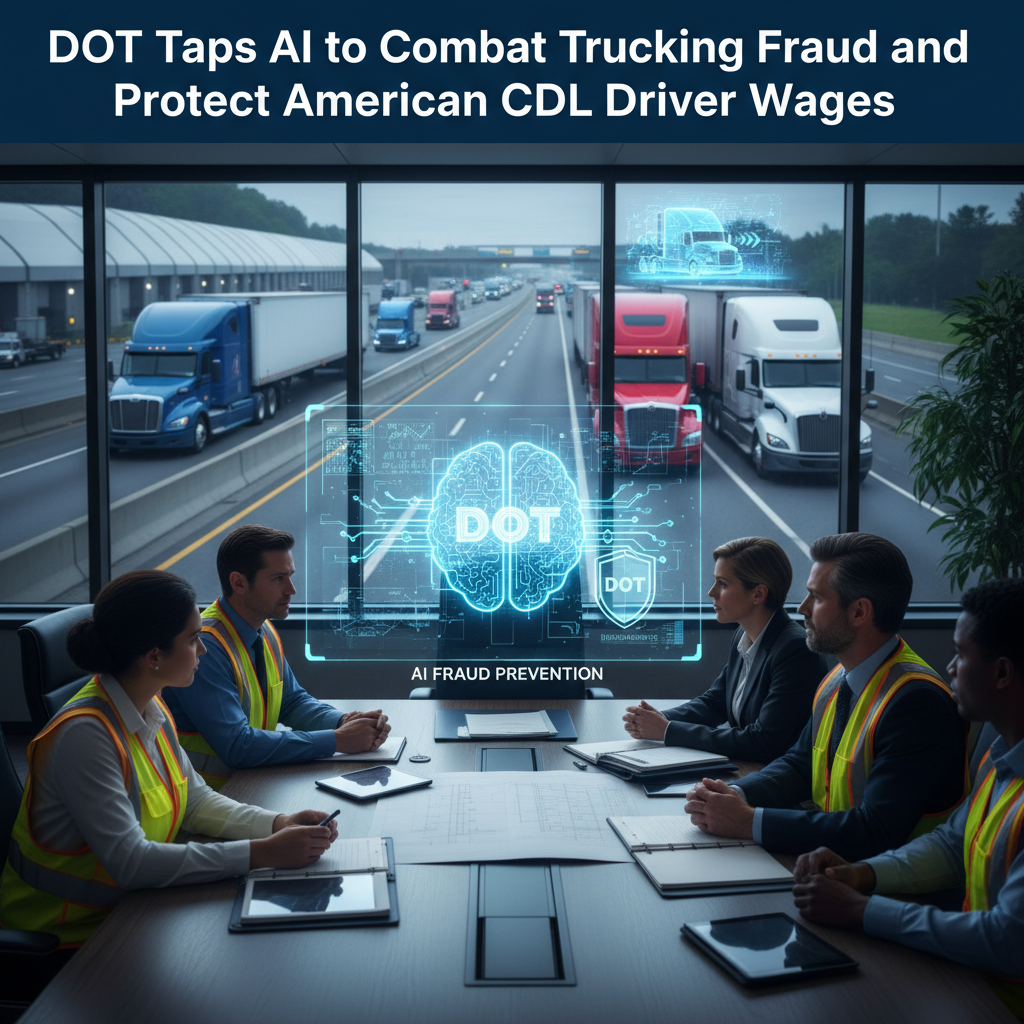
DOT Taps AI to Combat Trucking Fraud and Protect American CDL Driver Wages
The Department of Transportation (DOT) is integrating Artificial Intelligence (AI) and advanced data analytics to combat widespread trucking fraud, specifically targeting companies using illegal foreign drivers. This initiative aims to protect American CDL driver wages, which the DOT acknowledges are being suppressed by unfair competition from non-compliant operators. Ethical fleet managers must proactively audit driver qualification files and compliance systems as enforcement becomes more targeted and data-driven.
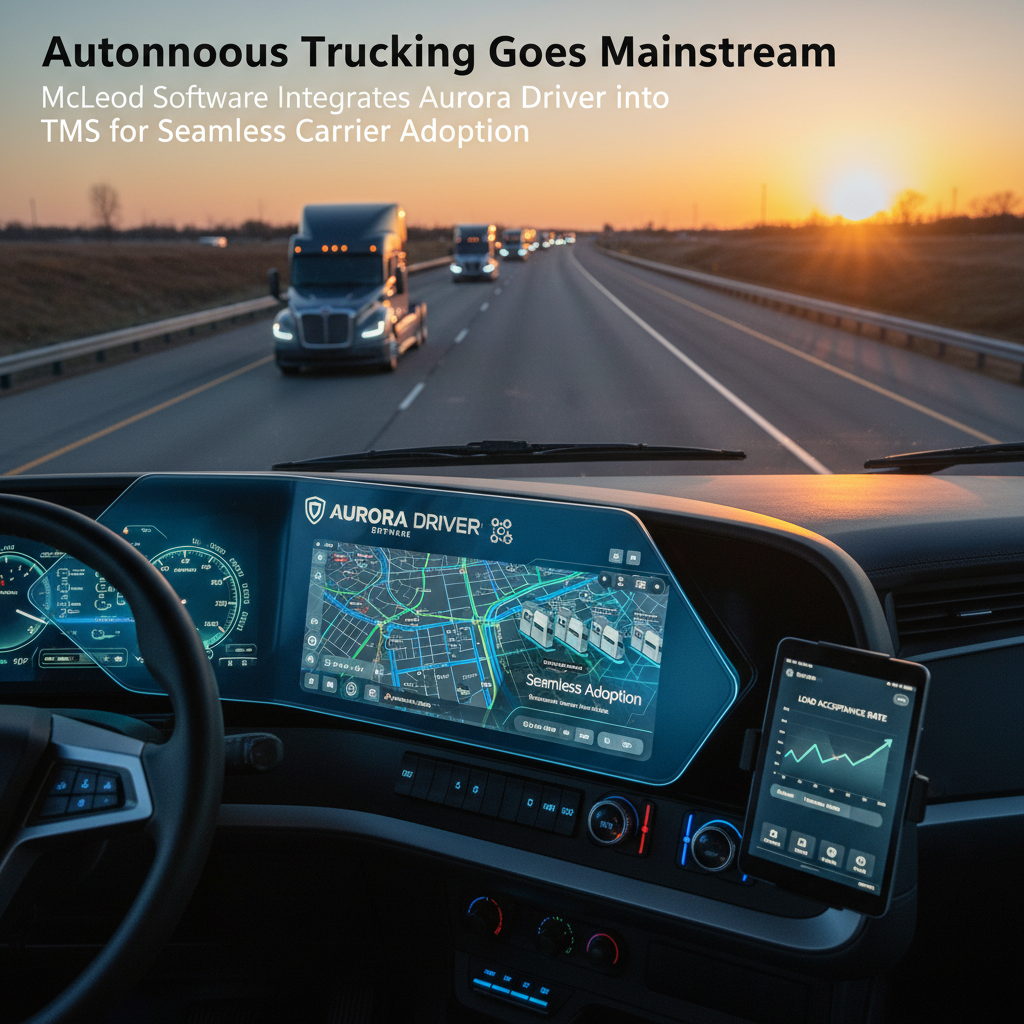
Autonomous Trucking Goes Mainstream: McLeod Software Integrates Aurora Driver into TMS for Seamless Carrier Adoption
McLeod Software has completed the integration of Aurora Innovation's autonomous driving technology, the 'Aurora Driver,' directly into its LoadMaster and PowerBroker TMS platforms. This crucial development allows carriers and fleet managers to seamlessly tender, track, and manage self-driving truck capacity using their existing software, marking a major step toward mainstream adoption of autonomous freight hauling on middle-mile corridors.
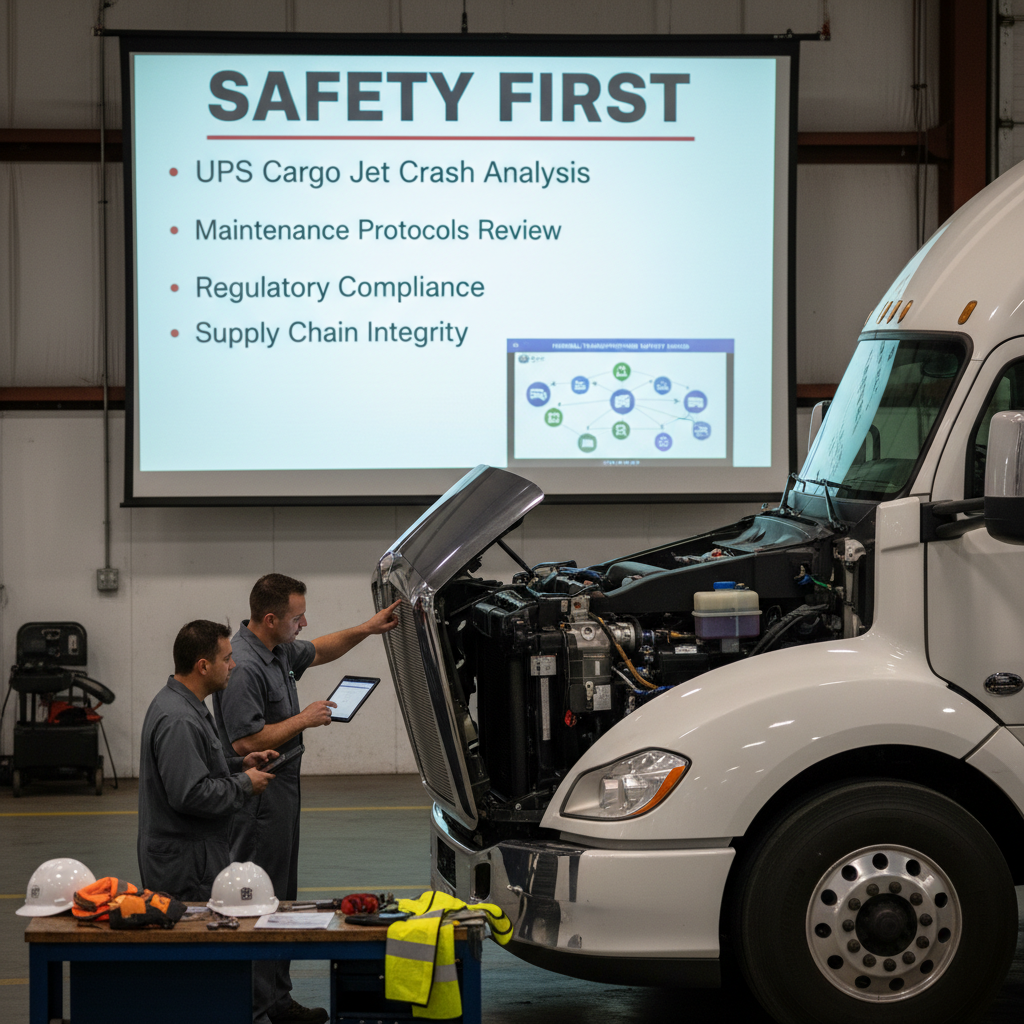
Safety First: What the UPS Cargo Jet Crash Reveals About Maintenance, Oversight, and Supply Chain Integrity for Trucking Fleets
The tragic UPS cargo jet crash, caused by the failure of an engine pylon part with a known history of defects, offers critical lessons for the trucking industry. Fleet managers and CDL drivers must prioritize proactive maintenance, rigorously track critical component history, and ensure that manufacturer safety bulletins are treated with extreme urgency to prevent catastrophic mechanical failures on the road.
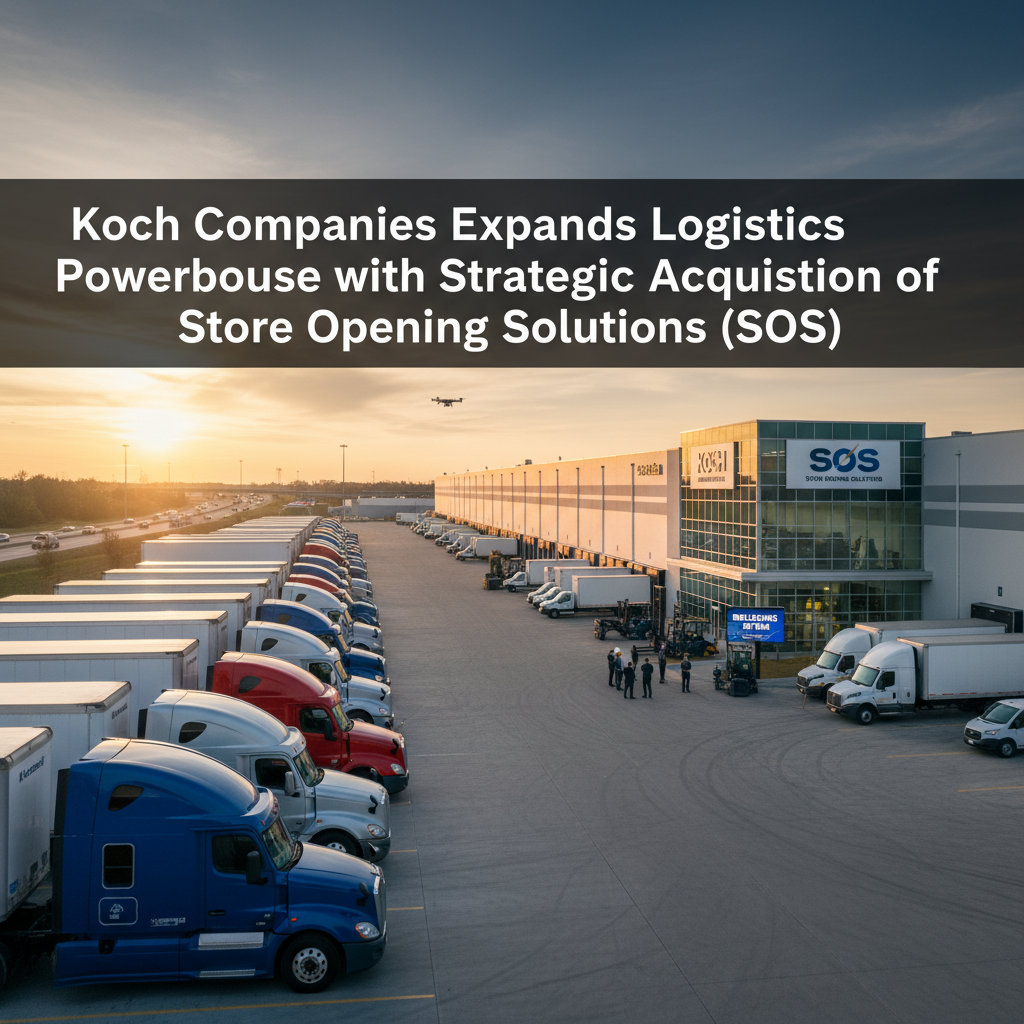
Koch Companies Expands Logistics Powerhouse with Strategic Acquisition of Store Opening Solutions (SOS)
Koch Companies has acquired Store Opening Solutions (SOS), significantly expanding its logistics and warehousing capabilities. This strategic move doubles Koch's nationwide warehouse footprint and integrates SOS's retail inventory expertise, promising enhanced efficiency and new opportunities for CDL truck drivers and fleet managers in the evolving supply chain.
Koch Companies' Strategic Acquisition of Store Opening Solutions: What it Means for Trucking and Logistics
Koch Companies has acquired Store Opening Solutions (SOS), significantly expanding its logistics and warehousing capabilities. This strategic move doubles Koch's warehouse footprint and enhances its specialized retail logistics offerings, creating new opportunities for CDL truck drivers and fleet managers in a more integrated supply chain.
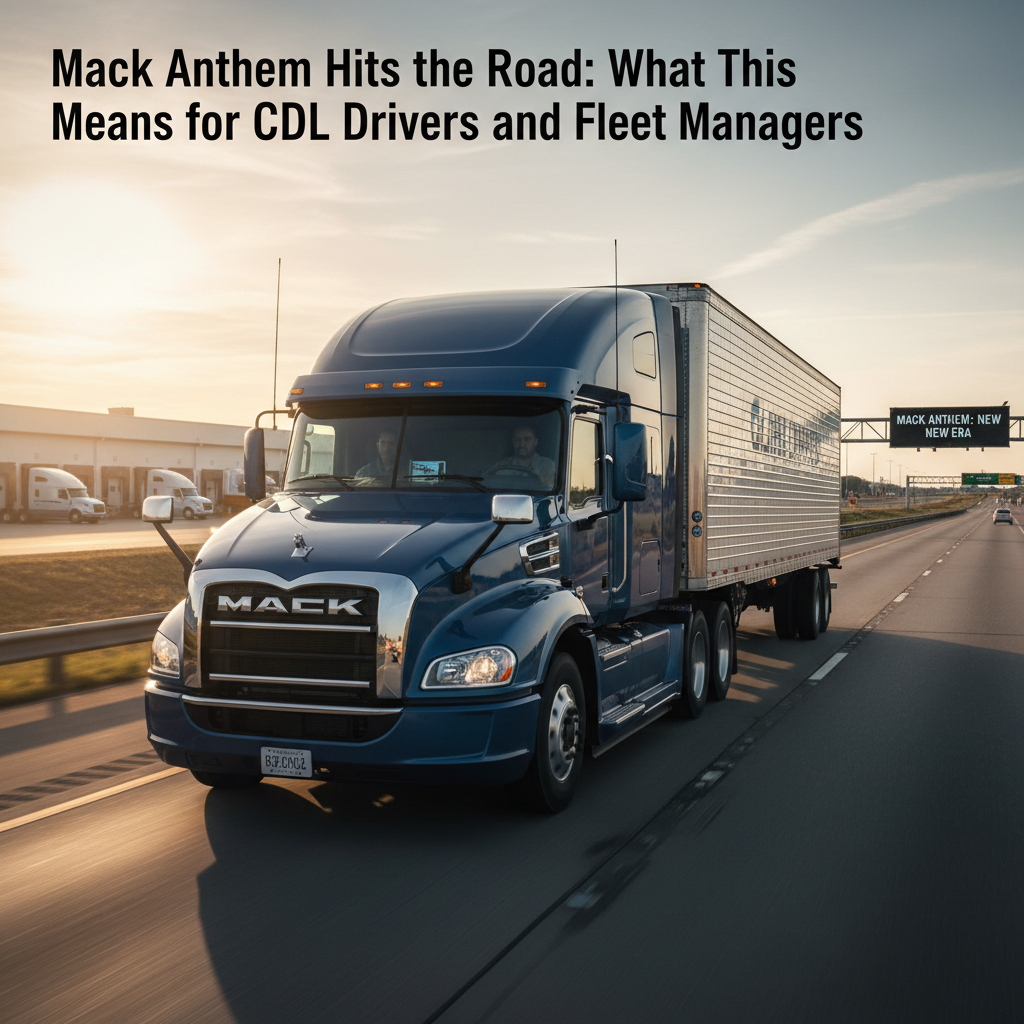
Mack Anthem Hits the Road: What This Means for CDL Drivers and Fleet Managers
Mack Trucks has officially begun serial production of its Anthem regional-haul tractor at the Lehigh Valley Operations plant in Macungie, PA. This milestone offers CDL drivers a modern, comfortable, and efficient workspace, while providing fleet managers with a powerful tool to enhance operational efficiency, reduce costs, and attract top talent in the vital regional-haul segment.
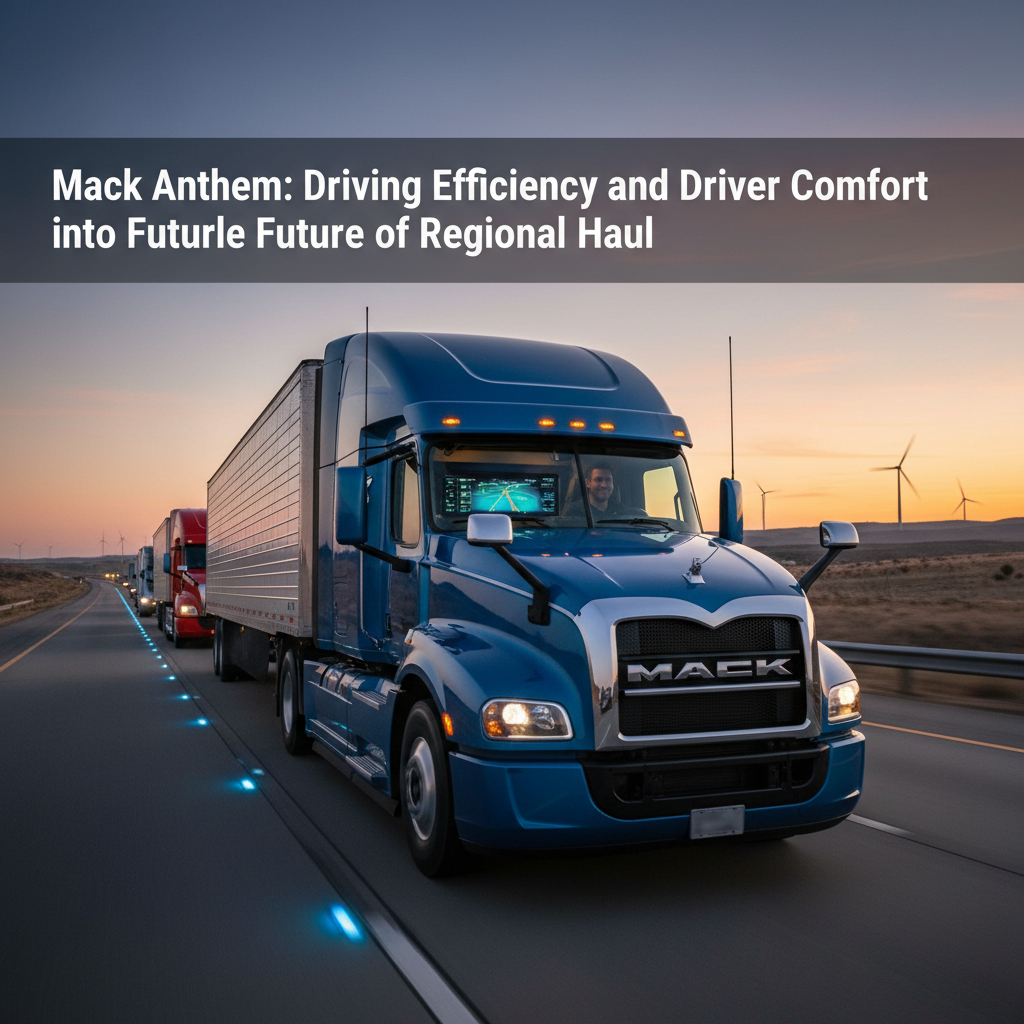
Mack Anthem: Driving Efficiency and Driver Comfort into the Future of Regional Haul
Mack Trucks has begun serial production of its revamped Anthem regional-haul tractor, promising a 10% fuel efficiency gain, enhanced driver comfort, and improved maneuverability. This strategic launch aims to address rising operational costs and driver recruitment challenges, offering significant benefits for both CDL truck drivers and fleet managers in the regional freight segment.
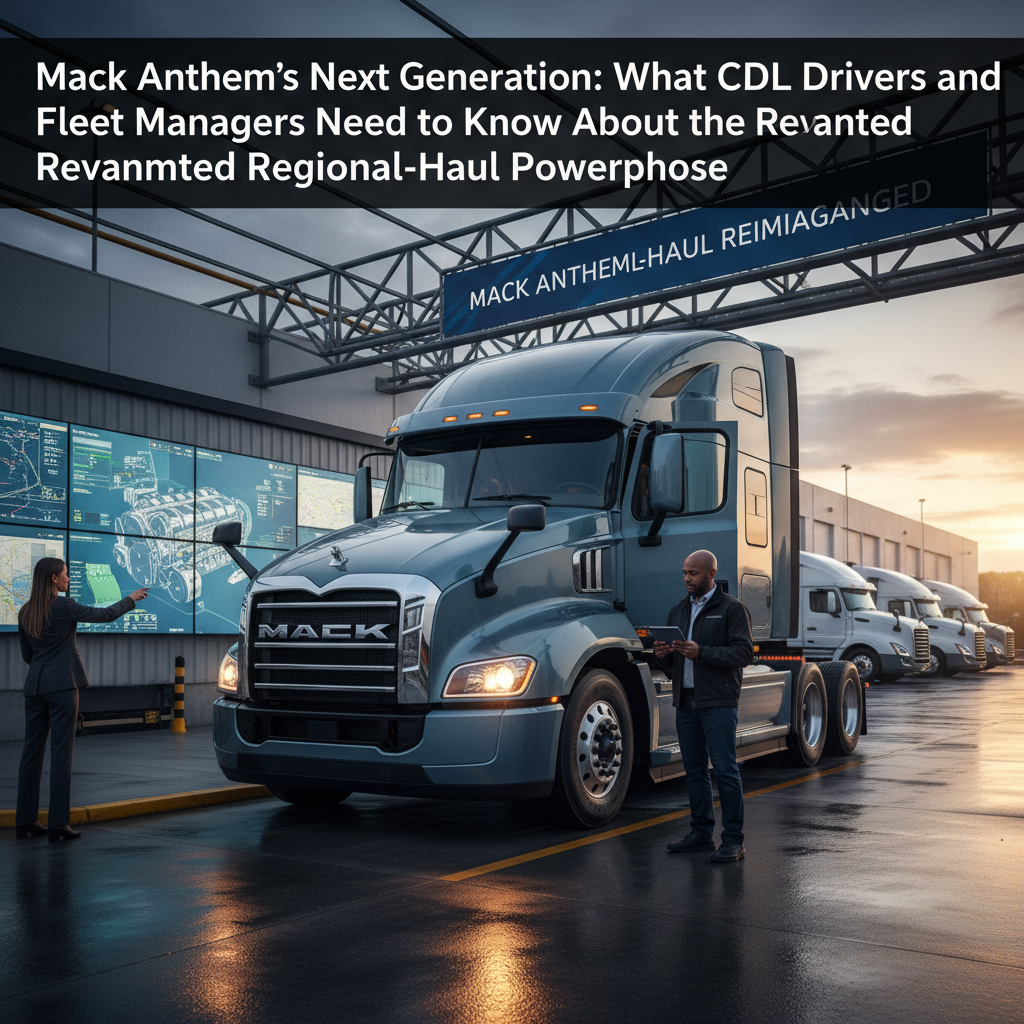
Mack Anthem's Next Generation: What CDL Drivers and Fleet Managers Need to Know About the Revamped Regional-Haul Powerhouse
Mack Trucks has begun serial production of its revamped Anthem regional-haul tractor, promising a 10% fuel efficiency gain, improved maneuverability, and enhanced driver comfort. This strategic move aims to address rising operational costs and driver recruitment challenges, offering a compelling solution for CDL drivers and fleet managers in a competitive market.
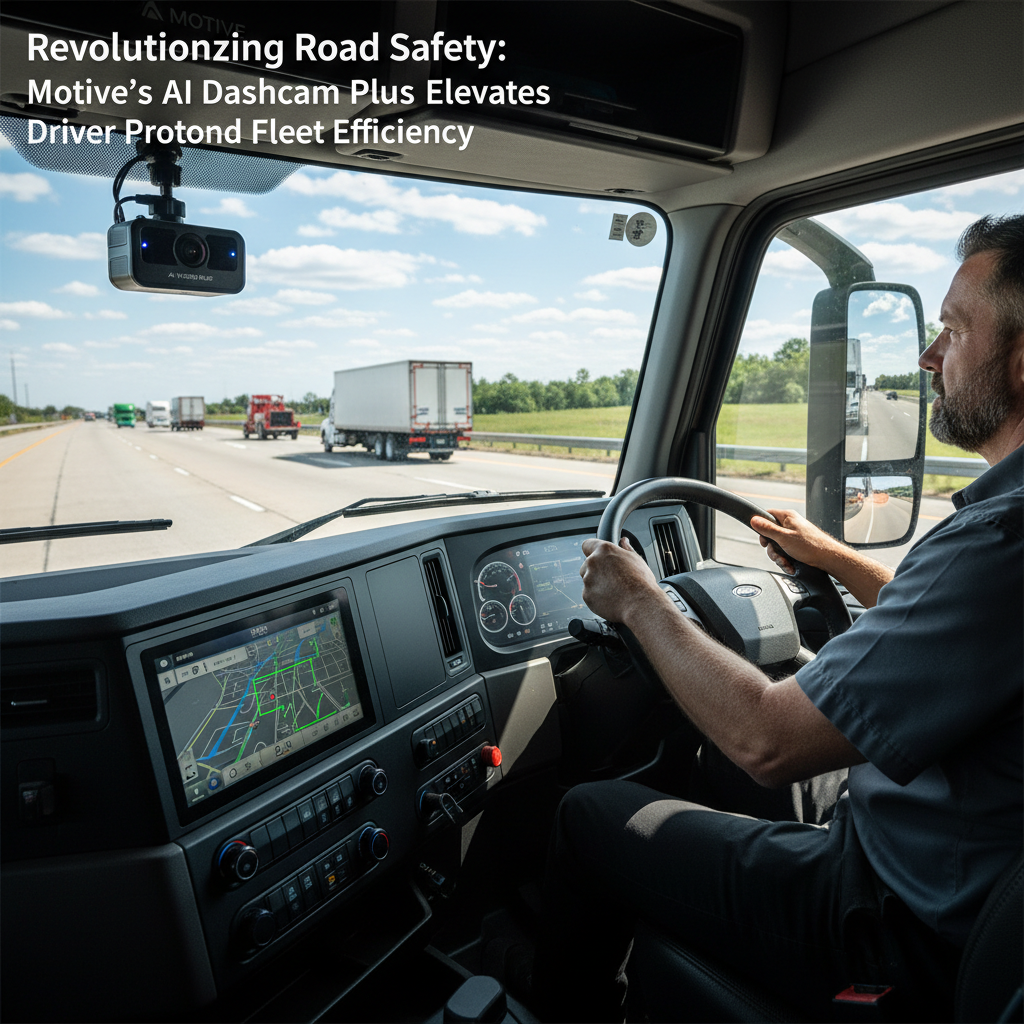
Revolutionizing Road Safety: Motive's AI Dashcam Plus Elevates Driver Protection and Fleet Efficiency
Motive's new AI Dashcam Plus introduces human-like depth perception and advanced AI, offering unprecedented collision prevention and risk detection for commercial fleets. This powerful device also features hands-free communication and automated license plate recognition, significantly enhancing safety and operational efficiency for CDL drivers and fleet managers.
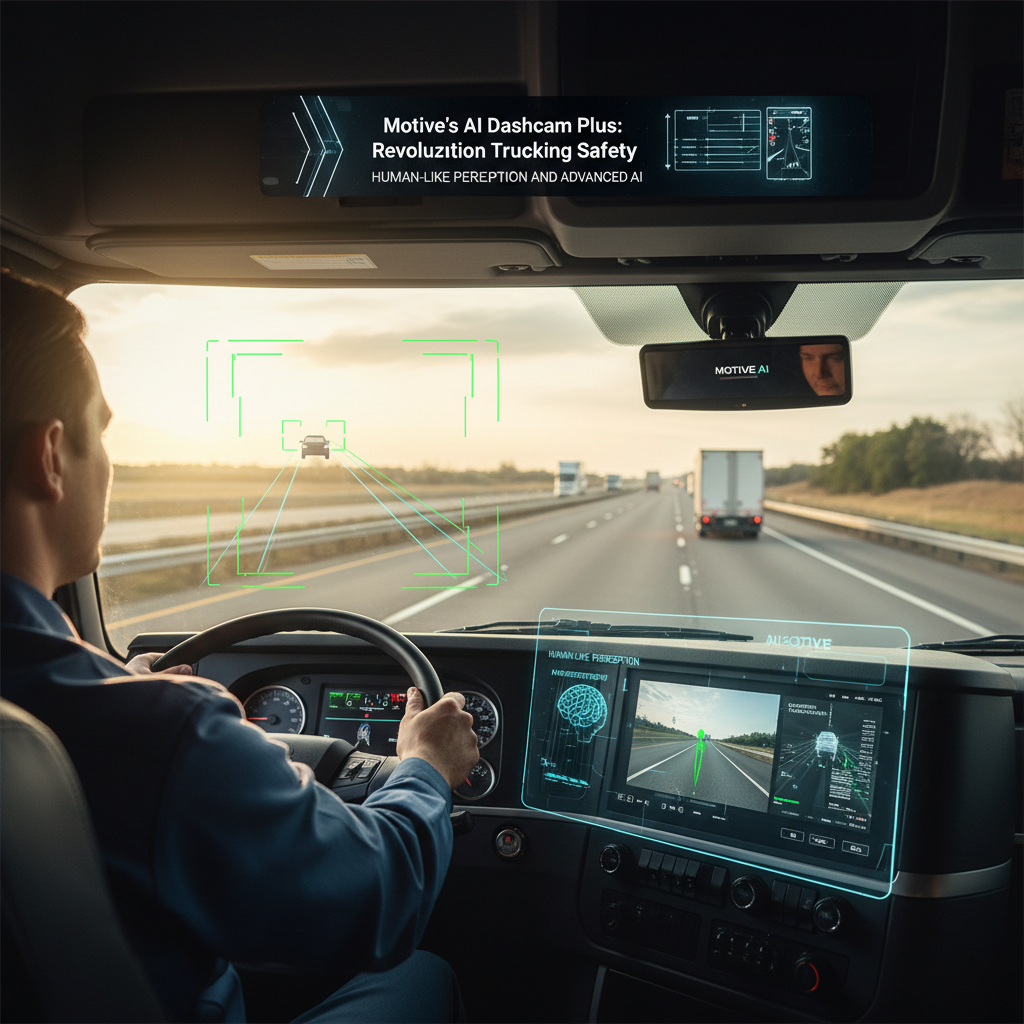
Motive's AI Dashcam Plus: Revolutionizing Trucking Safety with Human-Like Perception and Advanced AI
Motive has launched its AI Dashcam Plus, a groundbreaking device featuring human-like depth perception through stereo vision and a powerful processor to enhance trucking safety. It offers advanced risk detection, automated license plate recognition, and hands-free communication, providing significant benefits for CDL drivers and fleet managers by reducing accidents and improving operational efficiency.
Navigating the Upswing: How Truck Drivers and Fleets Can Capitalize on the Freight Market Recovery
The freight market is showing strong signs of recovery in early 2026, with spot rates surging. This shift, driven by reduced capacity and stabilizing demand, offers significant opportunities for CDL truck drivers to earn more and for fleet managers to enhance profitability and invest in strategic growth.
Navigating the Upswing: What a Tightening Freight Market Means for CDL Drivers and Fleet Managers
The freight market is showing strong signs of recovery in early 2026, with spot rates surging as lower-quality operators exit the industry. This shift creates significant opportunities for professional CDL drivers to increase earnings and for resilient fleet managers to boost profitability and strategically grow their operations.
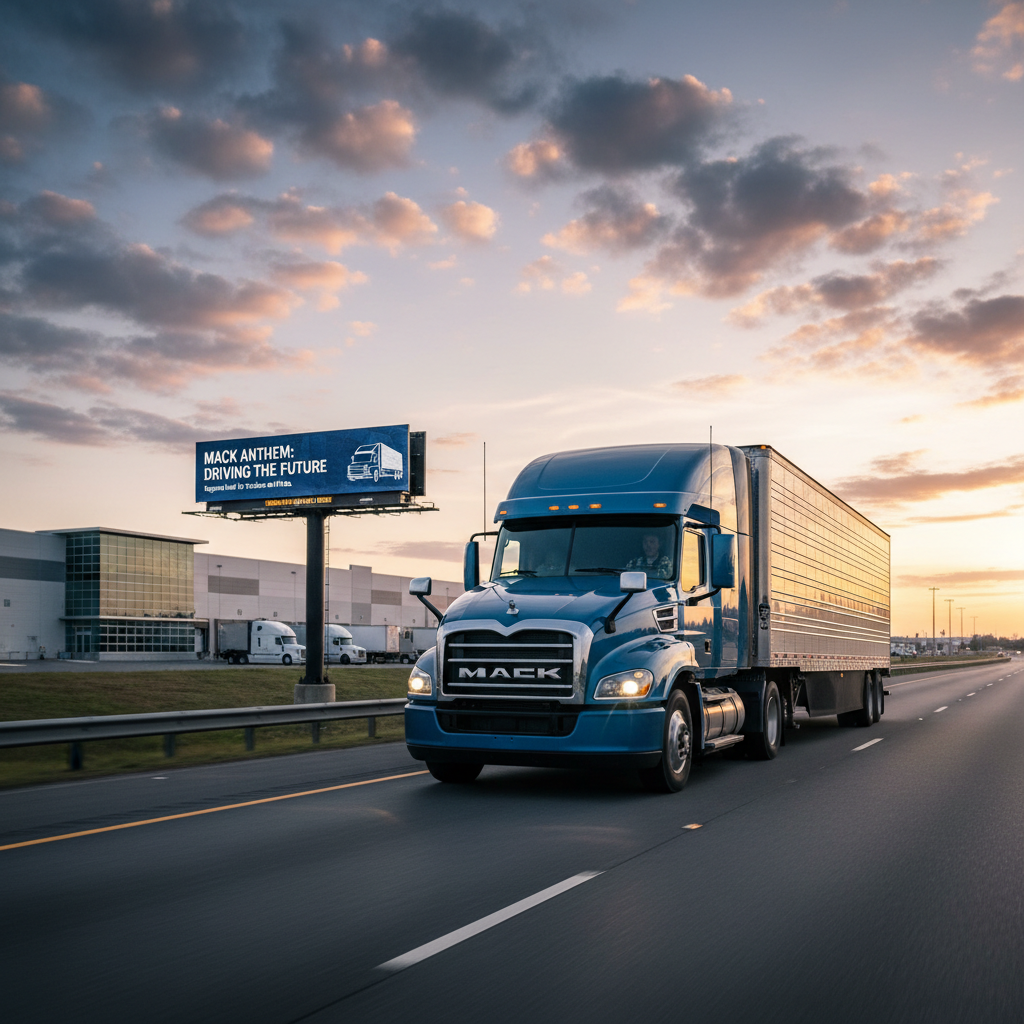
Mack Anthem: Driving the Future of Regional Haul for Truckers and Fleets
Mack Trucks initiated serial production of its Anthem regional-haul tractor at the Lehigh Valley Operations plant in Macungie, Pennsylvania. This milestone introduces a truck designed with advanced features prioritizing driver comfort, safety, and fuel efficiency, offering significant benefits for both CDL truck drivers and fleet managers in the growing regional haul segment.