
Air Cargo Evolution: FAA Approves First Boeing 777-200 Passenger-to-Freighter Conversion, Boosting Supply Chain Capacity
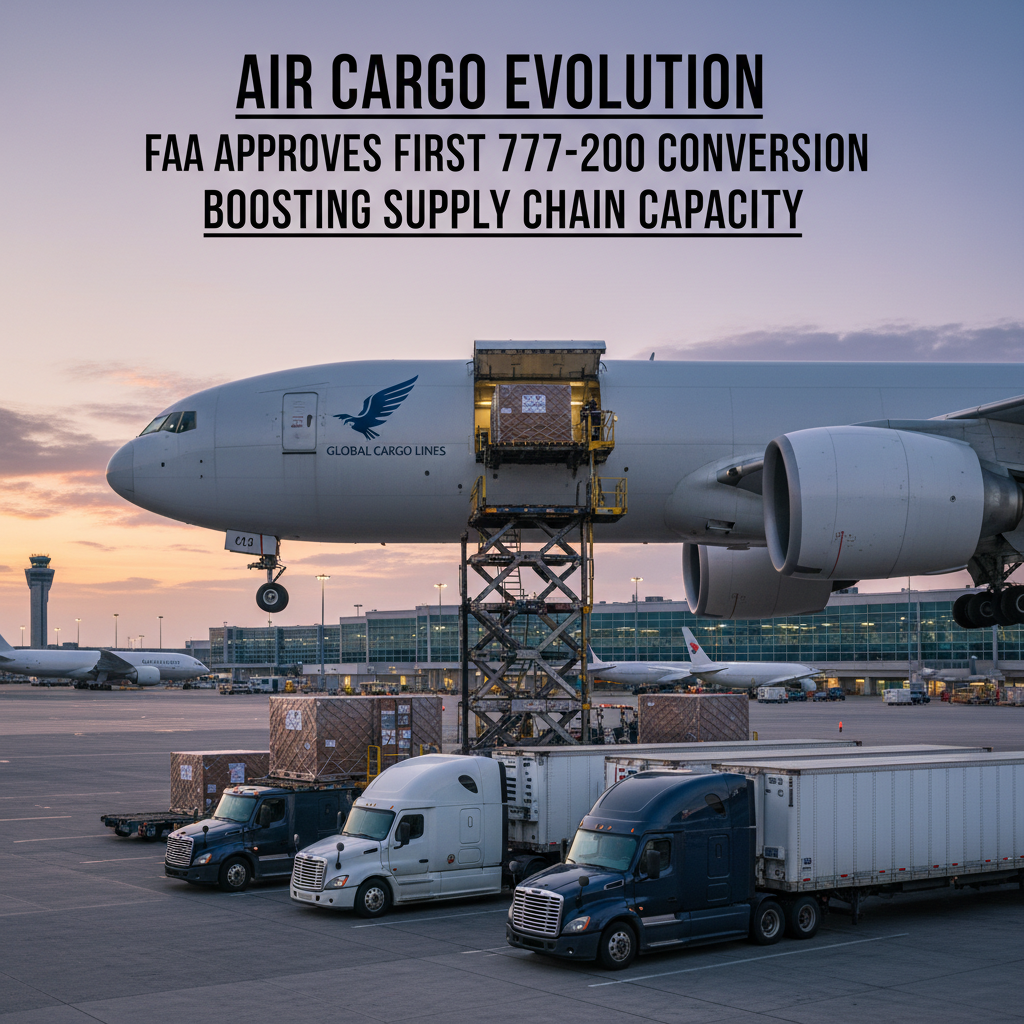
In a significant development for the global supply chain, the Federal Aviation Administration (FAA) has officially certified Mammoth Freighters LLC to convert Boeing 777-200 Long-Range passenger aircraft into dedicated all-cargo jets. This landmark approval marks the first time a 777-200 model has undergone such a transformation, signaling a new era for air freight capacity and offering substantial implications for the trucking and logistics sectors that rely on efficient air cargo networks.
For CDL truck drivers and fleet managers, this news isn't just about planes; it's about the flow of goods, the demand for freight, and the overall health of the logistics industry. Increased air cargo capacity often translates to more expedited freight, specialized loads, and a greater volume of goods moving through distribution centers, ultimately impacting the routes and schedules of ground transportation.
The Growing Demand for Air Freight Capacity
The global economy's insatiable appetite for rapid delivery, coupled with the e-commerce boom, has placed immense pressure on air cargo infrastructure. While factory-built freighters like the next-generation Boeing and Airbus models are in high demand, their production often faces delays. Furthermore, older widebody freighters are reaching the end of their operational lives, creating a critical gap in capacity. This is where passenger-to-freighter (P2F) conversions step in as a crucial, cost-effective, and timely solution.
Converting a passenger aircraft into a freighter involves a complex engineering process. It includes stripping out the passenger cabin, reinforcing the floor to handle heavy cargo, installing a wide cargo door for efficient loading and unloading of pallets and containers, and upgrading various systems to meet cargo operational requirements. Mammoth Freighters, a startup aerospace firm backed by Fortress Investment Group, has spent over six years developing its conversion system for the 777, demonstrating the intricate nature of this undertaking.
Key Players and Early Adopters
The first Boeing 777-200 conversion, currently being painted in Qatar Airways Cargo's livery, is a testament to the immediate market need. Qatar Airways, a major global cargo carrier, is among the first to integrate these converted aircraft into its fleet. This strategic move allows them to expand their cargo operations without waiting for new factory-built planes.
Other prominent logistics giants are also on board. DHL Express, a global leader in express delivery, and Ethiopian Airlines, a significant African cargo operator, have also signed agreements to acquire these converted 777-200s. Ethiopian Airlines, for instance, has already sent two of its passenger aircraft for conversion and operates a substantial fleet of factory-built and converted freighters, highlighting its commitment to air cargo.
Jetran, a Texas-based aircraft dealer, is playing a pivotal role in bringing these converted freighters to market. They acquire used passenger jets, contract for the conversion process with Mammoth Freighters, and then facilitate their sale or lease to airlines. This partnership streamlines the process, making these valuable assets available to carriers more quickly. Jordan Jaffe, CEO of Jetran, expressed strong confidence in Mammoth Freighters' engineering and the compelling value the converted 777-200 will offer in the long-haul freighter market.
The Economic Advantage of Converted Freighters
One of the most compelling reasons for the surge in P2F conversions is the significant cost advantage. Converted freighters can be acquired for tens of millions of dollars less than a brand-new, factory-built cargo jet. This cost-effectiveness allows airlines to expand their cargo capabilities more affordably, making air freight more accessible and potentially influencing pricing structures down the line. For fleet managers overseeing ground operations, understanding these cost dynamics in air cargo can provide insight into broader logistics trends and competitive pressures.
Beyond the 777-200, other widebody aircraft types are also undergoing similar transformations. Israel Aerospace Industries (IAI), in partnership with AerCap, received FAA approval for its 777-300 Extended Range freighter conversion kit. Michigan-based Kalitta Air already operates several of these IAI-converted 777-300s, some on behalf of DHL, further illustrating the industry's embrace of this solution. The Challenge Group, based in Israel, also began flying its first 777-300 converted freighter in March, showcasing the global nature of this trend.
Impact on Trucking and Ground Logistics
So, what does this mean for the hardworking CDL truck drivers and the fleet managers orchestrating their operations? The expansion of air cargo capacity has several direct and indirect implications:
-
Increased Freight Volume: More cargo planes mean more goods being flown into and out of major air hubs. This directly translates to an increased demand for drayage services, line haul, and last-mile delivery from airports to distribution centers, warehouses, and ultimately, to customers. Fleet managers should anticipate potential increases in freight volume around key air cargo gateways.
-
Expedited and Time-Sensitive Shipments: Air freight is primarily used for high-value, time-critical, or perishable goods. An increase in air cargo capacity suggests a greater flow of these expedited shipments. Truck drivers specializing in time-sensitive deliveries, often with tighter schedules and stricter delivery windows, will likely see more opportunities. Fleet managers may need to optimize routes and scheduling to accommodate these urgent demands.
-
Specialized Equipment and Handling: Some air cargo, particularly oversized or delicate items, requires specialized trailers, handling equipment, and experienced drivers. As the variety and volume of air freight grow, there might be a corresponding need for specialized trucking services, offering niche opportunities for carriers.
-
Airport Logistics and Infrastructure: Increased air cargo activity puts pressure on airport logistics infrastructure, including cargo terminals, customs facilities, and access roads. This can lead to congestion at certain times, requiring careful planning by fleet managers to minimize delays for their drivers. Conversely, it might also spur investments in improving these facilities, which could benefit trucking operations in the long run.
-
Global Supply Chain Resilience: By diversifying air freight options and increasing overall capacity, these conversions contribute to a more resilient global supply chain. This means fewer disruptions caused by capacity shortages, which can help stabilize freight volumes and rates for ground carriers. A more predictable supply chain benefits everyone involved, from manufacturers to consumers.
Actionable Takeaways for Trucking Professionals
For CDL drivers, staying informed about these developments means understanding where the freight is coming from and going. Being proficient in handling various types of cargo, especially those destined for or originating from air freight, can make a driver more valuable. Familiarity with airport logistics and procedures for cargo pickup and delivery can also be a significant advantage.
For fleet managers, this news presents several strategic considerations:
- Monitor Air Cargo Hubs: Keep a close eye on the activity levels at major air cargo airports (e.g., Memphis, Louisville, Anchorage, Chicago O'Hare, Los Angeles International). Increased traffic there will directly impact ground operations in those regions.
- Optimize Drayage and Line Haul: Review and optimize drayage operations to and from airports. Consider dedicated airport runs or partnerships with air freight forwarders. Ensure your fleet has the capacity and appropriate equipment to handle potential increases in air cargo volumes.
- Driver Training and Retention: Invest in training drivers for specialized cargo handling or expedited delivery protocols. Given the ongoing driver shortage, retaining skilled drivers capable of handling diverse freight types is more critical than ever.
- Technology Integration: Leverage telematics and logistics software to track shipments, manage routes, and communicate effectively with drivers, especially for time-sensitive air freight deliveries. Real-time visibility is paramount in this segment.
- Strategic Partnerships: Explore partnerships with air freight forwarders, customs brokers, and other logistics providers involved in the air cargo ecosystem. Collaboration can lead to new business opportunities and more efficient freight movement.
Looking Ahead: A Future of Integrated Logistics
The FAA's approval of the Boeing 777-200 P2F conversion is more than just an aviation milestone; it's a critical step in bolstering the global logistics infrastructure. As older aircraft retire and demand for air freight continues to soar, these conversions will play an increasingly vital role in connecting international markets. For the trucking industry, this means a continued evolution of freight patterns, a potential increase in specialized and expedited loads, and an even greater emphasis on efficiency, reliability, and adaptability in ground transportation. Staying ahead of these trends, understanding their implications, and strategically positioning operations will be key for CDL drivers and fleet managers to thrive in this dynamic environment.
Helpful Resources for CDL Drivers
Comments (0)
Sign in to join the conversation
Sign In to CommentNo comments yet. Be the first to share your thoughts!
Explore More
Driver Resources
Educational guides on CDL licensing, salary expectations, and route planning tips.
Browse CDL Jobs
Find your next driving opportunity. Search by location, route type, and CDL class.
CDL Salary Guide
Understand how pay varies by experience, route type, and location in the trucking industry.