
Arctic Blast and Natural Gas Price Surge: Navigating Extreme Winter Weather Impacts on Trucking Operations and Fuel Costs
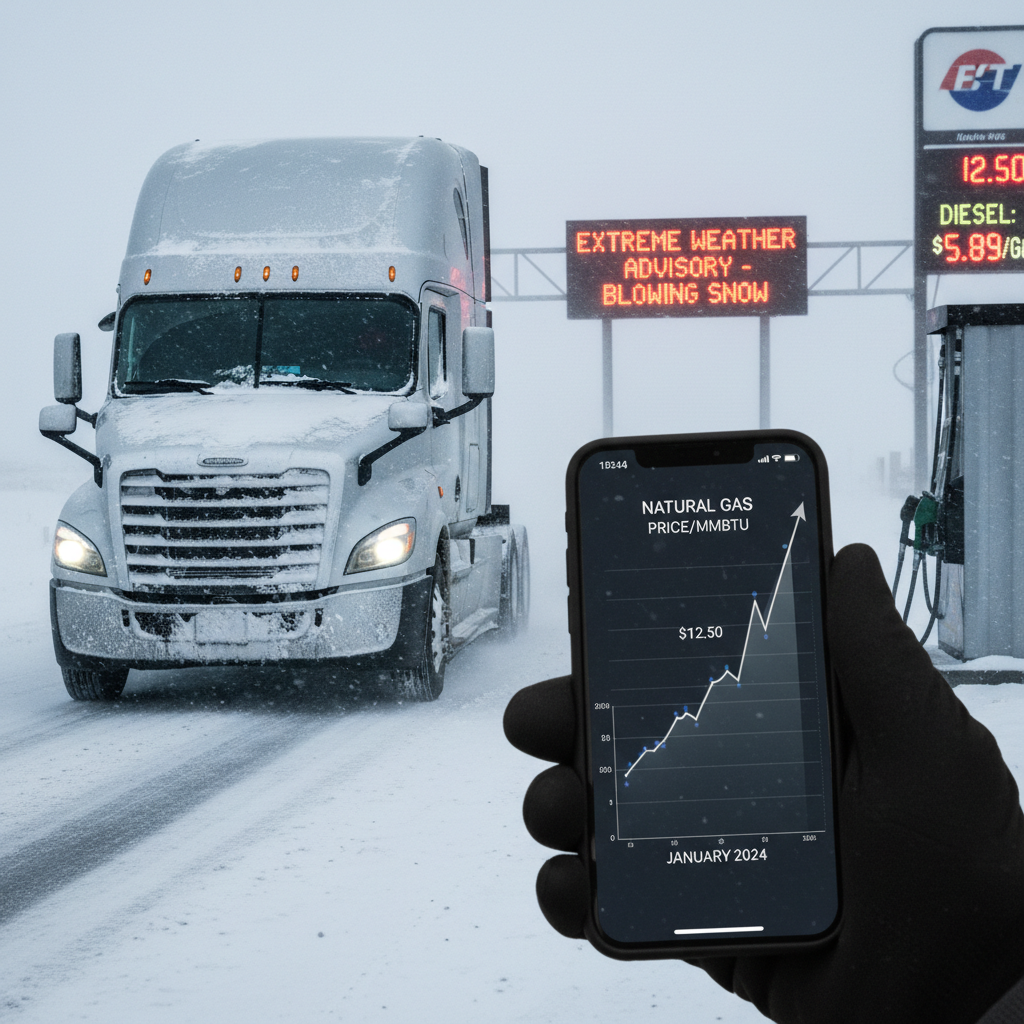
The trucking industry operates at the intersection of logistics, economics, and environment. When extreme weather events collide with volatile energy markets, the ripple effects are felt instantly across every fleet and by every professional CDL driver on the road. Recently, the US natural gas market experienced a historic surge, driven primarily by the anticipation of a severe Arctic blast sweeping across the nation. This dramatic shift in energy pricing and supply security demands immediate attention from fleet managers and drivers alike, as it directly impacts operational costs, route planning, and safety protocols during the harshest winter conditions.
The Unprecedented Rise in Natural Gas Prices
In a move that underscores the volatility of energy markets driven by weather forecasts, U.S. natural gas futures for near-term delivery saw an astonishing spike. February futures surged by approximately 70% in a single week, marking the largest weekly percentage gain on record since 1990. This massive jump was a direct response to forecasts predicting widespread, prolonged, and extreme cold temperatures across much of the continental United States. The settlement price for futures climbed significantly, reflecting market anxiety over supply constraints meeting soaring demand for heating fuel.
While this initial reporting focuses on futures, the impact was immediately visible in regional spot markets. Cash prices at key trading hubs skyrocketed. For instance, the benchmark Henry Hub in Louisiana saw spot prices jump dramatically in a single day. Similar price volatility was observed in regional hubs like the SoCal Citygate in California and the Houston Ship Channel, where prices soared as traders scrambled to secure supply. The Transco Zone 6 index, covering the corridor from Baltimore to New Jersey, also registered extremely high spot prices. This dramatic escalation in natural gas costs, driven by the looming threat of an Arctic air mass, signals significant economic pressure on all sectors reliant on this energy source, including the growing segment of natural gas-powered heavy-duty trucks.
Why the Arctic Blast Threatens Supply Chains
The primary driver behind the price surge is the anticipated disruption to both demand and supply caused by the deep freeze. On the demand side, residential and commercial heating needs skyrocket during extreme cold, quickly draining existing inventories. However, the supply side presents a unique challenge that directly affects the movement of goods.
Extreme cold, particularly in southern gas-producing states, creates a phenomenon known as “freeze-offs.” When temperatures plummet, water vapor within the pipelines and production equipment can freeze, disrupting the flow of gas. This isn't just a minor inconvenience; it can significantly curtail production capacity. Energy analysts quickly revised their forecasts for production losses due to these freeze-offs, predicting billions of cubic feet of lost production capacity over a two-week period. This reduction in supply, coupled with surging demand, creates a perfect storm for price inflation and potential localized shortages.
For the trucking industry, these energy market dynamics have several critical implications. First, while most heavy-duty trucks run on diesel, the cost of natural gas influences the broader energy landscape and utility costs for terminals, warehouses, and maintenance facilities. Second, fleets utilizing Compressed Natural Gas (CNG) or Liquefied Natural Gas (LNG) trucks face immediate and severe fuel cost increases, potentially eroding the cost advantages of these alternative fuels during peak winter months. Third, and perhaps most critically, the infrastructure required to move and store all forms of energy—including diesel and gasoline—is often powered by or reliant on natural gas, meaning disruptions can cascade across the entire fuel distribution network.
Operational Challenges for Truck Drivers During Extreme Cold
Beyond the economic pressures, the Arctic blast itself presents formidable operational and safety challenges for CDL professionals. Fleet managers must prioritize driver safety and implement robust contingency plans to mitigate the risks associated with driving in sub-zero temperatures, heavy snow, and icy conditions.
1. Vehicle Maintenance and Cold Weather Preparedness:
Extreme cold stresses every component of a heavy-duty truck. Drivers must perform thorough pre-trip inspections with extra vigilance. Key areas of concern include fuel gelling (especially with diesel), battery performance, air brake system integrity (moisture freezing in lines), tire pressure, and proper functioning of heating and defrosting systems. Fleet managers should ensure trucks are utilizing winterized diesel blends and that anti-gel additives are used proactively. Furthermore, engine block heaters should be mandatory for overnight parking in severe cold zones to ensure reliable starts and prevent costly downtime.
2. Route Planning and Dispatch Flexibility:
Dispatchers must work closely with drivers to adjust routes based on real-time weather alerts and road closures. During an Arctic blast, road conditions can deteriorate rapidly, making traditional routes unsafe or impassable. Flexibility is key; it may be necessary to stage loads, delay non-essential hauls, or reroute drivers significantly to avoid areas forecasted to experience the worst impacts, such as regions prone to blizzard conditions or black ice. Communication protocols must be crystal clear, ensuring drivers have access to emergency contacts and updated weather information 24/7.
3. Driver Safety and Personal Preparedness:
Professional drivers spend long hours in their cabs, making personal preparedness crucial. Drivers should carry comprehensive winter survival kits, including extra blankets, non-perishable food, water, chains, flares, and appropriate cold-weather gear. The risk of exposure during breakdowns or delays is significant. Fleet managers have a responsibility to educate drivers on the signs of frostbite and hypothermia and emphasize the importance of taking regular breaks and ensuring the cab's heating system is fully operational.
Mitigating Logistical Bottlenecks and Infrastructure Strain
When extreme weather hits, the entire logistics network slows down. Ports, rail yards, and distribution centers often operate at reduced capacity or shut down entirely due to safety concerns or utility disruptions. This creates immediate bottlenecks that impact delivery schedules and hours-of-service (HOS) compliance.
Fuel Distribution: The primary concern stemming from the natural gas crisis is the potential strain on the broader energy infrastructure. If natural gas production is curtailed, it can impact electricity generation, which in turn affects pumping stations for pipelines carrying diesel and gasoline. Fleet managers should proactively monitor fuel inventories and consider topping off tanks earlier than usual to avoid potential localized fuel shortages or excessive price spikes at the pump during the height of the cold snap.
Warehouse and Terminal Operations: Extreme cold affects the ability of dockworkers and warehouse staff to operate efficiently. Frozen loading doors, icy ramps, and equipment malfunctions (like forklifts struggling with hydraulics) can slow down loading and unloading times dramatically. Drivers need to factor in these potential delays and communicate them clearly to dispatch to manage customer expectations.
The Long-Term View: Energy Diversity and Resilience
The recurring pattern of extreme weather events causing massive energy market fluctuations highlights the need for greater resilience and diversity within the transportation sector’s energy strategy. While the immediate focus is on managing diesel costs and operational safety, the trucking industry must continue to evaluate how it can insulate itself from such shocks.
For fleet managers considering alternative fuels like CNG or LNG, these price spikes serve as a cautionary tale. While these fuels offer environmental benefits and often lower average costs, their price correlation with residential heating demand means they are highly susceptible to extreme winter weather volatility. Diversification strategies, including investments in robust storage capacity and exploring regional supply contracts, become essential for fleets utilizing these energy sources.
Furthermore, the industry must advocate for infrastructure improvements that protect critical energy delivery systems from extreme weather. The vulnerability of pipelines and production facilities to freeze-offs demonstrates a systemic weakness that impacts national commerce and mobility. Investing in weatherization and redundancy for key energy infrastructure is not just an energy policy issue; it is a critical transportation logistics issue.
Actionable Takeaways for CDL Drivers and Fleet Managers
For CDL Drivers:
- Inspect Thoroughly: Pay special attention to air lines (drain moisture frequently), batteries, and tires. Check fluid levels, especially coolant and windshield washer fluid.
- Fuel Management: Keep tanks at least half full to prevent condensation and potential fuel line freezing.
- Emergency Kit: Ensure your cab is stocked with a comprehensive survival kit, including chains, reflective triangles, high-calorie food, and severe weather clothing.
- Drive Defensively: Reduce speed significantly on icy or snow-covered roads. Increase following distance and avoid sudden braking or steering movements.
For Fleet Managers:
- Monitor Spot Prices: Maintain real-time awareness of regional fuel pricing, especially for CNG/LNG, to optimize refueling strategies.
- Communicate Delays: Proactively inform customers about potential delivery delays due to weather and infrastructure strain. Transparency is crucial for maintaining strong client relationships.
- Mandate Cold-Weather Protocols: Enforce strict cold-weather maintenance procedures, including the use of winter-grade oils and anti-gel additives across the entire fleet operating in affected zones.
- Review Insurance and Contingency Plans: Ensure emergency roadside assistance contracts are current and robust enough to handle high call volumes during widespread severe weather events.
In conclusion, the convergence of a historic natural gas price surge and a looming Arctic blast presents a dual challenge for the trucking industry: managing escalating operational costs while ensuring the safety and efficiency of critical freight movement. By prioritizing proactive maintenance, flexible dispatching, and clear communication, the industry can navigate these volatile conditions and keep the nation's supply chain moving despite the deep freeze.
Helpful Resources for CDL Drivers
Comments (0)
Sign in to join the conversation
Sign In to CommentNo comments yet. Be the first to share your thoughts!
Explore More
Driver Resources
Educational guides on CDL licensing, salary expectations, and route planning tips.
Browse CDL Jobs
Find your next driving opportunity. Search by location, route type, and CDL class.
CDL Salary Guide
Understand how pay varies by experience, route type, and location in the trucking industry.