Beyond a Single Solution: Why a Dual Approach to Weigh Station Bypass is Essential for Trucking Success
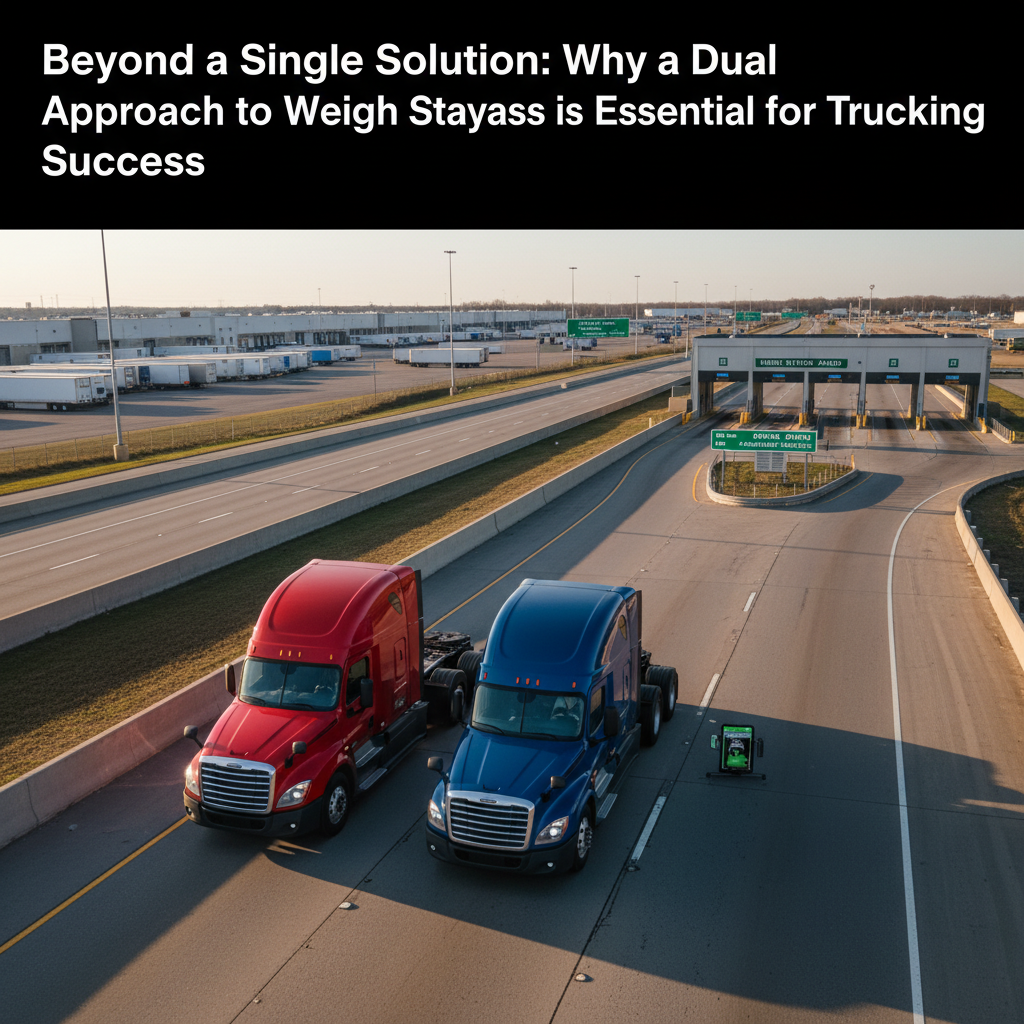
For CDL truck drivers and fleet managers, every minute counts. Time spent idling at weigh stations isn't just an inconvenience; it's a direct hit to productivity, fuel efficiency, and ultimately, the bottom line. In an industry where margins are tight and schedules are demanding, optimizing every aspect of operations is paramount. This is especially true when it comes to navigating the often unpredictable world of weigh station inspections. While the concept of bypassing weigh stations has been a game-changer for many years, relying on a single bypass method in today's dynamic environment simply isn't enough to maximize the benefits.
The landscape of weigh station bypass technology is evolving rapidly. What was once primarily a transponder-based system has expanded to include sophisticated mobile application solutions. This expansion offers fleets more opportunities to avoid unnecessary stops, but it also introduces a critical question: how can carriers ensure they're capturing every possible bypass opportunity? The answer, as many industry leaders are discovering, lies in a comprehensive, dual-method approach that leverages the strengths of both transponder and mobile app technologies.
The Real Cost of Missed Opportunities: Understanding the Bypass Impact
To truly appreciate the value of an effective bypass strategy, it's crucial to understand the tangible benefits each successful bypass delivers. Industry benchmarks, such as the PrePass® Mile Marker 2026: The National Bypass Impact Index, provide clear data on what each bypass returns to a fleet. On average, a single bypass translates to approximately 7 minutes of saved drive time, a half-gallon of fuel conserved, and an estimated $10.65 in avoided operational costs. These figures might seem modest individually, but they accumulate rapidly across a fleet over time.
Consider the daily routines of a CDL driver. Each weigh station stop involves decelerating, maneuvering into the facility, waiting in line, undergoing potential inspection, and then accelerating back onto the highway. This process consumes not only time and fuel but also adds wear and tear to the vehicle, increases driver fatigue, and disrupts carefully planned delivery schedules. For a fleet manager, these individual instances multiply across dozens or hundreds of trucks, leading to significant cumulative losses in efficiency and profitability. Therefore, maximizing bypass opportunities isn't just about convenience; it's about optimizing the entire operational workflow and protecting valuable resources.
Where a Single Bypass Method Falls Short
While mobile app-based bypass solutions are gaining traction due to their rapid deployment and expanded coverage, and transponders remain a reliable staple, relying solely on one method inherently creates gaps in coverage. Imagine a scenario where a truck is approaching a weigh station. If that particular facility primarily uses transponder technology for screening, and your truck is only equipped with a mobile app, you might miss a bypass opportunity. Conversely, if a newer, less-established screening location relies heavily on mobile app integration, a transponder-only truck could be forced to stop.
This isn't just theoretical; it's a practical challenge faced by many fleets. The difference between consistently bypassing and occasionally bypassing can be staggering. For instance, increasing a truck's weekly bypasses from 5 to 7 might seem like a small improvement, but over a year, that difference adds up to 12 hours of saved drive time, 52 gallons of fuel conserved, and over $1,100 in avoided costs per truck. For a fleet of 200 trucks, this gap between 'sometimes' and 'reliably' represents nearly a quarter-million dollars in value left on the table annually. These are resources that could be reinvested in driver training, equipment upgrades, or simply contribute directly to the company's profitability.
Furthermore, fleets that invest heavily in robust maintenance programs and comprehensive driver training often achieve superior safety records, reflected in their favorable ISS (Inspection Selection System) scores. These carriers are prime candidates for frequent bypasses. However, if their bypass technology isn't comprehensive, they might not fully capitalize on their excellent safety standing, missing out on the rewards of their diligent efforts.
The Power of a Dual Approach: Maximizing Coverage and Reliability
The most effective strategy for modern trucking operations is to embrace a dual approach to weigh station bypass. This means integrating both transponder-based systems and mobile app solutions into a single, cohesive strategy. Here's why this synergy is so powerful:
- Transponders: These devices excel at delivering reliable, high-speed screening at well-established, high-traffic weigh stations. These facilities often have dedicated infrastructure designed to communicate seamlessly with transponders, ensuring consistent performance and quick decisions. For drivers, this means a familiar and dependable experience at some of the busiest inspection points.
- Mobile Apps: Mobile bypass solutions offer broader geographical coverage, often including newer or temporary screening locations that might not have traditional transponder infrastructure. They are also quicker to deploy and can be updated more frequently, adapting to changes in inspection protocols or locations. For fleets, this means extending bypass opportunities to a wider network of potential stops.
By running both systems, fleets create a robust safety net, ensuring they have bypass opportunities at a far greater percentage of weigh stations. This significantly reduces the likelihood of a truck being forced to stop unnecessarily, regardless of the specific technology deployed at a given inspection site. Fewer gaps in coverage directly translate to more of the quantifiable savings reaching the fleet's bottom line.
Scaling the Savings: A Fleet Manager's Perspective
Let's put these numbers into perspective for a fleet manager. Imagine a 200-truck fleet, each averaging 7 bypasses per week. With a reliable dual-method approach, this fleet could recover approximately 8,400 hours of drive time annually and save an estimated $775,000 in operational costs. These are not insignificant figures; they represent a substantial competitive advantage and a direct boost to profitability. However, these impressive numbers are only achievable when the bypass capture rate is consistently high and reliable. A single missed bypass, multiplied across a large fleet, quickly erodes these potential savings.
For fleet managers, the decision to implement a dual bypass strategy is a strategic one. It's an investment in efficiency, driver satisfaction, and financial performance. It means providing drivers with the tools they need to stay on schedule, reduce stress, and focus on safe driving, rather than worrying about unexpected weigh station delays. It also means having a more predictable operation, which aids in route planning, delivery scheduling, and overall resource allocation.
The Performance-Based Nature of Bypass Eligibility
It's crucial to remember that weigh station bypass is not an automatic right; it's performance-based. Eligibility is primarily determined by a carrier's FMCSA safety records and their ISS (Inspection Selection System) scores. Fleets with strong safety ratings, excellent maintenance records, and compliant operations are consistently rewarded with higher bypass rates. This system is designed to direct enforcement resources towards higher-risk vehicles, while simultaneously providing an incentive for carriers to maintain exemplary safety standards.
For CDL drivers, this means that their commitment to safe driving, pre-trip inspections, and adherence to regulations directly contributes to their eligibility for bypasses. A well-maintained truck and a clean safety record are not just about compliance; they are direct enablers of operational efficiency and personal productivity. Fleet managers play a vital role in supporting drivers by implementing robust safety programs, providing ongoing training, and ensuring vehicles are consistently in top condition. These efforts directly translate into improved ISS scores and, consequently, more bypass opportunities for their drivers.
Even with high ISS scores, mandatory and random inspections remain in effect for all carriers. Bypass systems are designed to streamline operations, not eliminate inspections entirely. However, by maximizing bypass opportunities for qualified vehicles, the system ensures that enforcement can focus its efforts where they are most needed, benefiting both compliant carriers and public safety.
Actionable Takeaways for Drivers and Fleet Managers
For CDL Drivers:
- Understand Your Tools: Familiarize yourself with both transponder functionality and your fleet's mobile bypass app. Know how to use both effectively.
- Maintain Safety Standards: Your driving record and adherence to safety protocols directly impact your fleet's ISS score, which in turn affects your bypass eligibility. Drive safely, conduct thorough pre-trip inspections, and ensure your logs are accurate.
- Report Issues: If you encounter any issues with bypass systems (e.g., a transponder not reading, app not functioning), report it immediately to your fleet manager or dispatch.
For Fleet Managers:
- Evaluate Your Current Strategy: If you're only using one bypass method, assess the potential savings you're leaving on the table. Explore integrating a dual solution.
- Invest in Safety and Maintenance: A strong safety record is the foundation of successful bypass. Prioritize driver training, vehicle maintenance, and compliance programs to improve your ISS scores.
- Educate Your Drivers: Ensure all drivers understand how to use both transponder and mobile app bypass systems, and the importance of their role in maintaining bypass eligibility.
- Monitor Performance: Regularly review your bypass rates and the associated savings. Use data from your bypass provider to identify areas for improvement and ensure your investment is yielding maximum returns.
Conclusion: Protecting Your Investment in Efficiency
The data is clear: a single bypass method is no longer sufficient to fully capture the immense value offered by weigh station bypass technology. The PrePass® Mile Marker 2026 benchmark outlines a clear savings equation for fleets – per bypass, per truck, per year. The value is undeniably real, but the critical question is whether your current approach reliably captures it or allows it to slip away, one missed opportunity at a time.
Mobile bypass technologies have opened the door to a broader range of opportunities, enhancing the existing benefits of transponder-based systems. By adopting a dual approach that combines the strengths of both, fleets can ensure maximum coverage, greater reliability, and ultimately, a more efficient and profitable operation. In the competitive world of trucking, embracing this comprehensive strategy isn't just an option; it's a necessity for sustained success. Explore the benchmarks, understand the impact, and secure your fleet's future with a bypass strategy that truly protects your bottom line.
Helpful Resources for CDL Drivers
Comments (0)
Sign in to join the conversation
Sign In to CommentNo comments yet. Be the first to share your thoughts!
Explore More
Driver Resources
Educational guides on CDL licensing, salary expectations, and route planning tips.
Browse CDL Jobs
Find your next driving opportunity. Search by location, route type, and CDL class.
CDL Salary Guide
Understand how pay varies by experience, route type, and location in the trucking industry.