
Beyond the Blizzard: Will Winter's Freight Surge Signal a Lasting Shift for Trucking?
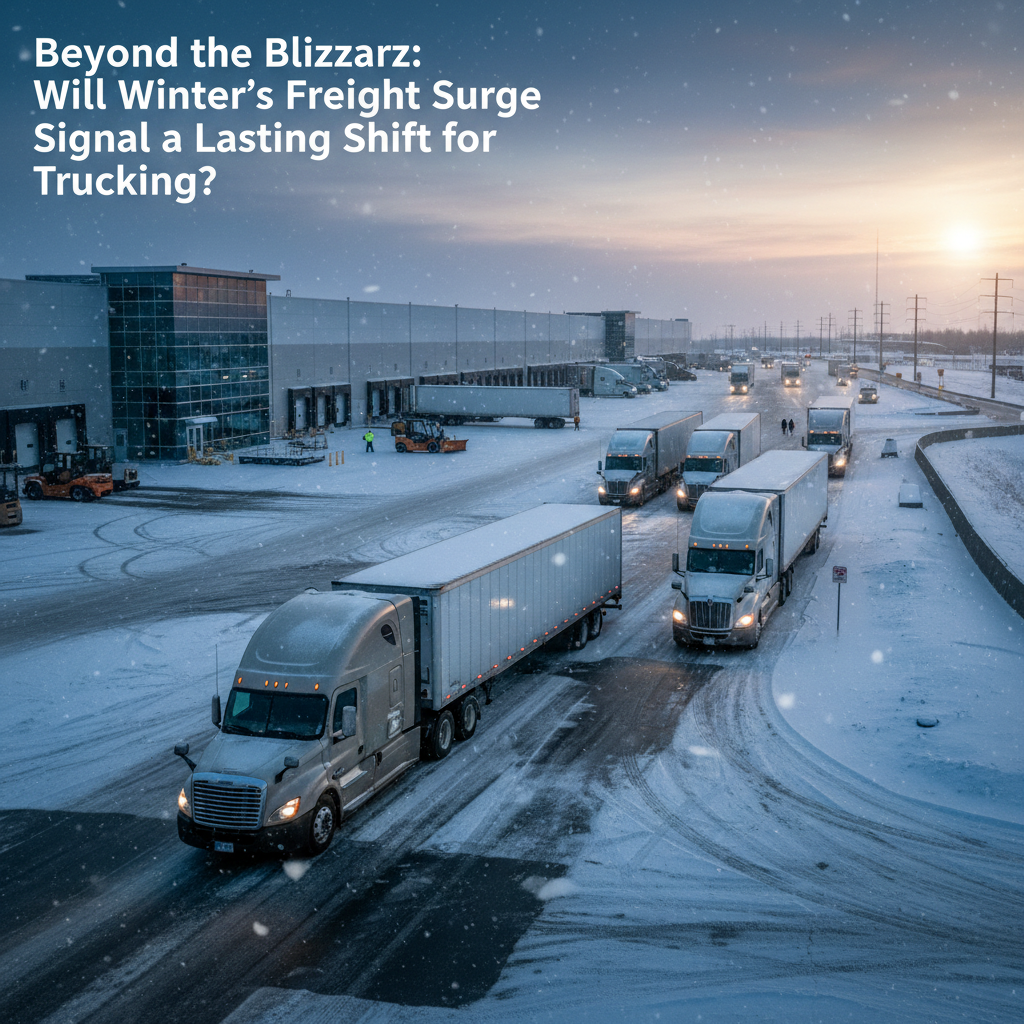
The trucking industry is no stranger to the unpredictable forces of nature, but a recent winter storm, dubbed Winter Storm Fern, has sent ripples through the freight market unlike anything seen in years. This powerful weather event, which blanketed large portions of the South with snow and ice, caused a significant disruption to surface transportation, leading many in the industry to question whether this temporary shock could be a harbinger of a more sustained shift in freight market dynamics. For CDL truck drivers navigating icy roads and fleet managers scrambling to re-route loads, understanding these market shifts is crucial for operational planning and financial stability.
At the heart of this discussion is the SONAR Truckload Rejection Index (STRI), a key indicator of truckload capacity availability. When the STRI rises, it signifies a tighter market where carriers are more frequently rejecting tendered loads, often due to higher demand, limited capacity, or adverse conditions. Following Winter Storm Fern, the STRI surged by more than four percentage points in just two weeks, marking it as the most disruptive weather event to surface transportation markets in nearly five years. This sharp increase immediately sparked speculation: Is this the catalyst the market has been waiting for, signaling an end to the softer conditions many have experienced?
To better understand if this surge is a temporary anomaly or part of a larger trend, FreightWaves introduced a powerful analytical tool: the Seasonally Adjusted Moving Average (SAMA). For fleet managers and owner-operators, comprehending such metrics is vital for making informed decisions about rates, lane commitments, and driver allocation. The SAMA is essentially an average of the past two years of index values, meticulously adjusted to reflect the current year's trend. Its primary purpose is to highlight sharp deviations from normal seasonal movements, indicating just how anomalous the current environment is compared to the long-term trend. A prolonged correction back to the trendline signifies a more unusual and impactful event.
For trucking businesses, recognizing when they are operating outside predictable market conditions is invaluable. It's a clear signal that standard operating procedures might not suffice, and robust contingency planning becomes paramount. In the wake of Winter Storm Fern, the SAMA indicated that a decline of roughly five percentage points would be necessary for the STRI to return to its prevailing market trend, placing it near 9.2%. For those intimately familiar with the STRI's behavior, this represents an exceptionally large deviation from the established baseline. To put it into perspective, this recent move has made what would normally be considered significant volatility appear almost stationary. Historically, the STRI has only increased by more than two percentage points in two other instances over the past few years, both occurring during the peak Christmas seasons.
Previous winter storm events over the last two years also caused rejection rates to climb, but typically by about one percentage point. Crucially, it took 49 and 32 days, respectively, for the index to return to its pre-storm trend. This extended recovery period highlights a limitation of the SAMA: by design, this statistical tool is built to identify long-running trends and makes only incremental adjustments in response to sustained movements. It tends to overlook short-lived anomalies until they evolve into something more persistent. This means that while the SAMA provides a solid long-term view, immediate, sharp spikes due to transient events might not immediately register as a fundamental shift until they demonstrate sustained impact.
However, for those in the trucking industry trying to discern whether the market has finally broken out of its recent patterns, the SAMA offers a compelling insight. It points to a baseline that is meaningfully higher than at any point over the past three years. The model projects the STRI reaching a low of 6.98% in early May, a period historically known as the softest point in the post-COVID market. What's particularly noteworthy about this projection is that this anticipated low is roughly in line with last year's summer peak around the Fourth of July. This suggests a fundamental recalibration of market expectations.
Therefore, while Winter Storm Fern may appear to be a fleeting winter weather event, its impact, when viewed through the lens of the SAMA, suggests that the market may not simply revert to the conditions that truck drivers and fleet managers have grown accustomed to over the past three years. This isn't just about a temporary spike in rejections; it's about a potential elevation of the baseline, indicating a generally tighter capacity environment moving forward. For owner-operators, this could mean more consistent opportunities for higher rates. For fleet managers, it necessitates a more proactive approach to capacity management, driver retention, and strategic planning.
Understanding the Implications for CDL Drivers and Fleet Managers
For CDL Truck Drivers:
- Increased Earning Potential: A tighter freight market generally translates to higher spot rates and potentially better contract rates. Drivers, especially owner-operators, should be vigilant in monitoring market conditions and negotiating rates that reflect the increased demand and operational challenges. The ability to be selective with loads, particularly during peak times or adverse weather, can significantly boost income.
- Strategic Lane Selection: Understanding which lanes are experiencing the most significant capacity constraints can help drivers position themselves for more lucrative hauls. Regions recovering from weather events, or those with sustained demand, often present better opportunities. Utilizing freight matching platforms that provide real-time market data becomes even more critical.
- Emphasis on Reliability: In a tight market, reliable drivers become even more valuable. Delivering on time, even through challenging conditions, builds a strong reputation and can lead to preferred status with brokers and shippers, securing consistent, high-paying work.
- Safety First, Always: While the pressure to deliver might be high, especially during disruptions, safety remains paramount. Drivers should never compromise safety for speed, particularly when navigating adverse weather conditions. Fleet managers must reinforce this message and provide the necessary support and resources.
For Fleet Managers:
- Proactive Capacity Management: The potential for a higher baseline STRI means that capacity will likely remain tighter. Fleet managers need to be more proactive in securing and retaining drivers. This includes competitive pay packages, excellent benefits, modern equipment, and a strong company culture that prioritizes driver well-being.
- Leveraging Technology and Data: Tools like SONAR and other freight analytics platforms become indispensable. Understanding real-time market conditions, predicting future trends, and optimizing routing and pricing strategies based on data will provide a significant competitive edge. The SAMA, for instance, offers a longer-term perspective that can inform strategic decisions rather than just tactical reactions.
- Strengthening Shipper Relationships: In a tighter market, strong, long-term relationships with shippers become crucial. Offering consistent, reliable service, even when capacity is scarce, can solidify partnerships and ensure a steady flow of freight, potentially at more favorable rates.
- Contingency Planning and Risk Mitigation: The recent storm underscores the importance of robust contingency plans for weather events and other disruptions. This includes having alternative routes, emergency communication protocols, and flexible operational strategies. Investing in weather monitoring tools and driver training for adverse conditions can minimize downtime and maintain service levels.
- Driver Retention and Recruitment: With a potentially elevated baseline for freight demand, the competition for qualified CDL drivers will intensify. Fleet managers must focus on creating an environment where drivers feel valued, supported, and adequately compensated. Aggressive and innovative recruitment strategies will be key to expanding or even maintaining fleet size.
The Road Ahead: Navigating a Shifting Landscape
The trucking industry is dynamic, constantly influenced by economic forces, technological advancements, and, as we've seen, the weather. While Winter Storm Fern was a singular event, the analytical insights provided by tools like the SAMA suggest that its impact might resonate beyond a temporary disruption. The indication of a meaningfully higher baseline for the Truckload Rejection Index points towards a potentially tighter freight market moving forward, even during historically softer periods.
For CDL drivers, this could mean more leverage in rate negotiations and a greater demand for their invaluable skills. For fleet managers, it necessitates a strategic pivot towards proactive capacity management, enhanced driver retention, and sophisticated data-driven decision-making. The era of abundant, easily accessible capacity might be giving way to a more constrained environment, requiring greater agility and foresight from all stakeholders. Adapting to this evolving landscape, understanding the nuances of market indicators, and prioritizing both efficiency and driver welfare will be paramount for success in the trucking industry's next chapter. The weather shock may indeed fade, but the long-term shift it signals could redefine how freight moves across the nation for years to come.
Helpful Resources for CDL Drivers
Comments (0)
Sign in to join the conversation
Sign In to CommentNo comments yet. Be the first to share your thoughts!
Explore More
Driver Resources
Educational guides on CDL licensing, salary expectations, and route planning tips.
Browse CDL Jobs
Find your next driving opportunity. Search by location, route type, and CDL class.
CDL Salary Guide
Understand how pay varies by experience, route type, and location in the trucking industry.