
Beyond the Headlines: Understanding the Impact of Commercial Vehicle Inspections on Truckers and Fleets
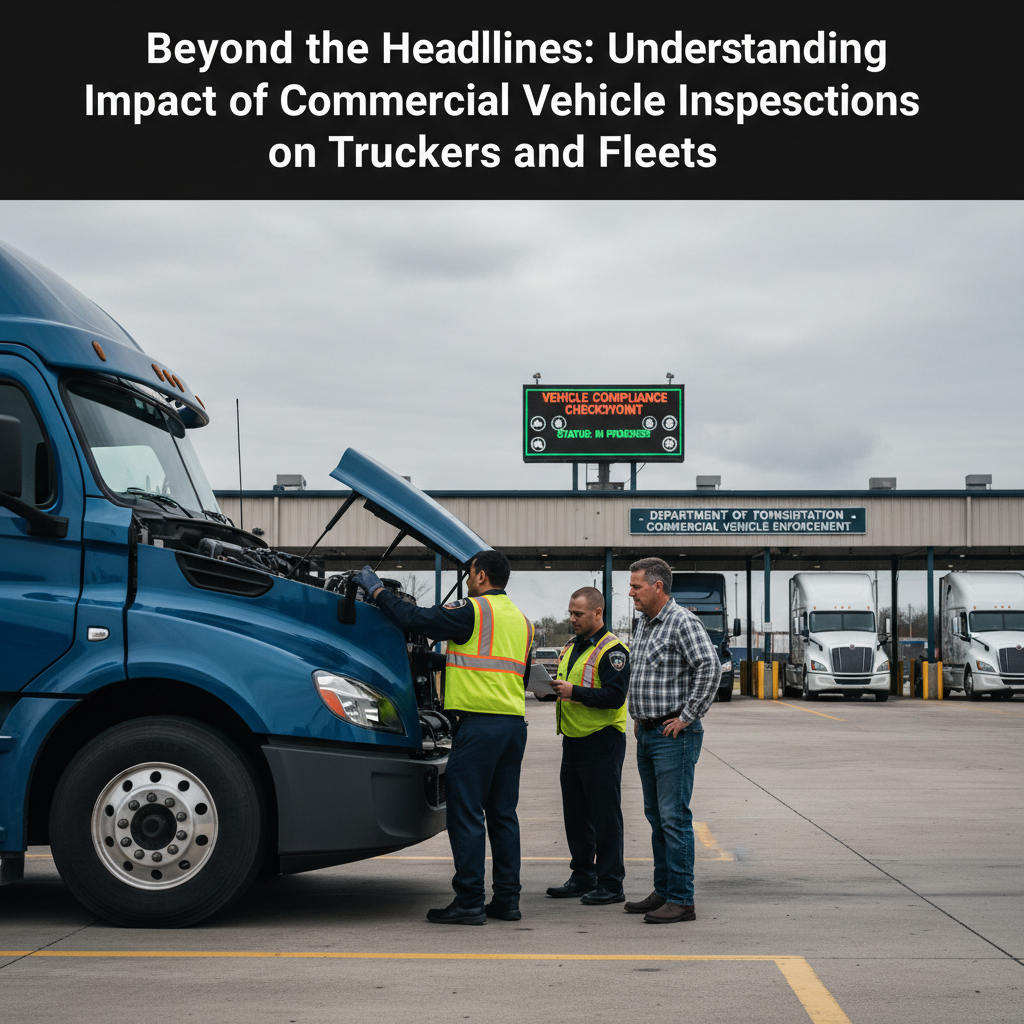
In an industry as vital and regulated as trucking, every commercial vehicle inspection carries significant weight, not just for the individual driver involved, but for the entire supply chain. While most inspections conclude with a clean bill of health, ensuring safety and compliance, some unfortunately uncover serious violations that cast a shadow over the profession. A recent incident in Nebraska serves as a stark reminder of the rigorous scrutiny commercial drivers face and the severe consequences of engaging in illegal activities.
On Tuesday, February 24, 2026, a routine commercial vehicle inspection conducted by a Nebraska State Patrol (NSP) Carrier Enforcement trooper on I-80 near mile marker 254 escalated dramatically. What began as a standard check for vehicle safety and driver compliance quickly turned into a criminal investigation. The trooper, trained to identify subtle indicators of illicit activity, developed suspicions during the inspection of a semi-truck. These suspicions led to the deployment of a canine unit, a common and effective tool in drug interdiction efforts, which subsequently alerted to the presence of narcotics within the truck's cab. The ensuing search uncovered a staggering 242 pounds of cocaine, meticulously concealed beneath the bed in the sleeper berth area. The driver, Arwinderjit Singh, 30, of Manteca, California, was immediately arrested and booked into the Dawson County Jail. He faces multiple serious charges, including possession of cocaine, possession with intent to deliver, possession of an open alcohol container, and displaying a fictitious license plate.
This incident, while an extreme example, highlights several critical aspects of commercial vehicle operations that every CDL driver and fleet manager must understand. It underscores the omnipresent nature of law enforcement oversight, the importance of maintaining strict compliance, and the profound personal and professional repercussions of deviating from legal and ethical standards.
The Role of Commercial Vehicle Inspections: More Than Just a Stop
Commercial vehicle inspections are a cornerstone of road safety. Agencies like the Nebraska State Patrol, along with their federal counterparts, conduct thousands of these inspections annually. Their primary goal is to ensure that commercial motor vehicles (CMVs) and their drivers comply with federal and state regulations, thereby preventing accidents, reducing fatalities, and maintaining the integrity of the transportation system. Inspections cover a wide range of areas, including:
- Driver Qualifications: Valid CDL, medical certification, hours of service (HOS) compliance, endorsements.
- Vehicle Condition: Brakes, tires, lighting, steering, suspension, coupling devices, frame, exhaust systems, and general mechanical fitness.
- Cargo Securement: Proper loading and securement to prevent shifting or falling freight.
- Hazardous Materials: Compliance with placarding, documentation, and handling requirements for hazmat loads.
- Drug and Alcohol Screening: Although not every inspection involves a drug test, officers are trained to identify signs of impairment and can request testing if suspicion arises.
For professional truck drivers, understanding the inspection process is crucial. A clean inspection record not only keeps you on the road but also reflects positively on your professionalism and your carrier's safety rating. Conversely, violations can lead to citations, fines, out-of-service orders, and negatively impact a driver's CSA (Compliance, Safety, Accountability) score and a carrier's SMS (Safety Measurement System) scores.
The Red Flags: What Triggers Deeper Scrutiny?
While many inspections are random or part of routine enforcement efforts at weigh stations, certain factors can elevate a trooper's suspicion and lead to a more thorough examination, sometimes involving specialized units like K9 teams. In the Nebraska case, the trooper 'became suspicious of criminal activity.' While the specific details are not always disclosed, common indicators that might raise an officer's suspicion include:
- Unusual Driver Behavior: Excessive nervousness, evasiveness, inconsistencies in answers, or attempts to conceal items.
- Vehicle Discrepancies: Unregistered vehicles, mismatched license plates (as in the Nebraska incident), or vehicles that appear to be modified in unusual ways.
- Logbook or Documentation Issues: Incomplete or falsified logs, missing permits, or suspicious paperwork.
- Cargo Irregularities: Unusual or inconsistent cargo descriptions, unsecured loads, or a manifest that doesn't align with the truck's appearance or route.
- Previous Violations: A history of non-compliance can sometimes flag a driver or carrier for closer inspection.
- Physical Indicators: Strong odors, visible contraband, or unusual modifications to the vehicle's interior or exterior.
Fleet managers should educate their drivers on these potential red flags and emphasize the importance of professionalism, honesty, and full cooperation during any inspection. Training drivers to remain calm, provide accurate information, and understand their rights and responsibilities can significantly impact the outcome of an inspection.
The Devastating Consequences of Illegal Activities
The Nebraska incident serves as a stark warning about the severe consequences of using commercial vehicles for illicit purposes. For Arwinderjit Singh, the charges he faces—possession of cocaine, possession with intent to deliver, possession of an open alcohol container, and displaying a fictitious license plate—carry potentially decades-long prison sentences, substantial fines, and the permanent loss of his CDL. Beyond the legal ramifications, his career in trucking is undoubtedly over, and his reputation irrevocably damaged.
For the trucking industry as a whole, such incidents, though rare, can unfortunately fuel negative stereotypes and increase scrutiny on all drivers. They can lead to more stringent enforcement, longer inspection times, and a general erosion of public trust. This is why the vast majority of law-abiding drivers and responsible carriers are so critical of those who engage in criminal acts, as it jeopardizes the livelihood and reputation of everyone in the profession.
Protecting Your CDL and Your Career: Actionable Advice for Drivers
- Know Your Regulations: Stay updated on federal and state DOT regulations, HOS rules, and cargo securement standards. Ignorance is not a defense.
- Pre-Trip and Post-Trip Inspections are Non-Negotiable: Thoroughly inspect your vehicle before and after every trip. This not only ensures safety but also helps you identify and rectify minor issues before they become violations during an inspection.
- Maintain Accurate Records: Keep your logbook, permits, and other documentation meticulously organized and up-to-date. Any discrepancies can raise suspicion.
- Professionalism at All Times: Be courteous, cooperative, and honest with law enforcement officers. Maintain a professional demeanor, even if you feel stressed or unfairly targeted. Avoid arguing or making confrontational statements.
- Never Transport Unknown or Suspicious Cargo: Be extremely wary of requests to transport items outside of official manifests or from unknown parties. If something feels off, trust your instincts and report it to your dispatcher or employer.
- Avoid All Contraband: This includes illegal drugs, unauthorized weapons, and even open containers of alcohol in the cab. The presence of any illicit substance can lead to immediate arrest and severe penalties.
- Understand Your Rights: While you must cooperate with an inspection, you also have rights. If you believe your rights are being violated, calmly state your concerns and, if possible, contact your employer or legal counsel.
Safeguarding Your Fleet: Advice for Fleet Managers
- Robust Driver Training and Education: Implement comprehensive training programs that cover not only safety and compliance but also ethical conduct, drug and alcohol policies, and how to handle roadside inspections professionally.
- Thorough Background Checks: Conduct exhaustive background checks on all potential hires to mitigate risks associated with criminal activity.
- Clear Policies on Contraband: Establish and clearly communicate a zero-tolerance policy for drugs, alcohol, and other illegal substances in company vehicles. Ensure drivers understand the severe consequences of non-compliance.
- Regular Vehicle Maintenance: Implement a proactive maintenance schedule to ensure all vehicles are in top mechanical condition, reducing the likelihood of vehicle-related violations during inspections.
- Technology for Compliance: Utilize ELDs (Electronic Logging Devices) and other telematics systems to monitor HOS, vehicle performance, and driver behavior, ensuring compliance and identifying potential issues early.
- Support for Drivers: Provide resources and support for drivers who encounter issues during inspections, including legal guidance if necessary. Foster an environment where drivers feel comfortable reporting suspicious activities or concerns without fear of reprisal.
- Monitor CSA Scores: Regularly review your fleet's CSA scores and address any patterns of violations. High scores can lead to more frequent and intensive inspections.
The Nebraska incident serves as a potent reminder that the trucking industry, while essential, is also a target for those seeking to exploit its vast network for illegal purposes. For the vast majority of honest, hardworking CDL drivers and diligent fleet managers, it reinforces the critical importance of unwavering commitment to safety, compliance, and ethical conduct. By remaining vigilant, professional, and adhering to all regulations, the industry can collectively work to prevent such incidents and uphold its reputation as the backbone of the nation's economy.
Helpful Resources for CDL Drivers
Comments (0)
Sign in to join the conversation
Sign In to CommentNo comments yet. Be the first to share your thoughts!
Explore More
Driver Resources
Educational guides on CDL licensing, salary expectations, and route planning tips.
Browse CDL Jobs
Find your next driving opportunity. Search by location, route type, and CDL class.
CDL Salary Guide
Understand how pay varies by experience, route type, and location in the trucking industry.