
Catastrophic Wheel Separation: A Wake-Up Call for CDL Drivers and Fleet Managers on Vehicle Maintenance and Safety
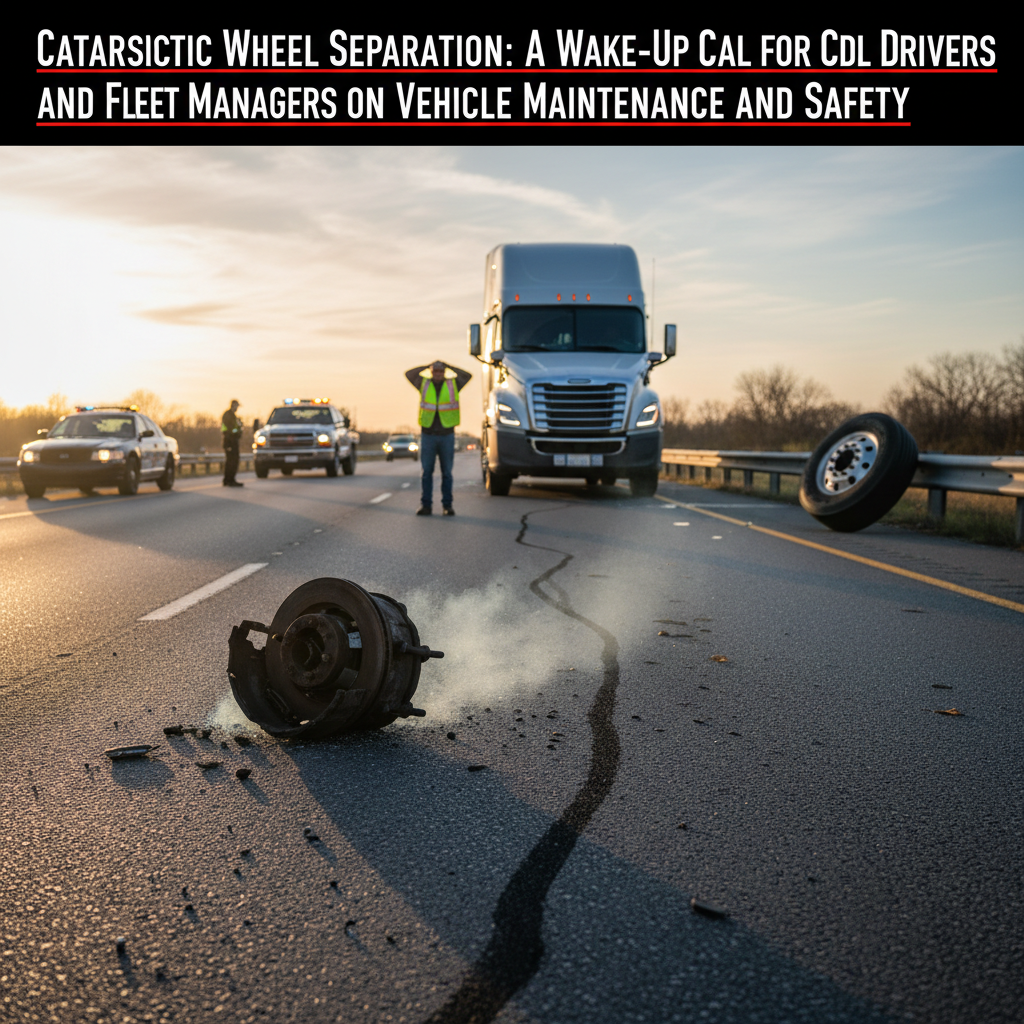
In the demanding world of commercial trucking, safety is paramount. Every mile traveled, every load hauled, and every delivery made hinges on the reliability and roadworthiness of the commercial motor vehicle (CMV). A recent incident in Hearst, Ontario, serves as a stark reminder of the potentially catastrophic consequences of neglected vehicle maintenance, particularly concerning wheel assemblies. What began as a report of a smoking tire quickly escalated into the discovery of a complete wheel separation on a trailer, coupled with multiple missing lug nuts. This alarming event led to charges against both the truck driver and the Winnipeg-based trucking company, underscoring the shared responsibility for ensuring vehicle integrity.
The Ontario Provincial Police (OPP) – North East Region responded to the initial call on February 21st, involving a commercial vehicle exhibiting a smoking tire. Upon locating the CMV, officers discovered a critical defect: the front passenger-side wheel of the trailer had completely separated, and several lug nuts were absent. This isn't just a minor mechanical issue; it's a severe safety hazard that could lead to loss of control, serious accidents, injuries, or even fatalities. The immediate legal repercussions for operating an unsafe vehicle with a major defect highlight the stringent regulations governing commercial transport and the severe penalties for non-compliance.
For CDL drivers, this incident is a powerful illustration of why pre-trip and post-trip inspections are not merely regulatory formalities but critical safety protocols. The responsibility to identify and report defects rests heavily on the driver's shoulders. A thorough inspection can catch issues like loose or missing lug nuts before they escalate into a dangerous wheel separation. For fleet managers, it emphasizes the need for robust maintenance programs, comprehensive driver training, and a culture that prioritizes safety above all else. Understanding the mechanics of wheel assemblies, the common causes of failure, and the preventative measures that can be taken is essential for everyone involved in the trucking industry.
The Anatomy of a Wheel Separation: Understanding the Risks
Wheel separation, while relatively rare, is one of the most dangerous mechanical failures a commercial vehicle can experience. When a wheel detaches from a moving truck or trailer, it becomes an uncontrolled projectile, posing an immense threat to other motorists, pedestrians, and property. The forces involved can propel a heavy truck wheel and tire assembly at high speeds, causing severe damage and potential fatalities. The underlying causes are often preventable and typically stem from a combination of factors related to improper installation, inadequate maintenance, and operational stresses.
Common Causes of Wheel Separation:
- Loose or Missing Lug Nuts: This is arguably the most frequent culprit. Lug nuts can loosen due to improper torque during installation, vibration during operation, or corrosion. Once one or more lug nuts become loose, the remaining nuts bear increased stress, leading to further loosening or shearing. The incident in Hearst explicitly cited missing lug nuts, indicating a severe oversight.
- Improper Torque: Lug nuts must be tightened to specific torque specifications using a calibrated torque wrench. Under-torquing can lead to loosening, while over-torquing can stretch or damage the studs, making them prone to failure. Both scenarios compromise the integrity of the wheel attachment.
- Damaged Wheel Studs or Hubs: Worn, corroded, or damaged wheel studs can fail under stress. Similarly, damage to the wheel hub or mounting surface can prevent proper seating of the wheel, leading to uneven pressure distribution and eventual failure.
- Contamination Between Mating Surfaces: Dirt, rust, paint, or debris between the wheel and hub mounting surfaces can prevent proper clamping force, allowing lug nuts to loosen. It's crucial for these surfaces to be clean and free of obstructions.
- Bearing Failure: While not directly a cause of lug nut failure, a failing wheel bearing can generate excessive heat and vibration, which can indirectly contribute to lug nut loosening or stud fatigue over time.
- Incorrect Wheel or Component Compatibility: Using incorrect wheels, studs, or nuts that are not compatible with the vehicle's specifications can lead to improper fitment and premature failure.
- Fatigue and Wear: Over time, components are subject to metal fatigue. Regular inspections are necessary to identify and replace worn parts before they fail.
The Driver's Role: Your Eyes and Ears on the Road
For CDL drivers, the pre-trip inspection is your first line of defense against mechanical failures. It's not just a checklist; it's a critical safety ritual that can save lives and prevent costly breakdowns. The incident in Hearst highlights specific areas that demand meticulous attention:
- Wheel and Tire Inspection: This goes beyond checking tire pressure and tread depth. Drivers must visually inspect all lug nuts for presence, tightness, and signs of damage. Look for rust streaks emanating from lug nuts, which can indicate movement and loosening. Check for shiny spots on the wheel or hub where nuts might be rubbing, another sign of loosening. A smoking tire, as reported in the incident, is a clear indicator of excessive friction, often caused by a loose wheel, dragging brakes, or a failing bearing. This should immediately trigger a safe stop and thorough investigation.
- Listening for Unusual Noises: Drivers spend countless hours in their cabs. They become attuned to the normal sounds of their rig. Any new or unusual noises, especially grinding, clunking, or squealing from the wheel area, warrant immediate attention.
- Feeling for Vibrations: Unexplained vibrations through the steering wheel, floorboard, or seat can signal an issue with wheels, tires, or suspension components. Don't ignore these subtle cues.
- Post-Trip Inspection and Reporting: Just as important as the pre-trip, the post-trip inspection allows drivers to identify issues that may have developed during the day's operation. Promptly reporting any defects to fleet maintenance is crucial. Never assume a small issue will fix itself or can wait.
- Awareness of Torque Retorquing: New wheels, or wheels that have been removed and reinstalled, require retorquing after a certain number of miles (typically 50-100 miles) to ensure proper seating and prevent loosening. Drivers should be aware if their vehicle has recently had wheel work done and ensure this critical step is performed.
Fleet Manager's Imperative: Cultivating a Culture of Maintenance Excellence
Fleet managers bear significant responsibility for the overall safety and operational integrity of their vehicles. The Hearst incident underscores that legal accountability extends beyond the driver to the company itself. Proactive maintenance programs, comprehensive training, and a strong safety culture are non-negotiable.
Key Strategies for Fleet Managers:
- Robust Preventative Maintenance (PM) Schedules: Implement and strictly adhere to PM schedules that include detailed wheel and hub inspections. This should cover lug nut torque checks, inspection for stud damage, and assessment of wheel bearing condition. Utilize advanced diagnostic tools where appropriate.
- Driver Training and Empowerment: Provide thorough training on pre-trip and post-trip inspections, emphasizing critical components like wheel assemblies. Empower drivers to report defects without fear of reprisal and ensure that reported issues are addressed promptly and effectively. Drivers are the first line of defense; their observations are invaluable.
- Quality Parts and Professional Service: Use high-quality, OEM-approved parts for all repairs and replacements. Ensure that maintenance personnel are properly trained and certified, using calibrated tools (especially torque wrenches) for all wheel installations and service.
- Documentation and Record-Keeping: Maintain meticulous records of all vehicle inspections, maintenance, and repairs. This documentation is crucial for compliance, demonstrating due diligence, and identifying recurring issues. In the event of an incident, comprehensive records can be vital for legal defense.
- Technology Integration: Consider integrating technology solutions such as tire pressure monitoring systems (TPMS) that can also detect abnormal wheel temperatures, or even advanced telematics that can monitor vehicle health and alert to potential issues in real-time. While not a substitute for manual inspections, these tools can provide an additional layer of safety.
- Safety Culture Development: Foster a company culture where safety is the highest priority. Encourage open communication about safety concerns, conduct regular safety meetings, and recognize employees who demonstrate exemplary safety practices. A strong safety culture reduces incidents and improves overall operational efficiency.
- Regular Audits and Reviews: Periodically audit maintenance procedures, driver inspection logs, and vehicle conditions to ensure compliance and identify areas for improvement. Learn from incidents, both internal and external, to continuously refine safety protocols.
The Legal and Financial Ramifications of Negligence
The charges laid against both the driver and the company in the Hearst incident serve as a stark reminder of the legal and financial consequences of operating an unsafe CMV. Operating a vehicle with a 'major defect' is a serious offense. Penalties can include substantial fines, vehicle impoundment, out-of-service orders, increased insurance premiums, and even criminal charges in cases of severe negligence leading to injury or death.
For drivers, a conviction can impact their CDL, potentially leading to license suspension or revocation, making it difficult to continue their career. For trucking companies, the financial burden extends beyond fines to include legal fees, increased insurance costs, damage to reputation, loss of contracts, and potential civil lawsuits. The cost of a proactive maintenance program pales in comparison to the expenses incurred from a single preventable accident.
Actionable Takeaways for the Industry
This incident, while alarming, offers critical lessons for every stakeholder in the trucking industry. It's a call to action for renewed vigilance and commitment to safety.
- For Drivers: Take every pre-trip and post-trip inspection seriously. Pay meticulous attention to your wheels and tires. If you see something, say something. If you feel or hear something unusual, pull over safely and investigate. Your life, and the lives of others, depend on it.
- For Fleet Managers: Invest in robust preventative maintenance. Train your drivers thoroughly and empower them to be your eyes and ears. Foster a safety-first culture. Ensure all maintenance is performed by qualified personnel using proper tools and procedures. Regular audits of your safety and maintenance programs are essential.
- For Mechanics/Technicians: Understand the critical importance of proper torque specifications for lug nuts. Clean mating surfaces thoroughly. Never cut corners on wheel assembly maintenance. Your precision directly impacts road safety.
The trucking industry is the backbone of our economy, and its professionals deserve to operate in the safest possible environment. The catastrophic potential of a simple oversight, like missing lug nuts, should serve as a powerful motivator for continuous improvement in vehicle maintenance and safety practices across the board. Let the Hearst incident be a reminder that vigilance, thoroughness, and an unwavering commitment to safety are not just best practices – they are absolute necessities.
Helpful Resources for CDL Drivers
Comments (0)
Sign in to join the conversation
Sign In to CommentNo comments yet. Be the first to share your thoughts!
Explore More
Driver Resources
Educational guides on CDL licensing, salary expectations, and route planning tips.
Browse CDL Jobs
Find your next driving opportunity. Search by location, route type, and CDL class.
CDL Salary Guide
Understand how pay varies by experience, route type, and location in the trucking industry.