
Federal Fuel Tax Cap: A Potential Game Changer for Truckers' Operating Costs and Profitability
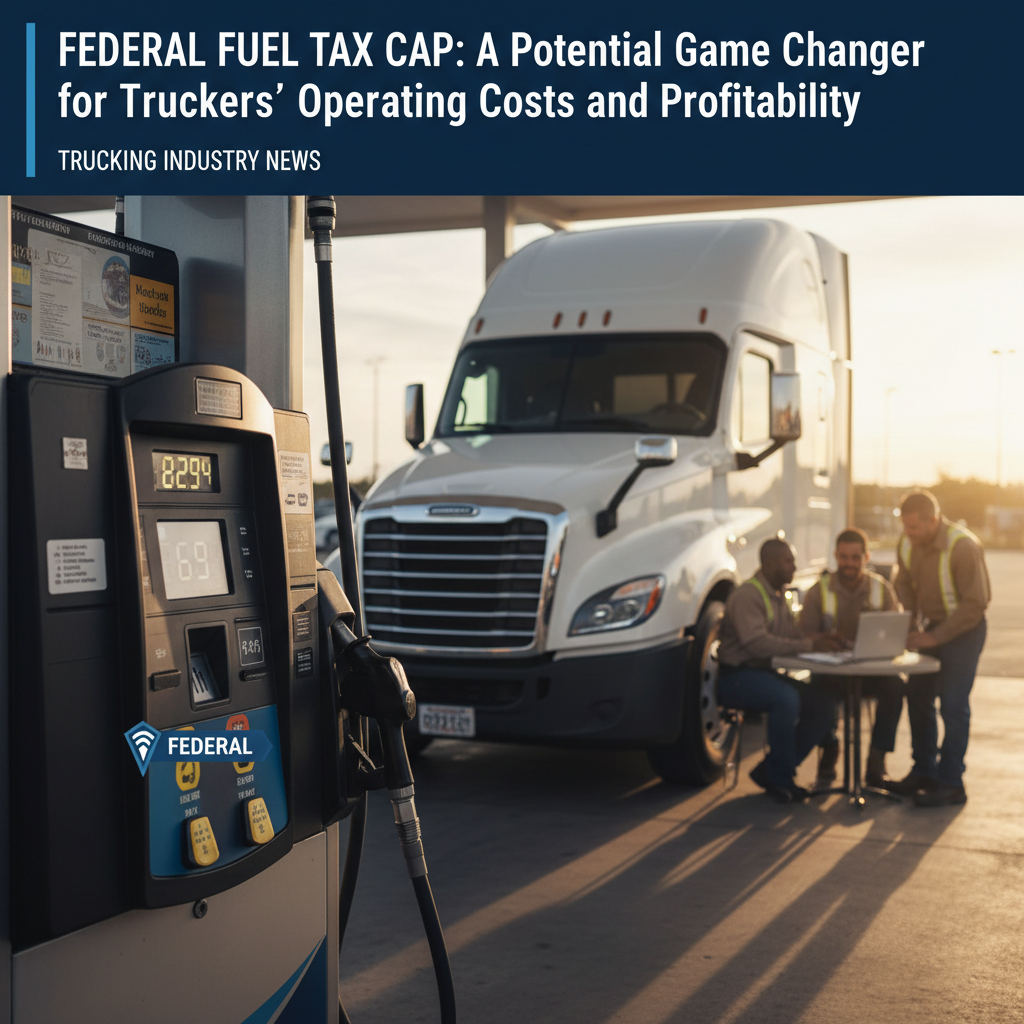
The trucking industry, the backbone of the American economy, constantly grapples with fluctuating operational costs, with fuel expenses often topping the list. A new legislative proposal, the "Gas Tax Reduction Act," introduced by U.S. Rep. Kevin Kiley, R-Calif., aims to impose a federal ceiling on state-level fuel taxes. While primarily targeting passenger vehicles, this legislation could significantly impact the financial landscape for CDL truck drivers and fleet managers nationwide, potentially slashing one of trucking's largest expenses and reshaping regional profit margins.
Understanding the Proposed Legislation: The 'Gas Tax Reduction Act'
At its core, the "Gas Tax Reduction Act" seeks to leverage federal highway funding to encourage states to cap their fuel taxes. Specifically, any state maintaining a fuel tax exceeding 50 cents per gallon would face an immediate 8% reduction in funding from two critical federal programs: the National Highway Performance Program and the Surface Transportation Block Grant Program. These programs are vital for maintaining and improving the nation's freight corridors, addressing crucial infrastructure needs, and funding initiatives like improved truck parking facilities.
Rep. Kiley's rationale behind this bill stems from a belief that high-tax states often overtax their citizens due to inefficient spending. He argues that federal transportation dollars should not subsidize state taxation policies that inflate the cost of living and doing business. For truckers, this translates directly to the cost of moving freight. States like California, Pennsylvania, Illinois, New Jersey, and Michigan currently have combined diesel tax rates (including excise taxes and other state fees) that exceed the proposed 50-cent cap. In California alone, this bill could reduce the state fuel tax burden by approximately 21 cents per gallon, a substantial saving that would ripple through the supply chain.
The Direct Impact on CDL Truck Drivers and Owner-Operators
For individual CDL truck drivers, especially owner-operators, fuel is often the single largest variable cost. Even a few cents per gallon can make a significant difference in daily and weekly profitability. Consider a long-haul driver covering 100,000 miles annually with a truck averaging 6 miles per gallon. This driver consumes roughly 16,667 gallons of fuel per year. A 21-cent reduction per gallon, as projected for California, would translate to annual savings of over $3,500. Multiply this across an entire fleet, and the numbers become staggering.
These savings aren't just about increased take-home pay; they directly influence competitive pricing. Lower fuel costs could allow owner-operators to offer more attractive rates, securing more loads and improving their market position. It also provides a much-needed buffer against other rising costs, such as maintenance, insurance, and equipment financing. For many drivers, this legislation could mean the difference between merely breaking even and achieving sustainable profitability, fostering greater stability in a demanding profession.
Implications for Fleet Managers and Trucking Companies
Fleet managers and trucking companies operate on much larger scales, making fuel efficiency and cost management paramount. A national fuel tax cap could usher in a new era of predictability and potentially higher profit margins. For fleets operating across multiple states, the International Fuel Tax Agreement (IFTA) already helps reconcile fuel taxes. However, a federal cap would significantly narrow the gap between high-tax and low-tax states, simplifying cost projections for interstate routes and reducing administrative burdens associated with disparate tax rates.
Imagine a fleet running routes through Pennsylvania, Illinois, and New Jersey – all states currently exceeding the 50-cent threshold. The cumulative savings across hundreds or thousands of trucks would be immense. These savings could be reinvested into the business, funding new equipment purchases, technology upgrades, driver training programs, or even increased driver pay and benefits, which are crucial for driver retention in a competitive labor market. Furthermore, reduced operating costs could enable carriers to absorb other inflationary pressures without immediately passing them on to shippers, thereby strengthening their competitive edge.
The Broader Economic Picture and Supply Chain Benefits
Beyond the direct financial gains for truckers, a reduction in fuel costs has a positive ripple effect throughout the entire supply chain and the broader economy. When transportation costs decrease, the cost of goods for consumers can also potentially decrease, combating inflation and boosting purchasing power. Shippers benefit from more stable and potentially lower freight rates, which in turn can improve their own profitability and competitiveness.
This legislation could also foster greater economic activity in states that currently have high fuel taxes. By reducing a significant barrier to entry and operation, it might encourage more trucking businesses to operate within or through these states, leading to increased job creation and local economic development. The efficiency gains from simplified tax structures and reduced operational overhead contribute to a more robust and resilient national supply chain, capable of responding better to market demands and disruptions.
Arguments For and Against: A Balanced Perspective
While the prospect of lower fuel costs is appealing to the trucking industry, it's essential to consider the counterarguments. Opponents of such measures, including many state governments, argue that these state fuel taxes are absolutely vital for funding critical infrastructure projects. They contend that these revenues are specifically earmarked for road safety improvements, bridge repairs, and air pollution reduction efforts. An 8% cut to federal transportation funding, they warn, could lead to more potholes, deteriorating infrastructure, and longer commutes – issues that directly impact truckers.
For truckers, poor road maintenance is a hidden tax. It leads to increased wear and tear on tires, suspension systems, and other components, resulting in higher maintenance costs and downtime. Therefore, a balance must be struck. The goal is to reduce the burden of high fuel taxes without inadvertently compromising the very infrastructure that truckers rely upon daily. Proponents of the bill would argue that the federal leverage is intended to encourage state fiscal responsibility, not to defund essential services, suggesting that states should find more efficient ways to manage their budgets rather than relying on what some consider excessive taxation.
Actionable Takeaways for Drivers and Fleet Managers
- Stay Informed: Monitor the progress of the "Gas Tax Reduction Act" and similar legislative efforts. Understanding the political landscape is crucial for anticipating potential changes in operating costs.
- Advocate: Engage with industry associations like the American Trucking Associations (ATA) or Owner-Operator Independent Drivers Association (OOIDA). These organizations actively lobby on behalf of truckers and can amplify your voice in Washington.
- Optimize Fuel Efficiency: Regardless of legislative outcomes, continuously focus on fuel efficiency. Implement best practices such as maintaining optimal tire pressure, reducing idling, utilizing aerodynamic enhancements, and adopting fuel-efficient driving techniques. Every gallon saved translates directly to your bottom line.
- Strategic Route Planning: For fleet managers, consider how potential tax caps might influence optimal routing strategies. If certain states become significantly cheaper for fuel, it could shift preferred corridors.
- Budget for Volatility: Even with potential caps, fuel prices will remain volatile. Maintain a robust budgeting strategy that accounts for price fluctuations and unexpected expenses. Hedging strategies or fuel surcharge programs can help mitigate risks.
- Invest in Technology: Explore telematics and fleet management software that provides real-time data on fuel consumption, driver behavior, and route optimization. These tools are invaluable for identifying areas of inefficiency.
Conclusion: A Path Towards Greater Financial Stability?
The "Gas Tax Reduction Act" represents a significant legislative attempt to address one of the trucking industry's most persistent financial challenges. While its passage and ultimate impact remain to be seen, the conversation it sparks is vital. For CDL truck drivers and fleet managers, the potential for reduced fuel costs offers a glimmer of hope for improved profitability, enhanced competitiveness, and greater financial stability in an industry that literally keeps America moving. By staying informed, advocating for their interests, and continuously optimizing their operations, trucking professionals can best prepare for whatever changes this proposed legislation, or similar future initiatives, may bring.
Helpful Resources for CDL Drivers
Comments (0)
Sign in to join the conversation
Sign In to CommentNo comments yet. Be the first to share your thoughts!
Explore More
Driver Resources
Educational guides on CDL licensing, salary expectations, and route planning tips.
Browse CDL Jobs
Find your next driving opportunity. Search by location, route type, and CDL class.
CDL Salary Guide
Understand how pay varies by experience, route type, and location in the trucking industry.