
FedEx Pilot Contract: What This Landmark Agreement Means for Trucking and Supply Chains
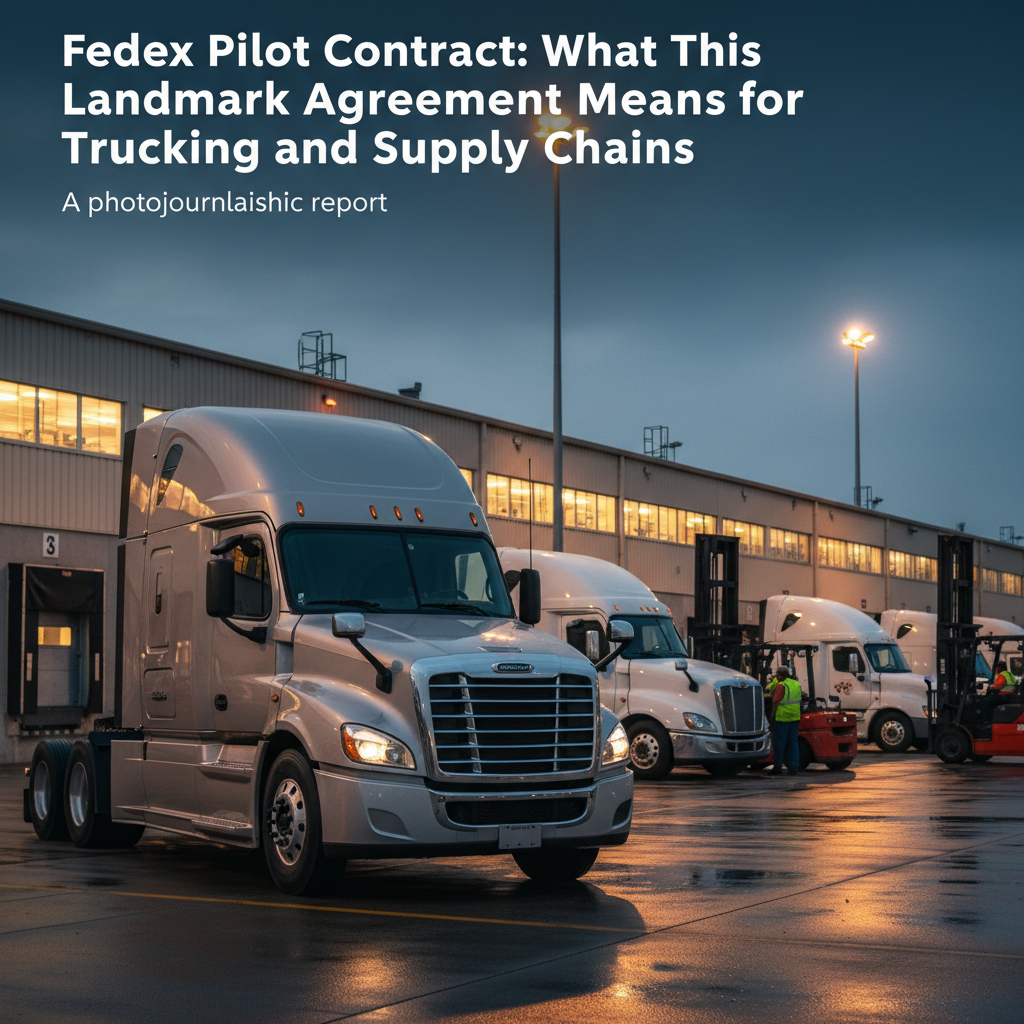
The intricate web of the global supply chain relies on a delicate balance of various transportation modes, from ocean freight to rail, and, crucially, air cargo and ground trucking. When one segment experiences significant shifts, the ripples are felt across the entire network. This is precisely why the recent tentative labor agreement between FedEx Corp. and its pilots, represented by the Air Line Pilots Association (ALPA), is more than just an aviation headline; it's a development with profound implications for CDL truck drivers, fleet managers, and the broader logistics landscape.
After a protracted five-year negotiation period, marked by previous rejections and intense discussions, a new tentative deal has been struck. This agreement, if ratified, promises substantial hourly pay increases, significant back pay for pilots, and a resolution to long-standing labor disputes. For those of us in the trucking industry, understanding the nuances of this agreement and its potential downstream effects is paramount for strategic planning and operational resilience.
The Heart of the Agreement: Key Provisions and Pilot Compensation
The core of the tentative agreement is centered on a significant boost in pilot compensation and benefits. According to ALPA, the deal includes an immediate hourly pay increase of nearly 40% in the first year, followed by consistent 3% annual raises starting in 2028. This is a substantial adjustment, reflecting the pilots' demands and the company's need to secure its critical air operations.
Beyond the immediate pay hikes, the agreement also addresses the issue of compensation missed during the extended negotiation period. Captains stand to receive up to $150,000 in back pay, while first officers could get up to $102,500. These figures underscore the financial impact of the prolonged talks and the company's commitment to making amends. In total, the agreement covers more than 5,000 aviators who are indispensable to FedEx's extensive airfreight business, which serves as a vital artery for express shipments and critical cargo worldwide.
This level of compensation adjustment is noteworthy. It not only aims to bring pilot pay in line with industry standards but also serves as a recognition of their demanding roles and the essential nature of their work. For fleet managers in trucking, this raises questions about competitive compensation in their own sector, particularly as the demand for skilled CDL drivers remains high.
A Long and Winding Road: The Negotiation History
The path to this tentative agreement has been anything but smooth. Negotiations first began in May 2021, stretching over five years. A previous tentative agreement reached in 2023 was ultimately rejected by the aviators, signaling their dissatisfaction with the terms offered at that time. This rejection underscored the pilots' resolve and their willingness to hold out for a deal they felt adequately reflected their value and concerns.
The involvement of the National Mediation Board (NMB) in 2022 highlights the gravity of the dispute. Under the Railway Labor Act, which governs airline and railroad labor relations, contracts do not expire, and unions are generally prohibited from unilaterally declaring a strike. This legal framework often leads to lengthy negotiation processes, with the NMB stepping in to mediate when talks stall. The pilots had been operating under a contract reached way back in 2015, making the need for a new, updated agreement increasingly urgent.
For fleet managers, this saga offers a valuable lesson in labor relations and the importance of proactive engagement. Protracted negotiations can create uncertainty, impact morale, and potentially disrupt operations. While the trucking industry operates under different labor laws, the principle of maintaining open communication and addressing employee concerns before they escalate is universally applicable.
FedEx's Strategic Overhaul and Union Concerns
During the five years of negotiations, FedEx embarked on a significant strategic initiative: integrating its ground and air-delivery networks. This sweeping plan, aimed at improving efficiency, streamlining operations, and cutting costs, has been a cornerstone of the company's recent business strategy. The goal is to create a more cohesive and cost-effective logistics giant, capable of competing more effectively in a rapidly evolving market.
However, this integration plan has not been without its challenges, particularly from the union's perspective. ALPA voiced complaints regarding disruptions to pilot scheduling and other operational issues stemming from the network overhaul. These concerns highlight the complexities of large-scale corporate transformations, especially when they intersect with established labor agreements and employee expectations.
For CDL drivers and fleet managers, this strategic integration by a major player like FedEx is highly relevant. It reflects a broader industry trend towards optimizing multi-modal logistics. As ground and air operations become more intertwined, the efficiency of one directly impacts the other. For instance, delays in air cargo can lead to surges in demand for expedited ground transport, or vice versa. Understanding these interdependencies is crucial for managing driver schedules, optimizing routes, and ensuring timely deliveries.
Broader Implications for the Logistics and Trucking Industry
Impact on Supply Chain Stability
The resolution of this labor dispute brings a much-needed sense of stability to FedEx's air operations. Given FedEx's critical role as a global freight carrier (ranking No. 3 on the TT Top 50 list of largest global freight carriers and No. 2 on the Top 100 for-hire carriers in North America), any disruption to its air network would have significant repercussions across the entire supply chain. From high-value electronics to pharmaceuticals, countless goods rely on FedEx's express air services. A stable pilot workforce ensures these critical shipments continue to move efficiently, preventing bottlenecks that could cascade down to ground transportation.
For fleet managers, this means less uncertainty regarding air cargo handoffs and more predictable freight volumes. It allows for better planning of ground routes, driver assignments, and equipment utilization, reducing the risk of unexpected surges or drops in demand tied to airfreight disruptions.
Wage Pressure and Driver Compensation
The substantial pay increases secured by FedEx pilots could set a precedent or at least contribute to the ongoing conversation about compensation across the transportation sector. While the skills and training required for airline pilots are distinct from those of CDL drivers, the principle of demanding fair compensation for essential, highly skilled labor remains consistent. Trucking companies are already grappling with driver shortages and the need to offer competitive wages and benefits to attract and retain talent.
Fleet managers should view this as another data point in the evolving landscape of labor costs. As the cost of labor in one segment of logistics rises, it can create upward pressure in others. Evaluating current compensation packages, benefits, and working conditions for CDL drivers becomes even more critical to ensure a stable and motivated workforce. Investing in drivers through better pay, improved working conditions, and professional development can mitigate turnover and enhance operational efficiency.
Intermodal Synergy and Competition
FedEx's continued push to integrate its air and ground networks underscores the growing importance of intermodal synergy. This strategy aims to create a seamless flow of goods, leveraging the strengths of each transportation mode. For CDL drivers, this means potentially more coordinated efforts with air cargo hubs, requiring precision in timing for pickups and deliveries to meet tight flight schedules or clear incoming freight efficiently.
Moreover, the stability in FedEx's air operations strengthens its competitive position against rivals like UPS and other logistics providers. This heightened competition can lead to innovations in service, efficiency, and pricing, which can indirectly benefit trucking companies that partner with these giants or compete in similar express delivery markets. Fleet managers should stay attuned to these competitive dynamics, as they can influence freight volumes, service requirements, and technological advancements within the industry.
Technology and Efficiency Drives
The push for efficiency and cost-cutting that motivated FedEx's network integration is a constant theme across the logistics sector. This often translates into greater adoption of technology – from advanced telematics and route optimization software for trucking fleets to automated sorting facilities and predictive analytics. For CDL drivers, this means interacting with more sophisticated dispatch systems, utilizing in-cab technology, and adapting to increasingly optimized routes and delivery windows.
Fleet managers must continue to invest in technology that enhances efficiency, safety, and driver experience. This includes solutions for real-time tracking, electronic logging devices (ELDs), and systems that integrate seamlessly with major logistics partners like FedEx. The goal is to reduce empty miles, improve fuel efficiency, and streamline administrative tasks, ultimately contributing to a more profitable and sustainable operation.
Actionable Takeaways for CDL Drivers and Fleet Managers
For CDL Truck Drivers:
- Stay Informed on Industry Trends: The FedEx pilot agreement highlights how interconnected the transportation industry is. Understanding developments in air cargo, rail, and maritime shipping can provide insights into future freight patterns and demands for ground transport. This knowledge can help you anticipate busy periods or shifts in freight types.
- Highlight Your Value: Just as pilots are securing significant compensation for their specialized skills, CDL drivers possess critical expertise. Recognize the high demand for your professional driving skills and the essential role you play in the supply chain. Be prepared to advocate for fair compensation and good working conditions that reflect your contribution.
- Adapt to Intermodal Operations: As logistics companies like FedEx integrate their networks, you may find yourself working more closely with air cargo facilities or other intermodal hubs. Punctuality, precision, and adherence to specific protocols for these transfers will become even more critical. Familiarize yourself with the procedures for handling air freight or other specialized cargo.
- Embrace Technology: The drive for efficiency means more technology in the cab and in dispatch. Being proficient with ELDs, navigation systems, and communication platforms will make you a more valuable and efficient driver. Continuous learning in this area is key.
For Fleet Managers:
- Proactive Labor Strategy: The FedEx pilot negotiations underscore the importance of proactive labor relations. Regularly review driver compensation, benefits, and working conditions to ensure they remain competitive and address driver concerns before they escalate. A satisfied workforce is a stable workforce.
- Optimize Intermodal Connectivity: With major players like FedEx streamlining their air and ground operations, ensure your fleet is optimized for seamless intermodal transfers. This includes having the right equipment, trained drivers, and efficient processes for pickups and deliveries at air cargo terminals, rail yards, and ports. Minimize dwell times and maximize throughput.
- Invest in Technology and Training: Leverage technology to enhance efficiency, safety, and driver satisfaction. This includes advanced telematics, route optimization software, and systems that provide real-time visibility. Provide ongoing training for drivers on new technologies and best practices for intermodal operations.
- Diversify and Adapt: While stability in FedEx's air operations is positive, the broader logistics landscape is always evolving. Maintain flexibility in your operations and consider diversifying your client base or service offerings to mitigate risks associated with reliance on a single freight source or mode. Be prepared to adapt quickly to shifts in freight demand and supply chain dynamics.
- Monitor Economic Indicators: Keep a close eye on economic indicators that influence both air cargo and ground freight volumes. Global trade policies, consumer spending, and manufacturing output all have a direct impact on the demand for transportation services. Informed decision-making relies on a comprehensive understanding of these factors.
The Road Ahead: A Stable Foundation for Growth
The tentative agreement between FedEx and its pilots marks a significant milestone, resolving a long-standing labor dispute that had cast a shadow of uncertainty over a crucial segment of the global supply chain. For CDL drivers and fleet managers, this development signals a period of greater stability in air cargo operations, which in turn can lead to more predictable ground freight volumes and streamlined intermodal processes.
However, it also serves as a powerful reminder of the ongoing pressures and evolving dynamics within the transportation industry. The drive for efficiency, the demand for competitive compensation, and the increasing integration of different logistics modes are trends that will continue to shape the future of trucking. By staying informed, adapting to new technologies, and prioritizing their workforce, CDL drivers and fleet managers can navigate these changes successfully and continue to play their indispensable role in keeping the world's goods moving.
The trucking industry is the backbone of commerce, and understanding the broader logistics ecosystem, including developments in airfreight, is essential for every professional on the road and in the office. This FedEx agreement isn't just about pilots; it's about the health and efficiency of the entire supply chain, and that directly impacts every truck driver and fleet manager across North America.
Helpful Resources for CDL Drivers
Comments (0)
Sign in to join the conversation
Sign In to CommentNo comments yet. Be the first to share your thoughts!
Explore More
Driver Resources
Educational guides on CDL licensing, salary expectations, and route planning tips.
Browse CDL Jobs
Find your next driving opportunity. Search by location, route type, and CDL class.
CDL Salary Guide
Understand how pay varies by experience, route type, and location in the trucking industry.