
Fuel Surcharge Denials: What Maersk's Maritime Struggles Mean for Trucking Fleets and CDL Drivers
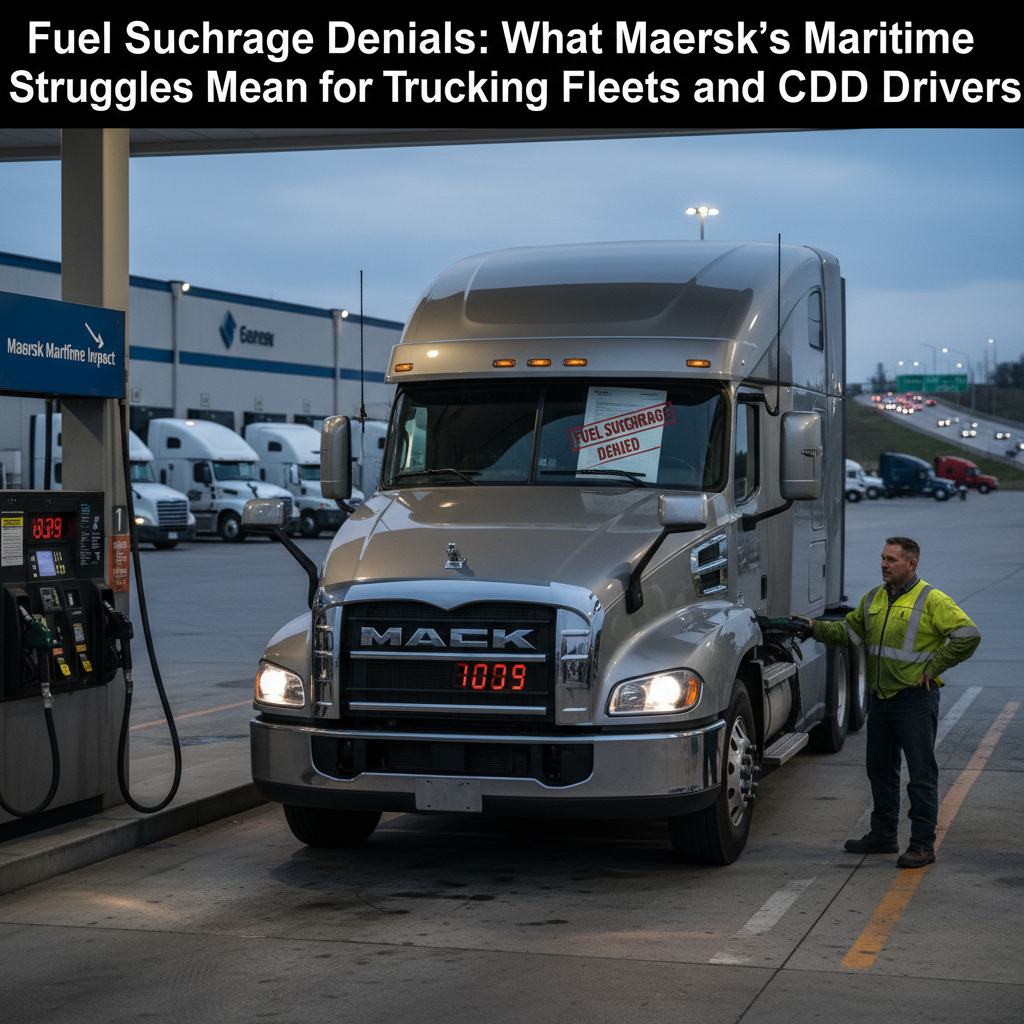
In the complex world of global logistics, events in one sector often send ripple effects through the entire supply chain. Recently, the Federal Maritime Commission (FMC) made headlines by repeatedly denying Maersk's urgent requests to fast-track an emergency fuel surcharge. While this decision directly impacts ocean carriers, its implications for the broader freight industry, including trucking fleets and the dedicated CDL drivers who keep America moving, are significant. Understanding these dynamics is crucial for fleet managers planning budgets and for drivers navigating the ever-changing landscape of operational costs.
The core of the issue stems from a dramatic surge in bunker fuel prices, which Maersk attributed to the geopolitical instability caused by the Iran conflict and the subsequent closure of the Strait of Hormuz. The company argued that these soaring costs, with Very Low Sulfur Fuel Oil (VLSFO) prices nearly doubling in a short period, were unsustainable and necessitated an immediate surcharge to recoup losses. However, the FMC, the regulatory body overseeing maritime commerce, twice rejected Maersk's pleas, citing a lack of 'good cause' to waive the standard 30-day notice period required for such surcharges.
For CDL truck drivers and fleet managers, this scenario offers a stark reminder of the volatility inherent in fuel markets and the critical role surcharges play in maintaining operational viability. Just as ocean carriers face fluctuating bunker fuel costs, trucking companies constantly grapple with diesel price swings. While the mechanisms for implementing fuel surcharges differ between maritime and ground transport, the underlying principle remains the same: carriers need a way to offset sudden, significant increases in their primary operational expense.
The Ripple Effect: From Ocean to Highway
When major ocean carriers like Maersk face unexpected cost hikes and regulatory hurdles, it creates a cascade of challenges that eventually reach the trucking industry. Here's how:
- Increased Shipping Costs (Eventually): Even without an immediate emergency surcharge, ocean carriers will eventually pass on their increased fuel costs to shippers through standard pricing adjustments or later-implemented surcharges. These higher import/export costs translate to higher prices for goods, which can impact consumer demand and, consequently, the volume of freight available for truckers.
- Supply Chain Disruptions: Geopolitical events that affect maritime routes, such as the closure of a vital strait, can lead to longer transit times, rerouting, and port congestion. This directly impacts the efficiency of drayage operations, leading to delays for truck drivers waiting to pick up or drop off containers at ports. Every hour a truck sits idle due to port congestion is an hour lost, impacting driver hours of service (HOS) and fleet profitability.
- Pressure on Domestic Freight Rates: If global supply chains become more expensive or less reliable, some businesses might look to source goods domestically. While this could theoretically increase demand for domestic trucking, the overall economic pressure from higher import costs could also lead to tighter margins for shippers, who then push for lower rates from trucking companies. This creates a challenging environment for fleet managers trying to maintain competitive pricing while covering their own rising fuel costs.
- Fuel Price Volatility: The very events driving up bunker fuel prices (like the Iran conflict) also tend to drive up crude oil prices globally, directly impacting diesel prices at the pump. Trucking fleets are immediately exposed to this volatility, making budgeting and forecasting incredibly difficult. Maersk's struggle highlights how quickly fuel costs can escalate and how crucial it is for all carriers to have mechanisms to adapt.
Understanding Fuel Surcharges in Trucking
Unlike the FMC's strict regulations for maritime carriers, fuel surcharges in the trucking industry are typically negotiated directly between carriers and shippers. However, the principles are similar. A well-structured fuel surcharge program is vital for fleet managers to protect their bottom line and for drivers to understand how their compensation might be affected. Here's what fleet managers and drivers should know:
- Calculation Methods: Fuel surcharges are often calculated based on a baseline fuel price, with an additional charge applied for every cent or dollar increase above that baseline. This can be a fixed percentage of the freight rate, a per-mile charge, or a flat fee per load, adjusted weekly based on national or regional average diesel prices (e.g., EIA national average).
- Transparency is Key: For fleet managers, clear communication with shippers about the fuel surcharge mechanism is paramount. For drivers, understanding how fuel surcharges contribute to the overall freight rate can provide insight into the financial health of their company and the industry at large.
- Protecting Profit Margins: Fuel is often the second-largest operating expense for trucking companies, after driver wages. Without an effective fuel surcharge, sudden price spikes can quickly erode profit margins, making it difficult to invest in new equipment, technology, or driver retention programs.
- Driver Compensation: In many owner-operator and lease-purchase agreements, drivers are responsible for their own fuel costs. A well-structured fuel surcharge passed through to these drivers can help them absorb rising expenses and maintain their profitability. For company drivers, high fuel costs can indirectly impact wages if the company's financial health is compromised.
Actionable Takeaways for Fleet Managers
- Monitor Global Events: Stay informed about geopolitical developments, especially those affecting major oil-producing regions or critical shipping lanes. These events are often leading indicators of future fuel price volatility.
- Review Fuel Surcharge Policies Regularly: Ensure your fuel surcharge mechanism is robust, fair, and responsive to market changes. Don't wait for a crisis to realize your policy is outdated or insufficient. Negotiate clear terms with shippers.
- Invest in Fuel Efficiency: While surcharges help, proactive measures are better. Equip your fleet with aerodynamic features, low-rolling-resistance tires, and telematics systems that monitor and improve driving behavior. Every gallon saved directly impacts your bottom line.
- Diversify Fueling Strategies: Explore options like bulk fuel purchases, fuel cards with discounts, and even alternative fuels if viable for your operation. Consider hedging strategies if your scale allows.
- Communicate with Drivers: Be transparent about fuel costs and how they impact the business. Educate drivers on fuel-efficient driving techniques and incentivize good practices.
Practical Advice for CDL Drivers
- Practice Fuel-Efficient Driving: Smooth acceleration, maintaining consistent speeds, anticipating traffic, and minimizing idle time can significantly reduce your fuel consumption. These habits not only save your company money (or your own, if you're an owner-operator) but also contribute to safer driving.
- Stay Informed: Understand the current price of diesel and how it compares to historical averages. This knowledge helps you appreciate the financial pressures on your fleet or your own business.
- Optimize Routes: Work with dispatch to plan the most fuel-efficient routes, avoiding unnecessary detours or heavy traffic areas when possible. Utilize navigation tools that provide real-time traffic and road condition updates.
- Perform Pre-Trip Inspections Diligently: Properly inflated tires, well-maintained engines, and correctly adjusted components all contribute to better fuel economy. Your attention to detail during inspections directly impacts operational efficiency.
- Understand Your Compensation Structure: If you're an owner-operator or lease-purchase driver, ensure you understand how fuel surcharges are applied to your loads and how they affect your take-home pay. Negotiate favorable terms where possible.
The Broader Economic Picture
Maersk's situation underscores a fundamental truth: the global supply chain is interconnected. When one segment faces significant challenges, the effects reverberate. The FMC's decision to deny the fast-tracking of a fuel surcharge, while perhaps seen by some as a protective measure against 'profiteering,' also highlights the delicate balance between regulatory oversight and the urgent operational needs of carriers. For trucking, this means that while we operate primarily on land, the health of maritime trade, global energy markets, and international relations directly influences our daily operations.
As the trucking industry continues to navigate economic uncertainties, workforce shortages, and evolving regulations, staying agile and informed is paramount. The lessons learned from Maersk's struggle with rising fuel costs and regulatory hurdles serve as a valuable case study for every fleet manager and CDL driver dedicated to keeping the wheels of commerce turning. By understanding these broader market forces and implementing proactive strategies, the trucking sector can better prepare for and mitigate the inevitable challenges that arise from a dynamic global economy. Ultimately, resilience in the face of fuel price volatility and supply chain disruptions is built on sound planning, efficient operations, and a deep understanding of the intricate web that connects every link in the freight journey.
Helpful Resources for CDL Drivers
Comments (0)
Sign in to join the conversation
Sign In to CommentNo comments yet. Be the first to share your thoughts!
Explore More
Driver Resources
Educational guides on CDL licensing, salary expectations, and route planning tips.
Browse CDL Jobs
Find your next driving opportunity. Search by location, route type, and CDL class.
CDL Salary Guide
Understand how pay varies by experience, route type, and location in the trucking industry.