
Historic $200 Million Federal Investment to Boost Truck Parking Infrastructure Nationwide
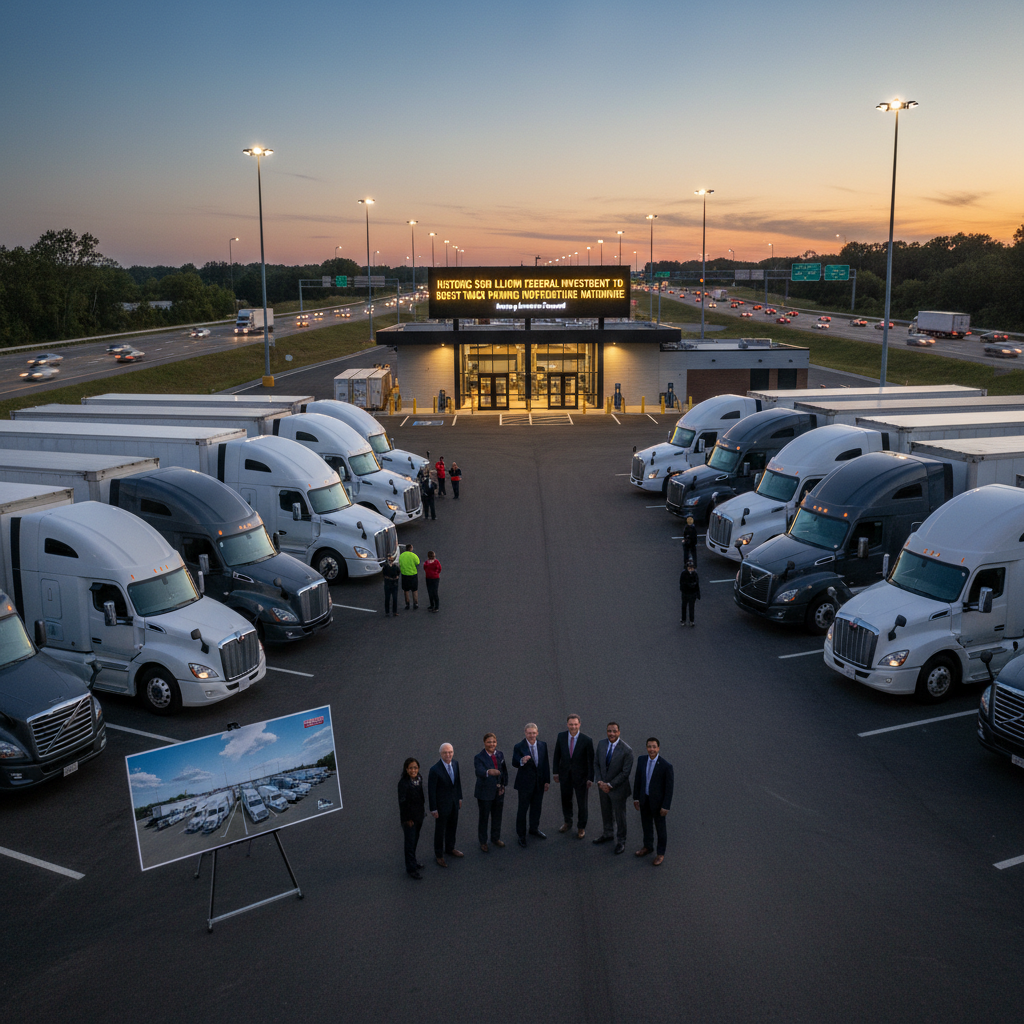
The trucking industry, the lifeblood of the American economy, has received a significant boost with the recent allocation of $200 million in federal funding specifically earmarked for expanding and improving truck parking facilities across the nation. This landmark decision, approved by Congress and signed into law by President Donald Trump as part of the fiscal 2026 funding legislation, marks the first time such a substantial sum has been dedicated solely to addressing the critical truck parking shortage.
For years, the scarcity of safe, accessible, and adequate truck parking has been a top-tier concern for CDL drivers, fleet managers, and industry stakeholders alike. The American Transportation Research Institute (ATRI) has consistently highlighted this issue in its annual surveys, underscoring its profound impact on driver safety, operational efficiency, and overall supply chain reliability. This new federal investment is a direct response to those persistent calls for action, promising a tangible step forward in alleviating one of the industry's most pressing challenges.
Addressing a Critical Industry Challenge: Why Truck Parking Matters
The lack of sufficient truck parking isn't just an inconvenience; it's a significant safety hazard and an economic bottleneck. CDL drivers, bound by strict Hours of Service (HOS) regulations, are often forced to spend valuable time searching for a legal and safe place to rest. This often leads to drivers parking in unauthorized or unsafe locations, such as highway shoulders, abandoned lots, or exit ramps, which increases the risk of accidents, theft, and personal safety concerns.
Fleet managers understand that this issue directly impacts their bottom line. Drivers spending extra time searching for parking means lost productivity, delayed deliveries, and increased fuel consumption. Moreover, the stress and frustration associated with parking scarcity contribute to driver turnover, a chronic problem in the industry. Providing ample, well-lit, and secure parking facilities is not just about compliance; it's about driver retention, operational efficiency, and demonstrating a commitment to driver well-being.
The Genesis of the Funding: A Collaborative Effort
The $200 million allocation, managed by the Federal Highway Administration (FHWA), is the culmination of extensive advocacy efforts by industry leaders. Organizations like the American Trucking Associations (ATA) have been at the forefront, relentlessly lobbying Congress and federal agencies to recognize the urgency of the truck parking crisis. ATA President Chris Spear articulated the industry's sentiment, stating, "When truck drivers finish their shift or take their federally mandated rest break, the last thing they should have to worry about is finding a safe place to park."
Spear emphasized that chronic underinvestment in this essential infrastructure has led to severe shortages, making it incredibly difficult for truck drivers to perform their jobs safely and efficiently. He lauded the bipartisan support for this funding, particularly acknowledging the contributions of key legislative figures like Rep. Steve Womack (R-Ark.), chairman of the House transportation appropriations subcommittee, who championed the cause.
This legislative victory underscores a growing recognition in Washington D.C. of the trucking industry's vital role and the challenges its workforce faces daily. It signals a shift towards proactive investment in infrastructure that directly supports the nation's freight movement capabilities.
What This Funding Means for CDL Drivers
For the individual CDL driver, this funding offers a beacon of hope. Imagine a future where finding a safe and legal spot to park for your mandated rest break is no longer a nightly struggle. This investment is expected to lead to:
- Increased Availability of Parking Spaces: More federal funding means more projects to build new truck stops, expand existing rest areas, and develop innovative parking solutions along critical freight corridors.
- Enhanced Safety and Security: New and upgraded facilities will likely include better lighting, surveillance, and amenities, reducing the risk of theft and improving personal safety for drivers.
- Reduced Stress and Fatigue: Eliminating the arduous search for parking allows drivers to maximize their rest time, leading to better sleep, reduced fatigue, and improved overall well-being, which directly translates to safer roads for everyone.
- Improved Compliance with HOS Regulations: With readily available parking, drivers can more easily adhere to HOS rules, avoiding violations and potential fines.
This is not just about concrete and asphalt; it's about recognizing the human element of trucking. Providing drivers with dignity and safety on the road is paramount, and adequate parking is a foundational component of that.
Implications for Fleet Managers and Trucking Companies
Fleet managers stand to gain significantly from this federal investment. The benefits extend beyond driver satisfaction and retention:
- Operational Efficiency: With more predictable parking options, routing and scheduling can become more efficient, reducing delays and improving on-time delivery rates. This directly impacts customer satisfaction and contract fulfillment.
- Cost Savings: Less time spent searching for parking translates to reduced fuel consumption and lower operational costs. Fewer HOS violations can also mean fewer fines and a better safety record, potentially lowering insurance premiums.
- Driver Retention and Recruitment: A fleet that prioritizes driver well-being, demonstrated by supporting initiatives like improved parking, becomes more attractive to prospective drivers and helps retain experienced ones. This is a crucial competitive advantage in today's tight labor market.
- Reduced Risk and Liability: Parking in unsafe locations exposes drivers and cargo to increased risks. More secure parking options mitigate these risks, protecting company assets and reducing potential liability.
- Data-Driven Planning: As new parking solutions emerge, they often incorporate technology that can provide real-time availability data, allowing fleet managers to plan routes more effectively and communicate parking options to their drivers.
The Road Ahead: Implementation and Future Outlook
The allocation of funds is a crucial first step, but the work is far from over. DOT officials are already planning meetings to explore additional truck parking improvements, indicating a sustained focus on this issue. The FHWA's role in managing these funds will involve identifying priority projects, coordinating with state transportation departments, and ensuring the efficient deployment of resources.
It's important for the industry to remain engaged. Trucking associations, individual carriers, and drivers should continue to advocate for smart, strategic investments that maximize the impact of this funding. This could involve promoting innovative solutions like technology-enabled parking reservation systems, public-private partnerships, and the integration of parking facilities with other freight infrastructure.
Furthermore, while $200 million is a substantial start, the scale of the truck parking problem across the vast U.S. highway network suggests that ongoing investment will be necessary. This initial funding should be seen as a catalyst, hopefully paving the way for future allocations and a comprehensive, long-term strategy to ensure that every CDL driver has a safe and accessible place to rest.
Actionable Takeaways for the Industry
- Stay Informed: Keep abreast of announcements from the FHWA and state DOTs regarding project proposals and funding allocation in your region. This information can help fleet managers plan future routes and drivers anticipate new parking options.
- Advocate for Smart Solutions: Support industry organizations that continue to push for innovative and effective parking solutions, including technology integration and public-private partnerships.
- Provide Feedback: Drivers should continue to report parking shortages and unsafe conditions to their companies and relevant authorities. This data is invaluable for identifying critical areas for improvement.
- Leverage Technology: Fleet managers should explore existing and emerging technologies that help drivers locate available parking, such as apps and in-cab systems, to mitigate current challenges while new infrastructure is being built.
- Prioritize Driver Well-being: For fleet managers, continuing to prioritize driver safety and comfort, including addressing parking concerns, will be key to retention and recruitment in an increasingly competitive environment.
This $200 million investment represents a significant victory for the trucking industry. It’s a testament to persistent advocacy and a recognition of the critical role truck drivers play in our economy. While the parking crisis won't disappear overnight, this funding provides a strong foundation for building a safer, more efficient, and more driver-friendly freight network for years to come.
Helpful Resources for CDL Drivers
Comments (0)
Sign in to join the conversation
Sign In to CommentNo comments yet. Be the first to share your thoughts!
Explore More
Driver Resources
Educational guides on CDL licensing, salary expectations, and route planning tips.
Browse CDL Jobs
Find your next driving opportunity. Search by location, route type, and CDL class.
CDL Salary Guide
Understand how pay varies by experience, route type, and location in the trucking industry.