
J.B. Hunt's Q1 Performance: What It Means for Truck Drivers and Fleet Managers
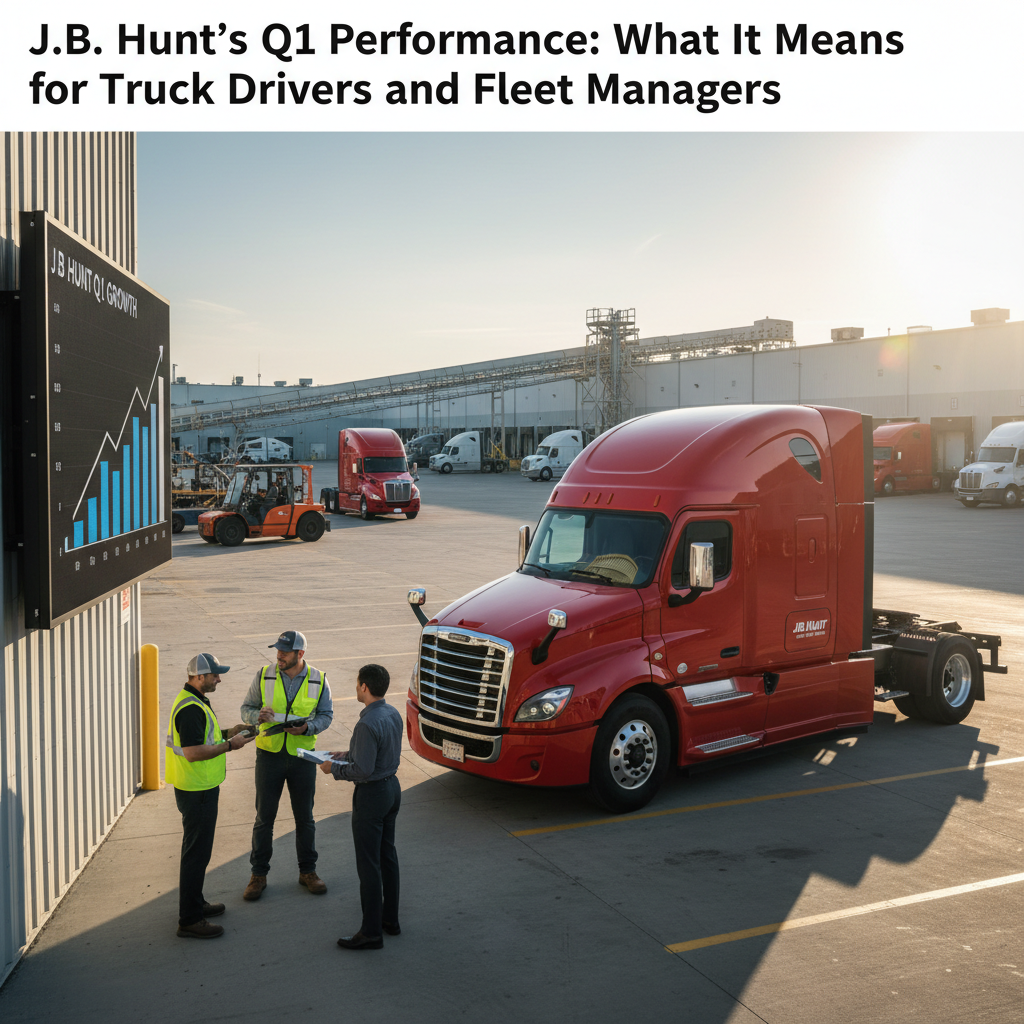
The trucking industry is a dynamic landscape, constantly shifting with economic tides, technological advancements, and operational efficiencies. For CDL truck drivers and fleet managers, understanding the financial health and strategic direction of major players like J.B. Hunt Transport Services isn't just about market curiosity; it's about discerning trends that impact job security, freight availability, compensation, and operational strategies. J.B. Hunt, a multimodal transportation giant, recently released its first-quarter earnings, offering a crucial glimpse into the current state and future trajectory of the freight market.
Navigating the Economic Currents: J.B. Hunt's Q1 Financial Highlights
J.B. Hunt's first-quarter results for 2026 painted a picture of resilience and strategic execution, surpassing analyst expectations. The company reported earnings per share (EPS) of $1.49, a notable 4 cents above the consensus estimate and a significant 32 cents higher year-over-year. Consolidated revenue reached $3.06 billion, marking a 5% increase compared to the previous year and exceeding analysts' projections of $2.95 billion. This growth, particularly in a market that has seen its share of volatility, underscores the company's ability to adapt and thrive.
The most compelling aspect of J.B. Hunt's performance was its operating income, which surged by 16%. This impressive growth was primarily attributed to aggressive cost reduction initiatives and enhanced productivity across its various segments. For fleet managers, this highlights the critical importance of operational efficiency and cost control, especially in a competitive environment where every dollar saved directly impacts the bottom line. For drivers, a financially robust company often translates to better resources, maintained equipment, and potentially more stable employment.
Intermodal Strength: A Bellwether for Freight Demand
Intermodal transportation, the movement of freight using multiple modes (like truck and rail), is a cornerstone of J.B. Hunt's operations and a key indicator of broader freight market health. In Q1, J.B. Hunt's intermodal revenue increased by 2% year-over-year, reaching $1.51 billion. This growth was driven by a 3% increase in load count, signaling a healthy demand for freight movement. While revenue per load saw a slight decrease of 1% (2% excluding fuel surcharges), the volume increase demonstrates sustained activity.
Remarkably, J.B. Hunt reported its highest-ever first-quarter intermodal volumes, including a record volume week in March. This surge in volume, coupled with only a modest revenue increase, suggests a market where competition might be keeping rates in check, but demand remains strong. For CDL drivers, particularly those involved in drayage or regional hauls connected to intermodal hubs, this indicates consistent work opportunities and the ongoing relevance of short-haul logistics supporting rail operations. Fleet managers should take note of these volume trends as they plan equipment utilization and driver allocation, recognizing the potential for increased activity around intermodal ramps.
The intermodal unit's operating income jumped an impressive 21% year-over-year, and its operating ratio improved by 120 basis points to 92.4%. This improvement was a direct result of prior cost-cutting measures and better asset utilization. This success story in intermodal underscores the power of strategic planning and efficient resource management, lessons that can be applied by fleet managers regardless of their fleet size. Optimizing routes, reducing idle time, and ensuring equipment is always working are crucial for improving profitability.
Dedicated Contract Services: Stability Amidst Change
J.B. Hunt's Dedicated Contract Services (DCS) segment also showed steady performance, with revenue increasing 2% year-over-year to $841 million. This growth was entirely driven by a similar increase in revenue per truck per week, as the average number of trucks in service remained flat compared to the previous year. The operating ratio for DCS improved by 60 basis points to 89.6%.
For CDL drivers, dedicated routes often offer a different lifestyle compared to over-the-road (OTR) hauling, typically involving more consistent schedules, predictable routes, and regular home time. The stability shown in J.B. Hunt's DCS segment reinforces the value of these types of operations, which are often built on long-term partnerships with shippers. For fleet managers, dedicated contracts represent a stable revenue stream and allow for more predictable resource planning, reducing the volatility often associated with the spot market. The focus on increasing revenue per truck without necessarily expanding the fleet highlights an emphasis on maximizing the efficiency and profitability of existing assets – a key takeaway for any fleet looking to optimize its operations.
Brokerage Challenges: A Broader Industry Trend
While intermodal and dedicated services performed strongly, J.B. Hunt's brokerage unit faced headwinds, widening its operating losses. The $4.7 million operating loss was $2 million worse year-over-year and marked the 13th consecutive quarterly loss for the segment. This reflects a broader industry challenge where third-party logistics (3PL) providers are squeezed by higher purchased transportation costs, particularly in a volatile spot market.
For owner-operators and small fleets, the brokerage market is often a primary source of freight. The struggles of large brokerage operations like J.B. Hunt's indicate a tough environment where spot rates may be under pressure, and finding profitable loads requires diligent rate negotiation and careful consideration of operational costs. Fleet managers relying on brokerage services should be acutely aware of these dynamics, potentially exploring direct shipper relationships or diversifying their freight sources to mitigate risks associated with fluctuating spot market conditions.
Key Takeaways for CDL Drivers and Fleet Managers
- Efficiency is Paramount: J.B. Hunt's success in improving operating income despite modest revenue growth underscores the critical importance of cost reduction and productivity enhancements. For drivers, this means understanding how their daily actions – from fuel efficiency to on-time deliveries – contribute to the company's overall health. For fleet managers, it's a clear call to continuously scrutinize operational costs, optimize routes, and invest in technologies that boost efficiency.
- Intermodal's Enduring Strength: The robust performance of the intermodal segment highlights its continued role as a vital component of the supply chain. Drivers specializing in drayage or regional hauls to and from rail yards can expect consistent opportunities. Fleet managers should consider how intermodal can integrate into their logistics strategies, potentially offering cost advantages and environmental benefits for certain types of freight.
- Dedicated Contracts Offer Stability: The steady growth in dedicated services confirms its value for both carriers and drivers. For drivers seeking more predictable work-life balance, dedicated routes remain an attractive option. For fleet managers, securing and maintaining dedicated contracts can provide a stable foundation for their business, reducing exposure to the often-volatile spot market.
- Brokerage Market Remains Challenging: The ongoing losses in the brokerage segment serve as a reminder of the competitive and often difficult nature of the spot freight market. Owner-operators and smaller fleets should approach this market with caution, focusing on strong negotiation skills, understanding their true operating costs, and building relationships that can lead to more stable freight opportunities.
- Adaptability is Key: J.B. Hunt's ability to beat expectations in a complex market demonstrates the power of adaptability. The trucking industry is constantly evolving, and those who can quickly adjust to changing market conditions, technological advancements, and customer demands will be the ones who succeed. This applies to individual drivers who embrace new technologies or training, as well as to fleet managers who are agile in their strategic planning and resource allocation.
Looking Ahead: What These Trends Mean for Your Career and Business
For CDL truck drivers, these earnings reports offer insights into where the industry is growing and where job opportunities might be most stable. A company focused on efficiency and asset utilization is likely to invest in well-maintained equipment and provide the necessary support for its drivers. Understanding the strength of segments like intermodal and dedicated services can help drivers make informed career choices, aligning their skills with areas of consistent demand.
For fleet managers, J.B. Hunt's Q1 results provide a benchmark and a blueprint. The emphasis on cost control, asset utilization, and strategic segment growth offers actionable insights. It reinforces the need for robust financial planning, continuous operational improvement, and a keen eye on market trends to ensure the long-term profitability and sustainability of your fleet. As the industry continues to navigate economic shifts, the lessons learned from major players like J.B. Hunt become invaluable tools for success on the road ahead.
Helpful Resources for CDL Drivers
Comments (0)
Sign in to join the conversation
Sign In to CommentNo comments yet. Be the first to share your thoughts!
Explore More
Driver Resources
Educational guides on CDL licensing, salary expectations, and route planning tips.
Browse CDL Jobs
Find your next driving opportunity. Search by location, route type, and CDL class.
CDL Salary Guide
Understand how pay varies by experience, route type, and location in the trucking industry.