
JBS Plant Strike: What Truckers and Fleet Managers Need to Know About Supply Chain Impacts
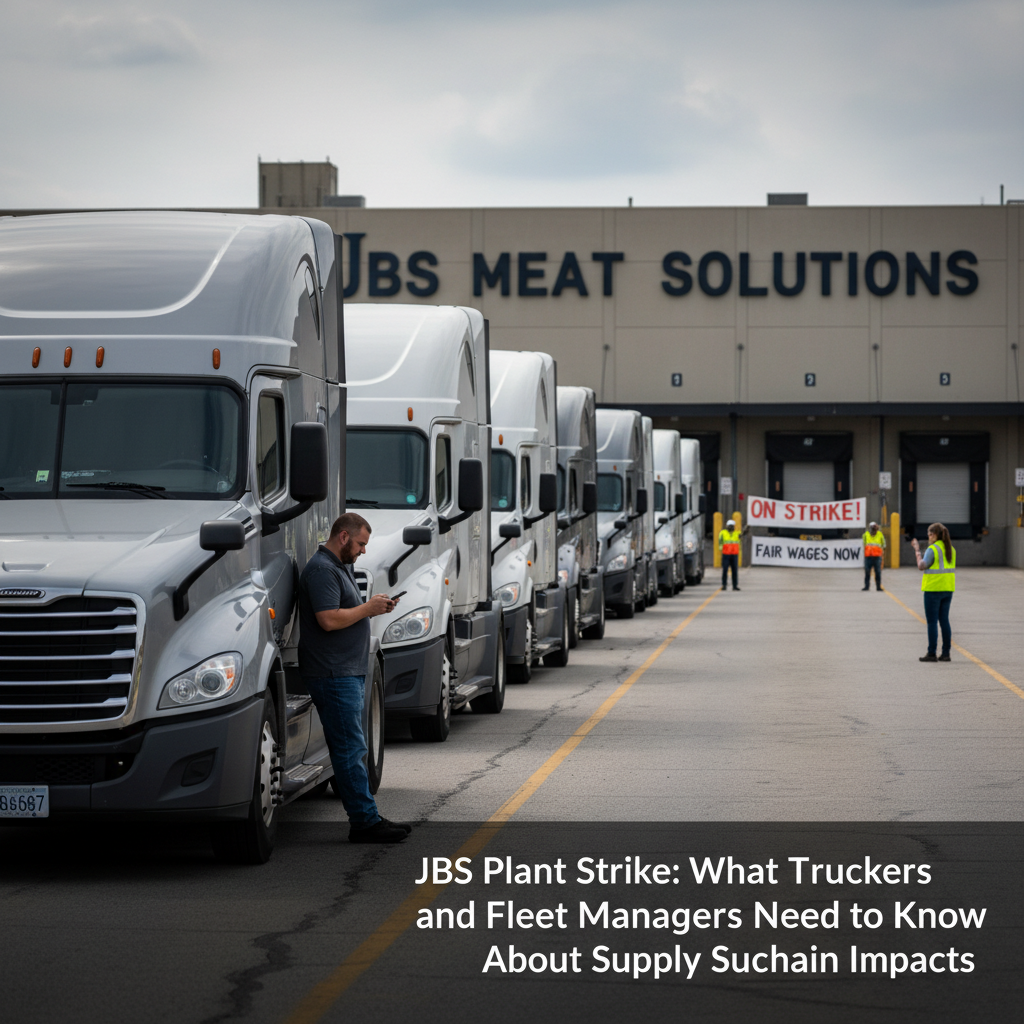
The ongoing strike at a major JBS meatpacking plant in Greeley, Colorado, now entering its third week, is sending ripples through the supply chain, creating both challenges and potential shifts for CDL truck drivers and fleet managers involved in refrigerated freight. While JBS asserts it's maintaining supply by rerouting production, the prolonged labor dispute highlights the delicate balance of the food logistics network and the critical role of trucking in ensuring continuity. Understanding the dynamics of this strike, its potential economic impacts, and how it affects freight patterns is crucial for those navigating the demanding world of refrigerated transport.
For CDL truck drivers, particularly those specializing in reefer loads, a strike at a facility like JBS Greeley isn't just a news headline; it's a potential disruption to their routes, loads, and ultimately, their earnings. Meatpacking plants are significant freight generators, and any prolonged stoppage can lead to a sudden decrease in available loads from that specific location, forcing drivers and dispatchers to adapt quickly. Conversely, other JBS facilities or competing meat processors might see an increase in demand, potentially creating new opportunities or shifting existing lanes. Drivers need to stay informed about such developments to optimize their schedules and avoid deadhead miles.
Fleet managers, on the other hand, are grappling with a broader strategic challenge. They must assess the short-term operational impacts, such as re-routing trucks, adjusting driver assignments, and managing capacity. More critically, they are looking at the long-term implications for their contracts with food distributors and retailers, understanding that disruptions at key production points can strain relationships and necessitate contingency planning. The strike underscores the importance of diversified client portfolios and flexible logistics solutions to mitigate risks associated with single-point failures in the supply chain.
The Core of the Dispute: Wages, Healthcare, and Worker Demands
The strike, which commenced on March 16th, involves thousands of workers from the Swift Beef Co. plant in Greeley, Colorado, a facility owned by JBS USA. The United Food and Commercial Union Local 7 (UFCW Local 7), representing approximately 3,800 workers, initiated the walkout with overwhelming support, citing dissatisfaction with JBS's offer of a 2% wage increase, which they argue falls short of inflation and fails to adequately address healthcare concerns. Union officials have publicly stated their readiness to negotiate but emphasize the workers' resolve to continue the fight until their demands for improved compensation and benefits are met.
This labor action is significant, marking the first strike at a U.S. slaughterhouse since a prolonged dispute at a Hormel plant in Minnesota in 1985. The historical context suggests that such strikes can be protracted and contentious, potentially leading to extended periods of uncertainty for the industry. The workers' demands reflect a broader trend across various sectors where employees are seeking better wages and working conditions in an inflationary economic environment, recognizing their essential role in critical industries like food production.
JBS's Response and Industry Context
JBS USA, a subsidiary of the world's largest meatpacking company, has acknowledged the strike but maintains that it is operating the Greeley plant at a limited capacity. Crucially, the company has stated its strategy of shifting beef production to its other facilities to ensure it can still meet customer demand. This strategy, while aimed at minimizing disruption, places increased pressure on JBS's other plants and their logistics networks, including the transportation providers that serve them.
Industry experts, such as Jennifer Martin from Colorado State University’s animal sciences department, note that the current environment might paradoxically benefit the larger meatpacking industry. Amid the Greeley strike and other capacity reductions in the sector—including the recent closure of a major Tyson Foods plant in Nebraska—the industry is experiencing less burden from excess slaughter capacity. This reduction in overall capacity can lead to improved profit margins for the remaining operational facilities, even if individual plants are facing labor disputes. This dynamic suggests that while the strike is challenging for JBS in Greeley, the broader market conditions might not be entirely unfavorable for the company's overall financial health, potentially reducing the immediate pressure to concede to union demands.
Impacts on the Refrigerated Freight Market
For CDL drivers and fleet managers specializing in refrigerated (reefer) transport, the JBS strike presents a complex scenario. The meatpacking industry is a cornerstone of reefer freight, generating consistent, high-volume loads. Any disruption at a major facility like Greeley can have several direct and indirect consequences:
- Load Availability and Shifting Lanes: A reduction in output from Greeley means fewer outbound loads from that specific location. However, if JBS successfully shifts production, other JBS plants (or even competitors) might see an uptick in their freight volumes. This could lead to a redistribution of loads, with some lanes becoming less active and others experiencing increased demand. Drivers and dispatchers need to be agile in identifying these shifting opportunities.
- Spot Market Volatility: In the short term, the absence of regular contract loads from Greeley could push more freight onto the spot market, potentially leading to rate fluctuations. Fleet managers might find themselves paying higher rates for backhauls or struggling to secure consistent loads if their primary lanes were tied to the affected plant.
- Increased Pressure on Other Facilities: The increased production at JBS's other facilities means more pressure on their loading docks, potentially leading to longer wait times for drivers. Efficient scheduling and communication with shippers become even more critical to minimize detention time, which directly impacts driver hours of service and profitability.
- Supply Chain Visibility: This event underscores the importance of robust supply chain visibility. Fleet managers who have real-time data on their trucks, loads, and potential disruptions are better positioned to make informed decisions and reallocate resources effectively. Technology that provides insights into freight market trends and facility statuses can be invaluable.
Actionable Strategies for Truck Drivers and Fleet Managers
Navigating such disruptions requires proactive planning and adaptability. Here are some actionable strategies:
For CDL Truck Drivers:
- Stay Informed: Regularly check industry news sources, communicate with your dispatcher, and monitor freight boards for updates on load availability and potential lane changes. Knowledge is power, especially when routes are in flux.
- Flexibility is Key: Be prepared for potential changes to your usual routes or load types. Your ability to adapt to new pickup locations or delivery schedules will make you a valuable asset.
- Optimize Your HOS: With potential changes in loading/unloading times at alternative facilities, meticulously manage your Hours of Service (HOS) to maximize driving time while remaining compliant. Communicate any delays promptly.
- Network and Communicate: Talk to other drivers. They might have insights into where loads are increasing or where delays are occurring. Maintain open communication with your dispatcher about your preferences and availability.
For Fleet Managers:
- Diversify Your Portfolio: Reduce reliance on a single shipper or a concentrated geographic area. Having a diverse client base across various sectors or regions can buffer the impact of localized disruptions.
- Strengthen Shipper Relationships: Maintain strong, transparent communication with all your clients, especially those in the food sector. Understand their contingency plans and how your fleet can support them during disruptions.
- Leverage Technology: Utilize transportation management systems (TMS) and telematics to gain real-time visibility into your fleet's location, status, and HOS. This data is critical for dynamic re-routing and capacity management.
- Contingency Planning: Develop and regularly review contingency plans for various disruption scenarios, including labor strikes, plant closures, or extreme weather events. Identify alternative routes, backup carriers, and communication protocols.
- Monitor Market Trends: Keep a close eye on freight rates, fuel prices, and overall market capacity. The strike could influence these factors, affecting your operational costs and pricing strategies.
- Driver Retention and Support: During periods of uncertainty, drivers may face increased stress or changes to their routines. Provide clear communication, support, and fair compensation for any additional efforts or inconveniences.
Looking Ahead: The Broader Economic Picture
The JBS strike is more than just a labor dispute; it's a microcosm of the complexities inherent in modern supply chains. While JBS aims to minimize consumer impact by shifting production, the trucking industry bears the brunt of executing these logistical maneuvers. The potential for increased beef prices, though not yet confirmed by industry experts, remains a concern for consumers and could further influence freight demand if consumption patterns shift.
For CDL Jobs Network, understanding these industry-specific challenges is paramount. We strive to connect skilled truck drivers with opportunities that are stable and rewarding, even amidst market fluctuations. For fleet managers, we offer resources and insights to help navigate these turbulent waters, ensuring their operations remain efficient and profitable. The JBS strike serves as a powerful reminder of the indispensable role of truck drivers in keeping the nation's food supply moving and the constant need for adaptability and strategic foresight in the logistics sector.
As the strike continues into its third week, all eyes remain on the negotiation table. The resolution, or lack thereof, will undoubtedly shape freight patterns and operational strategies for the refrigerated trucking sector in the coming months. Staying informed, remaining flexible, and leveraging robust planning will be the hallmarks of success for both professional truck drivers and the fleets they represent.
Helpful Resources for CDL Drivers
Comments (0)
Sign in to join the conversation
Sign In to CommentNo comments yet. Be the first to share your thoughts!
Explore More
Driver Resources
Educational guides on CDL licensing, salary expectations, and route planning tips.
Browse CDL Jobs
Find your next driving opportunity. Search by location, route type, and CDL class.
CDL Salary Guide
Understand how pay varies by experience, route type, and location in the trucking industry.