Major Shift: FMCSA Mandates English-Only CDL Testing to Enhance Highway Safety and Combat Fraud
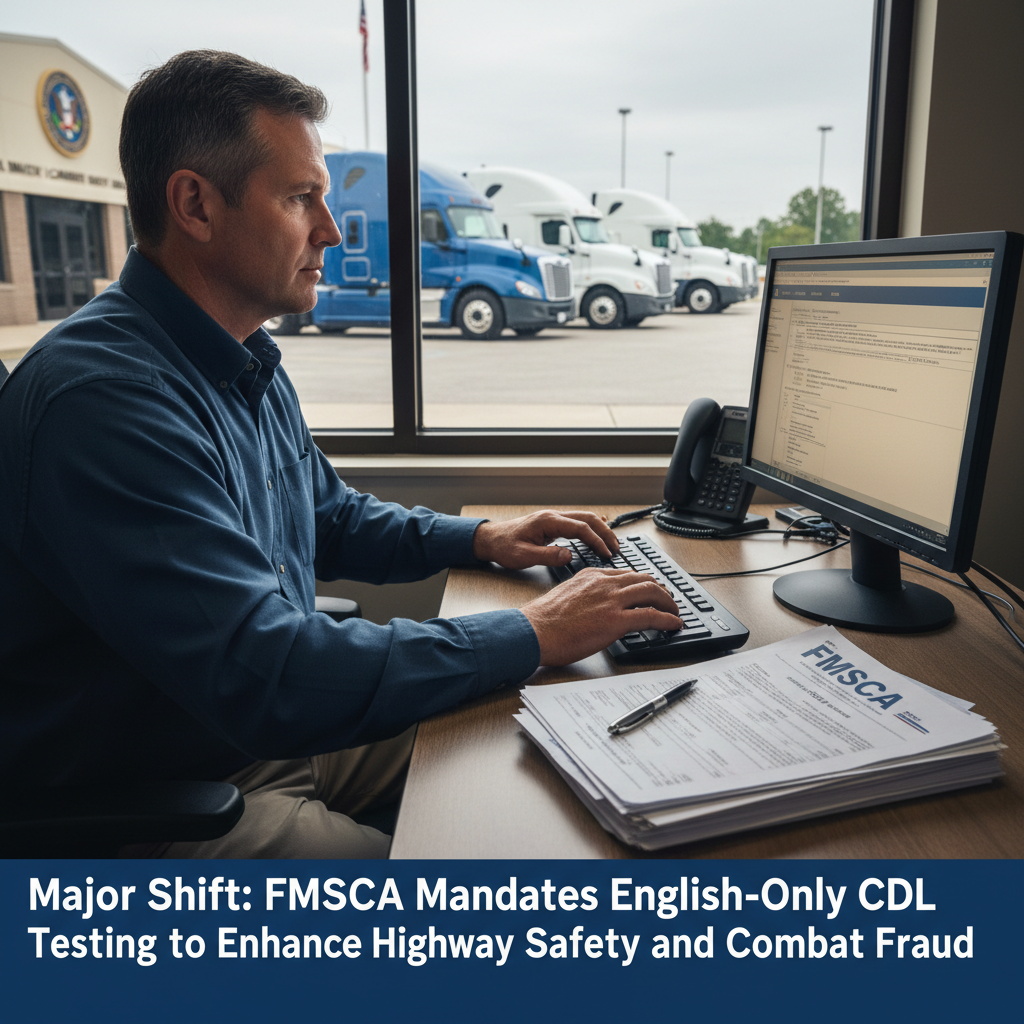
The landscape of commercial driver's license (CDL) acquisition in the United States is undergoing a significant transformation, directly impacting both aspiring truck drivers and the fleet managers who rely on a qualified workforce. In a move aimed at bolstering highway safety, combating fraud, and standardizing driver qualifications, the U.S. Department of Transportation (DOT) and the Federal Motor Carrier Safety Administration (FMCSA) have announced a critical new rulemaking: all CDL knowledge and skills tests will now be administered exclusively in English. This policy change marks a pivotal moment for the trucking industry, emphasizing proficiency and accountability across the board.
For years, the ability to take CDL tests in multiple languages, in some states up to 20 different languages, has been a contentious issue. While intended to accommodate a diverse driver pool, critics argued that it inadvertently created loopholes that could compromise safety standards and facilitate fraudulent practices. Transportation Secretary Sean Duffy, speaking at a recent press conference, underscored the administration's commitment to this change, stating, "What we're doing is implementing a rule that says there's one language in which you can take your test – it's English only." This clear directive signals a unified approach to driver qualification that prioritizes a common language for safety communication.
The Rationale Behind English-Only Testing: Safety and Standardization
The primary driver behind this policy shift is an unwavering focus on safety. Operating a commercial motor vehicle (CMV) requires constant communication, comprehension of road signs, traffic laws, and the ability to interact effectively with law enforcement, shippers, receivers, and emergency personnel. A lack of English proficiency can create dangerous communication barriers, potentially leading to misunderstandings, accidents, and delays. By requiring English-only testing, the FMCSA aims to ensure that every CDL holder possesses a fundamental level of English comprehension essential for safe and efficient operation on America's roadways.
This standardization also addresses concerns about inconsistencies in testing quality and interpretation across different languages. While professional translators are often used, nuances can be lost, and the rigor of the examination might vary. An English-only standard ensures that all applicants are evaluated against the same linguistic benchmark, promoting a more uniform and robust assessment of their knowledge and skills. This move is not about excluding drivers but about ensuring a baseline competency that supports the safety of all road users.
Broader Regulatory Reforms: A Multi-Pronged Approach to Industry Integrity
The English-only testing requirement is not an isolated measure but rather one component of a comprehensive suite of regulatory reforms being rolled out by the DOT and FMCSA. These initiatives are designed to increase oversight, modernize systems, and close critical loopholes that have historically been exploited. FMCSA Administrator Derek Barrs highlighted several key areas of focus:
1. Modernizing Motor Carrier Registration and Vetting: The current system has been criticized for its vulnerabilities, allowing unqualified entities to gain operating authority with relative ease. The FMCSA plans to significantly improve the vetting process for new entrants, ensuring that carriers are thoroughly knowledgeable about application procedures and safety requirements before they begin operations. This will help weed out fly-by-night operations and ensure that only legitimate, safety-conscious carriers enter the market.
2. Strengthening Broker Qualifications: Barrs also announced plans to put in place requirements to ensure all brokers are qualified and tested as part of their registration process. This addresses a long-standing issue where individuals could become brokers with minimal oversight, leading to potential fraud and instability in the logistics chain. By raising the bar for brokers, the FMCSA aims to foster a more reliable and trustworthy environment for carriers and shippers alike.
3. Cracking Down on "Chameleon Carriers": The problem of "chameleon carriers" – entities that attempt to evade safety regulations and accountability by operating under multiple DOT registration numbers after accumulating a poor safety record – has plagued the industry for years. The FMCSA is committed to closing these loopholes, making it harder for unsafe operators to re-emerge and continue their dangerous practices. This includes enhanced data analysis and enforcement to identify and shut down these fraudulent operations.
4. Reforming Driver Training Schools and ELD Manufacturers: The self-certification process for truck driver training schools and Electronic Logging Device (ELD) manufacturers has also come under scrutiny. The FMCSA plans to end the self-certification model for training schools, implementing more rigorous oversight to ensure that drivers receive high-quality, standardized training before they ever get behind the wheel. Similarly, reforming ELD manufacturer self-certification will ensure that these critical safety devices meet stringent technical and performance standards, preventing the use of non-compliant or easily manipulated devices.
Industry Reaction and Implications for Drivers and Fleets
The Owner-Operator Independent Drivers Association (OOIDA) President Todd Spencer voiced strong support for these initiatives, stating, "For years, chameleon carriers, CDL mills, and weak English language proficiency enforcement have allowed unqualified drivers to slip through the cracks compromising safety as well as facilitating fraud." Spencer emphasized that these measures represent a strengthening of training, licensing, and qualification protocols, rather than a lowering of standards, ultimately benefiting properly trained and vetted drivers.
For CDL Truck Drivers:
- Aspiring Drivers: If you are considering a career in trucking and English is not your first language, it is now imperative to focus on improving your English proficiency. This includes reading, writing, and conversational skills, as these will be directly tested. Resources for English language learning are widely available and should be utilized proactively.
- Current Drivers (Non-Domiciled CDLs): While the immediate impact is on new testing, these reforms signal a broader emphasis on compliance and accountability. Drivers holding non-domiciled CDLs should ensure their documentation and qualifications are impeccable, as increased scrutiny is expected.
- Safety Culture: Embrace the enhanced safety standards. A more proficient and well-regulated industry ultimately benefits all professional drivers by improving the industry's reputation and reducing the risks associated with unsafe operators.
For Fleet Managers:
- Recruitment and Training: Adjust your recruitment strategies to reflect the new English-only testing requirement. This may involve pre-screening candidates for English proficiency or offering resources for language development as part of your onboarding process, especially for international recruits. Investing in language training can be a valuable retention tool.
- Compliance and Vetting: Be prepared for increased scrutiny on your carrier registration and operating authority. Ensure all your documentation is up-to-date and that your operations are fully compliant with FMCSA regulations. This is an opportunity to reinforce your commitment to safety and integrity.
- Broker Relationships: Vet your freight brokers more thoroughly. With new broker qualification requirements, you should expect to work with more reputable and compliant partners, which can lead to more reliable loads and fewer payment issues. This change should foster greater trust and efficiency in your logistics partnerships.
- ELD Compliance: Stay informed about changes to ELD manufacturer certification. Ensure that the ELDs your fleet uses are from certified manufacturers and meet all current and future FMCSA standards. Non-compliant devices could lead to violations and operational disruptions.
- Promoting a Safety-First Culture: These regulations provide an excellent opportunity to reinforce a strong safety culture within your fleet. Emphasize continuous training, adherence to regulations, and the importance of clear communication to all your drivers and staff. A proactive approach to safety not only avoids penalties but also improves driver retention and operational efficiency.
Actionable Takeaways and Practical Advice
For Drivers:
- Prioritize English Proficiency: If you're new to the industry or need to retake a test, dedicate time to improving your English. Online courses, language apps, and community classes can be invaluable. Focus on vocabulary related to trucking, road signs, and emergency procedures.
- Understand Regulations: Stay informed about all FMCSA regulations, not just those related to testing. Ignorance is not an excuse, and compliance is key to a successful career.
- Report Concerns: If you encounter or suspect fraudulent activities, such as "chameleon carriers" or non-compliant training schools, report them to the appropriate authorities. Your vigilance contributes to a safer industry for everyone.
For Fleet Managers:
- Review Hiring Protocols: Update your hiring processes to include robust English proficiency assessments for all CDL applicants. Consider partnering with language training providers.
- Conduct Internal Audits: Proactively audit your fleet's compliance with all FMCSA regulations, including driver qualifications, ELD usage, and carrier registration. Address any discrepancies before they become issues.
- Invest in Technology: Utilize modern fleet management software that helps track driver qualifications, training records, and compliance data efficiently. This can streamline audits and ensure readiness for increased scrutiny.
- Educate Your Team: Regularly communicate regulatory updates and their implications to your drivers, dispatchers, and administrative staff. A well-informed team is a compliant team.
- Network and Collaborate: Engage with industry associations like OOIDA, ATA, and state trucking associations to stay abreast of regulatory changes and best practices. Collaboration can provide valuable insights and support during these transitions.
The Future of Trucking: A Safer, More Accountable Industry
These comprehensive reforms by the DOT and FMCSA signal a clear commitment to elevating the standards of the trucking industry. By mandating English-only CDL testing, modernizing registration systems, and cracking down on fraudulent practices, the goal is to create a safer, more transparent, and more accountable environment for everyone involved. While these changes may require adjustments from drivers and fleet managers, the long-term benefits – including reduced accidents, increased public trust, and a more professional workforce – are expected to far outweigh the initial challenges. The trucking industry is the backbone of the nation's economy, and these measures are designed to ensure its strength, integrity, and safety for years to come. Staying informed and proactive will be crucial for navigating this evolving regulatory landscape successfully.
Helpful Resources for CDL Drivers
Comments (0)
Sign in to join the conversation
Sign In to CommentNo comments yet. Be the first to share your thoughts!
Explore More
Driver Resources
Educational guides on CDL licensing, salary expectations, and route planning tips.
Browse CDL Jobs
Find your next driving opportunity. Search by location, route type, and CDL class.
CDL Salary Guide
Understand how pay varies by experience, route type, and location in the trucking industry.