
Massive Drug Seizure on I-30 Highlights Critical Security Challenges for Trucking Industry
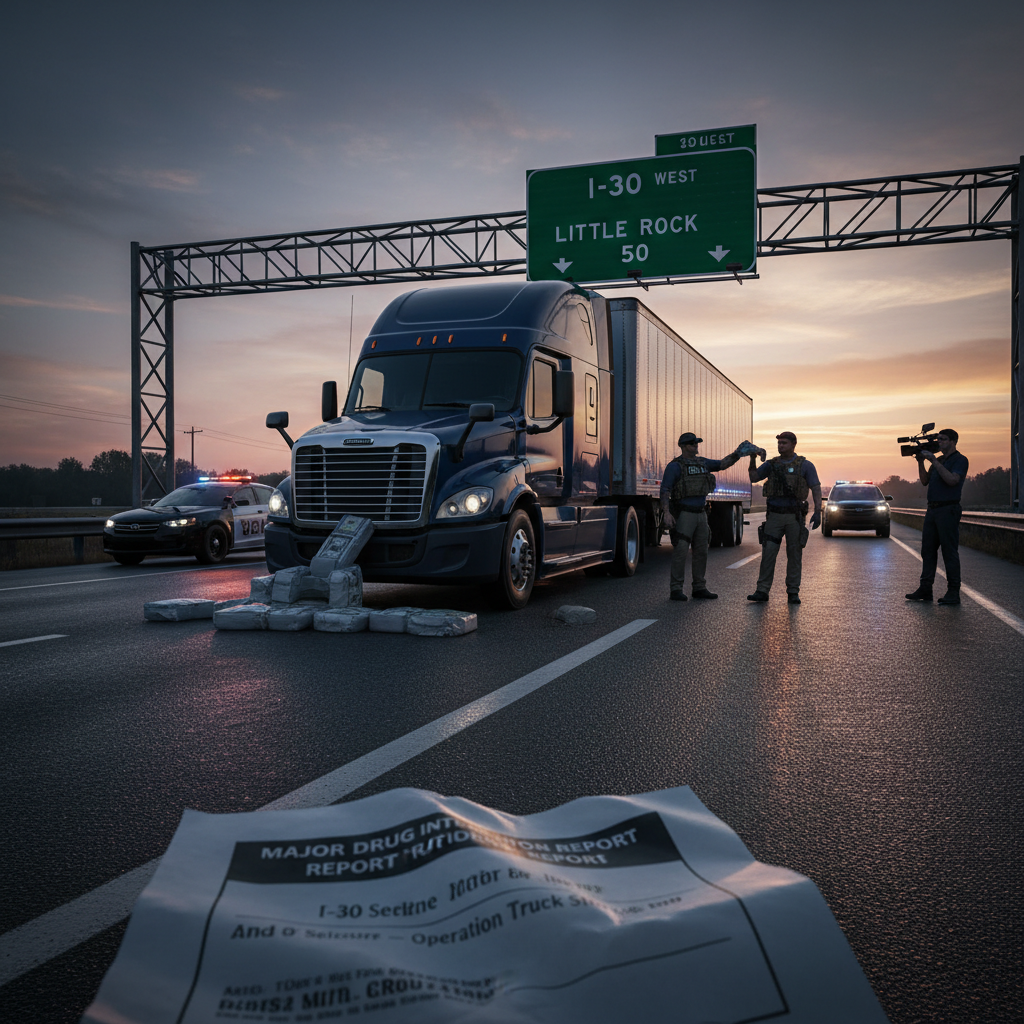
The trucking industry, the backbone of the nation's supply chain, operates under immense pressure, not only to deliver goods efficiently but also to maintain the highest standards of safety and security. Recent events, such as the significant drug seizure on Interstate 30 in Arkansas, serve as a stark reminder of the persistent threats that can infiltrate commercial transportation. This incident, involving over 2,800 pounds of narcotics with an estimated street value of $4.5 million, underscores the critical need for vigilance, robust security protocols, and comprehensive driver vetting within every trucking operation, from independent owner-operators to large fleets.
On February 22, 2026, a routine traffic stop initiated by a Saline County Sheriff’s Office (SCSO) deputy on I-30 at mile marker 106 in Saline County, Arkansas, escalated into a major law enforcement operation. The commercial vehicle in question was found to be carrying an astonishing quantity of illegal drugs. The driver, identified as Firdavs Nazarov, 38, from the Republic of Tajikistan, was apprehended without incident. Further investigation revealed that Nazarov was allegedly present in the U.S. on an expired tourist visa and was operating the commercial vehicle with a New York driver’s license, while the truck itself displayed Alaska license plates. The owner of the company, Aleksey Shcherbina, stated that Nazarov was transporting the contents of the truck from Oregon to North Carolina. This complex web of details immediately raises red flags for any fleet manager or owner-operator concerned with compliance, security, and the integrity of their operations. The Drug Enforcement Administration (DEA) and Homeland Security Investigations (HSI) swiftly joined the SCSO in the ongoing investigation, highlighting the serious nature and potential national security implications of such a large-scale illicit transport.
The Alarming Scale of the Problem: Drugs and Commercial Vehicles
This particular seizure is not an isolated incident but rather a symptom of a larger, pervasive issue. Commercial vehicles, due to their capacity, extensive routes, and often time-sensitive operations, are unfortunately targeted by criminal organizations for various illicit activities, including drug trafficking. The sheer volume of goods moved across state lines daily provides a convenient, albeit risky, cover for illegal cargo. For CDL drivers, this reality means an increased responsibility to be aware of their surroundings, the integrity of their loads, and the potential for exploitation. For fleet managers, it necessitates stringent oversight and proactive measures to protect their assets, their drivers, and their company's reputation.
The estimated street value of $4.5 million for 2,800 pounds of narcotics is staggering. This represents a significant blow to the criminal networks involved and demonstrates the effectiveness of vigilant law enforcement. However, it also serves as a chilling reminder of the immense financial incentives driving these illicit operations, which in turn fuels their sophistication and persistence. The types of drugs involved in such large seizures often include fentanyl, methamphetamine, cocaine, and heroin, all of which have devastating impacts on communities across the country. Truckers, unknowingly or otherwise, can become unwitting conduits for these dangerous substances.
Understanding the Risks for CDL Drivers
For professional truck drivers, the implications of such incidents are multifaceted and deeply concerning. Even if a driver is completely unaware of illicit cargo, being associated with a vehicle carrying drugs can lead to severe legal repercussions, including arrest, lengthy investigations, and the potential loss of their CDL. The legal process can be arduous and expensive, regardless of innocence.
- Unwitting Involvement: Criminals are constantly seeking new ways to exploit the system. This can involve coercing drivers, tampering with loads during stops, or even using legitimate-looking freight as a cover for hidden compartments. Drivers must be acutely aware of any unusual circumstances surrounding their load, including discrepancies in paperwork, unusual sealing, or unexpected delays.
- Vetting and Background Checks: The case of Firdavs Nazarov, with an expired tourist visa and operating with a New York driver’s license while the truck had Alaska plates, points to potential gaps in driver vetting or fraudulent documentation. Drivers should ensure their documentation is always current and legitimate. For owner-operators, verifying the legitimacy of brokers and shippers is paramount.
- Border and Interstate Checks: Law enforcement agencies, including state patrols, the DEA, and HSI, are increasingly employing advanced techniques and intelligence to identify suspicious commercial vehicles. Drivers should expect and be prepared for thorough inspections, especially when transporting high-value or sensitive cargo, or when operating on known trafficking routes like I-30.
- Personal Safety: Beyond legal risks, drivers who unknowingly transport drugs could face threats from criminal organizations if the cargo is lost or discovered. Maintaining situational awareness and reporting anything suspicious to authorities is crucial for personal safety.
Actionable Strategies for Fleet Managers and Trucking Companies
For fleet managers and trucking company owners, this incident should serve as a catalyst for reviewing and strengthening their security protocols. The financial and reputational damage from a drug seizure can be catastrophic, not to mention the potential criminal charges for company leadership if negligence is proven.
- Enhanced Driver Vetting and Background Checks: Go beyond basic CDL verification. Implement rigorous background checks that include employment history, criminal records, and immigration status verification where applicable. Regularly re-verify driver credentials and ensure all documentation is current and legitimate. Consider using third-party services specializing in transportation industry background checks.
- Robust Load Security Protocols:
- Tamper-Evident Seals: Mandate the use of high-security, tamper-evident seals on all trailers. Implement a strict protocol for recording seal numbers at pickup and delivery, and immediately investigate any discrepancies.
- GPS Tracking and Geofencing: Utilize advanced GPS tracking systems that provide real-time location data and allow for geofencing. This helps monitor routes, detect unauthorized stops, and quickly locate vehicles if they deviate from planned paths.
- Secure Parking: Encourage and, where possible, mandate the use of secure, well-lit truck stops and yards for overnight parking and breaks. Educate drivers on identifying suspicious activity around their vehicles.
- Trailer Inspections: Implement a comprehensive pre-trip and post-trip inspection checklist that includes checking the integrity of the trailer, looking for signs of tampering, hidden compartments, or unusual modifications.
- Comprehensive Driver Training and Awareness Programs:
- Security Awareness: Educate drivers on the tactics used by drug traffickers, how to identify suspicious activity, and the importance of reporting anything unusual. This includes recognizing signs of load tampering, unusual requests from shippers/brokers, or individuals attempting to access their vehicle.
- Documentation Verification: Train drivers to meticulously check all shipping documents, bills of lading, and manifests for accuracy and consistency. Any discrepancies should be immediately reported.
- Legal Consequences: Inform drivers about the severe legal consequences of transporting illicit substances, even if unknowingly, and the importance of cooperating with law enforcement.
- Emergency Procedures: Establish clear protocols for drivers to follow if they suspect their load has been compromised or if they are approached by suspicious individuals.
- Technology Integration: Leverage technology to enhance security. This includes advanced telematics, in-cab cameras, and remote monitoring systems. These tools can provide valuable evidence in investigations and deter criminal activity.
- Collaboration with Law Enforcement: Foster open communication and cooperation with local, state, and federal law enforcement agencies. Participating in industry security initiatives and sharing intelligence can help combat organized crime.
- Internal Audits and Compliance Checks: Regularly audit internal processes related to dispatch, load assignment, driver management, and security protocols to identify and rectify potential vulnerabilities.
The Role of Technology in Mitigating Risks
The advancements in trucking technology offer powerful tools to combat illicit activities. Telematics systems, for instance, do more than just track mileage; they can monitor driving behavior, identify unauthorized stops, and even detect unusual patterns that might indicate a problem. Integrated camera systems, both inward and outward-facing, provide invaluable visual evidence in case of an incident, protecting both the driver and the company.
Artificial intelligence and machine learning are also beginning to play a role in identifying suspicious patterns in logistics data, flagging anomalies that human eyes might miss. For example, a sudden, unscheduled stop in a high-risk area, or a deviation from a typical route without explanation, could trigger an alert to fleet managers. Implementing such technologies requires an investment, but the cost of not doing so, as evidenced by multi-million dollar drug seizures, can be far greater.
Navigating the Legal and Regulatory Landscape
The legal framework surrounding commercial transportation and drug trafficking is stringent. Companies and drivers found to be involved, even unknowingly, can face significant penalties under federal and state laws. This includes asset forfeiture, hefty fines, and criminal charges. The Department of Transportation (DOT) and other regulatory bodies also impose strict requirements regarding driver qualifications, vehicle maintenance, and load security. Non-compliance can lead to severe operational restrictions, fines, and the loss of operating authority.
For fleet managers, understanding these regulations is not just about avoiding penalties; it's about building a resilient and compliant operation. This includes ensuring all drivers possess valid CDLs, are medically certified, and are not operating under any disqualifying conditions. The case of a driver with an expired tourist visa and potentially fraudulent documents highlights a critical failure in this regard.
The Human Element: Trust and Responsibility
Ultimately, while technology and protocols are vital, the human element remains paramount. The trust placed in CDL drivers to safely and legally transport goods is immense. For drivers, upholding this trust means being diligent, honest, and proactive in reporting anything suspicious. It means understanding that their actions, or inactions, can have far-reaching consequences.
For fleet managers, fostering a culture of security and responsibility is key. This involves open communication, providing adequate training, and ensuring drivers feel empowered to report concerns without fear of reprisal. A driver who feels supported and valued is more likely to be vigilant and adhere to security protocols.
Conclusion: A Call for Unified Vigilance
The seizure of over 2,800 pounds of narcotics on I-30 is a stark reminder that the trucking industry is a constant target for criminal enterprises. This incident underscores the urgent need for a unified approach to security, involving robust protocols, advanced technology, continuous driver training, and unwavering vigilance from every stakeholder in the supply chain.
For CDL drivers, this means being the eyes and ears on the road, meticulously checking their loads, and reporting any anomalies. For fleet managers, it means investing in comprehensive security measures, rigorous vetting processes, and fostering a culture where safety and compliance are non-negotiable. By working together, the trucking industry can continue to deliver the nation's goods safely and securely, while simultaneously thwarting the efforts of those who seek to exploit this vital sector for illicit gain. The integrity of the supply chain, the safety of our communities, and the livelihoods of countless professionals depend on it.
Helpful Resources for CDL Drivers
Comments (0)
Sign in to join the conversation
Sign In to CommentNo comments yet. Be the first to share your thoughts!
Explore More
Driver Resources
Educational guides on CDL licensing, salary expectations, and route planning tips.
Browse CDL Jobs
Find your next driving opportunity. Search by location, route type, and CDL class.
CDL Salary Guide
Understand how pay varies by experience, route type, and location in the trucking industry.