
Mastering the Road: Why Predictability, Not Just Speed, Drives Success for Truckers and Fleets
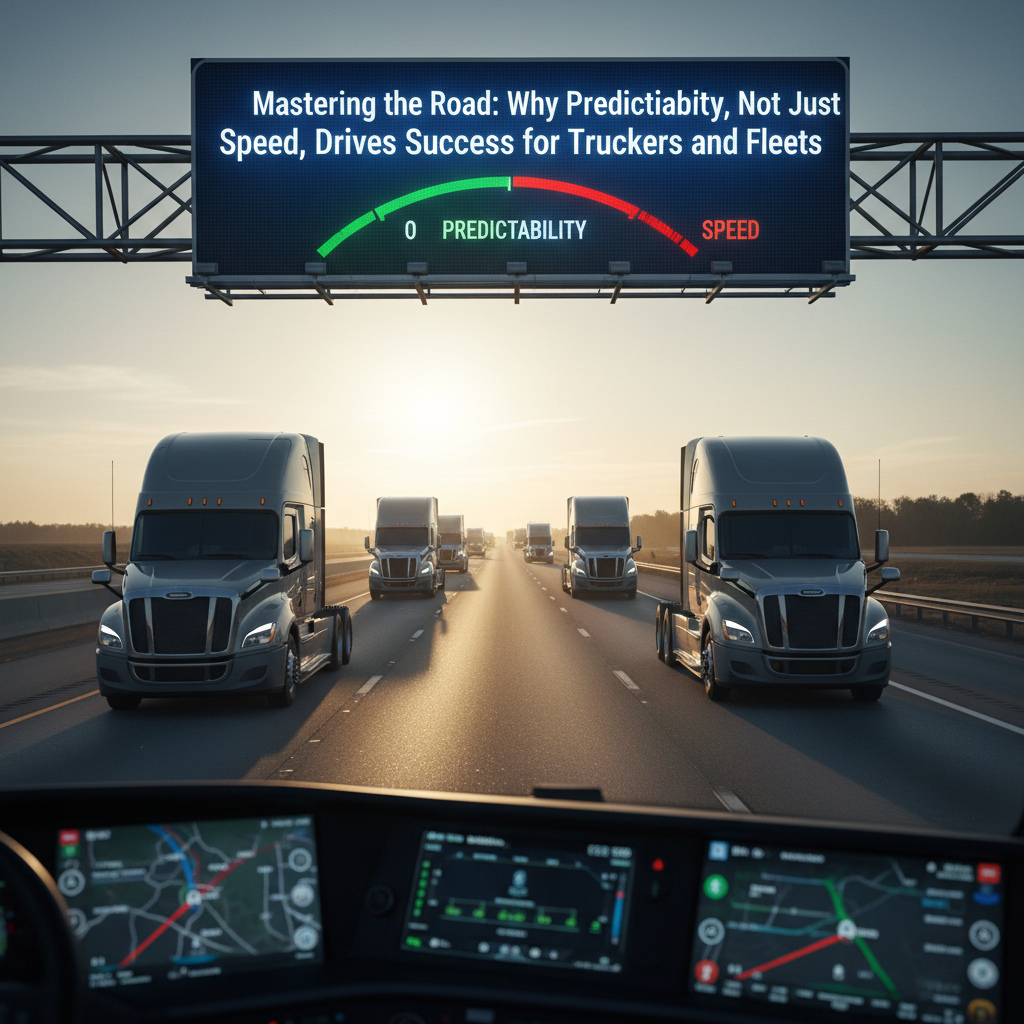
In the fast-paced world of commercial trucking, it's easy to fall into the trap of prioritizing speed above all else. Drivers are constantly pushing to make deliveries on time, and fleet managers are always looking for ways to shave minutes off routes. However, a groundbreaking insight from the PrePass® Mile Marker 2026: The National Bypass Impact Index reveals a different truth: for sustainable growth and operational excellence, especially at scale, consistency and predictability far outweigh raw speed. This isn't just a philosophical concept; it's a measurable advantage that directly impacts your bottom line, driver satisfaction, and overall fleet efficiency.
For CDL truck drivers, the daily grind is a delicate balance of schedules, regulations, and unforeseen challenges. Every minute counts, and unexpected delays can throw an entire day, or even a week, off track. For fleet managers, these individual delays multiply across hundreds or thousands of trucks, transforming minor hiccups into systemic problems that can erode profitability and customer trust. The core message here is clear: the ability to consistently execute planned routes with minimal disruption is the true hallmark of a high-performing trucking operation.
The Hidden Costs of Unpredictability: Small Delays, Big Problems
Imagine a single truck encountering an unexpected weigh station pull-in that lasts just 15 minutes. While seemingly minor, this delay triggers a cascade of issues. The driver might now be cutting it close on their Hours of Service (HOS), potentially requiring a parking search earlier than planned or even a complete route adjustment. For the fleet's operations team, this means notifying customers of potential delays, recalculating estimated times of arrival (ETAs), and potentially rerouting other drivers or loads to compensate. Now, multiply this scenario across a fleet of 500 trucks, each experiencing several such delays per week. The cumulative effect is staggering.
Each weigh station stop, even a quick one, costs time, fuel, and introduces an element of uncertainty. These costs aren't just monetary; they include increased stress for drivers, reduced on-time delivery rates, and a general erosion of operational stability. Enterprise-level operations face even greater complexity, with terminals spread across diverse regions, each with its own unique enforcement patterns, inspection frequencies, and weigh station staffing levels. A brief delay in one corridor can necessitate a complete rescheduling of a delivery, impacting subsequent stops and even other drivers' routes. This ripple effect underscores why predictability is not merely a preference but an absolute operational requirement for large fleets.
The Power of Bypass: A National Benchmark for Efficiency
The PrePass® Mile Marker 2026 report is not based on theory; it's built on a massive dataset of over 1.6 billion bypass events across 40 states. This extensive analysis provides a national equation for understanding the tangible benefits of weigh station bypass. The findings are compelling: on average, bypassing a weigh station saves 7 minutes of drive time, conserves approximately half a gallon of fuel, and reduces operational costs by an average of $10.65 per event. These numbers, while significant individually, truly shine when scaled up.
Consider a fleet of 500 trucks, each achieving an average of 7 bypasses per week. The annual savings are transformative:
- 21,000 hours returned to productive driving: This translates directly into more efficient use of driver HOS, fewer late deliveries, and potentially more revenue-generating miles.
- 91,000 gallons of fuel saved: A substantial reduction in one of the trucking industry's largest variable costs, directly impacting the bottom line.
- Approximately $1.94 million in operational cost savings: This figure encompasses not just fuel and time, but also reduced wear and tear from unnecessary stops and starts, and the administrative costs associated with managing delays.
For CDL drivers, these savings mean less time idling, more predictable schedules, and a smoother driving experience. For fleet managers, it means a healthier balance sheet, improved resource allocation, and a more competitive advantage in the market. The ability to avoid unnecessary stops allows drivers to maintain momentum, adhere to their planned routes, and focus on safe, efficient delivery.
The Secret Ingredient: Uninterrupted Fleet Flow
The true 'secret' to these dramatic savings isn't about driving faster; it's about driving consistently. Uninterrupted fleet flow is paramount. Weigh station bypass technology, like PrePass®, significantly reduces the disruptions that can derail schedules and introduce variability into operations. When trucks can move consistently through inspection corridors, fleet planning becomes far more reliable. The need for constant rescheduling, complex driver HOS recalculations, and urgent customer notifications diminishes dramatically.
This consistency compounds into real stability across the entire transportation system. Drivers benefit from clearer expectations and less stress. Dispatchers can manage loads more effectively. Customers receive their goods on time, enhancing satisfaction and fostering stronger business relationships. The entire ecosystem operates with greater harmony and efficiency.
How Bypass Technology Works: Earning Your Green Light
For many drivers, the thought of bypassing a weigh station might raise questions about safety and compliance. It's important to understand that weigh station bypass systems are not about skirting regulations; they are about leveraging technology to reward compliant carriers and focus enforcement resources where they are most needed. PrePass®, for instance, verifies credentials against over 100 federal, state, and provincial databases, including a carrier's Inspection Selection System (ISS) scores.
Carriers that maintain strong safety records and low ISS scores are significantly more likely to receive a green light to bypass. This means that while random inspections are always a possibility, compliant fleets can largely maintain their flow, allowing enforcement personnel to concentrate their efforts on higher-risk vehicles. This intelligent, data-driven approach benefits everyone: safe carriers save time and money, and enforcement agencies can more effectively target their resources to improve overall road safety. For drivers, this means less time waiting in line and more time on the road, knowing their company's commitment to safety is paying off.
Beyond the Numbers: The Broader Impact on Performance
The Mile Marker 2026 Index clearly quantifies the direct savings from bypass events, but the implications extend far beyond these immediate figures. The report establishes a foundational element: consistent bypass access returns time and reduces operational variability. This foundation is where significant operational wins originate, impacting critical performance measurements:
- On-Time Delivery (OTD): Fewer unexpected stops directly translate to improved OTD rates, a key metric for customer satisfaction and retention.
- Utilization: Maximizing the productive hours of both drivers and equipment leads to higher asset utilization, meaning more revenue-generating miles per truck.
- Operating Ratio (OR): By reducing fuel consumption, idle time, and administrative overhead associated with delays, bypass technology directly contributes to a lower operating ratio, indicating greater profitability.
- Driver Hours of Service (HOS) Management: Predictable routes make HOS planning more accurate, reducing the risk of violations and allowing drivers to manage their time more effectively.
- Driver Retention: A less stressful, more predictable work environment is a significant factor in driver satisfaction and retention. Drivers appreciate not having their schedules constantly disrupted by unexpected weigh station stops, contributing to a better quality of life on the road.
For fleet managers, these improvements are not just theoretical; they are tangible competitive advantages. A fleet that can consistently deliver on time, operate efficiently, and retain its drivers is a fleet positioned for long-term success.
Actionable Takeaways for Drivers and Fleet Managers
For CDL Truck Drivers:
- Understand Your Fleet's Bypass Program: If your company uses a weigh station bypass system like PrePass®, familiarize yourself with how it works. Knowing what to expect at weigh stations can reduce stress and help you plan your routes more effectively.
- Maintain a Strong Safety Record: Your individual driving habits contribute to your company's overall safety score (ISS). Driving safely and compliantly directly increases the likelihood of receiving a green light, benefiting you and your fellow drivers.
- Communicate Delays: Even with bypass technology, unexpected events can occur. Promptly communicate any significant delays to dispatch so they can adjust plans and notify customers.
For Fleet Managers:
- Prioritize Predictability in Operations: Shift your focus from merely achieving high speeds to ensuring consistent, predictable movement across your fleet. Invest in technologies and processes that reduce variability.
- Leverage Bypass Technology: If you're not already utilizing weigh station bypass systems, explore options like PrePass®. The data clearly shows a substantial return on investment through time, fuel, and operational cost savings.
- Monitor Safety Scores: Actively manage and improve your fleet's safety scores (ISS). A strong safety record is not just about compliance; it's a direct enabler of operational efficiency through increased bypass opportunities.
- Educate and Empower Drivers: Ensure your drivers understand the benefits of bypass technology and how their adherence to safety and compliance contributes to the fleet's overall success. Provide them with the tools and information they need to make predictable deliveries.
- Analyze Your Data: Use insights from reports like the Mile Marker 2026 Index to benchmark your fleet's performance. Identify specific corridors or regions where weigh station delays are most impactful and strategize how to mitigate them.
In conclusion, the trucking industry is evolving, and the metrics for success are becoming more sophisticated. While speed will always play a role, the true power lies in predictability. By embracing technologies and operational philosophies that foster consistency and reduce disruptions, CDL drivers can experience less stress and more efficient routes, and fleet managers can unlock significant savings, improve customer satisfaction, and build a more resilient and profitable operation. The path to scaling demands consistency, not just speed, and the evidence is clear: your best bet is predictable.
Helpful Resources for CDL Drivers
Comments (0)
Sign in to join the conversation
Sign In to CommentNo comments yet. Be the first to share your thoughts!
Explore More
Driver Resources
Educational guides on CDL licensing, salary expectations, and route planning tips.
Browse CDL Jobs
Find your next driving opportunity. Search by location, route type, and CDL class.
CDL Salary Guide
Understand how pay varies by experience, route type, and location in the trucking industry.