
Maximizing Efficiency: Why a Dual Approach to Weigh Station Bypass is Essential for CDL Drivers and Fleet Managers
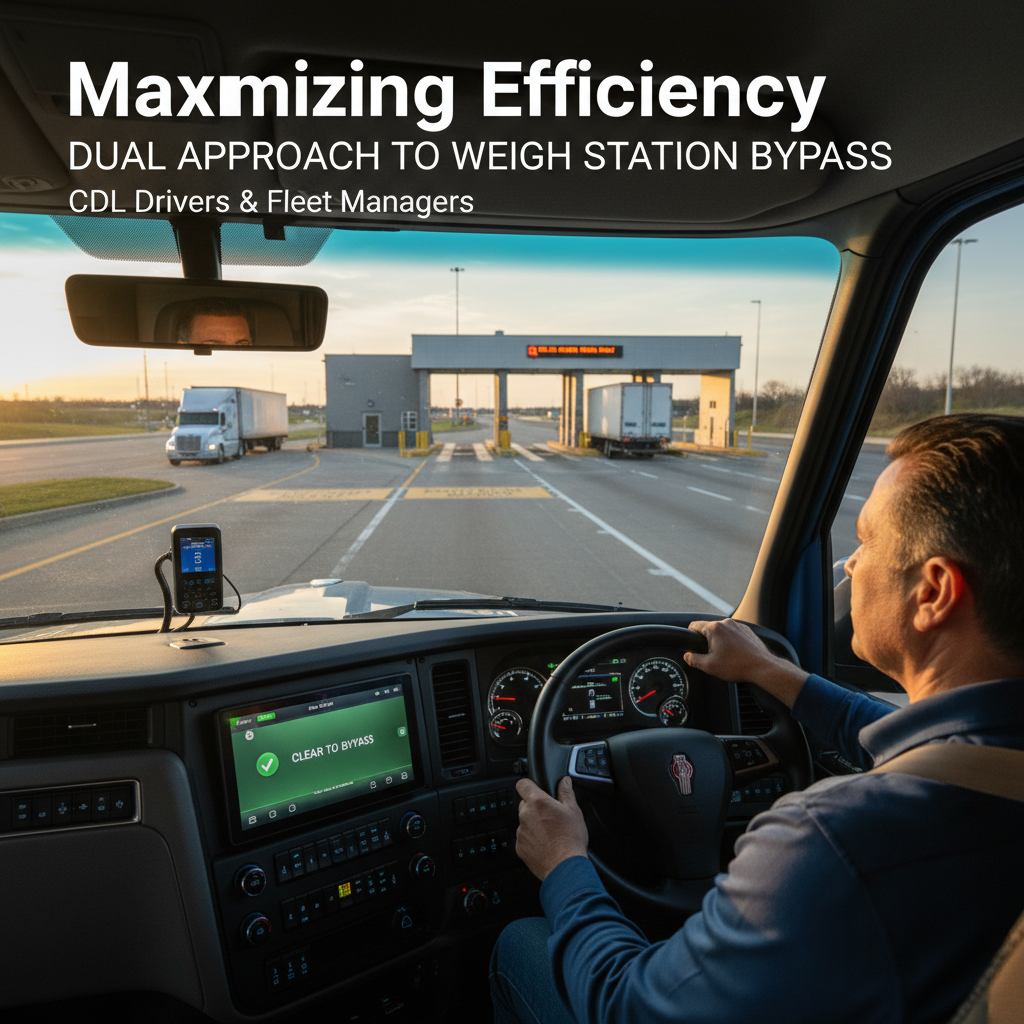
In the fast-paced world of commercial trucking, every minute counts. For CDL truck drivers, time spent idling at weigh stations means lost revenue, delayed deliveries, and increased frustration. For fleet managers, these delays translate into higher operational costs, reduced productivity, and potential impacts on customer satisfaction. While weigh station bypass programs have revolutionized how carriers manage their routes, relying on a single bypass method might be leaving significant savings and efficiencies on the table. This comprehensive guide, brought to you by CDL Jobs Network, explores why a dual approach to weigh station bypass is not just an advantage, but a necessity for modern trucking operations.
The concept of weigh station bypass is simple yet powerful: allow qualified commercial vehicles to bypass inspection facilities, saving time, fuel, and money. Historically, this has been achieved through dedicated transponder-based systems. However, with the rapid advancement of technology, mobile app-based bypass solutions have emerged, offering new avenues for efficiency. The critical question for today's trucking professionals is not whether to bypass, but how to bypass most effectively.
The Undeniable Value of Weigh Station Bypass
Before diving into the specifics of bypass methods, it's crucial to reiterate the profound impact that successful bypasses have on a trucking operation. Data consistently shows that bypassing a weigh station delivers tangible benefits. For instance, industry benchmarks indicate that each successful bypass can save a truck approximately 7 minutes of drive time, conserve about half a gallon of fuel, and avoid an average of $10.65 in operational costs. These figures, while seemingly small individually, accumulate rapidly across a fleet over time.
Consider a single truck making just five successful bypasses per week. Over a year, that truck would save 30 hours of driving time, 130 gallons of fuel, and nearly $2,769 in avoided costs. Multiply that across a fleet of 100 or 200 trucks, and the annual savings can easily reach hundreds of thousands of dollars, significantly impacting a carrier's bottom line. For individual drivers, this means less time waiting, more time driving, and ultimately, more miles and potential earnings. The value proposition is clear: reliable bypass opportunities are a direct pathway to enhanced profitability and driver satisfaction.
The Limitations of a Single Bypass Method
While any bypass method is better than none, relying on just one can create significant gaps in coverage and missed opportunities. Many fleets initially adopt either a transponder-based system or a mobile app solution, believing it sufficiently addresses their needs. However, each method has its inherent strengths and weaknesses, and these can lead to an inconsistent bypass experience.
Transponder-based systems, which have been the industry standard for decades, are highly reliable at established, high-traffic weigh stations with dedicated infrastructure. They offer consistent screening and are often integrated directly into the weigh-in-motion scales, providing seamless operation. However, their deployment can be slower, and they may not cover newer or less frequently used inspection sites. Furthermore, requiring dedicated hardware can sometimes be a barrier for smaller fleets or owner-operators.
Mobile app-based bypass solutions, on the other hand, offer unparalleled flexibility and rapid deployment. They leverage the ubiquity of smartphones and tablets, requiring no additional hardware beyond the driver's existing device. This allows for broader coverage, often including inspection sites that may not be equipped with transponder readers. The downside is that their performance can sometimes be affected by cellular signal strength, device battery life, or driver interaction. While expanding rapidly, mobile-only solutions might not always offer the same level of consistent, high-speed screening at every single location, particularly at older, high-volume sites where transponders excel.
For fleet managers who invest heavily in driver training, vehicle maintenance, and safety programs to improve their Inspection Selection System (ISS) scores, missing bypass opportunities due to a single-method approach is particularly frustrating. These fleets have earned the right to bypass, and a limited system prevents them from fully capitalizing on their safety investments.
The Power of a Dual Approach: Bridging the Gaps
This is where the dual approach comes into play. By combining both transponder-based and mobile app-based bypass solutions, fleets can achieve maximum coverage and reliability, ensuring that their qualified trucks receive a bypass opportunity at nearly every available weigh station. This synergistic strategy leverages the strengths of each method while mitigating their individual weaknesses.
A transponder provides robust and consistent screening at high-volume, established weigh stations where infrastructure is well-developed and traffic flow is critical. These are the locations where delays can be most significant, and a reliable green light is paramount. Simultaneously, a mobile app extends bypass coverage to a broader footprint, including newer or less frequently used inspection sites that may not have transponder readers. It also offers a valuable backup in situations where a transponder might malfunction or be temporarily out of service.
For CDL drivers, this means fewer unexpected stops, more predictable routes, and reduced stress. They gain confidence knowing that their fleet has invested in comprehensive bypass technology, allowing them to focus on safe driving and timely deliveries. For fleet managers, a dual approach translates directly into higher bypass capture rates, leading to significantly greater savings in time, fuel, and operational costs. It ensures that the investments made in safety and compliance are fully realized through consistent operational efficiencies.
Quantifying the Impact: Real-World Savings
Let's revisit the savings equation with a dual approach in mind. Imagine a 200-truck fleet. If this fleet can reliably achieve an average of 7 bypasses per truck per week through a combined system, the numbers are compelling:
- Total Hours Saved Annually: Approximately 8,400 hours
- Total Fuel Saved Annually: Approximately 36,400 gallons
- Total Operational Costs Avoided Annually: Approximately $775,000
These figures are not hypothetical; they represent the real-world value that a comprehensive bypass strategy can unlock. The difference between a fleet that sometimes bypasses and one that reliably bypasses is immense. A dual system helps protect these potential returns, ensuring that the savings proposed by industry benchmarks actually reach the fleet's bottom line.
Bypass Eligibility: Performance-Based Rewards
It's crucial to remember that weigh station bypass is not automatic. Eligibility is performance-based, meaning it's earned through a carrier's commitment to safety and compliance. The Federal Motor Carrier Safety Administration (FMCSA) safety records and Inspection Selection System (ISS) scores are primary determinants of which trucks receive a green light. Carriers with strong safety records and favorable ISS scores are rewarded with fewer operational interruptions, allowing enforcement agencies to focus their resources on higher-risk vehicles.
This performance-based system underscores the importance of maintaining excellent safety standards. A dual bypass solution complements these efforts by ensuring that when a fleet is eligible for a bypass, they have the highest probability of receiving it, regardless of the specific weigh station's technology or location. It's about protecting the investment made in safety and translating it into tangible operational advantages.
Actionable Takeaways for CDL Drivers and Fleet Managers
For CDL drivers, understanding your fleet's bypass strategy is key. Familiarize yourself with both the transponder system in your truck and the mobile bypass app on your device. Ensure both are active, properly installed, and regularly updated. Report any issues immediately to your fleet manager. Your proactive engagement directly contributes to the efficiency of your route and the overall success of the operation.
For fleet managers, the message is clear: evaluate your current bypass strategy. If you're relying on a single method, it's time to explore integrating a dual solution. Here are practical steps:
- Assess Current Coverage: Identify which weigh stations your current method consistently covers and where gaps exist.
- Research Dual Solutions: Investigate providers that offer integrated mobile and transponder-based systems, often managed through a single platform.
- Driver Training: Ensure all drivers are thoroughly trained on how to use both bypass methods effectively and understand the importance of keeping devices charged and apps updated.
- Monitor Performance: Regularly review bypass rates and associated savings to quantify the return on investment of your dual approach.
- Prioritize Safety: Continuously emphasize safety compliance to maintain strong ISS scores, which are fundamental to bypass eligibility.
By adopting a dual approach, fleets can significantly enhance their operational efficiency, reduce costs, and improve driver satisfaction. It's about creating a more predictable, profitable, and less stressful environment for everyone involved in the vital work of commercial trucking. Don't leave valuable savings on the table; embrace the comprehensive coverage that a dual bypass strategy offers and drive your fleet towards a more efficient future.
Helpful Resources for CDL Drivers
Comments (0)
Sign in to join the conversation
Sign In to CommentNo comments yet. Be the first to share your thoughts!
Explore More
Driver Resources
Educational guides on CDL licensing, salary expectations, and route planning tips.
Browse CDL Jobs
Find your next driving opportunity. Search by location, route type, and CDL class.
CDL Salary Guide
Understand how pay varies by experience, route type, and location in the trucking industry.