
Navigating Tariff Tides: What the Supreme Court's Ruling on Import Duties Means for Trucking
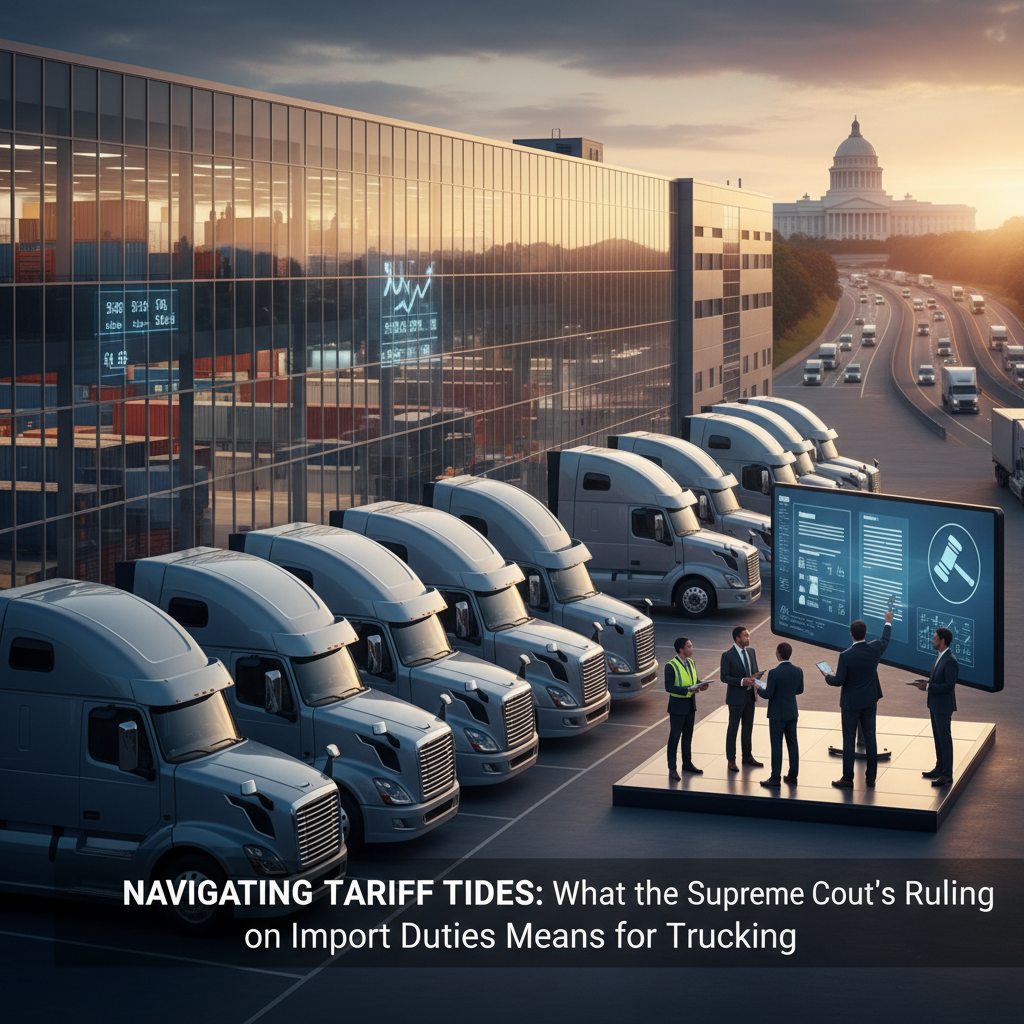
The intricate world of international trade policy often feels distant from the day-to-day realities of hauling freight across the nation's highways. However, decisions made in Washington D.C., particularly those concerning tariffs, can send significant ripples through the entire supply chain, directly impacting the bottom line for CDL truck drivers and the operational strategies of fleet managers. A recent Supreme Court ruling regarding the legality of certain tariffs, and the subsequent commentary from Treasury Secretary Scott Bessent, has brought this connection into sharp focus, raising questions about potential refunds and their ultimate beneficiaries.
For many in the trucking industry, tariffs are not just abstract economic terms; they translate into tangible costs. Whether it's the price of new trucks and trailers, replacement parts, tires, or even the components used in manufacturing the goods being transported, import duties can inflate expenses. Understanding the implications of this Supreme Court decision and the Treasury's response is crucial for both owner-operators trying to manage their budgets and fleet managers strategizing for future profitability.
The Supreme Court's Tariff Ruling: A Shift in Authority
On February 20, 2026, the Supreme Court delivered a landmark ruling that declared certain tariffs, previously imposed by President Donald Trump, as unlawful. Specifically, the court found that the President could not impose these tariffs using the International Emergency Economic Powers Act (IEEPA). This act is typically reserved for national emergencies and was deemed an inappropriate legal basis for the broad application of import duties seen in recent years.
This decision immediately sparked widespread discussion about the fate of billions of dollars in tariff revenue already collected. For the trucking industry, this wasn't just about abstract government funds; it was about the potential for significant financial adjustments. Many businesses, including those involved in manufacturing and logistics, had paid these tariffs, often passing on the increased costs down the supply chain. The question on everyone's mind was: would these funds be refunded, and if so, to whom?
Treasury Secretary Bessent's Stance: "Ultimate Corporate Welfare"
Hours after the Supreme Court's ruling, Treasury Secretary Scott Bessent weighed in with a strong opinion that has significant implications for how any potential refunds might be handled. Bessent asserted that if a payout were to occur, it would largely constitute "ultimate corporate welfare," suggesting that the benefits would primarily accrue to corporations rather than reaching American consumers or, by extension, directly alleviating costs for the trucking sector.
Bessent's reasoning highlights a critical dynamic in how tariffs often function. He described a scenario where a foreign supplier might lower its price for an American importer, with the importer then paying the tariff. However, the final retail price for the consumer remains unchanged. In such a case, a refund to the importer would simply be a net new benefit for that company, rather than a price reduction passed on to the end-user. This perspective suggests that the government believes the economic burden of the tariffs was not fully absorbed by consumers, but rather by businesses who adjusted their pricing and supply chain strategies.
For CDL drivers and fleet managers, this perspective is vital. It implies that even if substantial refunds are issued to importing companies, there's no guarantee these savings will translate into lower equipment costs, cheaper parts, or reduced prices for the goods being hauled. The trucking industry operates on tight margins, and any potential relief from inflated costs is always welcome. However, Bessent's comments temper expectations that such relief would be a direct outcome of tariff refunds.
The Long Road to Refunds: Litigation and Uncertainty
Secretary Bessent also cautioned that the process of litigating and distributing any refunds could be protracted, potentially taking "months- or yearslong." This extended timeline introduces a significant element of uncertainty for businesses that might have hoped for a swift resolution and financial injection. For fleet managers, long-term uncertainty makes strategic planning more challenging, especially when forecasting equipment procurement costs or negotiating freight rates.
This legal entanglement means that even if the Supreme Court's ruling opens the door for refunds, the actual realization of those funds is far from immediate. Companies that believe they are owed money will likely need to pursue complex legal avenues, adding further layers of cost and delay. The trucking industry thrives on predictability, and this kind of prolonged legal battle over billions of dollars creates anything but.
The Government's Backup Plan: Unchanged Tariff Revenue
Perhaps one of the most surprising revelations from Secretary Bessent was the administration's contingency plan to ensure that tariff revenue in 2026 would remain "virtually unchanged" despite the Supreme Court's ruling. This is a crucial detail for the trucking industry, as it indicates that the government intends to maintain a similar level of import duties, albeit through different legal mechanisms.
The administration plans to utilize other congressional authorities, specifically Section 122, Section 232, and Section 301 authorities, to reimpose tariffs. While Bessent acknowledged these methods are "less direct and slightly more convoluted," the intent is clear: the financial impact of tariffs on imported goods is expected to continue. This means that the underlying cost pressures on equipment, parts, and other imported goods that affect the trucking sector are unlikely to dissipate soon.
For CDL drivers, this implies that the cost of new trucks, trailers, and even maintenance parts, which often rely on global supply chains, may not see a significant reduction. Fleet managers will need to continue factoring in these tariff-related costs when budgeting for capital expenditures and operational expenses. The shift in authority from one legal mechanism to another might be a technicality for policymakers, but for businesses, it means the economic reality of tariffs persists.
Impact on the Trucking Industry: Beyond the Headlines
The implications of these tariff policies extend far beyond the immediate cost of imported goods. The trucking industry is the backbone of the American economy, responsible for moving approximately 72% of all freight. Changes in trade policy, especially those affecting import costs, can have a cascading effect:
- Equipment Costs: New trucks, trailers, and specialized equipment often contain components manufactured abroad or are imported as complete units. Tariffs directly increase their acquisition cost, which can strain fleet budgets and make it harder for owner-operators to upgrade their rigs. This can also lead to fleets holding onto older equipment longer, potentially increasing maintenance costs and downtime.
- Parts and Maintenance: Even domestically manufactured trucks rely on a global supply chain for parts. Tariffs on steel, aluminum, rubber, and other materials can drive up the cost of replacement parts, tires, and routine maintenance, directly impacting operational expenses for every truck on the road.
- Freight Rates: While tariffs directly impact costs, their effect on freight rates is more complex. Increased operational costs for carriers might necessitate higher freight rates to maintain profitability. However, if tariffs lead to reduced import volumes or shifts in manufacturing, overall freight demand could be affected, creating downward pressure on rates in certain lanes. Fleet managers must carefully monitor these dynamics.
- Supply Chain Disruptions: Unpredictable tariff policies can lead to supply chain disruptions as companies adjust their sourcing strategies. This can result in delays, increased inventory costs, and a need for more flexible logistics solutions, all of which impact the efficiency and profitability of trucking operations.
- Consumer Demand: Ultimately, if tariffs contribute to higher consumer prices for goods, it could dampen overall consumer spending, which in turn affects the volume of goods needing to be transported. A slowdown in consumer demand directly translates to less freight for truckers.
Actionable Takeaways for CDL Drivers and Fleet Managers
Given the ongoing uncertainty and the government's intent to maintain tariff revenues, what can those in the trucking industry do to mitigate potential impacts?
-
For CDL Drivers (Owner-Operators):
- Budgeting for Equipment: Factor in potentially higher costs for new or used trucks, trailers, and major components. Explore financing options carefully and consider the long-term total cost of ownership.
- Maintenance Planning: Proactively budget for maintenance and repair costs, anticipating that parts prices may remain elevated. Regular preventative maintenance can help avoid costly, unexpected repairs.
- Diversify Freight Sources: Don't put all your eggs in one basket. Seek out diverse freight opportunities to buffer against potential slowdowns in specific sectors affected by trade policies.
- Stay Informed: Keep an eye on industry news and economic forecasts. Understanding broader economic trends can help you make better business decisions.
-
For Fleet Managers:
- Strategic Sourcing: Review your procurement strategies for trucks, trailers, and parts. Explore domestic suppliers where feasible, or work closely with international suppliers to understand their tariff absorption and pricing strategies.
- Cost Management: Implement robust cost management practices across all operational areas. Look for efficiencies in fuel consumption, route optimization, and backhaul opportunities to offset potential tariff-driven cost increases.
- Negotiate Smartly: When negotiating with shippers, be prepared to justify rate adjustments based on rising operational costs, including those influenced by tariffs. Transparency about cost drivers can build stronger partnerships.
- Supply Chain Resilience: Work with your logistics partners and shippers to build more resilient supply chains. This might involve exploring alternative shipping routes, warehousing strategies, or diversifying supplier bases to reduce vulnerability to trade policy shifts.
- Advocacy: Support industry associations that advocate for policies beneficial to the trucking sector. Collective voices can influence policymakers and ensure the industry's concerns are heard.
The Road Ahead
The Supreme Court's ruling on tariffs, coupled with Treasury Secretary Bessent's warnings about "corporate welfare" and the administration's backup plan to maintain tariff revenues, paints a complex picture for the trucking industry. While the immediate prospect of widespread, consumer-benefiting refunds seems unlikely, the continued presence of tariffs, albeit under different legal frameworks, means that cost pressures on equipment, parts, and overall operational expenses will likely persist.
For CDL truck drivers and fleet managers, the key takeaway is the need for vigilance, strategic planning, and adaptability. The economic landscape is constantly shifting, and understanding how these high-level policy decisions translate into real-world impacts on the road is essential for navigating the challenges and seizing opportunities in the dynamic world of freight transportation. Staying informed, managing costs diligently, and building resilient operations will be paramount in ensuring continued success in the years to come.
Helpful Resources for CDL Drivers
Comments (0)
Sign in to join the conversation
Sign In to CommentNo comments yet. Be the first to share your thoughts!
Explore More
Driver Resources
Educational guides on CDL licensing, salary expectations, and route planning tips.
Browse CDL Jobs
Find your next driving opportunity. Search by location, route type, and CDL class.
CDL Salary Guide
Understand how pay varies by experience, route type, and location in the trucking industry.