
Navigating Texas's Freight Future: SH 130 Offers a Congestion-Free Alternative to I-35 for Cross-Border Trucking
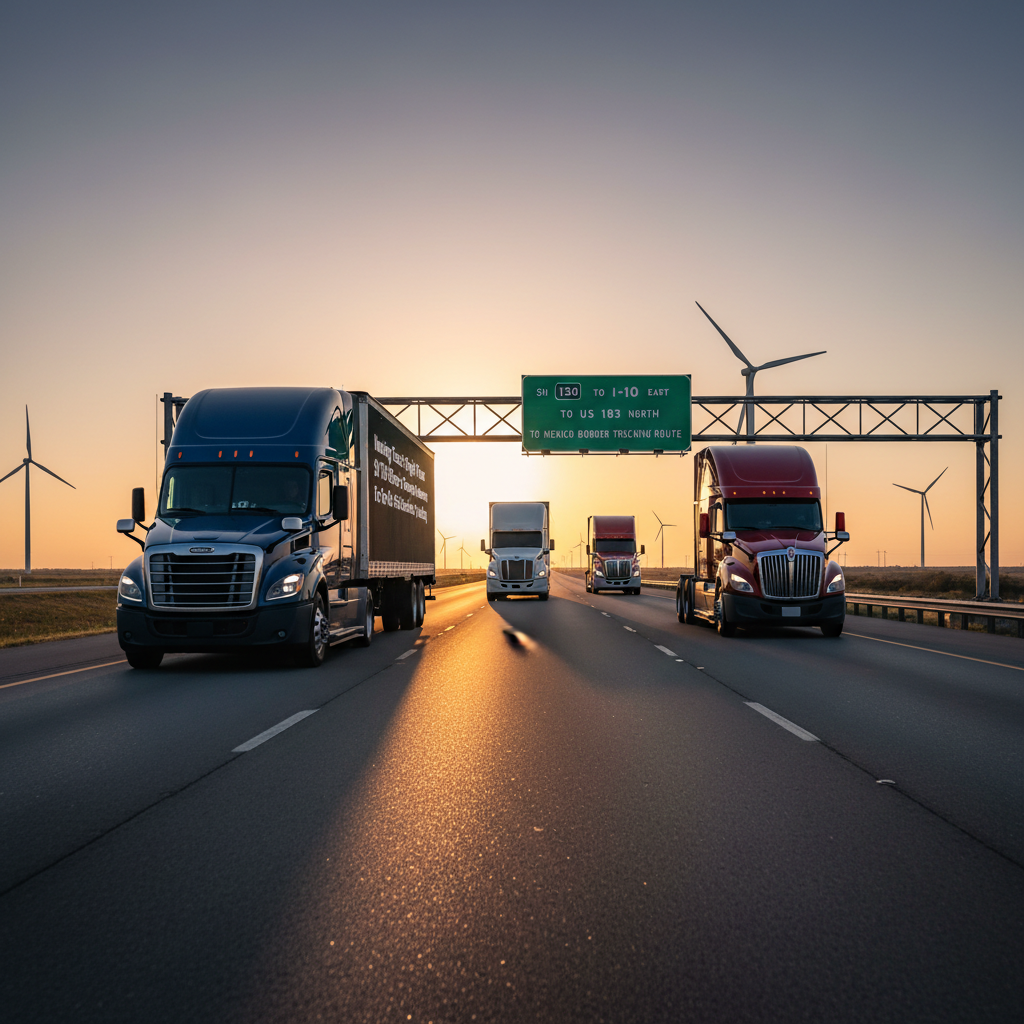
As the lifeblood of commerce between the United States and Mexico continues to surge, the arteries of our nation's highway system are feeling the strain. Interstate 35, a critical north-south corridor, particularly through the bustling heart of Texas, has become synonymous with congestion, delays, and mounting frustration for the dedicated men and women behind the wheel of commercial trucks, as well as the fleet managers who meticulously plan their routes. In response to these growing challenges, SH 130 Concession Co. is strategically positioning State Highway 130 as a vital, high-speed alternative, actively courting cross-border freight traffic and offering a compelling solution to the I-35 bottleneck.
The dynamic landscape of U.S.-Mexico trade is experiencing unprecedented growth, driven by factors such as nearshoring initiatives and robust economic ties. Laredo, Texas, stands as the busiest inland port in the United States, a testament to the sheer volume of goods flowing across the border. The vast majority of this northbound freight, destined for major distribution hubs across the U.S., must traverse the I-35 corridor through San Antonio and Austin. This concentration of traffic, combined with ongoing infrastructure projects along I-35, creates a perfect storm of delays that can severely impact delivery schedules, driver hours-of-service compliance, and overall operational efficiency.
Recognizing this critical pain point, SH 130 Concession Co. is intensifying its efforts to divert a significant portion of this commercial truck traffic onto its 41-mile tolled segment of SH 130, which runs between Austin and Seguin. This stretch of highway, bypassing the most heavily congested sections of I-35, is being promoted not just as an alternative route, but as a strategic advantage for carriers. Ananth Prasad, CEO of SH 130 Concession Co., emphasizes the road's role as a crucial 'freight corridor and a reliever to I-35.' He points out that with I-35 construction slated to continue for years, a parallel, congestion-free facility becomes indispensable for trucks moving through Central Texas.
The Escalating Challenge of I-35 Congestion
For any CDL truck driver who has navigated the I-35 corridor through Austin and San Antonio, the term 'congestion' often feels like an understatement. Peak travel periods can transform what should be a straightforward journey into a grueling test of patience, adding an hour or more to transit times. This isn't just an inconvenience; it's a direct hit to a trucking company's bottom line. Fuel consumption increases, driver productivity decreases, and the risk of late deliveries escalates. For fleet managers, these unpredictable delays complicate logistics planning, impact scheduling, and can lead to costly penalties for missed appointments. The ripple effect extends throughout the supply chain, affecting everything from manufacturing schedules to retail shelf stock.
The sheer volume of traffic on I-35 is staggering, and it's only projected to grow. The economic vitality of Texas and its central role in North American trade mean that this highway will remain a critical artery. However, its current state often undermines the very efficiency it's meant to facilitate. The ongoing construction projects, while necessary for long-term improvement, exacerbate short-term delays, creating a challenging environment for commercial vehicles that operate on tight schedules and strict regulations. This makes the search for reliable, time-saving alternatives not just a preference, but an operational imperative.
SH 130: A Strategic Bypass for Time-Sensitive Freight
SH 130 is not a new road, but its strategic importance for the trucking industry is rapidly ascending. The southern 41 miles, operated by SH 130 Concession Co., offers a direct, high-speed bypass around the most notorious sections of I-35. The promise of SH 130 is clear: more reliable travel times, enhanced safety, and a dedicated infrastructure designed with long-haul and cross-border carriers in mind. According to Prasad, truckers can consistently save 30 minutes to an hour by choosing SH 130 over I-35 during peak northbound or southbound periods. For a driver on a tight HOS clock, or a fleet manager trying to optimize asset utilization, these time savings are invaluable.
The numbers speak for themselves. Truck traffic on SH 130 has seen a significant uptick, indicating a growing recognition of its benefits. In 2022, over 3 million commercial trucks utilized the toll road, marking a 26% year-over-year increase. Tractor-trailer traffic alone surged by 68% since 2019. This upward trend continued into 2023, with commercial truck transactions rising another 9.5% year-over-year to approximately 3.5 million. These figures underscore a clear shift as more carriers discover the operational advantages of SH 130.
Targeting the Cross-Border Market: Why SH 130 Matters for U.S.-Mexico Trade
The nexus of U.S.-Mexico trade flows directly through Texas, with Laredo serving as the primary gateway. Freight originating from Mexico, often carrying components for manufacturing, agricultural products, or consumer goods, typically heads north through San Antonio and Austin en route to major U.S. distribution centers in Dallas-Fort Worth, Chicago, and beyond. The ability to move this freight efficiently is paramount for maintaining competitive supply chains and supporting the burgeoning nearshoring trend.
SH 130 executives are keenly aware of this dynamic. They highlight the toll road's capacity to offer a 'cleaner north-south routing option' for carriers. This means avoiding the urban sprawl and unpredictable traffic patterns of Austin, a city projected to face years of additional traffic disruption due to intensified I-35 reconstruction. For fleet managers, this translates into more predictable transit times, reduced risk of driver fatigue from stop-and-go traffic, and a more streamlined journey for high-value or time-sensitive cargo.
Prasad's confidence in the long-term fundamentals of U.S.-Mexico trade and nearshoring remains unshaken, irrespective of short-term economic fluctuations. This long-term vision underpins the strategic importance of SH 130 as a permanent fixture in the cross-border logistics network. It's not just about alleviating current pain; it's about building resilience and efficiency into future supply chains.
Actionable Incentives, Parking, and Reliability for Truckers and Fleets
To further sweeten the deal and actively lure trucks off I-35, SH 130 Concession Co. is not just relying on the promise of speed. They are actively expanding incentive programs designed to make the choice even more attractive for commercial carriers. These incentives might include discounted tolls for frequent users, or specialized programs tailored for large fleets, making the cost-benefit analysis even more favorable.
Beyond financial incentives, practical considerations for truck drivers are paramount. Truck parking, a perennial challenge across the industry, is being addressed. The availability of safe, secure, and accessible truck parking facilities along SH 130 is a significant draw. Drivers need reliable places to rest, conduct pre-trip inspections, and manage their hours-of-service, and a route that integrates these necessities seamlessly adds immense value.
Reliability is the ultimate currency in the trucking industry. The ability to predict arrival times with greater accuracy, to avoid unexpected delays, and to maintain consistent schedules is what truly empowers fleet managers and provides peace of mind for drivers. SH 130's commitment to providing a congestion-free corridor directly addresses this need, offering a level of predictability that I-35, in its current state, often cannot.
The Broader Economic Impact and Future Outlook
The strategic development and promotion of SH 130 have broader economic implications that extend beyond individual trucking companies. By providing an efficient alternative, SH 130 contributes to the overall resilience and competitiveness of the Texas and U.S. supply chains. Reduced transit times mean goods move faster to market, supporting manufacturing, retail, and other sectors that rely on timely deliveries. This efficiency can help mitigate inflationary pressures and enhance the attractiveness of the U.S. as a destination for foreign investment in manufacturing and logistics.
For CDL drivers, a more reliable route means less stress, more predictable workdays, and potentially better adherence to HOS regulations, contributing to improved safety outcomes. For fleet managers, it means optimized asset utilization, reduced operational costs (less idle time, lower fuel consumption in traffic), and the ability to offer more competitive service to their clients. It also provides a crucial contingency route, offering flexibility when unforeseen incidents or extreme congestion occur on I-35.
Looking ahead, as cross-border trade continues its upward trajectory and the population centers of Texas expand, the pressure on existing infrastructure will only intensify. Strategic investments in alternatives like SH 130 are not just short-term fixes but long-term solutions. They represent a forward-thinking approach to managing freight mobility, ensuring that the wheels of commerce can continue to turn smoothly, efficiently, and safely. Trucking companies and independent owner-operators are encouraged to explore SH 130 as a viable, value-added route for their Central Texas and cross-border operations, leveraging its benefits to enhance their competitive edge and operational efficiency in an increasingly demanding industry.
Helpful Resources for CDL Drivers
Comments (0)
Sign in to join the conversation
Sign In to CommentNo comments yet. Be the first to share your thoughts!
Explore More
Driver Resources
Educational guides on CDL licensing, salary expectations, and route planning tips.
Browse CDL Jobs
Find your next driving opportunity. Search by location, route type, and CDL class.
CDL Salary Guide
Understand how pay varies by experience, route type, and location in the trucking industry.