
Navigating the Blizzard: Essential Strategies for CDL Drivers and Fleet Managers During Major Winter Storms
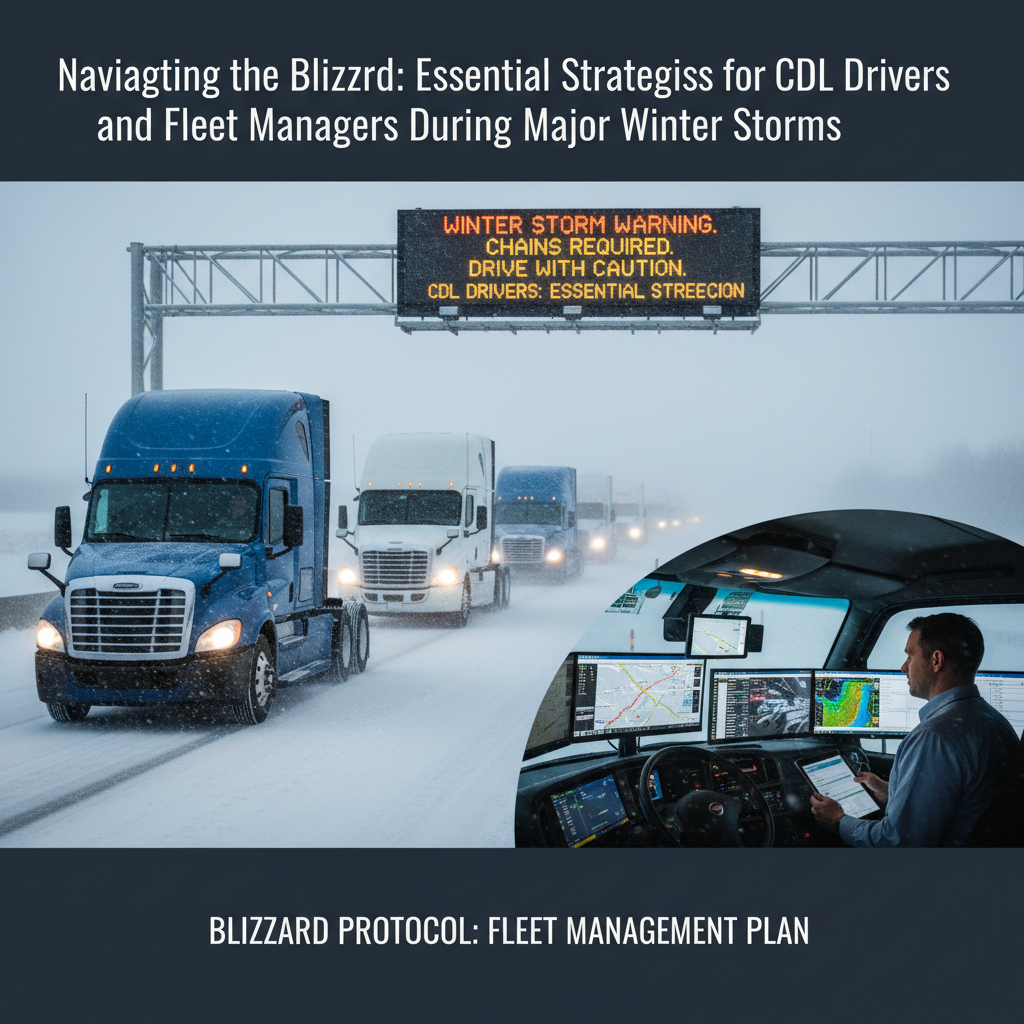
Navigating the Blizzard: Essential Strategies for CDL Drivers and Fleet Managers During Major Winter Storms
The trucking industry is currently bracing for a massive winter storm system, one that forecasters predict will impact over 230 million people across the United States. As this significant weather event approaches, the digital landscape of trucking—from forums and social media threads to internal fleet communication channels—is alight with discussions, concerns, and strategic planning. For professional CDL drivers and the fleet managers who support them, this is not just a weather report; it is a critical operational challenge demanding immediate, coordinated action.
The core dilemma facing the industry right now centers on safety versus operational necessity. While some drivers are receiving clear directives from safety departments to "shut it down" and park safely until the worst passes, others are encountering pressure to maintain schedules, highlighting the perennial tension between logistics demands and real-world driving conditions. Understanding and mitigating the risks associated with severe winter weather is paramount, not only for regulatory compliance but, most importantly, for the preservation of life and equipment.
The Digital Pulse: What Truckers Are Discussing Online
The immediate reaction to severe weather warnings often provides a candid look into the realities of life on the road. On popular trucking platforms, the conversation is multifaceted, reflecting the diversity of experiences and company cultures within the industry.
The Safety Mandate: Many drivers are sharing communications from their dispatch and safety teams emphasizing caution. These messages often include specific instructions regarding restricted travel areas, mandatory parking procedures, and the availability of emergency resources. For many, the decision to park is a reasonable, non-negotiable safety measure, especially when state transportation departments issue full commercial vehicle travel bans, as seen frequently in states like Pennsylvania during major snow events.
The Dispatch Dilemma: Conversely, a significant portion of the discussion revolves around the pressure drivers feel to "push on." Anecdotes abound regarding dispatchers, often working remotely or focused purely on delivery metrics, attempting to persuade drivers to continue their routes just hours before a major storm hits. This dynamic underscores a critical need for better communication and alignment between operations staff and drivers who are physically assessing road conditions. Fleet managers must ensure that dispatchers are empowered and trained to prioritize driver safety over schedule adherence when conditions deteriorate.
The Entrepreneurial Spirit (and Risk): Less serious, but equally prevalent, are discussions about the economic impact. Some drivers are lightheartedly discussing the potential for surge pricing on loads due to reduced capacity and high demand, while others express a determined, perhaps overly confident, willingness to drive through the storm regardless of the risks. This highlights a need for continuous safety messaging, reminding all drivers that no load is worth risking a life or causing a costly accident.
Section 1: Pre-Storm Preparation for the Professional Driver
For the CDL holder, preparation begins long before the first snowflake falls. Proactive measures are the difference between a minor delay and a catastrophic incident.
1. Route Planning and Contingency Parking:
Before leaving, drivers must meticulously review their planned route against the forecasted path and severity of the storm. The goal is not just to avoid the storm, but to identify secure, safe parking locations before travel becomes impossible. Ideal parking locations include major truck stops with ample space, designated rest areas, or company terminals. Relying on finding a spot at the last minute is a recipe for disaster, as hundreds of other drivers will be seeking the same limited spaces.
Actionable Tip: Use weather apps and state DOT websites (like 511 systems) to monitor road closure announcements and commercial vehicle restrictions. If a major travel ban is anticipated, aim to be parked 12 to 24 hours ahead of the projected start time.
2. Equipment Readiness and Winterization:
Severe cold and moisture are brutal on commercial vehicles. A thorough pre-trip inspection (PTI) is critical, focusing specifically on winter-related components:
- Tires and Chains: Ensure tires have adequate tread depth. Verify that tire chains are accessible, properly sized, and that the driver is proficient in their installation. Many states mandate chain requirements during severe weather events.
- Fluids and Fuel: Top off fuel tanks to prevent condensation and fuel line freezing. Use winterized diesel fuel additives (anti-gel). Check coolant/antifreeze levels and ensure windshield washer fluid is rated for extreme cold.
- Brakes and Air Lines: Drain air tanks frequently to remove moisture, which can freeze and disable the braking system. Check for any air leaks that could worsen in cold temperatures.
- Visibility: Ensure all lights are functional and clean. Carry a high-quality ice scraper and brush. Check wiper blades for wear.
3. Emergency Kit Enhancement:
Standard emergency kits must be augmented for potential extended delays. Drivers should pack:
- Extra Food and Water: Enough for at least 72 hours, as supply chains to truck stops may be temporarily disrupted.
- Warm Clothing and Bedding: Extra blankets, cold-weather gear, and insulated boots are essential if the truck loses heat.
- Communication Devices: Fully charged cell phones, external battery packs, and potentially a CB radio for localized communication.
- Safety Gear: Road flares, reflective triangles, a bright vest, and a sturdy shovel for digging out.
Section 2: Fleet Management Strategies for Mitigating Storm Impact
For fleet managers, a major winter storm requires a shift from standard operational planning to crisis management. The focus must be on communication, asset protection, and driver support.
1. Proactive Communication and Safety Directives:
Establish clear, non-negotiable safety protocols related to severe weather. This means moving beyond generic warnings and providing specific instructions based on geographic location and storm severity.
- Standardized Parking Policy: Issue a clear directive outlining when and where drivers must park. This policy should empower drivers to make the final decision on safety, overriding dispatch instructions if necessary.
- Real-Time Updates: Utilize fleet management software (FMS) and two-way communication systems to push real-time updates on road closures, travel bans, and weather advisories. Integrate state DOT data directly into the dispatch system.
- Training for Dispatchers: Conduct mandatory training for dispatch staff, emphasizing that safety is the absolute priority. Dispatchers must understand the physical constraints of driving a CMV in ice and snow and refrain from pressuring drivers to violate safety protocols.
2. Asset Protection and Maintenance Scheduling:
Severe weather often leads to increased maintenance costs and downtime. Fleet managers can mitigate this through strategic maintenance scheduling.
- Pre-Storm Inspections: Ensure all trucks scheduled to operate in the affected region receive enhanced pre-trip inspections focusing on winter readiness (tires, brakes, heating systems).
- Strategic Repositioning: Where possible, reposition non-essential assets and loads out of the storm's path. If a truck must be parked for an extended period, ensure it is parked securely, away from potential hazards like falling trees or power lines.
- Supply Chain Buffer: Communicate with key clients and shippers early to manage expectations regarding delays. Build extra time into delivery windows to account for potential road closures and slow travel speeds.
3. Driver Support and Morale:
Drivers who are forced to park for days require support. A proactive approach to driver welfare can significantly boost morale and retention.
- Check-Ins: Implement mandatory check-ins every 12 hours for drivers parked due to weather. This ensures their safety and provides an opportunity to address any immediate needs.
- Financial Support: Review company policies regarding detention time and layover pay during weather events. Fair compensation during mandatory downtime reinforces the company’s commitment to driver well-being.
- Resource Provision: Ensure drivers know how to access company resources for assistance, whether it’s roadside service, emergency funds, or mental health support during stressful isolation.
Section 3: Driving Techniques and On-Road Safety During Winter Conditions
Even with the best preparation, drivers may encounter challenging conditions. Mastering winter driving techniques is crucial for minimizing risk.
1. Speed and Following Distance:
The single most important adjustment is speed reduction. Ice and snow drastically increase stopping distances. A general rule is to reduce speed by at least one-third on wet roads and by half or more on packed snow or ice. Increase following distance exponentially—from the standard 7 seconds to 10-15 seconds.
2. Gentle Inputs:
Commercial vehicles are highly susceptible to jackknifing and loss of control on slick surfaces. All inputs—steering, braking, and accelerating—must be smooth and gradual. Avoid sudden movements. If the trailer begins to slide (trailer swing), gently turn the steering wheel into the direction of the slide to attempt recovery, but prioritize slowing down safely.
3. Navigating Hills and Bridges:
Bridges, overpasses, and shaded areas freeze first and thaw last. Assume these surfaces are icy, even if the surrounding roadway is clear. Approach hills with momentum, but avoid accelerating while on the incline, as this can cause drive wheels to spin. Downhill travel requires using lower gears (engine braking) and only light, intermittent brake applications to maintain control.
4. Visibility Challenges:
Blizzard conditions often reduce visibility to near zero (whiteout). If visibility drops significantly, the safest action is to pull over immediately and completely off the traveled roadway. Turn on hazard lights, but turn off headlights, as they can sometimes reflect off the snow and worsen visibility for others.
Section 4: The Regulatory Landscape and Commercial Vehicle Bans
Fleet managers and drivers must be acutely aware of state-level regulations during severe weather. State Departments of Transportation (DOTs) often issue full commercial vehicle travel bans, particularly for tractor-trailers, when conditions pose an extreme risk.
These bans are typically implemented on major interstate corridors and are enforced rigorously. Ignoring a travel ban can result in significant fines, out-of-service orders, and, more importantly, endanger emergency responders who may be attempting to clear accidents or assist stranded motorists.
Industry Insight: The decision to issue a ban is often based on wind speed, snow accumulation rate, and road surface temperatures. Drivers must monitor official state channels, not just generic weather reports, to ensure compliance. Companies should have a clear policy mandating immediate compliance with all state-issued CMV travel restrictions.
Conclusion: Prioritizing Safety in the Face of the Storm
The impending winter storm serves as a powerful reminder of the inherent risks in the trucking profession. While the industry is driven by the necessity of timely deliveries, the safety of CDL drivers and the integrity of the equipment must always take precedence. The conversations happening online—the tension between safety managers and dispatchers, the shared frustration, and the practical advice—underscore the need for unified, safety-first policies.
For drivers, the message is clear: Park early, prepare thoroughly, and never compromise safety for a schedule. For fleet managers, this is an opportunity to reinforce a culture of safety, ensuring that every dispatcher, scheduler, and manager understands that the most valuable asset is the driver behind the wheel. By implementing robust preparation strategies and maintaining open, safety-focused communication, the trucking industry can successfully navigate this major weather event and ensure the safe passage of the nation's goods.
Helpful Resources for CDL Drivers
Comments (0)
Sign in to join the conversation
Sign In to CommentNo comments yet. Be the first to share your thoughts!
Explore More
Driver Resources
Educational guides on CDL licensing, salary expectations, and route planning tips.
Browse CDL Jobs
Find your next driving opportunity. Search by location, route type, and CDL class.
CDL Salary Guide
Understand how pay varies by experience, route type, and location in the trucking industry.