
Navigating the Deep Freeze: Analyzing Winter Storm Fern’s Impact on Trucking Operations and Freight Flow
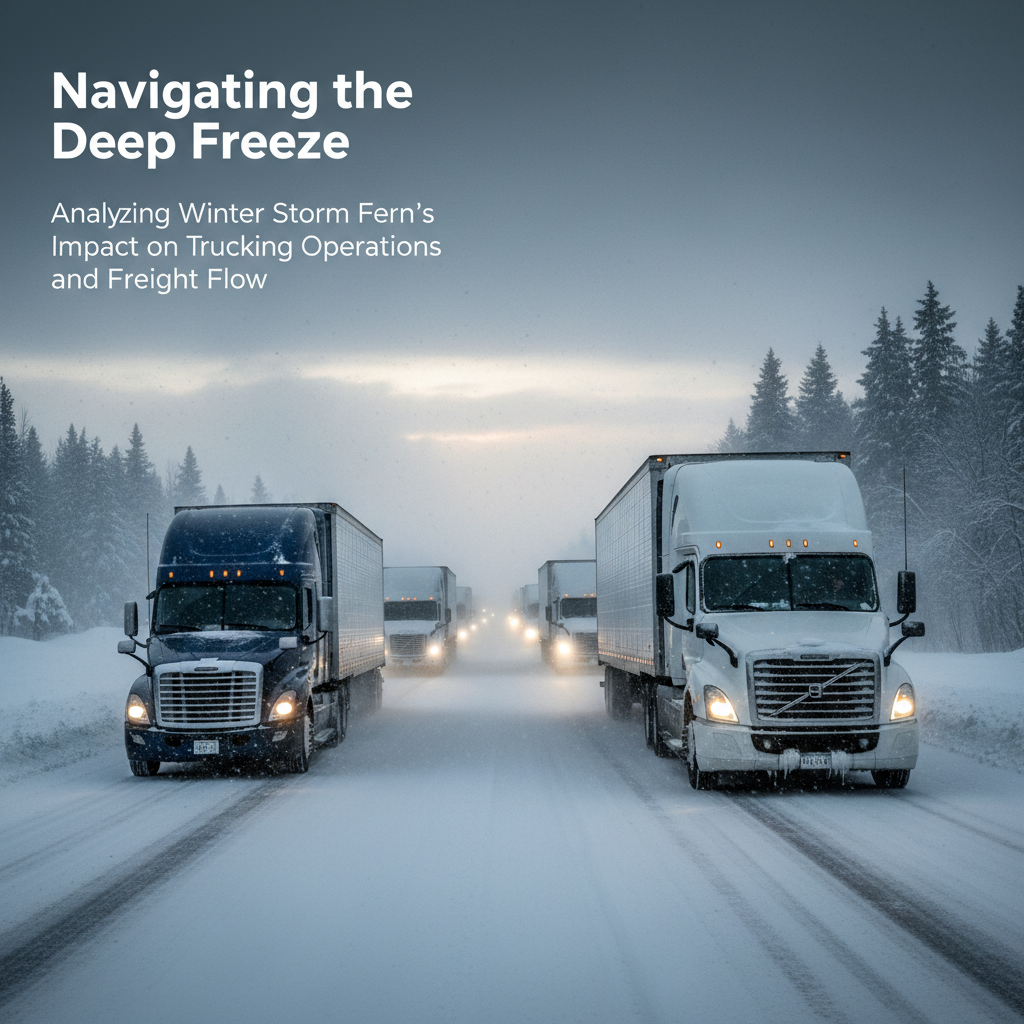
The onset of severe winter weather is an annual challenge for the trucking industry, but the initial wave of Winter Storm Fern presented a particularly disruptive scenario across the Southeast and lower Midwest. For CDL professionals and fleet managers, understanding the immediate and residual effects of such major weather events is critical for safety, compliance, and maintaining supply chain integrity. This analysis breaks down the storm’s impact on key freight corridors, major hubs, and provides actionable strategies for mitigating future weather-related delays.
The Storm’s Immediate Footprint: Icy Roads and Corridor Closures
Winter Storm Fern quickly established a dangerous dividing line, with the transition between heavy ice and snow often falling near the critical Interstate 40 corridor. This meteorological boundary created highly variable and unpredictable driving conditions that necessitated immediate intervention from state departments of transportation (DOTs) and law enforcement.
Across the affected regions, major interstates experienced significant closures. In Missouri, sections of Interstate 70 near St. Louis were shut down due to a combination of heavy snowfall and multiple accidents. First responders faced immense difficulty reaching crash sites, underscoring the severity of the road conditions. For truck drivers, this meant immediate re-routing, extended dwell times, and the necessity of finding safe parking before conditions deteriorated further. Fleet managers dealing with loads heading through the Midwest had to rapidly adjust delivery schedules and communicate delays to shippers.
Perhaps the most treacherous conditions were reported in Texas, where icy roads forced the closure of almost every interstate leading into the Dallas metropolitan area. Ice accumulation, often more dangerous than snow for heavy trucks, makes braking and steering unpredictable, leading to widespread safety warnings urging drivers to stay off the roads. Furthermore, Nashville, Tennessee, experienced rapidly deteriorating conditions, with forecasts predicting significant ice accumulation (up to 0.75 inches) over a 12-hour period, effectively paralyzing local and regional freight movement.
State officials and meteorologists issued stern warnings, urging drivers—especially those operating commercial vehicles—to cease travel during the peak risk window, often spanning from late Saturday night through Sunday afternoon. Heeding these warnings is not just a matter of compliance, but a fundamental safety requirement for professional truck drivers.
Major Freight Hubs Brace for Impact: Louisville and Memphis
Severe weather events like Winter Storm Fern test the resilience of the nation’s logistics infrastructure, particularly the massive air freight and ground hubs that serve as critical transfer points for high-priority shipments. The storm’s path directly impacted two of the largest express carrier hubs in the world: UPS’s Worldport in Louisville, Kentucky, and FedEx’s SuperHub in Memphis, Tennessee.
In Louisville, which was forecast to receive over a foot of snow, UPS made the decisive move to close the Worldport hub. This closure immediately halted Sunday’s Second Day Air operations. This decision, while disruptive, prioritized the safety of thousands of employees and ground crew. For fleet managers, this closure meant that inbound and outbound feeder freight destined for or originating from Louisville would face immediate delays, requiring contingency planning for loads that needed to be held or diverted to alternate distribution centers.
Similarly, FedEx activated comprehensive contingency plans at both its Memphis and Indianapolis hubs. While the hubs may not have fully shut down at the time of the initial storm wave, potential delays were flagged for packages shipped just prior to the storm, impacting delivery commitments. Both carriers emphasized their commitment to resuming service as soon as safety protocols allowed, highlighting the industry’s reliance on robust, pre-planned weather mitigation strategies.
These hub closures and operational slowdowns have a cascading effect throughout the supply chain. Linehaul drivers carrying time-sensitive cargo, such as pharmaceuticals or high-value manufacturing components, must communicate closely with dispatch to manage hours-of-service (HOS) limitations while waiting for hubs to reopen or for alternative routing instructions. The ability of drivers to find safe, legal parking during these extended wait times becomes a paramount concern.
The East Coast and Second Wave Anticipation
As the initial wave of Winter Storm Fern tracked eastward, the Northeast and East Coast began experiencing its first effects. These regions often face prolonged winter storm warnings, which typically involve state DOTs implementing strict travel restrictions or outright closures on major interstates and state highways—measures that directly impact long-haul trucking operations.
Crucially, the forecasts indicated that the second wave of the storm would bring the majority of the accumulation, often falling overnight. This overnight timing is particularly dangerous, as visibility is reduced, and road treatments are less effective against rapidly accumulating snow and ice. The expectation was that roads would become essentially impassable by the morning, reinforcing the need for drivers to secure safe parking well in advance of the storm’s peak.
Practical Strategies for CDL Drivers and Fleet Managers
Navigating severe winter weather requires proactive planning, clear communication, and adherence to best practices. For professional truck drivers and the teams managing their routes, the following strategies are essential when confronting storms like Fern:
1. Prioritize Safety and HOS Compliance
When state officials and meteorologists issue “stay off the roads” warnings, drivers must comply. No load is worth risking personal safety or the massive liability associated with operating a commercial vehicle in whiteout or black ice conditions. Drivers should use the Federal Motor Carrier Safety Administration (FMCSA) regulations regarding Adverse Driving Conditions (395.1(b)(1)) judiciously, documenting the time spent waiting for the weather to clear. Fleet managers must support drivers who make the decision to safely pull over, ensuring they are not pressured to violate HOS rules or safety guidelines.
2. Utilize Real-Time Weather and Traffic Data
In the era of advanced telematics and logistics technology, ignorance is inexcusable. Fleet managers should leverage tools like SONAR, WeatherOptics, and state DOT apps to track the storm’s path with precision. Drivers should consistently monitor CB radio, weather apps, and local news for real-time road closure updates. Knowing the exact location of the ice/snow line (as seen near I-40 during Fern) allows for strategic route adjustments before closures take effect.
3. Pre-Trip and En-Route Vehicle Preparation
Winter storms expose maintenance deficiencies. Drivers must ensure their trucks are fully winterized, including proper tire pressure, adequate fuel levels (to prevent gelling and for extended idling), functional heating systems, and sufficient winter supplies (chains, emergency blankets, extra food/water). Before entering a storm zone, drivers should check that all lights, wipers, and defrosters are operating optimally. A simple pre-trip inspection can prevent a roadside breakdown in sub-zero temperatures.
4. Communication is Key to Contingency Planning
When major hubs like Worldport or the Memphis SuperHub close, freight flow is instantly disrupted. Fleet managers must have pre-established contingency plans that include:
- Alternate Routing: Identifying secondary and tertiary routes that bypass the most heavily affected interstates (e.g., using state routes if interstates are closed, though caution is required).
- Shipper/Receiver Communication: Proactively informing customers about potential delays. Transparency builds trust, especially when delays are due to unavoidable safety concerns.
- Driver Support: Ensuring drivers have access to emergency funds, information on safe truck stop locations that are still open, and clear instructions on where to hold the load until the storm passes.
5. Managing the Post-Storm Surge
Once the weather clears, the logistics challenge shifts from survival to recovery. The immediate post-storm period often sees a massive surge in freight volume as carriers attempt to clear the backlog. This creates intense demand for available drivers and capacity. Fleet managers must strategically deploy their assets to address the highest-priority loads first, while drivers should be prepared for potentially longer wait times at reopened hubs and distribution centers as facilities work through the accumulated volume.
Conclusion: Building Resilience in the Face of Winter Threats
Winter Storm Fern served as a potent reminder of the fragility of the supply chain when confronted by severe weather. From the icy shutdowns in Dallas to the operational closures in Louisville, the storm demanded immediate, professional responses from every segment of the trucking industry. By prioritizing driver safety, utilizing advanced weather intelligence, and maintaining rigorous contingency plans, CDL professionals and fleet managers can minimize disruption, protect valuable assets, and ensure the swift, safe continuation of freight movement once the deep freeze subsides. The ability to adapt quickly and communicate effectively remains the hallmark of a resilient and successful trucking operation.
Helpful Resources for CDL Drivers
Comments (0)
Sign in to join the conversation
Sign In to CommentNo comments yet. Be the first to share your thoughts!
Explore More
Driver Resources
Educational guides on CDL licensing, salary expectations, and route planning tips.
Browse CDL Jobs
Find your next driving opportunity. Search by location, route type, and CDL class.
CDL Salary Guide
Understand how pay varies by experience, route type, and location in the trucking industry.