
Navigating the Digital Road Ahead: How AI Chip Export Delays Could Impact Trucking's Future
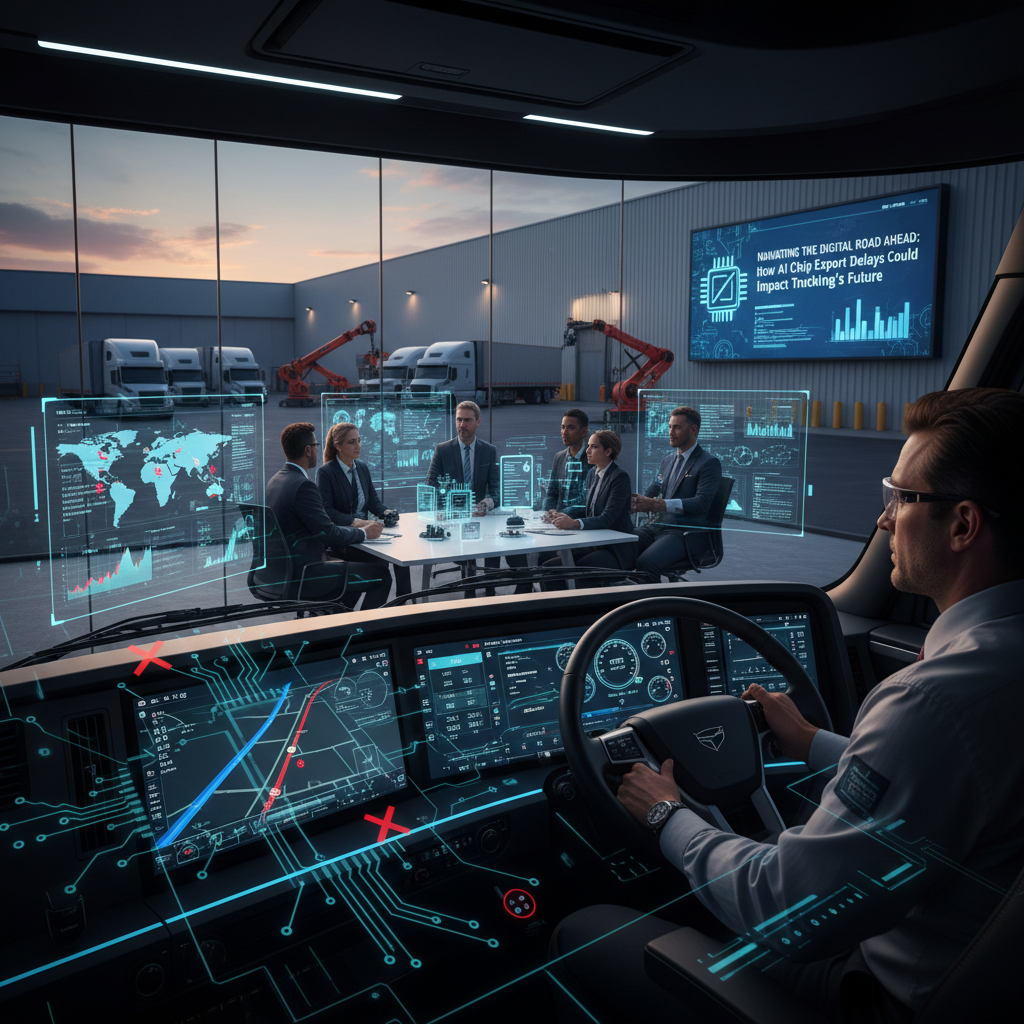
In an increasingly interconnected world, even seemingly distant policy decisions can send ripples through every industry, including the vital trucking sector. Recent developments within the U.S. Commerce Department regarding the export of advanced Artificial Intelligence (AI) chips are creating significant bottlenecks, and these delays could have profound implications for CDL truck drivers and fleet managers alike. Understanding the nuances of this situation, from bureaucratic hurdles to global competition, is crucial for those steering the wheels of commercial transportation.
At the heart of the issue is the Bureau of Industry and Security (BIS), a small but powerful office within the Commerce Department responsible for regulating the export of sensitive U.S. technology. This bureau plays a critical role in vetting requests from chipmakers like Nvidia to ship their cutting-edge processors to international buyers, particularly in regions like the Middle East and China. These AI chips are the foundational components for a vast array of advanced technologies, from sophisticated logistics software and predictive maintenance systems to, most notably, autonomous driving capabilities and optimized route planning algorithms.
Over the past year, the BIS has faced a perfect storm of challenges: significant staff turnover, with nearly 20% of its rulemaking and licensing personnel departing; increased scrutiny and tighter review processes for individual licenses by top officials; and a perceived lack of clear policy direction. These internal struggles have led to a substantial slowdown in license approvals, reportedly cutting the number of processed licenses by about 25%. This has resulted in billions of dollars in export backlogs and has prompted warnings from industry leaders about the potential erosion of U.S. competitiveness in the global technology arena.
For the trucking industry, these delays are not just abstract economic news; they represent potential slowdowns in the adoption and deployment of technologies that promise to revolutionize how freight is moved. AI-driven solutions are already being integrated into fleet management systems, optimizing fuel consumption, predicting maintenance needs, enhancing safety features, and streamlining dispatch operations. Further down the road, the development of fully autonomous trucks heavily relies on these advanced AI chips for real-time data processing, sensor interpretation, and decision-making.
The Direct Impact on Trucking Operations and Innovation
Fleet managers are constantly seeking innovative ways to improve efficiency, reduce operational costs, and enhance safety. AI-powered tools offer solutions across the board. For instance, AI can analyze vast amounts of telematics data to identify driving patterns that lead to excessive wear and tear, allowing for proactive driver coaching and maintenance scheduling. It can also optimize delivery routes in real-time, accounting for traffic, weather, and road conditions, leading to significant fuel savings and improved delivery times. The ability to leverage these technologies is directly tied to the availability and advancement of AI chips.
When the export of these chips is stalled, it can slow down the global supply chain for AI hardware and software development. This means that the next generation of AI-powered trucks, advanced safety systems, and sophisticated logistics platforms might take longer to reach the market, or their development costs could increase. For fleets operating internationally or those relying on global technology partners, these delays can create significant competitive disadvantages.
Consider the development of Level 4 and Level 5 autonomous trucks. These vehicles require immense processing power to interpret complex environmental data, make instantaneous decisions, and ensure safe operation without human intervention. The chips at the center of this export debate are precisely the ones needed to power such systems. Delays in their availability or increased restrictions on their global distribution could push back the timelines for widespread autonomous truck deployment, impacting long-term strategic planning for many trucking companies.
Understanding the Geopolitical Chessboard
Beyond the immediate operational concerns, it's important for trucking professionals to grasp the broader geopolitical context. The U.S. government's stance on AI chip exports is deeply intertwined with national security, economic competitiveness, and strategic rivalries, particularly with countries like China. The administration's efforts to control the flow of advanced technology are aimed at maintaining a technological edge and preventing its use by adversaries for military or surveillance purposes.
However, this strategic imperative often clashes with the commercial interests of U.S. chipmakers and the global demand for their products. The balance between national security and economic growth is a delicate one, and the current bottlenecks at the BIS highlight the challenges of navigating this complex landscape. The withdrawal of a previous administration's proposed export-control framework and the ongoing debate over a new one underscore the lack of a stable, long-term policy that industry can rely on.
For fleet managers, this means operating in an environment where the regulatory landscape for critical technologies can shift. It necessitates staying informed about trade policies and understanding how they might affect the availability and cost of the advanced equipment and software they plan to integrate into their operations. It also highlights the importance of diversifying technology partners and keeping an eye on global innovation hubs.
Actionable Insights for Trucking Professionals
Given these developments, what can CDL truck drivers and fleet managers do to prepare and adapt?
-
Stay Informed and Adaptable: The technology landscape is dynamic. Regularly follow industry news, not just about trucks and logistics, but also about broader tech trends and government policies affecting critical components like AI chips. Being aware of potential delays or shifts in technology availability allows for better strategic planning and adaptation.
-
Evaluate Technology Investments Carefully: When considering investments in AI-powered fleet management systems, autonomous vehicle pilots, or advanced telematics, assess the underlying hardware and software providers. Understand their supply chains and their resilience to geopolitical shifts. Diversifying technology vendors or choosing solutions with flexible hardware requirements could mitigate risks.
-
Focus on Incremental AI Adoption: While fully autonomous trucks may face delays, many AI-driven solutions are already available and can provide immediate benefits. Focus on implementing incremental AI improvements in areas like predictive maintenance, route optimization, driver behavior analysis, and back-office automation. These solutions often rely on less cutting-edge, and thus less regulated, AI hardware.
-
Invest in Driver Training and Skill Development: Even with advanced AI, skilled CDL drivers remain the backbone of the industry. As technology evolves, drivers will need to adapt to new interfaces, monitoring systems, and potentially co-pilot autonomous vehicles. Investing in continuous training ensures that your workforce is ready for the next wave of innovation, regardless of its pace.
-
Advocate for Clear Policy: Industry associations and advocacy groups play a crucial role in communicating the needs of the trucking sector to policymakers. Fleet managers can support these efforts by providing feedback on how export controls and technology policies impact their operations, emphasizing the importance of predictable and stable regulatory frameworks that foster innovation without compromising national security.
-
Explore Domestic and Alternative Solutions: While U.S. chipmakers lead in many areas, global innovation is widespread. Explore solutions from diverse geographical regions where export controls might not apply, or consider domestic alternatives where feasible. This can help reduce reliance on potentially bottlenecked supply chains.
The Road Ahead: Balancing Innovation and Security
The challenges within the Commerce Department's BIS underscore a broader tension between fostering technological innovation and safeguarding national interests. For the trucking industry, this means navigating a future where the pace of technological advancement, particularly in AI and automation, might be influenced by factors far removed from the highway. While the promise of AI to transform trucking remains immense, the current export bottlenecks serve as a reminder that the path to that future is not always smooth or predictable.
Ultimately, success in this evolving landscape will hinge on a combination of strategic foresight, operational flexibility, and a commitment to continuous learning and adaptation. CDL drivers and fleet managers who stay informed, make calculated technology investments, and prioritize skill development will be best positioned to leverage the benefits of AI, regardless of the speed at which these advanced chips make their way across borders.
Helpful Resources for CDL Drivers
Comments (0)
Sign in to join the conversation
Sign In to CommentNo comments yet. Be the first to share your thoughts!
Explore More
Driver Resources
Educational guides on CDL licensing, salary expectations, and route planning tips.
Browse CDL Jobs
Find your next driving opportunity. Search by location, route type, and CDL class.
CDL Salary Guide
Understand how pay varies by experience, route type, and location in the trucking industry.