
Navigating the Digital Road Ahead: How AI Chip Export Delays Could Impact Trucking Technology and Fleet Operations
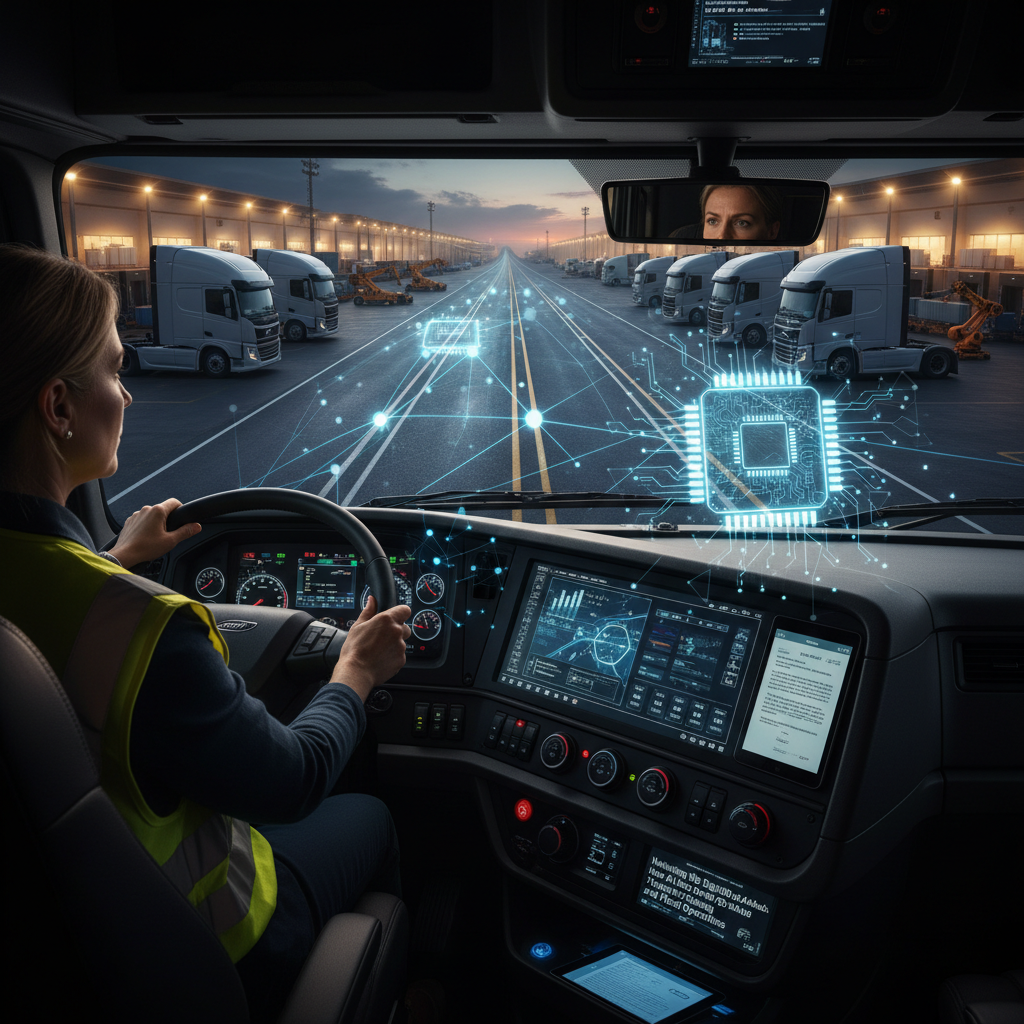
The global supply chain is a complex web, and every node within it, from raw materials to finished goods, can experience ripple effects from seemingly distant policy decisions. For the trucking industry, which relies heavily on advanced technology for efficiency, safety, and operational excellence, understanding these upstream influences is crucial. Recent developments within the U.S. Commerce Department regarding the export of Artificial Intelligence (AI) chips highlight a growing concern that could have significant implications for the future of trucking technology and fleet management.
At the heart of this issue is the Bureau of Industry and Security (BIS), a small but powerful office within the Commerce Department responsible for regulating the export of sensitive U.S. technologies, including cutting-edge AI chips. These chips are the brains behind many of the innovations transforming our industry, from advanced driver-assistance systems (ADAS) and autonomous vehicle (AV) capabilities to sophisticated logistics optimization software and predictive maintenance platforms. However, reports indicate that this crucial bureau is experiencing significant bottlenecks, staffing attrition, and a lack of clear policy direction, leading to substantial delays in approving AI chip exports.
The Crucial Role of AI in Modern Trucking
For CDL truck drivers, AI is no longer a futuristic concept but an increasingly present reality in their daily work. Modern heavy-duty trucks are equipped with a growing array of AI-powered systems designed to enhance safety, improve fuel efficiency, and streamline operations. Consider the following examples:
- Advanced Driver-Assistance Systems (ADAS): Features like adaptive cruise control, lane-keeping assist, automatic emergency braking, and blind-spot monitoring all rely on AI chips to process sensor data in real-time, interpret road conditions, and assist drivers in making safer decisions. These systems are vital for reducing accidents and improving overall road safety.
- Fleet Management and Logistics Optimization: Fleet managers utilize AI-driven software to optimize routes, predict maintenance needs, monitor driver behavior, and manage cargo. These systems analyze vast amounts of data to identify efficiencies, reduce operational costs, and ensure timely deliveries. The ability to dynamically reroute based on real-time traffic or weather conditions, for instance, is a direct application of AI.
- Autonomous Trucking Development: While fully autonomous trucks are still in the testing phases, the progression towards Level 4 and Level 5 autonomy is entirely dependent on highly advanced AI chips. These chips enable vehicles to perceive their environment, make complex decisions, and navigate without human intervention. Delays in accessing these components could slow down the development and deployment of these transformative technologies.
- Predictive Maintenance: AI algorithms can analyze data from various truck components (engine, transmission, tires) to predict potential failures before they occur. This allows fleets to schedule proactive maintenance, minimize downtime, and extend the lifespan of their assets, directly impacting profitability.
These technologies are not just about convenience; they are about competitive advantage, driver retention, and the financial health of trucking companies. Any disruption to the supply of the foundational components for these systems—the AI chips—can therefore have far-reaching consequences.
Understanding the Export Bottleneck: What's Happening at BIS?
The core issue stems from the Bureau of Industry and Security's internal struggles. According to reports, the BIS has seen nearly 20% staff turnover among its rulemaking and licensing personnel within the last year. This loss of experienced professionals, combined with tighter scrutiny over individual licenses by top officials and an inconsistent policy framework, has significantly hampered the bureau's ability to process export applications. The result? Approvals for chipmakers to ship their products to international buyers, including key markets for U.S. tech firms, are now stretching for months, leading to billions of dollars in export backlogs.
This situation is further complicated by geopolitical factors. The administration's focus has periodically shifted to international conflicts, diverting attention from the critical task of streamlining tech exports. Moreover, policy uncertainty surrounding export controls – with a new framework being weighed after a previous proposal was withdrawn – adds another layer of unpredictability for the semiconductor industry. This lack of clarity and operational efficiency at BIS creates a domino effect: if chipmakers can't get their products to market efficiently, it impacts their ability to innovate, produce, and ultimately supply the components that power our industry's technological advancements.
Potential Impacts on the Trucking Industry
While the direct impact might not be immediately visible on every truck stop, the long-term implications for CDL drivers and fleet managers are substantial:
- Slower Adoption of New Technologies: Delays in AI chip exports could mean that the next generation of ADAS features, more advanced autonomous capabilities, or even improved telematics systems take longer to reach the commercial trucking market. This could put U.S. fleets at a disadvantage compared to international competitors who might have access to these technologies sooner.
- Increased Costs for Tech Components: If the supply of crucial AI chips becomes constrained or unpredictable, it could drive up the cost of these components. Truck manufacturers and technology providers would then pass these increased costs onto trucking companies, potentially making new trucks or technology upgrades more expensive. This directly impacts fleet budgets and the total cost of ownership.
- Maintenance and Repair Challenges: As AI-powered systems become more integrated into trucks, the availability of replacement parts (which often contain specialized chips) is crucial. Supply chain disruptions for these chips could lead to longer repair times, increased downtime for vehicles, and higher maintenance costs, directly impacting a driver's ability to stay on the road and a fleet's operational efficiency.
- Impact on Driver Training and Skill Development: As technology evolves, so does the need for driver training. If the pace of technological adoption slows, it could affect how quickly drivers are introduced to and trained on new systems, potentially creating a gap between technological capabilities and driver proficiency.
- Competitive Disadvantage: For fleet managers, staying competitive means leveraging the latest technology to optimize routes, reduce fuel consumption, and improve safety. If access to these technologies is hampered by export delays, it could hinder a fleet's ability to compete effectively in a rapidly evolving market.
What This Means for CDL Drivers and Fleet Managers
While this issue might seem distant, its implications underscore the interconnectedness of global commerce and technology. For CDL drivers, it means understanding that the pace of innovation in their cabs could be influenced by policy decisions made far from the highway. For fleet managers, it emphasizes the need for strategic planning and adaptability.
Actionable Takeaways and Practical Advice:
- Stay Informed: Keep an eye on industry news and technology trends. Understanding the broader economic and political landscape can help fleet managers anticipate potential challenges and opportunities related to technology adoption. Publications like CDL Jobs Network are vital resources for this information.
- Diversify Technology Partnerships: Relying on a single technology provider or a limited range of suppliers for critical AI-powered systems can be risky. Exploring relationships with multiple vendors, including those with diverse supply chains, can mitigate the impact of localized disruptions.
- Invest in Robust Maintenance Programs: Given potential delays in parts, having a strong preventative maintenance program is more critical than ever. Proactive servicing can extend the life of existing components and reduce the likelihood of unexpected breakdowns that require hard-to-find parts.
- Prioritize Driver Training on Existing Tech: Even if new tech adoption slows, maximizing the benefits of current in-cab systems is paramount. Continuous training for drivers on ADAS, telematics, and other AI-assisted features ensures they are fully utilizing available tools for safety and efficiency.
- Advocate for Industry Needs: Trucking associations and industry groups play a vital role in communicating the needs of the transportation sector to policymakers. Fleet managers can support these efforts by participating in surveys, providing feedback, and joining industry dialogues that highlight the importance of stable technology supply chains.
- Long-Term Planning for Fleet Upgrades: When planning new truck purchases or technology integrations, factor in potential lead time extensions due to supply chain volatility. Engage with manufacturers and tech providers early to understand their component sourcing and delivery timelines.
The challenges at the Commerce Department's BIS underscore a broader truth: the future of trucking is inextricably linked to technological advancement, and the supply chain for these innovations is global and complex. For CDL drivers, this means a continued evolution of their workspace, demanding adaptability and continuous learning. For fleet managers, it necessitates a proactive and informed approach to technology investment and operational resilience. By staying informed, planning strategically, and advocating for the industry's needs, the trucking sector can navigate these challenges and continue to drive progress on the digital road ahead.
Helpful Resources for CDL Drivers
Comments (0)
Sign in to join the conversation
Sign In to CommentNo comments yet. Be the first to share your thoughts!
Explore More
Driver Resources
Educational guides on CDL licensing, salary expectations, and route planning tips.
Browse CDL Jobs
Find your next driving opportunity. Search by location, route type, and CDL class.
CDL Salary Guide
Understand how pay varies by experience, route type, and location in the trucking industry.