
Navigating the Fuel Frontier: What BP's New Leadership and Soaring Oil Prices Mean for Trucking
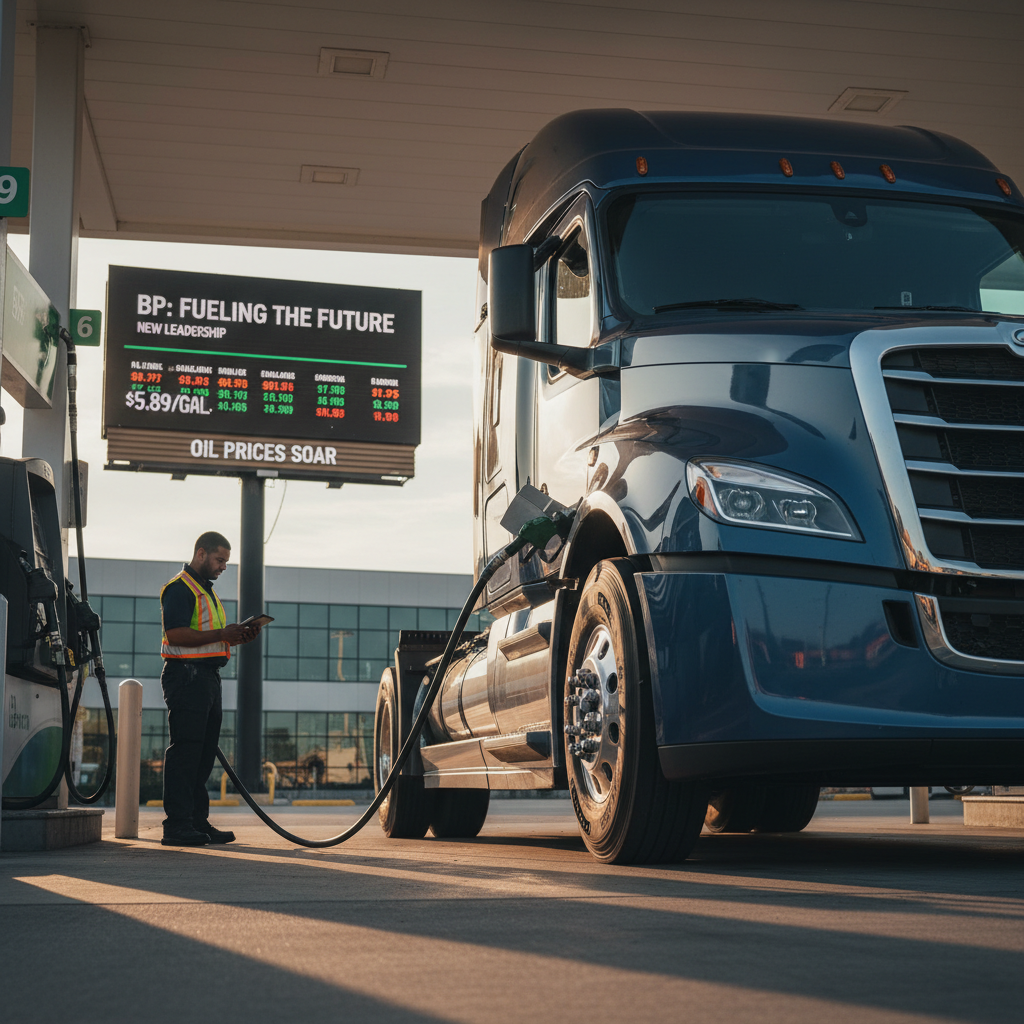
The global energy landscape is a critical determinant of success for every CDL truck driver and fleet manager across the nation. From the price at the pump to the strategic decisions made by major oil corporations, these factors directly impact operational costs, profit margins, and ultimately, the livelihoods of those who keep our economy moving. Recently, a significant shift occurred at one of the world's largest energy players, BP, with Meg O'Neill stepping into the CEO role amidst a volatile period of high oil prices and intense industry scrutiny. Her appointment, marking her as the first female CEO of a 'Big Oil' company, comes at a time when the stakes for the transportation sector, particularly trucking, couldn't be higher.
For professional truck drivers, the daily reality of fuel costs is undeniable. Every mile driven consumes diesel, and even slight fluctuations in price can have a profound effect on a driver's take-home pay, especially for owner-operators. Fleet managers, on the other hand, grapple with these costs on a much larger scale, affecting budgeting, route planning, and overall business profitability. Understanding the forces at play within major oil companies like BP, and how their strategies might influence the market, is therefore not just academic – it's essential for strategic planning and financial resilience in the trucking industry.
The High-Stakes Environment: Oil Prices and Geopolitical Tensions
Meg O'Neill assumes leadership at BP at a moment when crude oil prices are soaring, driven largely by geopolitical tensions, particularly the conflict in the Middle East. The International Energy Agency (IEA) has identified the current situation as one of the biggest oil supply disruptions in history. While high oil prices might seem like a boon for oil companies, they create a complex challenge for new leadership. For BP, every $1 increase in Brent crude can add an estimated $340 million to its pre-tax profit, providing some financial breathing room. However, this immediate benefit is overshadowed by deeper structural issues and intense pressure from investors.
For the trucking industry, these elevated oil prices translate directly into higher operating costs. Diesel prices, which are intrinsically linked to crude oil, dictate a significant portion of a trucking company's expenses. Fleet managers must constantly monitor these trends, often adjusting fuel surcharges, optimizing routes for efficiency, and exploring fuel-saving technologies. Drivers, especially those paid per mile, feel the pinch when fuel costs eat into their earnings, making efficient driving practices and smart fuel stops more critical than ever.
BP's Internal Challenges: A Legacy of Complexity and Debt
O'Neill inherits a company facing substantial internal challenges. Her predecessor's tenure was marked by a 'botched' pivot towards renewables in 2020, which left BP with a considerable debt burden and an organizational structure deemed overly sprawling by many industry observers. The company's portfolio is cluttered with what are considered 'low-return units,' leading to underperformance compared to its major peers. While BP's share performance has lagged only ExxonMobil among its main competitors over the past year, its market value remains significantly lower, and its stock has underperformed rivals over the past five years.
This internal struggle at a major oil producer like BP might seem distant to a truck driver, but its implications are far-reaching. A financially struggling or inefficient oil major can impact global supply chains, investment in new refining capacity, and even the stability of fuel prices. If BP, or any major player, struggles to maintain efficient operations or invest adequately in production, it could contribute to supply constraints or price volatility down the line. For fleet managers, this underscores the importance of diversifying fuel procurement strategies and staying informed about the financial health of key energy suppliers.
Investor Pressure: The Call for Simplicity and Efficiency
Shareholders are demanding significant changes from BP's new CEO. The consensus among key investors is a desire for a 'simpler, leaner, and more profitable company.' This includes reducing or combining leadership roles, cutting costs, and focusing on the strongest upstream assets – those involved in the exploration and production of crude oil and natural gas – particularly in regions like the U.S. and Brazil. Conversely, investors want BP to shed legacy assets, such as its North Sea fields, where it's currently the last major still operating its own business.
This push for efficiency and a streamlined focus on core, high-return oil and gas production could have several implications for the trucking sector. A more efficient BP might be better positioned to ensure stable production and supply, which is generally good for fuel price stability. However, a company shedding 'legacy assets' could also indicate a broader trend in the industry towards optimizing portfolios, potentially leading to shifts in regional supply dynamics. For fleet managers, this means continuously evaluating the reliability of fuel sources and understanding the long-term investment strategies of major energy providers. A company focused on 'strongest upstream assets' might imply a more robust and reliable supply of crude, which is the raw material for diesel.
Meg O'Neill's Mandate: A Two-Year Turnaround
BP Chairman Albert Manifold has publicly stated that the company's turnaround under O'Neill will take at least two years to bear fruit. O'Neill has already begun assessing the organization, with every part of BP reportedly under review. Her previous experience as CEO of Australia's Woodside Energy Group, where she spent three years, has given industry analysts confidence in her ability to tackle BP's complex challenges. Saul Kavonic, head of energy research at MST Financial, even suggested that if O'Neill fails, it could signal BP's terminal decline as a major player.
The two-year timeline for BP's turnaround suggests that the trucking industry should prepare for continued volatility in the energy market. During this period, BP will likely be undergoing significant restructuring, which could have ripple effects on global oil and gas markets. For truck drivers and fleet managers, this means maintaining a proactive stance on fuel management. This includes leveraging fuel cards for discounts, exploring bulk purchasing options when prices are favorable, and investing in driver training for fuel-efficient driving techniques. It also emphasizes the importance of robust financial planning to absorb potential price shocks.
What This Means for Truck Drivers and Fleet Managers
-
Fuel Price Volatility is the New Normal: Geopolitical events and internal corporate restructuring at major oil companies like BP will continue to contribute to unpredictable fuel prices. Truck drivers and fleet managers must build resilience into their operations to handle these fluctuations. This means understanding the factors that drive prices and having strategies in place to mitigate their impact.
-
Strategic Fuel Procurement: For fleets, this involves negotiating favorable contracts with fuel suppliers, utilizing fuel management software to track consumption and identify efficiencies, and exploring hedging strategies where appropriate. Owner-operators should actively seek out the best fuel prices using apps and loyalty programs, and plan routes to minimize unnecessary fuel consumption.
-
Emphasis on Efficiency: Every gallon counts. Investing in aerodynamic truck designs, maintaining tires at optimal pressure, regular engine maintenance, and training drivers on smooth acceleration and deceleration techniques can yield significant fuel savings. Idle reduction technologies and auxiliary power units (APUs) are also crucial for cutting costs during downtime.
-
Diversification and Alternative Fuels (Long-Term): While diesel remains king, the long-term trend towards decarbonization, even with BP's renewed focus on traditional assets, suggests that alternative fuels like natural gas, electric, or hydrogen will continue to gain traction. Fleet managers should monitor these developments and assess their viability for future fleet investments. While BP's immediate focus might be on traditional oil, the broader industry shift will eventually impact fuel infrastructure and availability.
-
Stay Informed: Keeping abreast of global energy news, geopolitical developments, and the strategic shifts within major oil companies provides a competitive edge. CDL Jobs Network, for instance, aims to provide such insights to help drivers and fleet managers make informed decisions. Understanding the 'why' behind price movements allows for better forecasting and planning.
-
Advocacy for the Industry: High fuel costs disproportionately affect the trucking industry, which operates on thin margins. Continued advocacy for policies that support fuel efficiency, infrastructure development, and fair pricing mechanisms is vital. This includes supporting industry associations that lobby for the interests of truck drivers and fleet owners.
Meg O'Neill's tenure at BP will be a closely watched saga in the energy sector. Her success in streamlining the company and capitalizing on its core strengths could contribute to a more stable global oil market, which would be a welcome development for the trucking industry. However, the path forward is fraught with challenges, and the immediate future promises continued volatility. For truck drivers and fleet managers, the imperative remains clear: adapt, optimize, and stay informed to navigate the complex and ever-changing fuel frontier.
Helpful Resources for CDL Drivers
Comments (0)
Sign in to join the conversation
Sign In to CommentNo comments yet. Be the first to share your thoughts!
Explore More
Driver Resources
Educational guides on CDL licensing, salary expectations, and route planning tips.
Browse CDL Jobs
Find your next driving opportunity. Search by location, route type, and CDL class.
CDL Salary Guide
Understand how pay varies by experience, route type, and location in the trucking industry.