
Navigating the 'Lost Load' Challenge: Strategies for CDL Drivers and Fleet Managers in a Dynamic Freight Market
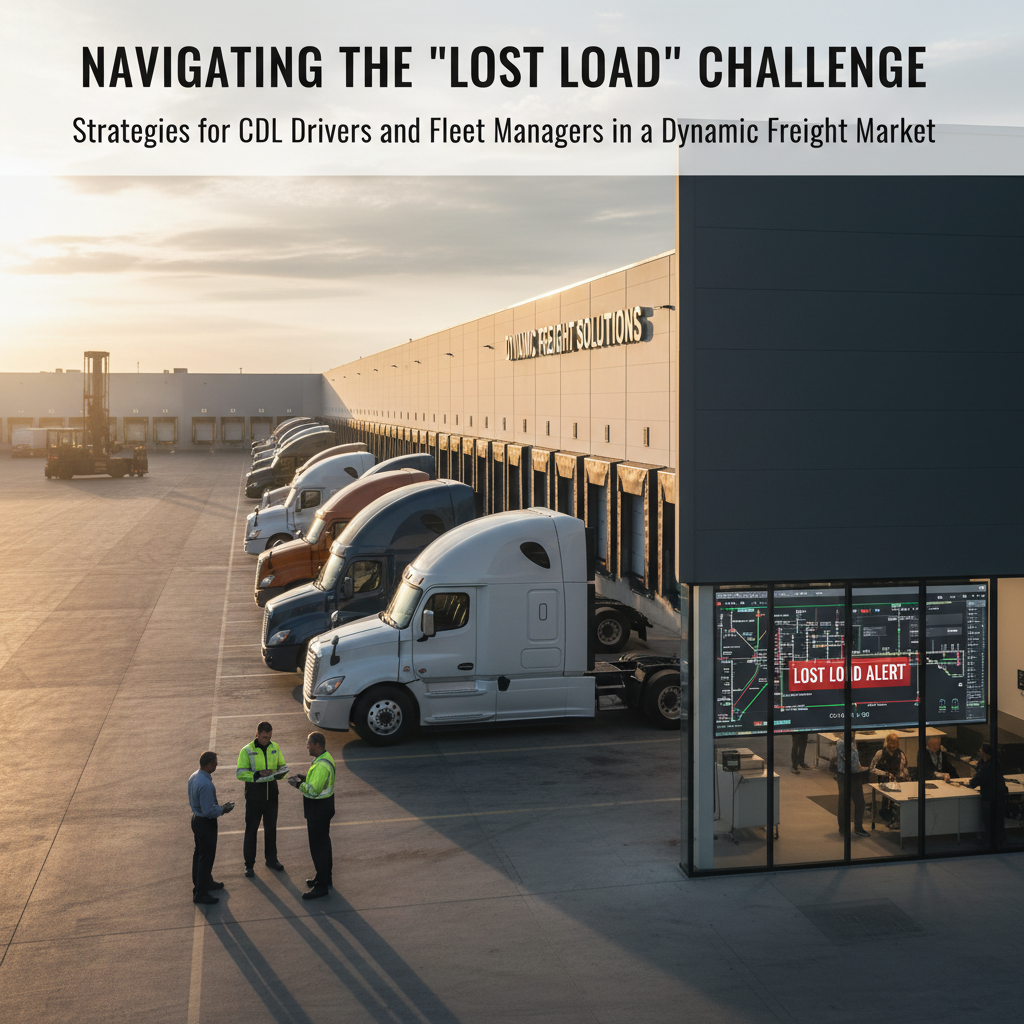
In the fast-paced world of trucking, few phrases strike more dread into the hearts of CDL drivers and fleet managers than, "Looks like we lost that load." This isn't just about a misplaced pallet; it often signifies a cascade of issues, from financial losses and schedule disruptions to damaged reputations and strained relationships. Understanding the multifaceted causes of lost loads and, more importantly, implementing robust strategies to prevent them, is paramount for sustained success in the transportation industry. This comprehensive guide delves into the common scenarios leading to lost loads, offers actionable advice for both drivers and fleet managers, and highlights the critical role of technology and communication in safeguarding freight.
Understanding the Anatomy of a 'Lost Load'
The term 'lost load' can encompass a variety of situations, each with its own implications. It might refer to a load that was booked but subsequently cancelled, a shipment that was physically misplaced or stolen, freight damaged beyond recovery, or even a delivery that simply didn't make it to its destination on time due to unforeseen circumstances. For CDL drivers, a lost load often means lost miles, lost income, and the frustration of an empty trailer. For fleet managers, it translates to financial penalties, operational inefficiencies, and the arduous task of re-routing resources and placating upset clients.
One of the most common forms of a 'lost load' is a cancelled freight booking. This can happen for numerous reasons: the shipper's production schedule changed, the consignee's receiving dock is full, or a more competitive rate emerged. While some cancellations are unavoidable, others can be mitigated through clearer communication and more flexible logistics planning. Another critical scenario involves physical loss or damage. This could range from cargo shifting and getting damaged in transit, to theft, or even accidents. Each instance requires a thorough investigation and often involves insurance claims, adding layers of complexity and cost.
Proactive Strategies for CDL Drivers: Your Role on the Front Lines
CDL drivers are the backbone of the supply chain, and their vigilance is often the first line of defense against lost loads. Being proactive can significantly reduce risks and ensure smooth operations.
1. Thorough Pre-Trip and Post-Trip Inspections: Beyond the mandatory safety checks, pay close attention to how the load is secured. Are straps tight? Is blocking sufficient? Are there any signs of shifting? A properly secured load is less likely to be damaged in transit. For specialized freight, ensure you understand and adhere to specific securing requirements. Post-trip, verify the load's condition before leaving the delivery site, especially if there were multiple drops or unusual handling.
2. Meticulous Documentation: This cannot be stressed enough. Before departing, confirm the Bill of Lading (BOL) matches the actual freight. Count pallets, verify item descriptions, and note any existing damage on the BOL before signing. Take photos or videos of the load at pickup, especially if there are discrepancies or pre-existing damage. At delivery, ensure the consignee signs off on the condition and quantity. Any discrepancies should be immediately reported to dispatch and noted on all paperwork. This documentation is your shield against false claims and provides crucial evidence in case of disputes.
3. Effective Communication with Dispatch and Shippers: Maintain an open line of communication. If you anticipate delays due to traffic, weather, or mechanical issues, inform dispatch immediately. If there are any concerns about the load's integrity or security during transit, don't hesitate to report them. Proactive communication allows fleet managers to adjust schedules, inform clients, and potentially mitigate larger problems. Never assume a problem will resolve itself; early notification is key.
4. Route Planning and Risk Assessment: While dispatch often handles primary route planning, drivers should be aware of potential hazards. Are there areas known for high theft rates? Are there roads with poor conditions that could compromise the load? Planning your stops in secure, well-lit locations, especially for overnight parking, can deter theft. Understanding weather patterns and adjusting your speed or route accordingly can prevent accidents and damage.
5. Understanding Cargo Securement Best Practices: Refresh your knowledge on cargo securement regulations (e.g., FMCSA 393.100-393.136). Different types of freight require different securement methods. Flatbed drivers, for instance, deal with unique challenges compared to dry van operators. Continuous learning and adherence to these standards are crucial for preventing load shifts and damage.
Strategic Imperatives for Fleet Managers: Orchestrating Prevention and Recovery
Fleet managers play a pivotal role in creating a resilient operation that minimizes the risk of lost loads and effectively manages recovery when incidents occur. Their responsibilities span from technology adoption to fostering a culture of accountability.
1. Robust Load Planning and Matching: Utilize advanced transportation management systems (TMS) to optimize load matching, route planning, and capacity utilization. Avoid overbooking or underbooking, which can lead to cancellations or rushed, error-prone operations. Implement a rigorous vetting process for brokers and shippers to ensure reliability and financial stability, reducing the risk of payment issues or last-minute cancellations.
2. Comprehensive Driver Training and Support: Invest in ongoing training for drivers, not just on safety regulations, but also on cargo securement techniques, advanced documentation protocols, and effective communication. Emphasize the importance of pre-trip inspections beyond the mechanical aspects, focusing on load integrity. Provide drivers with the tools they need, such as reliable ELDs, communication devices, and access to digital documentation platforms.
3. Advanced Tracking and Telematics: Implement GPS tracking and telematics systems across the entire fleet. This provides real-time visibility into load location, driver behavior, and potential delays. Geofencing can alert managers when a truck deviates from its planned route, potentially indicating a problem. Data from these systems can also be used for performance analysis and identifying areas for improvement in efficiency and security.
4. Strong Communication Protocols and Emergency Response Plans: Establish clear communication channels between drivers, dispatch, and clients. Develop detailed emergency response plans for various scenarios: accidents, breakdowns, cargo theft, or significant delays. These plans should outline who to contact, what information to gather, and the steps for recovery and mitigation. A swift, coordinated response can often prevent a 'lost load' from becoming a total loss.
5. Supply Chain Visibility and Collaboration: Work closely with shippers and consignees to improve end-to-end supply chain visibility. Share data on expected arrival times, potential delays, and cargo status. Collaborative planning can help anticipate and address issues before they escalate. For example, understanding a consignee's receiving hours or capacity limits can prevent unnecessary waiting times or even refusal of a load.
6. Insurance and Risk Management: Review and update cargo insurance policies regularly. Understand the coverage limits, exclusions, and claims process. While prevention is key, having adequate insurance is crucial for financial protection when a loss does occur. Consider additional security measures for high-value cargo, such as covert tracking devices or enhanced security protocols.
7. Fostering a Culture of Accountability and Reporting: Encourage drivers and staff to report issues, even minor ones, without fear of reprisal. A culture where problems are openly discussed and analyzed leads to continuous improvement. Implement regular reviews of 'lost load' incidents to identify root causes and implement corrective actions across the fleet.
The Impact of Technology: A Game Changer in Load Management
Modern technology has revolutionized the way trucking companies manage their loads and mitigate risks. From sophisticated TMS platforms to advanced IoT devices, these tools provide unprecedented levels of control and visibility.
Transportation Management Systems (TMS): These platforms are central to efficient load management. They optimize routing, scheduling, freight matching, and even automate billing. A well-integrated TMS can flag potential issues like driver hours of service violations, upcoming maintenance needs, or even weather-related route disruptions, allowing for proactive adjustments that prevent delays and potential load loss.
ELDs and Telematics: Beyond compliance, Electronic Logging Devices (ELDs) integrated with telematics systems offer real-time data on vehicle performance, location, and driver behavior. This data can be invaluable for understanding the circumstances leading to a lost load, identifying areas for driver coaching, and improving overall operational efficiency.
Cargo Monitoring Devices: For high-value or sensitive freight, specialized IoT sensors can monitor temperature, humidity, light exposure (indicating unauthorized opening), and even impact. These devices can provide real-time alerts to both drivers and fleet managers, allowing for immediate intervention if cargo integrity is compromised.
Digital Documentation and Communication Platforms: Moving away from paper-based systems to digital platforms for BOLs, proof of delivery (POD), and incident reports streamlines processes and reduces errors. Digital communication tools ensure that drivers can easily and quickly transmit information to dispatch, and vice versa, improving response times.
Case Study: Preventing a Near Miss
Consider a scenario where a CDL driver, Sarah, is transporting a high-value electronics shipment. During her pre-trip inspection, she notices that one of the straps securing a pallet seems slightly loose, despite appearing fine at pickup. Instead of dismissing it, she takes a photo, retightens the strap, and immediately messages her dispatch with the observation and action taken. Dispatch acknowledges and notes it in the system.
Later that day, while navigating a particularly bumpy stretch of road, her truck's telematics system registers an unusual vibration and a slight shift in weight, triggering an alert to both Sarah and her fleet manager, Mark. Sarah pulls over at the nearest safe spot, inspects the load, and finds that the previously loose strap has indeed loosened further, but the other straps are holding. Because of her initial diligence and the telematics alert, she can re-secure the load before any damage occurs. Mark, having received the alert, was already preparing to contact her, ready to offer support or reroute if necessary. This proactive approach, combined with technology, prevented a potentially costly lost load.
The Road Ahead: Continuous Improvement and Adaptability
The trucking industry is constantly evolving, with new challenges emerging alongside technological advancements. The threat of a 'lost load' will always exist, but the ability to prevent, mitigate, and recover from such incidents is a hallmark of a successful and resilient operation. For CDL drivers, this means maintaining a high level of professionalism, diligence, and communication. For fleet managers, it involves strategic planning, investment in technology, and fostering a supportive, safety-conscious culture.
By embracing these strategies, both drivers and fleet managers can transform the dreaded phrase, "Looks like we lost that load," from a potential crisis into a rare, manageable occurrence. The goal is not just to deliver freight, but to deliver it safely, on time, and intact, every single time. This commitment to excellence ensures customer satisfaction, operational efficiency, and the long-term profitability of the entire trucking enterprise. Staying informed about industry best practices, regulatory changes, and emerging technologies will be crucial for navigating the complexities of the modern freight landscape and securing every load, from pickup to final delivery.
Helpful Resources for CDL Drivers
Comments (0)
Sign in to join the conversation
Sign In to CommentNo comments yet. Be the first to share your thoughts!
Explore More
Driver Resources
Educational guides on CDL licensing, salary expectations, and route planning tips.
Browse CDL Jobs
Find your next driving opportunity. Search by location, route type, and CDL class.
CDL Salary Guide
Understand how pay varies by experience, route type, and location in the trucking industry.