
Navigating the Storm: How Cartel Violence in Mexico Impacts U.S.-Bound Freight and Your Operations
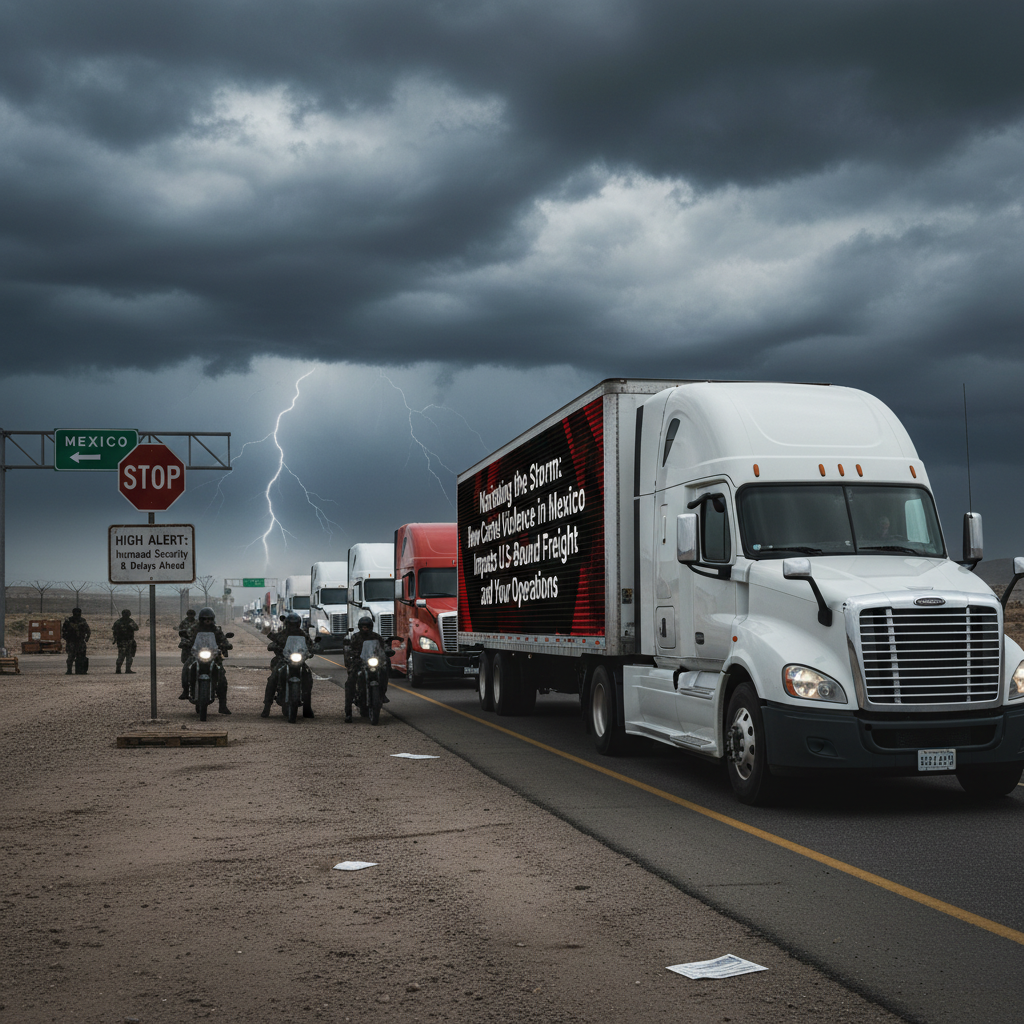
The intricate web of global supply chains is constantly tested by unforeseen challenges, and for the trucking industry, disruptions south of the border can have immediate and far-reaching consequences. Recent events stemming from the confirmed killing of Nemesio Oseguera Cervantes, widely known as “El Mencho,” leader of the Jalisco New Generation Cartel (CJNG), have sent ripples of instability across Mexico, directly impacting critical freight corridors and raising significant concerns for U.S. trucking companies, owner-operators, and fleet managers alike.
This incident, confirmed during a federal military operation in Jalisco, triggered widespread cartel retaliation across multiple Mexican states, including Jalisco, Michoacán, Colima, and Guanajuato. Within hours of the news, reports flooded in of road blockades, vehicle burnings, and armed clashes. Airports in Guadalajara, Puerto Vallarta, and Manzanillo experienced panic and flight cancellations due to security concerns. These “narco-blockades,” often involving burning vehicles, were strategically deployed to shut down vital roadways, effectively paralyzing movement in key regions.
For the freight sector, western Mexico quickly became the epicenter of concern. This region is not only home to crucial manufacturing hubs but also hosts the Port of Manzanillo, a gateway of immense importance for international trade. Understanding the nuances of these disruptions is paramount for anyone involved in cross-border logistics.
The Port of Manzanillo: A Tale of Confusion and Resilience
One of the most immediate and confusing impacts centered on the Port of Manzanillo. Early on, Mexican authorities issued a notice announcing the suspension of activities at the port “until further notice” due to the escalating cartel violence. This temporary shutdown warning sent shockwaves through the industry, leaving shippers, carriers, and brokers scrambling to assess the potential fallout. The Port of Manzanillo is a colossal player in global trade, handling approximately 45% of all containers arriving from ocean carriers into Mexico, particularly vital for inbound container freight from Asia, including automotive parts and electronics destined for inland industrial corridors like Guadalajara.
However, just hours later, Mexico’s Secretariat of the Navy issued a contradictory statement, asserting that the port “continues to operate normally in all areas” and that there was “no suspension of port activities or general closures.” They clarified that security had been reinforced with drone surveillance, additional patrols, and enhanced monitoring of vessel traffic, while maintaining a standard Protection Level I security status. This conflicting information created immense uncertainty, forcing logistics professionals to navigate a highly fluid situation with incomplete data. While the port ultimately remained operational, the initial confusion underscored the fragility of supply chains in the face of such geopolitical events.
Disruptions on the Ground: Road Blockades and Inland Delays
Beyond the port, the most tangible impact for truck drivers and fleet managers was the widespread road violence and blockades. Veronica Gonzalez, who oversees Mexico operations for brokerage giant C.H. Robinson, aptly described the situation as “highly fluid and operationally disruptive.” She highlighted that “road blockades have cut off some of the region’s most important freight corridors, including the routes connecting the Port of Manzanillo to Guadalajara and moving freight northeast.”
These blockades are not merely inconveniences; they are deliberate acts designed to exert control and inflict economic damage. For a truck driver, encountering a burning vehicle or an armed blockade means immediate delays, rerouting, and a heightened sense of personal risk. For fleet managers, it translates into missed delivery windows, increased fuel costs due driver downtime and longer routes, potential cargo theft, and the urgent need to re-plan entire logistics networks. The primary U.S.-Mexico border crossings, such as Laredo, El Paso, and Otay Mesa, generally remained open, but the escalating violence in western Mexico directly impacted the flow of goods to these crossings, creating a bottleneck further down the supply chain.
The Broader Implications for U.S.-Mexico Trade Corridors
The U.S.-Mexico trade relationship is robust and deeply integrated, with billions of dollars in goods crossing the border daily. Any significant disruption in Mexico inevitably spills over into the U.S. market. For fleet managers, this means anticipating potential delays in receiving components for manufacturing, finished goods for retail, or agricultural products. The automotive industry, with its just-in-time inventory systems and complex cross-border supply chains, is particularly vulnerable. Delays in receiving parts from Mexican plants can halt production lines in the U.S., leading to significant economic losses.
For CDL drivers, these events can mean longer wait times at border crossings, increased scrutiny during inspections, and the need for heightened situational awareness when operating in or near affected regions. While many U.S. drivers do not cross deep into Mexico, their loads often originate from or are destined for areas impacted by these disruptions. The ripple effect means that even domestic routes can be indirectly affected by the shifting availability of goods.
Actionable Strategies for Truck Drivers and Fleet Managers
In an environment characterized by such volatility, proactive measures are essential. Here are some actionable strategies for truck drivers and fleet managers to mitigate risks and maintain operational efficiency:
For Fleet Managers:
- Enhanced Communication and Intelligence Gathering: Establish robust communication channels with your Mexican logistics partners, customs brokers, and security providers. Utilize real-time intelligence platforms and news sources to stay abreast of security developments, road closures, and port status updates. Consider subscribing to specialized security advisories for Mexico.
- Diversify Routes and Modes: Whenever possible, explore alternative routes or even alternative modes of transport (e.g., rail for certain goods) to reduce reliance on single, potentially vulnerable corridors. While not always feasible, having contingency plans is crucial.
- Strengthen Security Protocols: Review and update security protocols for drivers and cargo operating in or transiting through high-risk areas. This includes GPS tracking, covert security measures, and clear emergency response plans. Consider using armored vehicles or security escorts for high-value cargo in particularly volatile regions.
- Driver Training and Awareness: Ensure your drivers are thoroughly trained on security awareness, defensive driving techniques, and what to do in case of an incident. Emphasize the importance of not stopping in unsecure areas and reporting suspicious activity immediately.
- Insurance Review: Work with your insurance providers to understand your coverage in the event of cargo theft, damage, or delays due to civil unrest or cartel activity. Ensure your policies are adequate for the risks involved in cross-border operations.
- Inventory Management: For shippers, consider adjusting inventory levels for critical components or finished goods that rely heavily on Mexican supply chains. A slightly larger safety stock can buffer against unforeseen delays.
- Partner Vetting: Continuously vet your logistics partners, carriers, and brokers in Mexico to ensure they have robust security measures and a proven track record of navigating challenging environments.
For CDL Truck Drivers:
- Stay Informed: Before departing, check with your dispatcher or fleet manager for the latest information on route conditions, potential delays, and security advisories, especially if your route involves areas near the U.S.-Mexico border or connects with Mexican freight.
- Situational Awareness: Always be aware of your surroundings. Look for unusual activity, unexpected roadblocks, or signs of unrest. Trust your instincts.
- Avoid Unnecessary Stops: Minimize stops in isolated or unfamiliar areas. Plan your fuel, rest, and meal breaks at secure, well-lit, and reputable truck stops or facilities.
- Maintain Communication: Keep your communication devices charged and accessible. Maintain regular contact with your dispatcher and report any unusual or threatening situations immediately.
- Secure Your Load: Ensure your cargo is properly secured and that your trailer is locked at all times, especially when parked. Consider additional security measures if transporting high-value goods.
- Follow Company Protocols: Adhere strictly to your company’s security and safety protocols for cross-border operations. These are designed to protect you and the cargo.
- Patience and Flexibility: Expect potential delays at border crossings or due to rerouting. Maintain a professional attitude and be prepared to adapt to changing circumstances.
The Long-Term Outlook: Resilience and Adaptation
The killing of a cartel leader and the subsequent unrest highlight the persistent security challenges in certain regions of Mexico. While these events can cause immediate disruptions, the U.S.-Mexico trade relationship is incredibly resilient. Both governments and private industries are continually working to enhance border security, streamline customs processes, and improve infrastructure.
For the trucking industry, this means an ongoing need for vigilance, adaptability, and strategic planning. The ability to quickly pivot, leverage real-time data, and maintain strong partnerships will be key to navigating these complex cross-border logistics. As professional drivers and fleet managers, your role in ensuring the smooth flow of goods, even in the face of adversity, remains indispensable to the economic vitality of both nations.
Understanding the landscape, implementing robust security measures, and fostering a culture of informed decision-making are not just best practices—they are necessities in an increasingly interconnected and sometimes unpredictable global supply chain. The lessons learned from these incidents will undoubtedly contribute to more resilient and secure freight operations in the future.
Helpful Resources for CDL Drivers
Comments (0)
Sign in to join the conversation
Sign In to CommentNo comments yet. Be the first to share your thoughts!
Explore More
Driver Resources
Educational guides on CDL licensing, salary expectations, and route planning tips.
Browse CDL Jobs
Find your next driving opportunity. Search by location, route type, and CDL class.
CDL Salary Guide
Understand how pay varies by experience, route type, and location in the trucking industry.