Navigating the Strong Freight Market: Insights for CDL Drivers and Fleet Managers
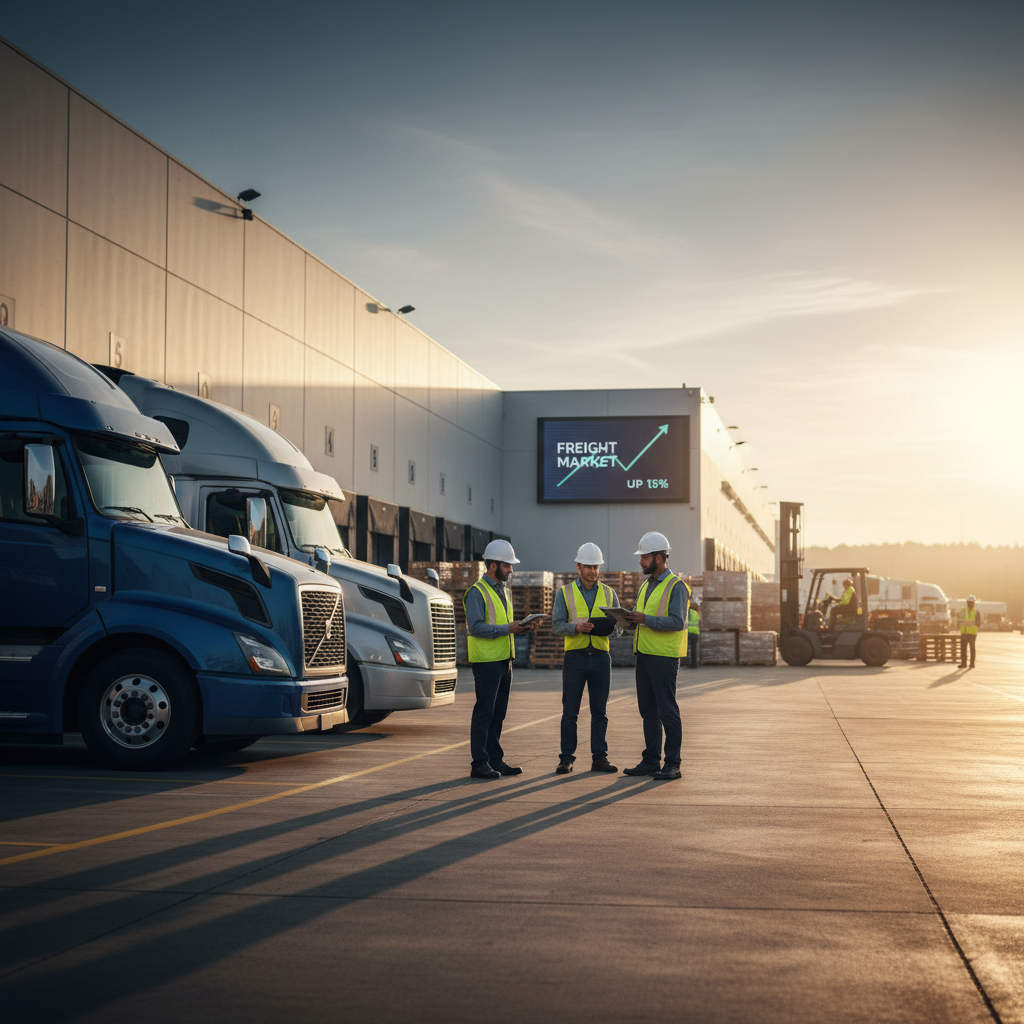
The trucking industry is a dynamic landscape, constantly shifting with economic tides, consumer demand, and operational challenges. For CDL truck drivers and fleet managers, understanding these shifts isn't just about staying informed; it's about making strategic decisions that impact livelihoods and profitability. Recently, the freight market has shown remarkable strength, a significant departure from the weaker periods many experienced over the past couple of years. This robust environment, characterized by tightening capacity and increasing industrial activity, presents both opportunities and challenges that every professional in the sector should be prepared to navigate.
For months, discussions within the industry revolved around a sluggish freight market, marked by lower rates and abundant capacity. However, the narrative has decisively shifted. Recent analyses, including those from industry experts like Craig Fuller and Zach Strickland at FreightWaves, confirm a significant turnaround. What's particularly noteworthy is that this strength isn't merely a fleeting blip; there's a strong consensus that this rally has substantial staying power. This fundamental change in market dynamics requires a fresh perspective and updated strategies from all stakeholders, from owner-operators to large fleet management teams.
The Unmistakable Strength of the Current Freight Market
One of the most compelling takeaways from recent industry discussions is the unequivocal agreement that the freight market is currently very strong. This isn't a matter of debate; the data speaks for itself. What is debated, however, is the underlying 'why' and, more importantly, the 'how' of its sustainability. Many factors that typically cause temporary market tightening, such as severe weather events, have receded. For instance, the impact of late January storms in the Northeast and parts of the South has largely dissipated. Yet, despite the absence of these transient influences, the market continues to exhibit remarkable tightness.
This sustained strength is a critical indicator for CDL drivers. A tight market generally translates to more available loads, potentially higher rates, and increased bargaining power. For fleet managers, it means a more favorable environment for securing contracts and optimizing routing, but also intensified competition for driver retention and equipment availability. The Outbound Tender Rejection Index (OTRI), a key metric reflecting how often carriers reject loads offered by shippers, has been a strong indicator of this trend. After dipping slightly, it has consistently soared, signaling that carriers are increasingly selective, a clear sign of high demand relative to available capacity. This isn't just a temporary peak; it suggests a foundational shift.
Capacity Tightening: A Core Driver of Market Strength
Unlike previous market upturns that might have been demand-driven, the current strength appears to be primarily a result of tightening capacity. This distinction is crucial. When demand surges, it can often be met by existing capacity or quickly expanded capacity. However, when capacity itself shrinks or becomes constrained, the impact on rates and load availability is more profound and often more persistent. Several factors contribute to this capacity crunch.
Firstly, the industry has seen a reduction in the number of active trucks and drivers. Economic uncertainties over the past few years led some smaller carriers to exit the market, and driver recruitment and retention remain persistent challenges. The aging driver workforce, coupled with difficulties in attracting new talent, means that the supply of qualified CDL drivers struggles to keep pace with demand. This creates a bottleneck that directly impacts a fleet's ability to take on more loads, regardless of how many are available.
Secondly, equipment availability and maintenance play a role. Supply chain disruptions have affected the production and delivery of new trucks and trailers, making it harder for fleets to expand or upgrade their equipment. Older trucks require more maintenance, leading to increased downtime and further reducing active capacity. For owner-operators, this means careful planning for equipment longevity and proactive maintenance becomes even more critical. For fleet managers, strategic investment in maintenance programs and exploring leasing options can help mitigate these challenges.
The Resurgence of Industrial Activity
While capacity tightening is a major factor, the resurgence of industrial activity is also playing a significant role in fueling the freight market's strength. Historically, the OTRI has shown a strong correlation with industrial output. The current increase in rejection rates, particularly in regions known for their manufacturing and industrial bases, suggests that the recovery we're seeing is directly linked to an uptick in manufacturing and production. This is a positive sign for the broader economy and, consequently, for the trucking industry.
Discussions with shippers confirm this trend, with many reporting unusual tightness in the Midwest, a traditional hub for industrial activity. This means that factories are producing more goods, which in turn need to be transported across the country. For CDL drivers, this often translates to more consistent freight lanes, particularly those originating from manufacturing zones. For fleet managers, understanding these industrial hotspots allows for better strategic positioning of assets and more effective route planning. Identifying key industrial sectors experiencing growth can also inform business development efforts and long-term planning.
Beyond the Traditional Slow Season: February's Unexpected Vigor
February is traditionally considered a slow period in the freight industry. After the holiday rush and before the spring surge, activity often dips, leading to what some jokingly refer to as the 'cat meme' season due to the lack of exciting news. However, this year has defied expectations. Despite being past the Super Bowl and Valentine's Day spikes, and well into what should be a lull, the market has remained remarkably robust.
This sustained activity during a normally quiet time underscores the fundamental strength of the current market. It suggests that underlying economic forces are at play that are overriding seasonal patterns. For drivers, this means that the typical 'feast or famine' cycle might be less pronounced, offering more consistent work throughout the year. For fleet managers, it presents an opportunity to maintain higher utilization rates for their equipment and drivers, which directly impacts profitability and operational efficiency. It also challenges traditional forecasting models, requiring a more agile and responsive approach to market conditions.
Actionable Takeaways for CDL Drivers
For individual CDL drivers, whether owner-operators or company drivers, this strong market presents several opportunities:
- Negotiate Rates: With capacity tight, drivers have more leverage. If you're an owner-operator, don't be afraid to negotiate for better rates, especially on preferred lanes or for specialized freight. Company drivers might find opportunities for better pay packages or bonuses.
- Focus on Efficiency: Maximize your hours of service (HOS) and minimize unproductive downtime. Efficient route planning, proactive maintenance, and smart fuel management directly translate to higher earnings in a busy market.
- Specialization Pays: If you have endorsements for hazmat, tankers, or oversized loads, this is an excellent time to leverage those skills. Specialized freight often commands higher rates, and the demand for such expertise remains high.
- Maintain Professionalism: While demand is high, professionalism, reliability, and excellent service will always set you apart and secure long-term relationships with brokers and shippers.
- Stay Informed: Continuously monitor market trends, fuel prices, and regional demand. Tools and resources like industry news sites and freight market analytics can provide valuable insights for making informed decisions on the road.
Strategic Insights for Fleet Managers
Fleet managers face a complex balancing act in a strong market. Here's how to capitalize on the current conditions:
- Driver Retention is Paramount: In a tight capacity market, retaining your best drivers is more critical than ever. Competitive pay, excellent benefits, quality equipment, and a supportive work environment are essential. Consider incentive programs for safety and efficiency.
- Optimize Asset Utilization: Ensure your trucks are running at maximum efficiency. This includes optimizing routes, minimizing empty miles, and leveraging technology for better load matching. Every idle truck represents lost revenue.
- Proactive Maintenance and Equipment Acquisition: With new equipment harder to come by, prioritize preventative maintenance to extend the life of your current fleet. If expanding, explore all options for acquiring new or used trucks and trailers, including leasing agreements.
- Strategic Customer Relationships: Focus on building strong, long-term relationships with reliable shippers. While spot rates might be attractive, consistent contract freight provides stability and predictable revenue streams. Negotiate favorable terms that reflect the current market reality.
- Leverage Technology: Invest in telematics, TMS (Transportation Management Systems), and other digital tools to improve operational efficiency, track performance, and gain deeper insights into your fleet's operations. Data-driven decisions are key to navigating a volatile market.
- Diversify Freight and Lanes: While industrial freight is strong, don't put all your eggs in one basket. Explore different types of freight and lanes to build resilience and adapt to potential shifts in demand.
The Road Ahead: Sustained Growth and Evolving Challenges
The consensus among industry experts is that this strong freight market is not a temporary phenomenon. The underlying factors—tightening capacity and robust industrial activity—suggest a sustained period of favorable conditions for carriers. However, this doesn't mean the industry will be without its challenges. Fuel prices, regulatory changes, and the ongoing driver shortage will continue to be critical factors that demand attention and strategic planning.
For CDL drivers, this means continued opportunities for stable work and potentially higher earnings, provided they remain adaptable and focused on efficiency. For fleet managers, it's a period to solidify operations, invest in driver welfare, and leverage technology to maximize profitability and prepare for future growth. The trucking industry is resilient, and by understanding the current state of freight, professionals can position themselves to thrive in this evolving landscape. The road ahead looks promising, but success will still belong to those who are best prepared to navigate its twists and turns.
Helpful Resources for CDL Drivers
Comments (0)
Sign in to join the conversation
Sign In to CommentNo comments yet. Be the first to share your thoughts!
Explore More
Driver Resources
Educational guides on CDL licensing, salary expectations, and route planning tips.
Browse CDL Jobs
Find your next driving opportunity. Search by location, route type, and CDL class.
CDL Salary Guide
Understand how pay varies by experience, route type, and location in the trucking industry.