
Roadside Companions: The Unbreakable Bond Between Truck Drivers and Their Canine Co-Pilots
24 days ago
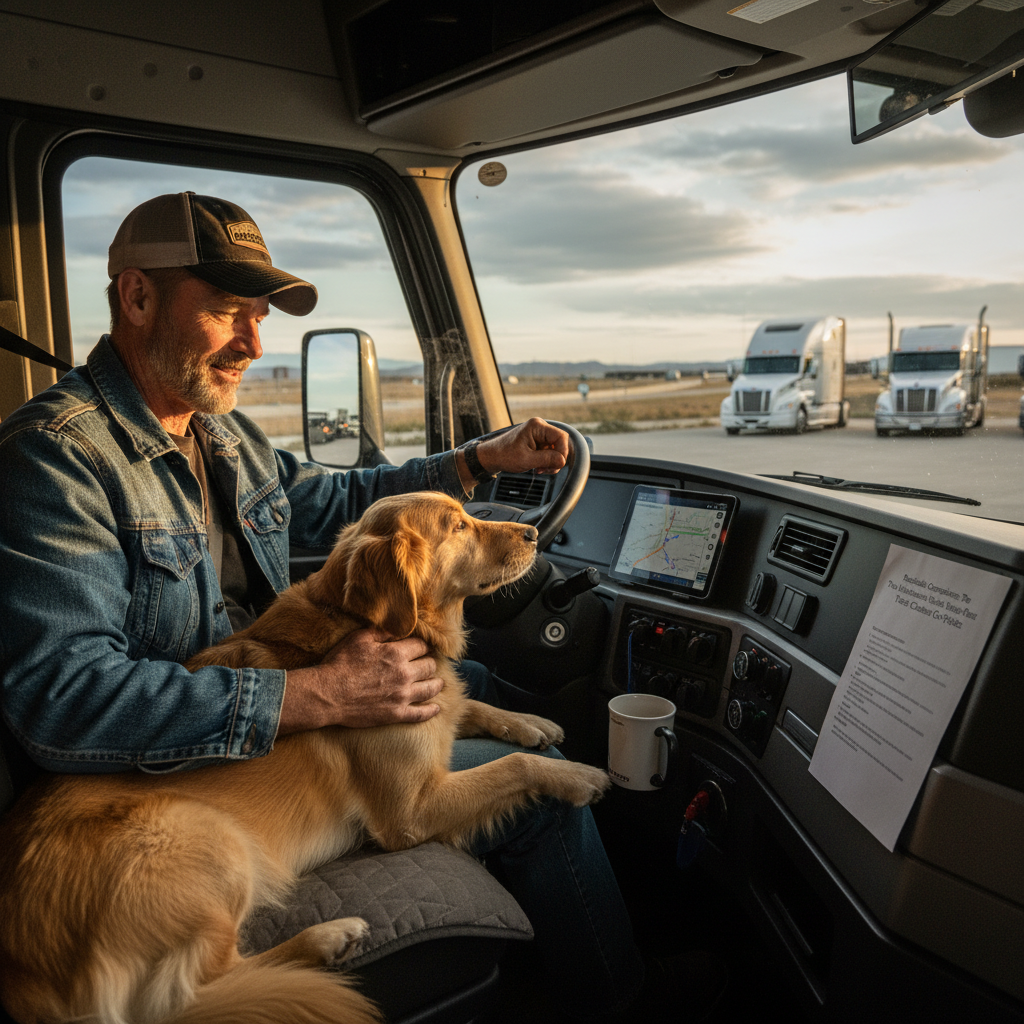
<h2>The Heart of the Highway: Why Dogs are Essential for Many Truck Drivers</h2><p>The life of a long-haul truck driver is often characterized by solitude, long stretches of highway, and countless hours spent away from home. While the open road offers a sense of freedom, it can also be incredibly isolating. For many professional drivers, the solution to this loneliness comes in the form of a furry, four-legged companion. Dogs, in particular, have become invaluable co-pilots, offering emotional support, a sense of security, and a much-needed connection to home. This deep bond was recently highlighted in a heartwarming incident involving a Manitoba truck driver and his three chihuahuas, underscoring the vital role pets play in the trucking community.</p><p>The story, which quickly resonated across the industry, began when a truck driver suffered a minor stroke while working in Medford, Wisconsin. Rushed to a local hospital for urgent medical attention, he was faced with the difficult reality of leaving his beloved canine companions – a trio of chihuahuas – temporarily in his rig. This situation, while distressing, brought to light the incredible network of support and compassion that often exists within and around the trucking world, particularly when it involves the welfare of these cherished animal partners.</p><p>Upon learning of the driver's predicament, his dispatcher, recognizing the urgency and the driver's deep affection for his pets, swiftly contacted a local animal shelter. Scott Schultz, the manager of the shelter, wasted no time. Acting on the dispatcher's call, he immediately headed to the truck to retrieve the dogs. What he found upon arrival was a testament to the dogs' loyalty and routine: they were perched on the dashboard, their usual sleeping spot, patiently awaiting their owner's return. Despite the truck supposedly being unlocked, the chihuahuas had, in an unexpected turn of events, managed to lock themselves in. Schultz, with a bit of ingenuity, was able to free them and bring them back to the shelter, where they received care and comfort until their owner's release.</p><p>The reunion, which took place just a few days later, was an emotional one. Schultz met the driver and his wife back at the truck stop. As soon as the van door opened and the kennel was unlatched, the chihuahuas bounded into their owner's arms. The joy was palpable, a moment of pure, unadulterated happiness for both man and dog. "You could see the smile on his face as soon as they saw him," Schultz recounted, adding, "You couldn't tell who was happier more." This touching anecdote serves as a powerful reminder of the profound connection between drivers and their pets, and the lengths to which people will go to ensure their well-being.</p><h2>The Practical and Emotional Benefits of Having a Pet on the Road</h2><p>For many CDL professionals, the decision to bring a pet on the road is not merely about companionship; it's a strategic choice that significantly enhances their quality of life and even their professional performance. The benefits extend far beyond just having someone to talk to during long hauls.</p><h3>Combating Loneliness and Stress</h3><p>The most immediate and perhaps most significant benefit is the alleviation of loneliness. Trucking can be a solitary profession, and the absence of human interaction for days or weeks on end can take a toll on mental health. A pet provides constant companionship, unconditional love, and a comforting presence. This can drastically reduce feelings of isolation, depression, and anxiety, which are unfortunately common among long-haul drivers. The simple act of petting an animal can lower stress hormones, reduce blood pressure, and promote a sense of calm, making the demanding job of a truck driver more manageable.</p><h3>Enhancing Safety and Security</h3><p>While often small in stature, dogs can also contribute to a driver's sense of security. Their natural instincts make them alert to unusual sounds or movements around the truck, especially during overnight stops. Even a small dog's bark can deter potential intruders, providing an extra layer of protection for both the driver and their cargo. This added sense of security can allow drivers to rest more soundly, knowing they have a vigilant guardian on watch.</p><h3>Promoting Physical Activity and Routine</h3><p>Having a dog often encourages drivers to take more frequent breaks and engage in physical activity. Regular walks, even short ones, provide opportunities for both the driver and the dog to stretch their legs, get some fresh air, and break up the monotony of driving. This can lead to improved physical health for the driver, combating the sedentary nature of the job. Furthermore, caring for a pet instills a sense of routine and responsibility, which can be beneficial for maintaining mental discipline and a structured schedule on the road.</p><h3>Boosting Morale and Well-being</h3><p>The presence of a pet can significantly boost a driver's morale. The joy of being greeted by a wagging tail or a happy bark after a long day of driving is immeasurable. Pets offer a non-judgmental ear, a source of amusement, and a constant reminder of the simple joys in life. This positive emotional impact can translate into a more positive outlook on the job, increased job satisfaction, and a greater sense of overall well-being. For fleet managers, recognizing these benefits can be crucial in understanding driver retention and satisfaction.</p><h2>Navigating the Logistics: What Fleet Managers and Drivers Need to Know</h2><p>While the emotional benefits of having a pet on the road are clear, there are practical considerations and logistical challenges that both drivers and fleet managers must address. Pet policies vary widely across trucking companies, and understanding these nuances is essential for a smooth and compliant operation.</p><h3>Company Pet Policies</h3><p>Many progressive trucking companies have recognized the positive impact pets have on driver morale and retention, leading them to adopt pet-friendly policies. However, these policies often come with specific stipulations. Common requirements include:</p><ul><li><strong>Pet Deposits or Fees:</strong> Companies may require a non-refundable pet deposit or a recurring fee to cover potential cleaning or damage to the truck's interior.</li><li><strong>Breed and Size Restrictions:</strong> Some companies impose restrictions on certain breeds or sizes of dogs, often due to insurance liabilities or space constraints within the cab.</li><li><strong>Proof of Vaccination and Health Records:</strong> Drivers are typically required to provide up-to-date vaccination records and proof of good health for their pets.</li><li><strong>Designated Pet Areas:</strong> Some companies may specify areas within the truck where pets are allowed or provide guidelines for securing pets during transit.</li><li><strong>Driver Responsibility:</strong> The driver is always responsible for the pet's well-being, cleanliness, and any damage caused.</li></ul><p>Fleet managers should clearly communicate these policies to drivers and ensure they are consistently applied. For drivers, it's paramount to thoroughly review a company's pet policy before committing to a job, as it can significantly impact their ability to bring their beloved companion along.</p><h3>Preparing the Truck for a Pet</h3><p>Transforming a truck cab into a pet-friendly environment requires some preparation. Drivers should consider:</p><ul><li><strong>Securing the Pet:</strong> For safety, pets should be secured during transit, either in a comfortable crate or with a specialized seatbelt harness. This prevents them from becoming a distraction or a projectile in the event of sudden braking.</li><li><strong>Comfort and Hydration:</strong> Providing a comfortable bed, adequate food, and constant access to fresh water is crucial. Portable water bowls and spill-proof containers are highly recommended.</li><li><strong>Waste Management:</strong> Drivers must have a plan for waste disposal, including bags for walks and absorbent pads for emergencies inside the cab. Maintaining cleanliness is vital for hygiene and preventing odors.</li><li><strong>Ventilation and Temperature Control:</strong> Ensuring proper ventilation and maintaining a comfortable temperature in the cab is critical, especially during extreme weather conditions. Never leave a pet unattended in a truck without adequate climate control.</li></ul><h3>Health and Wellness on the Road</h3><p>Maintaining a pet's health while traveling requires diligence. Regular veterinary check-ups, especially before long trips, are essential. Drivers should carry a pet first-aid kit, a copy of their pet's medical records, and contact information for their veterinarian. Knowing how to locate emergency veterinary services along common routes can also be a lifesaver. Furthermore, consistent exercise and a balanced diet are just as important on the road as they are at home.</p><h2>The Role of the Community: Support Systems for Drivers and Their Pets</h2><p>The story of the chihuahuas in Medford highlights the critical role that community support plays in the lives of truck drivers and their pets. When a driver faces an unexpected crisis, the kindness of strangers and the efficiency of local services can make all the difference.</p><h3>Dispatchers and Company Support</h3><p>In this particular case, the dispatcher's quick thinking and proactive approach were instrumental. This demonstrates the value of strong communication channels between drivers and their dispatch teams. Companies that foster a supportive environment are more likely to see their drivers thrive, even in challenging circumstances. Fleet managers should encourage dispatchers and operations teams to be empathetic and resourceful, especially when drivers are far from home.</p><h3>Local Animal Shelters and Rescues</h3><p>Animal shelters like the one managed by Scott Schultz are often unsung heroes. Their willingness to step in and provide care, even for animals temporarily displaced due to unforeseen circumstances, is invaluable. This incident serves as a powerful reminder for drivers to be aware of local resources along their routes and for communities to recognize the unique needs of the trucking population.</p><h3>The Trucking Community Network</h3><p>Beyond formal organizations, the trucking community itself often acts as an informal support network. Drivers frequently share advice, resources, and even offer assistance to fellow drivers in need. Online forums, social media groups, and truck stop interactions can be vital for sharing information about pet-friendly locations, veterinary services, and general support. This camaraderie reinforces the idea that no driver is truly alone on the road.</p><h2>Actionable Takeaways for Drivers and Fleet Managers</h2><p>For drivers considering bringing a pet on the road, and for fleet managers looking to support their driving force, several actionable steps can be taken:</p><h3>For CDL Truck Drivers:</h3><ol><li><strong>Research Company Pet Policies Thoroughly:</strong> Before accepting a job, ensure you understand and agree with the company's pet policy. Ask specific questions about deposits, restrictions, and responsibilities.</li><li><strong>Prepare Your Rig:</strong> Invest in necessary pet supplies, including a secure crate or harness, comfortable bedding, spill-proof food/water bowls, and waste management tools.</li><li><strong>Prioritize Pet Health:</strong> Keep vaccinations up-to-date, carry a pet first-aid kit, and have a plan for veterinary emergencies on the road. Research vets along your common routes.</li><li><strong>Maintain Routine:</strong> Stick to a consistent feeding, walking, and sleeping schedule for your pet to minimize stress and promote good behavior.</li><li><strong>Be a Responsible Pet Owner:</strong> Always clean up after your pet, ensure they are well-behaved in public spaces, and never leave them unattended in extreme temperatures.</li></ol><h3>For Fleet Managers:</h3><ol><li><strong>Develop Clear and Comprehensive Pet Policies:</strong> Create a pet policy that balances driver well-being with company liabilities and operational considerations. Make it easily accessible and understandable.</li><li><strong>Communicate Policies Effectively:</strong> Ensure all drivers are fully aware of the pet policy during onboarding and provide regular reminders.</li><li><strong>Consider the Benefits:</strong> Recognize that pet-friendly policies can be a significant factor in driver retention and satisfaction. Happy drivers are often more productive and loyal.</li><li><strong>Foster a Supportive Environment:</strong> Train dispatchers and support staff to be empathetic and resourceful when drivers face personal challenges, including those involving their pets.</li><li><strong>Explore Partnerships:</strong> Consider partnering with local animal welfare organizations or veterinary services to offer resources or discounts to your pet-owning drivers.</li></ol><h2>Conclusion: The Enduring Partnership of Man, Machine, and Man's Best Friend</h2><p>The story of the Manitoba truck driver and his chihuahuas is more than just a feel-good news item; it's a poignant illustration of the deep, often unspoken, bond between professional truck drivers and their animal companions. It underscores the unique challenges and rewards of life on the road, and the vital role that pets play in mitigating the isolation and stress inherent in the profession. For fleet managers, understanding and supporting this bond is not just an act of kindness, but a strategic investment in driver well-being, morale, and ultimately, retention.</p><p>As the wheels of commerce continue to turn, propelled by the dedication of CDL drivers, it's heartening to know that many of these essential workers are not truly alone. Their loyal co-pilots, whether big or small, furry or feathered, are there to offer comfort, security, and a wagging tail, making the long journey a little less lonely and a lot more meaningful. The trucking industry is a community, and sometimes, the most important members of that community have four paws and an unwavering devotion to their human partners on the open road.</p>
Helpful Resources for CDL Drivers
Comments (0)
Sign in to join the conversation
Sign In to CommentNo comments yet. Be the first to share your thoughts!
Explore More
Driver Resources
Educational guides on CDL licensing, salary expectations, and route planning tips.
Browse CDL Jobs
Find your next driving opportunity. Search by location, route type, and CDL class.
CDL Salary Guide
Understand how pay varies by experience, route type, and location in the trucking industry.