Schneider Shifts Gears: Leadership Transition Signals Focus on Dedicated Freight, Intermodal Expansion, and Driver Support
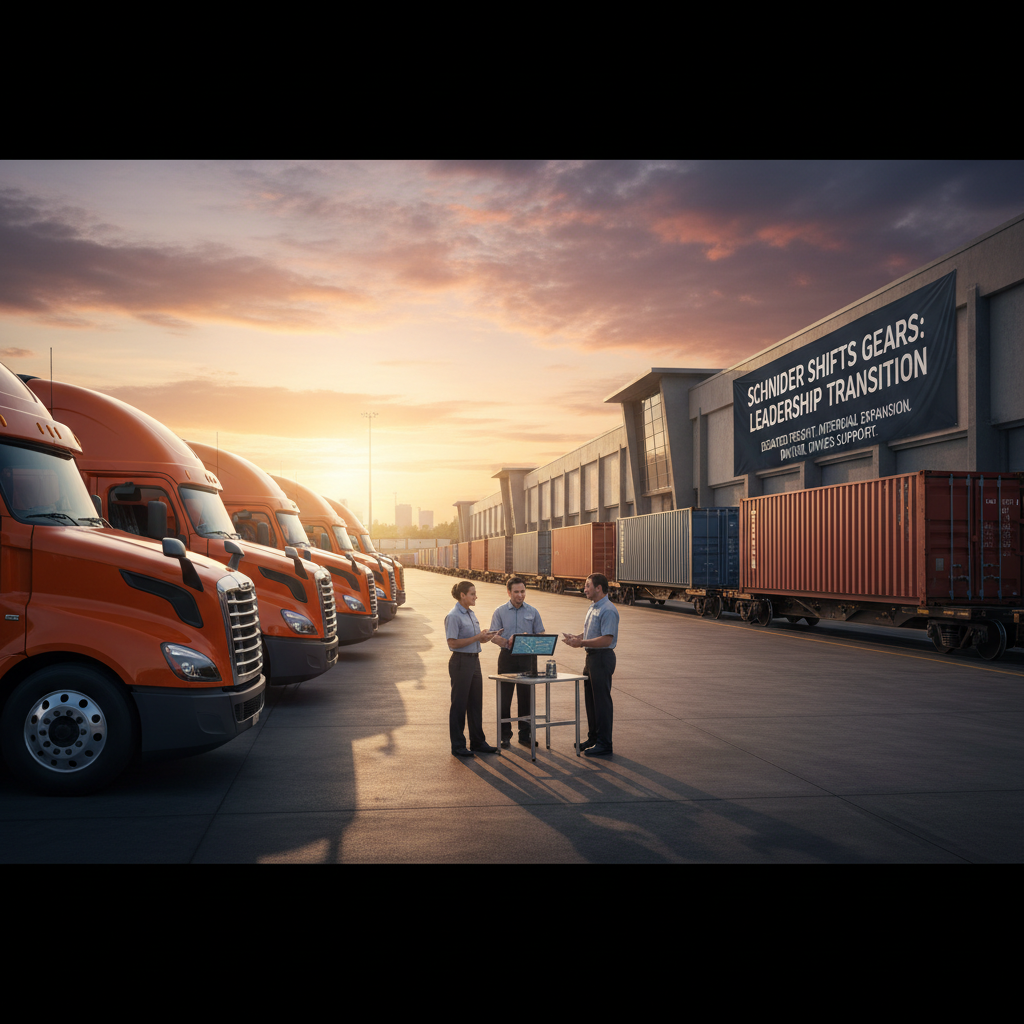
The trucking and logistics giant Schneider (NYSE: SNDR) recently announced a significant and strategically planned leadership transition, a move that holds substantial implications for its vast network of CDL truck drivers, owner-operators, and fleet management personnel. This change, effective July 1, 2026, sees current President and CEO Mark Rourke stepping into the role of Executive Chairman of the Board, paving the way for Jim Filter, the Executive Vice President and Group President of Transportation and Logistics, to take the helm as the new Chief Executive Officer.
This transition is not merely a change in personnel; it reflects Schneider’s commitment to maintaining momentum in key strategic areas—namely, the expansion of its high-demand Dedicated freight division, the continued growth of its Intermodal network, and the integration of advanced digital solutions that directly impact how professional truck drivers operate and interact with the company. For drivers, these strategic pivots often translate into more stable routes, specialized equipment, and improved technological tools designed to streamline operations both on the road and at the terminal.
The Legacy of Leadership: Rourke’s Impact on Modernizing Schneider
Mark Rourke, who has led Schneider since 2019, is widely credited within the industry for spearheading transformative initiatives that have reshaped the company’s operational profile. His tenure focused heavily on repositioning Schneider’s core Truckload division. Instead of relying solely on traditional, volatile long-haul operations, Rourke emphasized growth in the Dedicated carrier segment. This strategy involved both organic expansion and strategic acquisitions, ensuring Schneider could offer consistent, high-value service to shippers while providing drivers with predictable schedules and reliable income—a crucial factor in driver retention.
Furthermore, Rourke championed the expansion of Schneider’s Intermodal network, leveraging rail transport for long-distance hauls and focusing company drivers on first-mile and last-mile delivery. This multimodal approach optimizes efficiency and reduces the environmental footprint, but more importantly for CDL professionals, it creates diverse job opportunities, allowing drivers to specialize in regional, local, or specialized intermodal operations.
His focus on advancing digital freight solutions in the Logistics sector also positioned Schneider at the forefront of technological adoption. For fleet managers, this means better visibility, optimized routing, and enhanced compliance tools. For drivers, it translates into user-friendly applications for load acceptance, electronic logging device (ELD) management, and communication, aiming to minimize downtime and maximize hours of service (HOS) efficiency.
Introducing the New CEO: Jim Filter’s Deep Industry Roots
Jim Filter, 54, brings an impressive 27 years of internal expertise and a profound understanding of Schneider’s operational DNA to the CEO role. Filter’s journey with Schneider began in 1998, following his service in the United States Marine Corps—a background often valued in the disciplined world of logistics and transportation. His career trajectory within the company has been marked by progressively senior roles across critical divisions, including Division General Manager positions in Logistics & Supply Chain Management, Mexico Operations, and the rapidly growing Intermodal sector.
Since 2022, Filter has served as the Executive Vice President and Group President of Transportation and Logistics, overseeing all operating segments. In this role, he was instrumental in driving improvements in service quality, operational efficiency, and the integration of new technologies across the fleet. His comprehensive experience across all facets of the business—from the driver’s perspective in the yard to the strategic planning in the boardroom—positions him as a leader who understands the practical challenges faced by the professional truck driver.
Filter emphasized his commitment to building on the existing foundation, stating, “Schneider is well positioned for significant growth, and I’m eager to lead our talented team in advancing our technology solutions, expanding our multimodal network, and driving operational growth and excellence.” This statement strongly suggests that the strategic focus on Dedicated freight, Intermodal, and digital tools will not only continue but accelerate under his direction.
What This Means for CDL Truck Drivers and Fleet Managers
Leadership transitions in major carriers like Schneider inevitably raise questions about future strategy, especially regarding driver pay, working conditions, and fleet investment. For CDL drivers and owner-operators associated with or considering joining Schneider, the continuity represented by Filter’s internal promotion is a positive sign.
1. Enhanced Focus on Dedicated and Regional Opportunities
Filter’s stated goal of advancing the multimodal network reinforces the commitment to Dedicated and regional hauling. Dedicated routes often involve hauling freight for a single customer, offering drivers highly consistent schedules, predictable home time, and often specialized training and equipment. For fleet managers, this segment provides stable revenue streams and easier resource allocation compared to volatile irregular route truckload operations.
- Driver Takeaway: Expect continued investment in specialized equipment (e.g., bulk, tanker, specialized dry van) and potential for more regional and local job openings that cater to drivers seeking better work-life balance.
2. Technology Integration and Operational Efficiency
Both Rourke and Filter have stressed the importance of technology. This isn't just about back-office efficiency; it directly impacts the driver experience. Advanced telematics, AI-driven routing, and predictive maintenance are crucial for keeping trucks running safely and efficiently. Filter’s background in logistics and technology integration suggests a continued push toward making the driver’s job easier through digital tools.
- Fleet Manager Takeaway: Expect ongoing optimization of fleet maintenance schedules, better utilization data, and potentially new tools designed to improve driver communication and reduce administrative burdens related to compliance and paperwork.
3. Stability and Succession Planning
Industry analysts have noted that this transition is a “seamless handoff,” aligning with Schneider’s multi-year succession strategy. In a highly competitive and often volatile freight market, stability at the executive level is a significant asset. It assures customers, investors, and, critically, employees that the company’s strategic direction will remain consistent and well-managed.
- Industry Insight: A well-executed internal transition, especially one involving a leader with decades of company experience like Filter, minimizes disruption and ensures that major operational goals—such as safety initiatives and driver recruitment efforts—remain top priorities.
The Future of Freight: Navigating Market Demands
The leadership change comes at a time when the trucking industry faces complex challenges: persistent driver recruitment and retention issues, fluctuating fuel costs, increasing regulatory scrutiny, and the rapid adoption of automation and electrification technologies. Schneider, celebrating its 90th year in operation, must continue to adapt to these evolving market demands.
Filter’s mandate will be to leverage Schneider’s extensive assets—its iconic orange fleet, massive intermodal infrastructure, and professional workforce—to capitalize on trends like nearshoring (which boosts cross-border freight, an area where Filter has experience) and the continued demand for reliable, specialized Dedicated services.
For the professional CDL driver, this means working for a company that is proactively addressing the future. Investment in advanced equipment, implementation of cutting-edge safety features, and continuous effort to improve the driver experience are essential components of maintaining a competitive edge in driver recruitment. Schneider’s commitment to internal promotion and strategic planning suggests a long-term view focused on sustainable growth, which ultimately benefits the drivers who are the backbone of the organization.
Actionable Advice for Drivers and Fleet Managers
For CDL Drivers: Pay attention to the growth areas mentioned by the new leadership: Dedicated and Intermodal. These sectors often offer specialized training, higher pay potential, and more predictable schedules than traditional over-the-road (OTR) routes. If you are looking for stability and specialization, these segments within Schneider are likely to see the most investment and job creation.
For Fleet Managers: Focus on leveraging the new technological tools that will inevitably be rolled out under Filter’s leadership. Efficiency gains through digital platforms are critical for maximizing fleet utilization and driver HOS. Ensure your teams are fully trained on new systems related to routing, maintenance scheduling, and compliance to capitalize on the company’s strategic investments in technology and operational excellence. The focus on service quality and efficiency means managers must prioritize driver feedback to ensure technological integrations are practical and helpful, not burdensome.
Helpful Resources for CDL Drivers
Comments (0)
Sign in to join the conversation
Sign In to CommentNo comments yet. Be the first to share your thoughts!
Explore More
Driver Resources
Educational guides on CDL licensing, salary expectations, and route planning tips.
Browse CDL Jobs
Find your next driving opportunity. Search by location, route type, and CDL class.
CDL Salary Guide
Understand how pay varies by experience, route type, and location in the trucking industry.