Steel Industry Shake-Up: BlueScope Rejects Enhanced $11 Billion Bid from Steel Dynamics, Signaling Continued Market Volatility for Trucking
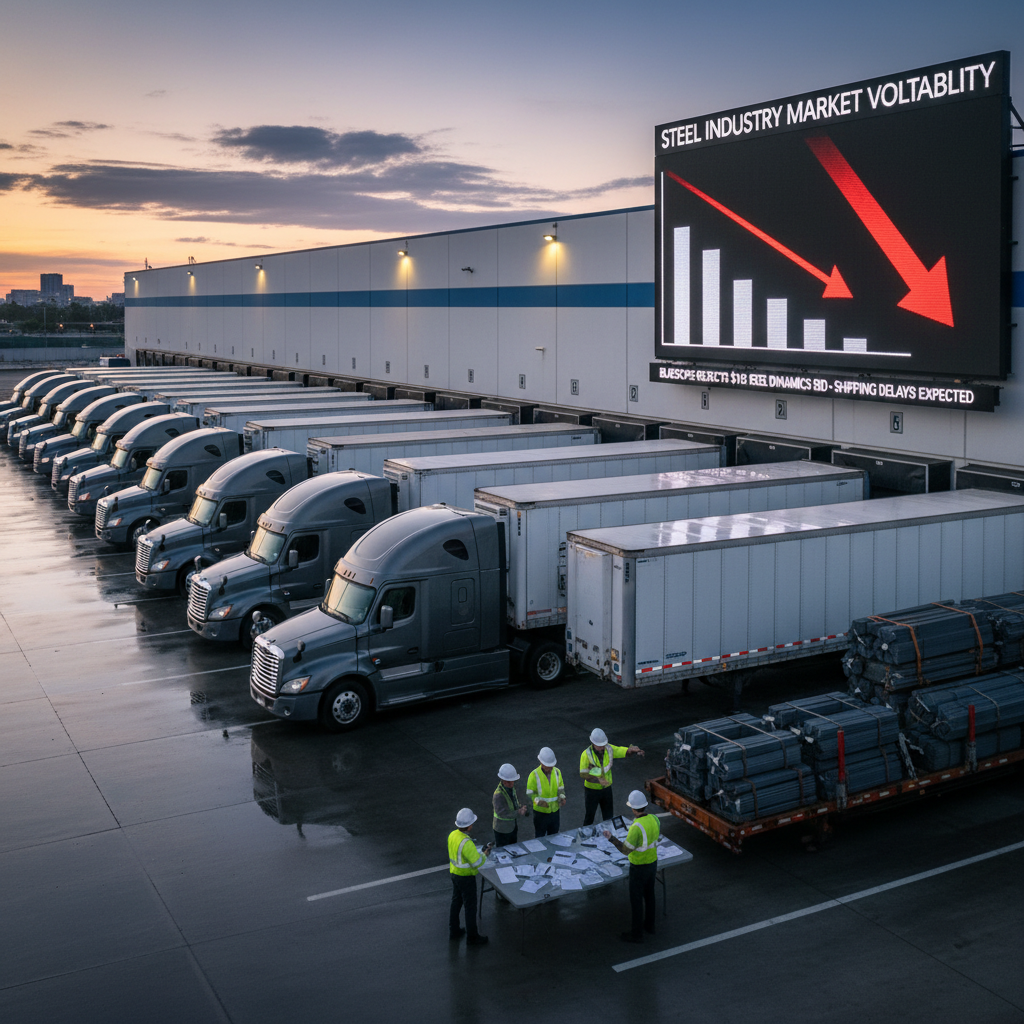
The global steel industry, a foundational pillar for countless sectors including manufacturing, construction, and crucially, the transportation and logistics landscape, is currently experiencing significant strategic maneuvering. In a development that has sent ripples through financial markets and supply chains alike, Australian steel giant BlueScope Steel has once again rejected an acquisition offer from a consortium led by U.S. firm Steel Dynamics and Australian conglomerate SGH. This latest rejection, concerning a revised bid valued at an estimated A$15 billion (approximately $11 billion USD), underscores the complex valuation challenges and strategic imperatives at play within the heavy industry sector. For CDL truck drivers and fleet managers, these high-stakes corporate decisions are far from abstract; they directly influence freight volumes, material costs, equipment prices, and the overall economic health of their operations.
BlueScope's board, in a statement issued from Australia, maintained that even the increased proposal from Steel Dynamics and SGH still "undervalues the company." While acknowledging the revised terms, BlueScope emphasized that the offer price was insufficient to warrant a recommendation to its shareholders. However, the door remains open, with the Australian steelmaker indicating its willingness to engage in further discussions should a more favorable valuation be presented. This ongoing negotiation highlights the robust demand for steel assets, particularly those with strategic geographical advantages and specialized production capabilities, and signals a period of potential consolidation and restructuring that will inevitably impact the trucking industry.
The Strategic Stakes: Why This Deal Matters to Trucking
The proposed acquisition was designed to strategically carve up BlueScope's extensive operations. Steel Dynamics, a prominent U.S. steel producer, had its sights set on BlueScope's North American assets, particularly the highly profitable North Star steelworks in Ohio and its downstream product businesses across the continent. These facilities are critical suppliers of steel products used in everything from automotive manufacturing to infrastructure projects – sectors that generate substantial freight for CDL drivers. SGH, controlled by billionaire Kerry Stokes, intended to take control of BlueScope's Australian steelworks at Port Kembla. The division of assets reflects a global trend where steel companies are seeking to optimize their portfolios, focusing on regions and product lines where they can achieve maximum efficiency and market dominance.
For the trucking industry, the implications of such a large-scale transaction are multifaceted. Steel is a primary commodity transported by flatbed, specialized, and even dry van trucks across North America and beyond. Any changes in ownership, production capacity, or supply chain strategy within major steel producers like BlueScope or Steel Dynamics can lead to shifts in freight lanes, demand for specific equipment types, and even pricing structures for raw materials and finished goods. Fleet managers must closely monitor these developments to anticipate changes in their operational environment, while CDL drivers can expect potential impacts on their routes, load availability, and the stability of the industries they serve.
Understanding the Players: BlueScope, Steel Dynamics, and SGH
BlueScope Steel is a global leader in the production of painted and coated steel products, with a significant presence in Australia, New Zealand, Asia, and North America. Its North Star mini-mill in Ohio is particularly noteworthy, known for its efficiency and profitability in the U.S. market. This asset is a crown jewel, generating a substantial portion of BlueScope's earnings, making it a highly attractive target for expansion-minded companies like Steel Dynamics.
Steel Dynamics Inc. (SDI) is one of the largest steel producers in the United States, known for its innovative approach to steelmaking, particularly through electric arc furnace (EAF) mini-mills. SDI's strategy often involves acquiring and optimizing existing steel assets to enhance its production capabilities and market reach. Their interest in BlueScope's North American operations aligns perfectly with their growth trajectory and desire to strengthen their position in key domestic markets. For the trucking industry, SDI's expansion often means increased domestic freight opportunities, as their production facilities feed a wide array of U.S. industries.
SGH, an Australian conglomerate with diverse interests, including media, mining, and industrial services, brings a local strategic partner to the bid. Their interest in the Australian assets would allow for a more streamlined acquisition process, enabling Steel Dynamics to focus solely on the North American segment. This partnership structure underscores the global nature of these transactions and the complex financial engineering involved in large-scale corporate takeovers.
The Valuation Conundrum: What Constitutes "Fair Value"?
The core of the dispute lies in the perceived "fair value" of BlueScope Steel. While Steel Dynamics and SGH have increased their offer, BlueScope's board believes the bid still doesn't adequately reflect the company's intrinsic worth, future growth potential, and strategic assets. Valuations in the steel industry are influenced by a myriad of factors, including commodity prices, global demand, production costs, technological advancements, regulatory environments, and geopolitical stability. The current economic climate, marked by inflationary pressures, supply chain disruptions, and fluctuating energy costs, adds another layer of complexity to these calculations.
For fleet managers and owner-operators, the concept of fair value in the steel industry translates directly into the stability of their customer base and the predictability of freight volumes. When major players haggle over billions, it signals a deeper assessment of market conditions and future outlook. A successful acquisition could lead to capital investments in facilities, potentially boosting local freight, or it could lead to rationalization, which might temporarily reduce certain lanes. Understanding these underlying economic drivers is crucial for long-term business planning in trucking.
Market Dynamics and the Supply Chain Ripple Effect
The steel industry is inherently cyclical, heavily influenced by global economic growth, infrastructure spending, and manufacturing output. The current environment presents a mixed bag of challenges and opportunities. While demand for steel remains robust in many sectors, particularly with ongoing infrastructure projects and a resurgence in manufacturing, the industry also grapples with rising energy costs, raw material price volatility, and increasing environmental regulations. These factors directly impact steel producers' profitability and, consequently, their valuation.
For the trucking sector, these market dynamics translate into varying freight demand. When steel production is high, there's a greater need for trucks to transport iron ore, scrap metal (for EAFs), finished steel coils, beams, and fabricated products. Conversely, a slowdown in steel production or a shift in manufacturing centers can lead to reduced freight opportunities in specific regions. CDL drivers specializing in flatbed or heavy haul operations are particularly sensitive to these fluctuations, as steel and related heavy materials constitute a significant portion of their loads.
Furthermore, the cost of steel directly impacts the price of new trucks, trailers, and replacement parts. Higher steel prices mean higher manufacturing costs for equipment, which can lead to increased capital expenditures for trucking companies looking to expand or upgrade their fleets. This ripple effect underscores the interconnectedness of the industrial economy and the vital role trucking plays in its functioning.
Actionable Insights for CDL Drivers and Fleet Managers
Given the ongoing developments in the steel sector, what can CDL drivers and fleet managers do to navigate potential impacts?
- Stay Informed on Industry News: Regularly follow news from the steel and manufacturing sectors. Sites like CDL Jobs Network, along with industry-specific publications, can provide crucial updates. Understanding the health and direction of key industrial customers helps in anticipating freight trends.
- Diversify Your Customer Base: Relying too heavily on one or two major customers, especially those in cyclical industries like steel, can be risky. Fleet managers should actively seek to diversify their client portfolio across various sectors to mitigate risks associated with industry-specific downturns or corporate restructuring.
- Monitor Freight Rates and Lane Activity: Keep a close eye on freight rates for steel-related loads and the activity in lanes serving major steel mills or manufacturing hubs. Tools that provide real-time rate data and load board insights can be invaluable for making informed decisions on where to find the most profitable freight.
- Optimize Equipment Utilization: Ensure that your fleet's equipment, particularly flatbeds and specialized trailers, is being utilized efficiently. In times of uncertainty, maximizing the uptime and revenue generation of each asset is paramount. This might involve exploring backhaul opportunities or optimizing routes to reduce deadhead miles.
- Build Strong Relationships with Shippers: Cultivating strong, long-term relationships with steel producers, fabricators, and their customers can provide a competitive edge. Preferred carrier status can offer more consistent freight, even during market fluctuations.
- Assess Equipment Costs and Maintenance: Be prepared for potential fluctuations in the cost of new equipment and parts due to steel price volatility. Proactive maintenance and strategic purchasing can help manage these costs. Consider the timing of new truck and trailer acquisitions carefully, factoring in commodity price trends.
- Understand Regional Economic Impact: If a major steel plant in your operating region is involved in an acquisition or significant investment, understand the local economic impact. This could mean increased construction activity, new job opportunities, and, most importantly, more localized freight for your trucks.
The Road Ahead: Continued Evolution and Opportunity
The saga between BlueScope Steel and Steel Dynamics/SGH is a prime example of the dynamic and often unpredictable nature of global industrial markets. While the immediate outcome is a rejection of the current bid, the door remains open for further negotiations, or potentially, a new suitor to emerge. Regardless of the eventual outcome, the underlying forces driving these transactions – the pursuit of efficiency, market share, and strategic advantage – will continue to shape the steel industry.
For CDL truck drivers and fleet managers, these developments are not just distant corporate headlines; they are direct indicators of the economic currents that influence their daily operations and long-term business strategies. By staying informed, adapting to market shifts, and focusing on operational excellence, the trucking industry can continue to play its indispensable role in connecting the vital links of the global supply chain, ensuring that the steel that builds our world gets where it needs to go, efficiently and reliably. The demand for skilled drivers and well-managed fleets remains constant, even as the industrial landscape evolves, presenting continuous opportunities for those prepared to meet the challenge.
Helpful Resources for CDL Drivers
Comments (0)
Sign in to join the conversation
Sign In to CommentNo comments yet. Be the first to share your thoughts!
Explore More
Driver Resources
Educational guides on CDL licensing, salary expectations, and route planning tips.
Browse CDL Jobs
Find your next driving opportunity. Search by location, route type, and CDL class.
CDL Salary Guide
Understand how pay varies by experience, route type, and location in the trucking industry.