
Target's Supply Chain Overhaul: What 400 Job Cuts Mean for Trucking and Logistics
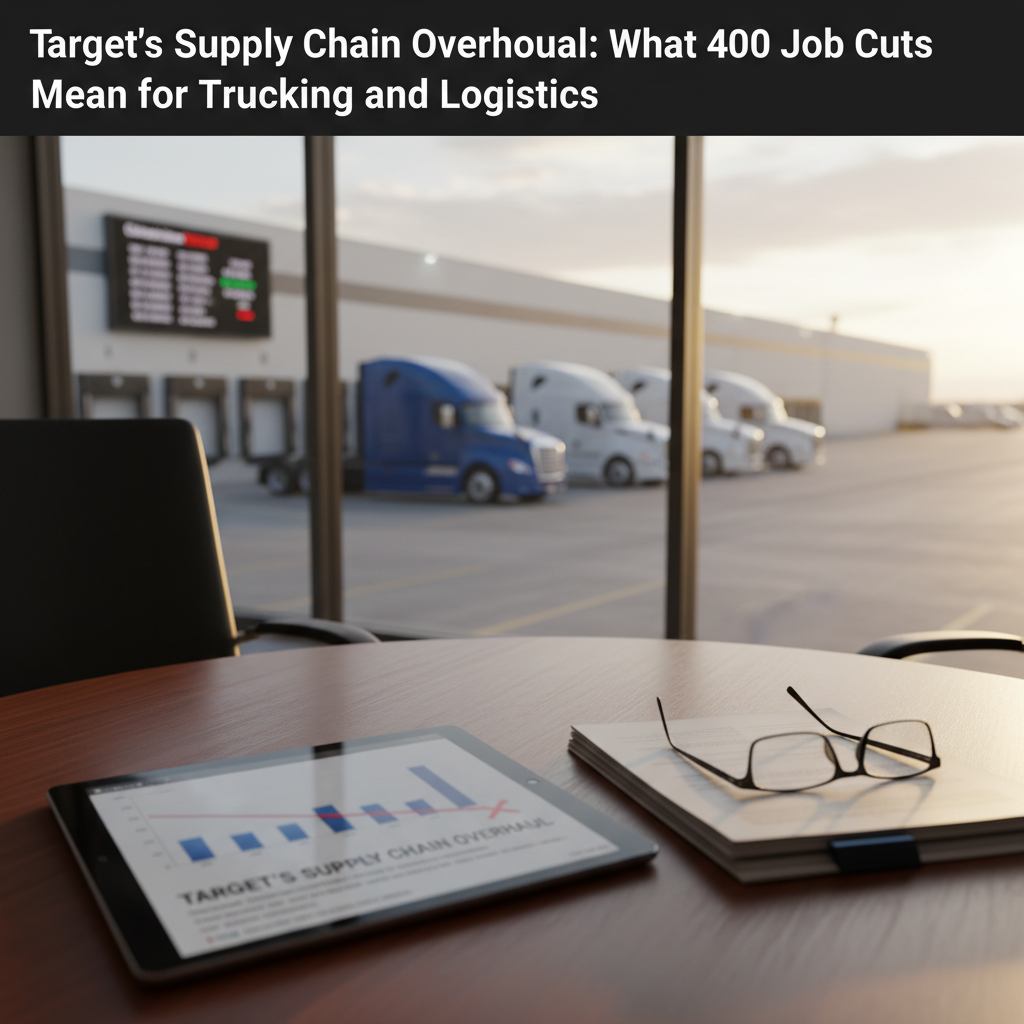
The retail giant Target recently announced a significant restructuring of its supply chain operations, including the elimination of approximately 400 roles within its logistics network. This move, part of a broader effort to streamline operations and enhance the in-store customer experience, sends ripples throughout the entire supply chain ecosystem, directly impacting the trucking industry and presenting both challenges and opportunities for CDL truck drivers and fleet managers.
At first glance, news of job cuts in any sector can be concerning. However, for those of us in the trucking and logistics world, it's crucial to look beyond the headlines and understand the underlying strategic shifts. Target's decision is not an isolated event but rather a symptom of larger trends in retail, consumer behavior, and supply chain management. These trends are constantly reshaping the demand for transportation services, the efficiency required from carriers, and the skills needed by professional drivers.
Understanding Target's Strategic Shift: A Deep Dive for Trucking Professionals
Target's new CEO, Michael Fiddelke, is spearheading this overhaul with a clear objective: to rejuvenate growth and improve the customer experience. The company aims to "streamline our field structure and better empower our store directors to meet guests’ needs," as stated in an internal memo. This strategy involves reallocating resources, with a specific focus on bolstering in-store staffing and improving merchandise availability. While 400 supply chain roles are being eliminated, the company plans to invest more heavily in its store-level workforce, emphasizing better customer service, reduced wait times, and improved in-stock rates.
For fleet managers, this signals a potential shift in how Target manages its inventory flow. If the goal is to enhance in-store availability, it could mean more frequent, smaller, and perhaps more time-sensitive deliveries to individual stores. This presents a challenge for optimizing routes and ensuring efficient last-mile delivery. It also underscores the importance of reliable, on-time service from trucking partners. Carriers that can adapt to these evolving demands, offering flexible scheduling and precision delivery, will likely be favored.
CDL drivers, particularly those on dedicated runs or frequently servicing Target distribution centers and stores, might notice changes in their daily operations. The emphasis on "in-stock availability" means that the pressure to deliver goods precisely when and where they're needed will intensify. This could translate into tighter delivery windows, increased scrutiny on delivery performance, and a greater need for drivers to be proficient in navigating diverse retail environments, from bustling urban centers to suburban shopping complexes. Professionalism, communication skills, and adherence to delivery protocols will become even more critical.
The Broader Context: Retail Evolution and Supply Chain Agility
Target's restructuring is a microcosm of a larger trend sweeping through the retail sector. E-commerce growth, coupled with evolving consumer expectations for instant gratification and seamless shopping experiences, is forcing retailers to rethink their entire supply chain architecture. The traditional model of large, infrequent shipments to regional distribution centers is giving way to more agile, responsive networks that can handle a mix of direct-to-consumer fulfillment and rapid store replenishment.
This shift demands greater agility from trucking companies. Fleet managers must invest in technology that provides real-time visibility into their operations, enabling them to respond quickly to changes in demand or delivery schedules. Route optimization software, telematics, and advanced dispatch systems are no longer luxuries but necessities for staying competitive. Furthermore, the ability to integrate seamlessly with retailer's logistics platforms will be a significant advantage.
For truck drivers, this means adapting to new technologies within their cabs and being comfortable with digital communication tools. Electronic logging devices (ELDs) are just the beginning; drivers may increasingly interact with smart docks, automated yard management systems, and sophisticated delivery apps. Continuous training and a willingness to embrace technological advancements will be key to long-term success in this evolving landscape.
Impact on Freight Volumes and Types
While 400 supply chain roles are being cut, it doesn't necessarily imply a reduction in overall freight volume for Target. Instead, it suggests a re-optimization of how that freight is managed and moved. The focus on improving in-store experience and sales could, in fact, lead to an increase in overall product movement as the company aims to stock shelves more efficiently and prevent lost sales due to out-of-stock items.
However, the type of freight and the frequency of shipments might change. We could see a move towards more less-than-truckload (LTL) shipments to stores, or a greater emphasis on cross-docking operations at distribution centers to facilitate faster replenishment. For trucking companies, this might mean diversifying their service offerings to include more LTL options, or strengthening their capabilities in final-mile delivery.
CDL drivers should be prepared for potential changes in load characteristics. This could involve handling more varied types of cargo on a single run, making more stops per day, or dealing with different types of loading and unloading procedures at various retail locations. Versatility and efficiency at the dock will be highly valued.
The Role of Technology and Data in the New Supply Chain
Target's restructuring, like many modern supply chain overhauls, is undoubtedly driven by a desire to leverage technology more efficiently. The goal is to use data analytics to predict demand more accurately, optimize inventory levels, and streamline the flow of goods from suppliers to store shelves.
For trucking companies, this translates into an increased need for data-driven decision-making. Fleet managers will need to analyze performance metrics like on-time delivery rates, dwell times, and fuel efficiency with greater precision. They'll also need to be able to share this data transparently with their retail partners, fostering a collaborative approach to supply chain management.
Drivers, too, will play a crucial role in data collection. Accurate ELD data, timely updates on delivery status, and meticulous record-keeping contribute to the overall efficiency of the supply chain. Understanding the importance of this data and consistently providing accurate information will be a significant aspect of a driver's contribution.
Actionable Takeaways for CDL Drivers
- Embrace Technology: Stay proficient with in-cab technology, navigation systems, and communication apps. Be open to learning new systems as they are introduced.
- Focus on Efficiency and Punctuality: Tighter delivery windows and increased pressure on in-stock availability mean that on-time performance is more critical than ever. Plan routes meticulously and manage your time effectively.
- Enhance Communication Skills: Clear and professional communication with dispatch, warehouse personnel, and store staff can prevent delays and resolve issues quickly.
- Adapt to Diverse Loads and Stops: Be prepared for varied cargo types, potentially more stops per route, and different loading/unloading procedures at retail locations.
- Professionalism at the Dock: Your conduct at delivery points reflects on your carrier. Maintain a professional demeanor, adhere to safety protocols, and be efficient during loading/unloading.
- Continuous Learning: The industry is constantly evolving. Stay informed about new regulations, best practices, and technological advancements.
Actionable Takeaways for Fleet Managers
- Invest in Agility and Flexibility: Develop a fleet that can handle a mix of full truckload (FTL) and LTL shipments, and be prepared to adapt to dynamic routing and scheduling changes.
- Leverage Advanced Technology: Implement sophisticated route optimization software, real-time tracking, telematics, and potentially AI-driven demand forecasting tools to enhance efficiency and visibility.
- Strengthen Driver Training and Support: Equip your drivers with the skills and tools they need to succeed in a more demanding environment, focusing on technology proficiency, communication, and efficiency.
- Optimize Dwell Times: Work closely with retail partners to minimize dwell times at distribution centers and stores. Long dwell times are a significant cost and efficiency drain.
- Focus on Data Analytics: Collect and analyze performance data rigorously. Use insights to identify bottlenecks, improve operational efficiency, and demonstrate value to your clients.
- Foster Strong Shipper Relationships: Proactive communication and collaboration with retail clients like Target will be crucial. Understand their evolving needs and position your services to meet them.
- Consider Dedicated Contracts: As retailers seek more reliable and integrated logistics solutions, dedicated contract services that offer predictability and specialized support may become more attractive.
- Diversify Service Offerings: Explore opportunities in last-mile delivery, cross-docking, and other value-added logistics services to cater to the changing retail landscape.
The Future Outlook for Trucking in Retail Logistics
Target's supply chain overhaul is a clear indicator that the retail sector is not standing still. The pressure to deliver goods faster, more efficiently, and with greater precision will only intensify. For the trucking industry, this means a continued evolution towards smarter, more integrated, and more responsive logistics solutions.
While job cuts in any sector can create uncertainty, Target's strategic move ultimately aims to strengthen its retail operations, which could lead to more stable and potentially increased freight volumes for its trucking partners in the long run. The key for CDL drivers and fleet managers will be adaptability, a commitment to efficiency, and a willingness to embrace the technological advancements that are reshaping modern supply chains.
Staying informed about these industry shifts, investing in the right technologies, and continuously developing professional skills will ensure that trucking professionals remain indispensable partners in the dynamic world of retail logistics. The demand for skilled CDL drivers and well-managed fleets will remain robust, but the nature of the work will continue to evolve, requiring a proactive and forward-thinking approach from everyone involved in moving the nation's goods.
Helpful Resources for CDL Drivers
Comments (0)
Sign in to join the conversation
Sign In to CommentNo comments yet. Be the first to share your thoughts!
Explore More
Driver Resources
Educational guides on CDL licensing, salary expectations, and route planning tips.
Browse CDL Jobs
Find your next driving opportunity. Search by location, route type, and CDL class.
CDL Salary Guide
Understand how pay varies by experience, route type, and location in the trucking industry.