
Tragedy on the Chesapeake Bay Bridge-Tunnel: A Deep Dive into Safety, Responsibility, and Driver Well-being
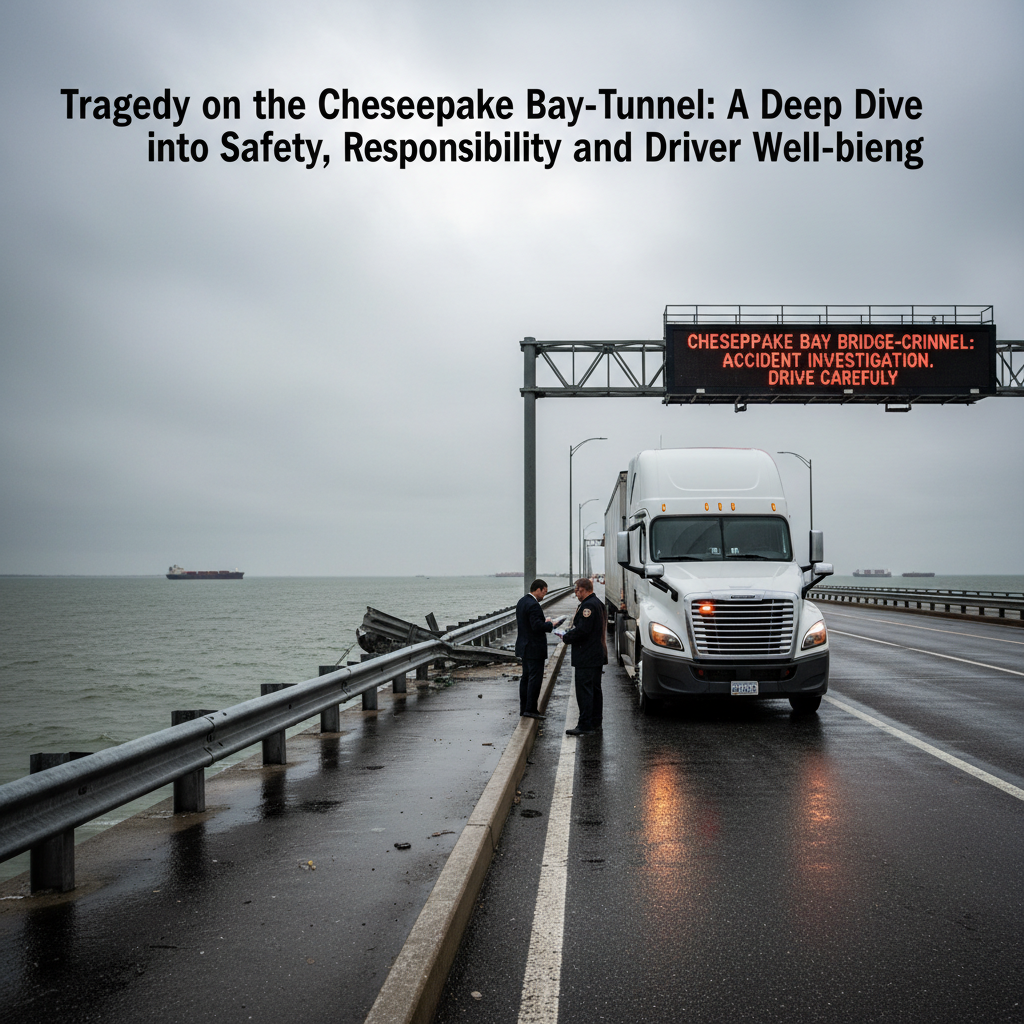
The trucking industry, while vital to the nation's economy, is not without its inherent risks. Every day, professional truck drivers navigate complex routes, challenging weather conditions, and demanding schedules, often putting their lives on the line to deliver essential goods. It is with profound sadness and a heavy heart that we address a recent tragic incident that underscores these perils: the loss of a Perdue Farms truck driver after his tractor-trailer veered off the Chesapeake Bay Bridge-Tunnel.
On a somber Sunday morning, February 15th, 2026, at approximately 6:30 a.m., near the North Channel Bridge on the southbound span, a tractor-trailer departed the roadway, crashing through the guardrail and plunging into the waters below. The incident immediately triggered an extensive search and rescue operation by the U.S. Coast Guard. While initial reports kept the identity and condition of the driver unknown, the trucking company, Perdue Farms, later confirmed the heartbreaking news: their driver was found deceased. This tragic event serves as a stark reminder of the critical importance of safety protocols, driver support, and continuous vigilance within our industry.
Understanding the Chesapeake Bay Bridge-Tunnel: A Unique Challenge for Truckers
The Chesapeake Bay Bridge-Tunnel (CBBT) is more than just a roadway; it's a monumental engineering marvel and a critical transportation artery connecting the Delmarva Peninsula to southeastern Virginia. Spanning over 17 miles, it comprises a series of low-level trestles, two one-mile-long tunnels, four man-made islands, and two high-level bridges. For many CDL drivers, traversing the CBBT is a regular part of their route, but it presents unique challenges that demand heightened awareness and specific driving skills.
Factors such as high winds, particularly during inclement weather, can significantly impact the stability of high-profile vehicles like tractor-trailers. The exposed nature of the bridge, combined with potentially strong crosswinds, necessitates reduced speeds and extreme caution. Furthermore, the transition between open bridge sections and enclosed tunnels requires drivers to quickly adapt to changes in light, sound, and spatial perception. The sheer length of the crossing can also contribute to driver fatigue if not properly managed, making it a stretch of road where even a momentary lapse in concentration can have catastrophic consequences.
The Immediate Aftermath and Industry Response
Following the accident, emergency crews swiftly responded, closing lanes of the bridge to facilitate the search and begin repairs to the damaged guardrail. While the lanes were reopened by 9:22 a.m., the impact of such an event extends far beyond traffic disruptions. The trucking company, Perdue Farms, issued a statement expressing their profound grief and offering condolences to the driver's family, friends, and loved ones. They emphasized the driver's valued contributions to their team and pledged full cooperation with authorities investigating the incident. This response highlights the human element at the core of our industry – every driver is a valued individual, and their loss is deeply felt across their organization and the broader trucking community.
Such incidents invariably trigger a comprehensive investigation by local and federal authorities. These investigations aim to determine the precise sequence of events leading to the accident, including factors such as vehicle condition, driver behavior, environmental conditions, and infrastructure integrity. For fleet managers, understanding the outcomes of these investigations is crucial for identifying potential systemic issues and implementing preventative measures to enhance safety across their operations.
A History of Incidents: Learning from the Past
Tragically, this is not the first time a tractor-trailer has gone off the Chesapeake Bay Bridge-Tunnel. A similar incident occurred in June 2023, when 36-year-old truck driver Christopher A. Scott lost his life after his vehicle hit a curb, blew a tire, and veered off the side of the bridge. These repeated incidents underscore the inherent dangers of this particular stretch of highway and prompt critical questions about infrastructure design, maintenance, and driver preparedness.
Each accident, while devastating, offers an opportunity for learning and improvement. By analyzing the contributing factors, whether they be mechanical failures, driver error, environmental conditions, or infrastructure limitations, the industry can work towards developing more robust safety protocols, advanced vehicle technologies, and enhanced driver training programs. For fleet managers, reviewing past incidents on challenging routes can inform route planning, driver assignments, and the implementation of specific safety briefings for high-risk areas.
Actionable Takeaways for CDL Drivers: Navigating High-Risk Routes Safely
For professional truck drivers, incidents like these serve as a stark reminder of the constant need for vigilance and adherence to best practices. When approaching challenging routes like the CBBT, consider the following:
- Pre-Trip Inspection (PTI) Diligence: A thorough PTI is non-negotiable. Pay extra attention to tire pressure and condition, brake functionality, steering components, and securement of cargo. Any mechanical issue, however minor, can be exacerbated on a demanding route.
- Weather Awareness: Always check weather forecasts before embarking on a trip, especially for routes known to be affected by wind or other severe conditions. High wind advisories on bridges and elevated roadways should be taken seriously. If conditions are unsafe, delay your trip or seek an alternative route.
- Speed Management: Adhere strictly to posted speed limits, and reduce speed further during adverse weather or high-wind conditions. Remember, the legal limit is often the maximum, not necessarily the safest, speed.
- Maintain Lane Discipline and Following Distance: Strong winds can cause sway, even in heavy vehicles. Maintain a firm grip on the steering wheel and be prepared for sudden gusts. Increase your following distance to allow more reaction time if unexpected events occur ahead.
- Fatigue Management: Long stretches of driving, especially on monotonous or demanding routes, can lead to fatigue. Ensure you are well-rested before starting your shift and take regular breaks as mandated by HOS regulations. Recognize the signs of fatigue and act on them promptly.
- Cargo Securement: Properly secured cargo is paramount. Shifting loads can destabilize a truck, particularly when encountering crosswinds or making sudden maneuvers. Double-check your securement before and during your trip.
- Familiarity with Route Specifics: If you're new to a route or it presents unique challenges, research it beforehand. Understand potential hazards, rest stops, and alternative routes. Many carriers provide route-specific training or advisories for such areas.
- Communication: If you encounter dangerous conditions or notice infrastructure issues, communicate them immediately to your dispatcher or relevant authorities. Your observations can prevent future incidents.
Guidance for Fleet Managers: Enhancing Safety and Driver Support
Fleet managers play a pivotal role in fostering a culture of safety and supporting their drivers. This tragic event should prompt a review of existing policies and practices:
- Route-Specific Training and Briefings: Develop and implement mandatory training modules or briefings for drivers assigned to high-risk routes like the CBBT. This should cover specific hazards, recommended driving techniques, and emergency procedures.
- Advanced Telematics and Monitoring: Utilize telematics systems to monitor driver behavior (e.g., speeding, harsh braking) and vehicle performance. This data can identify drivers who may need additional training or support, and can also provide crucial information in the event of an accident.
- Vehicle Maintenance and Inspection: Implement stringent preventative maintenance schedules. Ensure that all vehicles, especially those regularly traversing challenging routes, are in optimal mechanical condition. Emphasize the importance of pre-trip and post-trip inspections to drivers.
- Fatigue Management Programs: Go beyond basic HOS compliance. Implement comprehensive fatigue management programs that include education on sleep hygiene, recognition of fatigue symptoms, and flexible scheduling where possible to mitigate risks.
- Emergency Response Planning: Have clear, well-communicated emergency response plans in place for accidents. Ensure drivers know who to contact and what steps to take. For fleet managers, this includes coordinating with local emergency services and providing support to affected drivers and their families.
- Driver Well-being and Mental Health Support: The demands of trucking can take a toll. Provide resources and support for driver well-being, including access to mental health services. A driver's state of mind can significantly impact their safety on the road.
- Reviewing Infrastructure and Advocacy: Collaborate with transportation authorities to advocate for infrastructure improvements, such as stronger guardrails, better signage, or wind warning systems on high-risk bridges. Share insights from your fleet's experiences to contribute to broader safety initiatives.
- Post-Incident Support: In the unfortunate event of an accident, provide immediate and ongoing support to the driver's family, as well as to other drivers within the fleet who may be affected by the news. Compassion and support are crucial during such difficult times.
The Road Ahead: A Collective Commitment to Safety
The loss of a fellow truck driver is a profound tragedy that resonates throughout the entire trucking community. It serves as a powerful and painful reminder that safety must always be the paramount concern for every individual and organization involved in this industry. From the driver behind the wheel to the fleet manager overseeing operations, and from vehicle manufacturers to infrastructure planners, each plays a critical role in preventing future incidents.
As the investigation into this specific incident continues, our thoughts remain with the family and colleagues of the deceased driver. Let this tragedy reinforce our collective commitment to fostering an environment where every truck driver can complete their journey safely, returning home to their loved ones. By continuously learning, adapting, and prioritizing safety above all else, we can work towards making our roads, and particularly challenging routes like the Chesapeake Bay Bridge-Tunnel, safer for everyone.
Helpful Resources for CDL Drivers
Comments (0)
Sign in to join the conversation
Sign In to CommentNo comments yet. Be the first to share your thoughts!
Explore More
Driver Resources
Educational guides on CDL licensing, salary expectations, and route planning tips.
Browse CDL Jobs
Find your next driving opportunity. Search by location, route type, and CDL class.
CDL Salary Guide
Understand how pay varies by experience, route type, and location in the trucking industry.