
Unpacking Critical Safety Violations: A Deep Dive for CDL Drivers and Fleet Managers
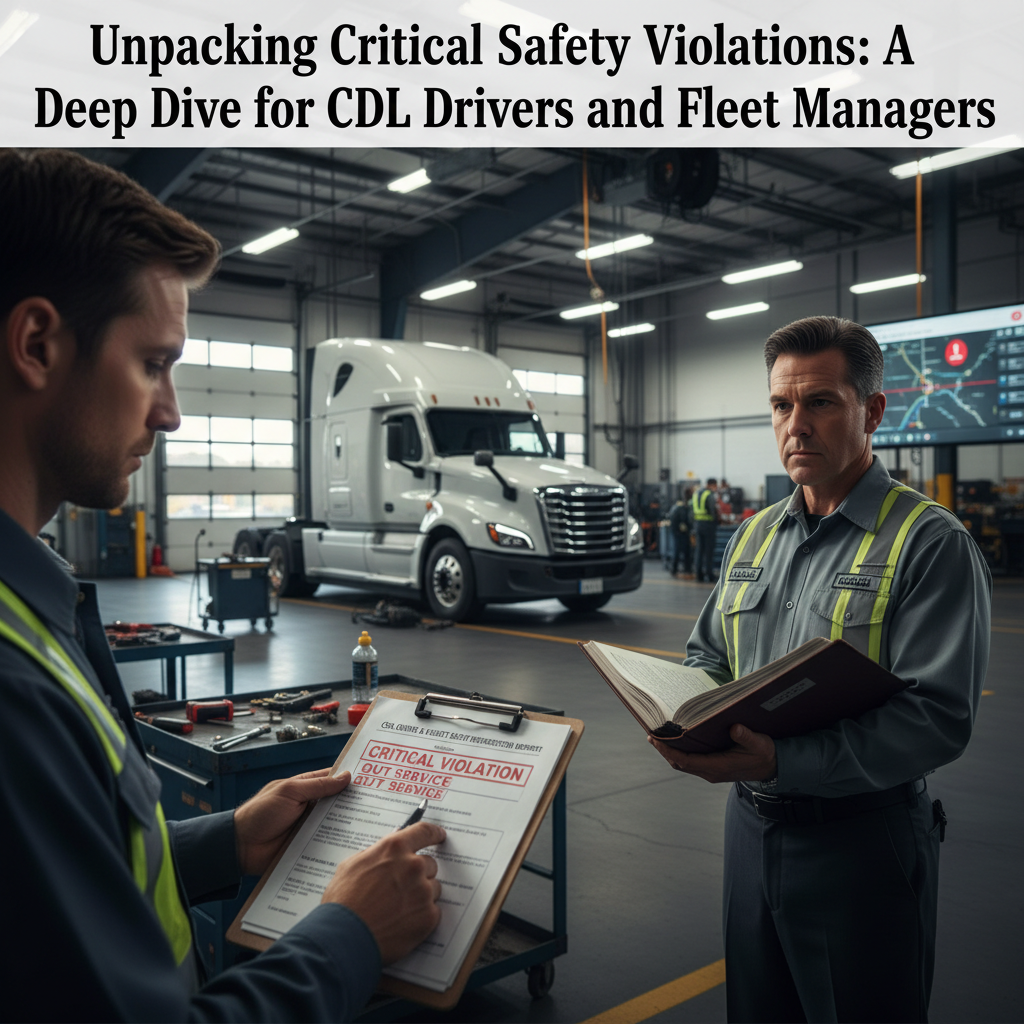
The wheels of commerce keep our nation moving, and at the heart of this vital network are commercial truck drivers and the fleets they operate. Ensuring the safety and roadworthiness of these heavy-duty vehicles is not just a regulatory requirement; it's a moral imperative that protects drivers, other motorists, and the integrity of the entire supply chain. Recently, the Tennessee Highway Patrol (THP) provided a stark reminder of this commitment when a routine commercial vehicle inspection uncovered a litany of critical safety violations, leading to an immediate out-of-service order. This incident serves as a powerful case study for every CDL professional and fleet manager, highlighting the crucial importance of pre-trip inspections, ongoing maintenance, and a proactive safety culture.
The incident, which occurred on March 23, 2026, involved a Level I inspection conducted by a Motor Carrier Plus East Region Trooper. A Level I inspection is the most comprehensive roadside inspection, involving an examination of the driver's license, medical examiner's certificate, hours-of-service documentation, vehicle registration, and a thorough check of the vehicle's components. What the trooper discovered during this detailed examination was deeply concerning, revealing multiple defects that collectively posed a significant risk to public safety. These findings underscore why such vigilance from law enforcement is essential and why every driver and fleet must prioritize vehicle integrity.
The Anatomy of an Out-of-Service Order: Understanding the Critical Defects
When a commercial vehicle is placed out-of-service, it means that the vehicle, and sometimes the driver, is deemed unsafe to operate until the identified violations are corrected. In this particular case, the THP trooper identified several severe equipment defects that collectively warranted the immediate removal of the trailer from service. Understanding these specific issues can help drivers and fleet managers identify similar problems before they escalate into dangerous situations or lead to costly penalties.
One of the primary issues discovered was a deflated air suspension on the trailer. Air suspension systems are critical for maintaining proper ride height, distributing weight evenly, and providing stability, especially for sensitive cargo. A deflated system can lead to improper weight distribution, increased tire wear, reduced braking efficiency, and a significant loss of vehicle control, particularly on uneven terrain or during emergency maneuvers. For drivers, this can mean a rougher ride, difficulty handling, and potential damage to cargo. For fleet managers, it points to a failure in routine checks or a delayed response to maintenance issues.
Accompanying the suspension problem were audible air leaks. Specifically, the trooper noted an audible air leak at the glad hand connection fitting and another on axle 2's driver-side brake chamber. Air leaks in the braking system are incredibly dangerous. The air brake system relies on compressed air to operate the brakes. Even a small leak can lead to a gradual loss of air pressure, which can compromise braking performance, increase stopping distances, and in severe cases, lead to a complete loss of braking capability. Glad hand leaks can also indicate issues with the connection to the trailer, potentially leading to trailer breakaway or loss of trailer brakes. These are not minor issues; they are direct threats to the vehicle's ability to stop safely.
Further compounding the safety concerns was the discovery that the air reservoir had separated from its mounting point. The air reservoir stores compressed air for the brake system and other air-powered components. If it's not securely mounted, it can shift, become damaged, or even detach during transit, leading to a rapid loss of air pressure and catastrophic brake failure. This type of defect suggests a significant structural issue or a lack of proper inspection and maintenance of mounting hardware. For drivers, this is a ticking time bomb, and for maintenance teams, it's a clear indicator that structural integrity checks need to be more rigorous.
Finally, the inspection revealed a leaking differential. The differential is a crucial component in the drivetrain, allowing wheels to turn at different speeds while cornering. A leaking differential indicates a seal failure or damage, which can lead to insufficient lubrication, overheating, and eventual differential failure. While not as immediately catastrophic as brake failure, a failing differential can seize up, causing a loss of power, damage to the transmission, and potentially leading to a loss of control or a breakdown on the highway. This issue, while often subtle, can be detected through routine fluid level checks and visual inspections for leaks.
The Ripple Effect: Why These Violations Matter to Drivers and Fleets
For CDL drivers, encountering such critical violations during a roadside inspection means more than just a delay. An out-of-service order can result in significant downtime, impacting delivery schedules, personal earnings, and potentially leading to fines or points on their CSA (Compliance, Safety, Accountability) score. A poor CSA score can affect a driver's insurability and employment opportunities. More importantly, driving a vehicle with these defects puts the driver's life and the lives of others at extreme risk. A driver is the last line of defense, and their pre-trip inspection is paramount.
Fleet managers bear an even broader responsibility. The consequences of critical safety violations extend to the entire operation. An out-of-service order impacts fleet efficiency, customer satisfaction, and profitability. Repeated violations can lead to increased scrutiny from regulatory bodies, higher insurance premiums, and a damaged company reputation. Furthermore, a fleet's overall safety rating (SMS scores) can be negatively affected, potentially leading to more frequent and intensive inspections. Ultimately, a fleet's commitment to safety directly correlates with its operational success and longevity. Investing in robust maintenance programs, comprehensive driver training, and a culture of proactive safety checks isn't an expense; it's an investment in the business's future.
Proactive Measures: Actionable Advice for CDL Drivers
Your pre-trip inspection isn't just a formality; it's a life-saving routine. Before you even turn the key, walk around your vehicle with purpose. Check for:
- Air System Integrity: Listen for air leaks around glad hands, brake chambers, air tanks, and lines. Check your air pressure gauges. Ensure your air compressor builds pressure correctly and that your low air warning system functions. Remember the 'seven-step' air brake check: check for air loss with the engine off and brakes applied, test your parking brake, and test your service brakes.
- Suspension System: Visually inspect air bags for deflation, cracks, or damage. Look for broken springs, loose U-bolts, or damaged shock absorbers. Ensure all suspension components are securely mounted.
- Fluid Leaks: Walk around the entire vehicle, looking for any signs of fluid leaks – oil, coolant, hydraulic fluid, or differential fluid. A small drip can indicate a larger problem brewing.
- Mounting Points: Pay close attention to how components like air tanks, batteries, and fifth wheels are mounted. Loose or corroded mounting hardware can lead to catastrophic failures.
- Tires and Wheels: Check tire pressure, tread depth, and for any signs of damage or uneven wear. Inspect wheel fasteners for looseness or cracks.
Beyond the pre-trip, perform en-route checks during fuel stops or rest breaks. If you notice any unusual sounds, smells, or changes in vehicle handling, investigate immediately. Don't assume a minor issue will fix itself or can wait until the next maintenance stop. Report any defects to your fleet maintenance team promptly and accurately.
Strategic Imperatives: What Fleet Managers Must Implement
For fleet managers, preventing these types of violations requires a multi-faceted approach centered on robust maintenance, continuous training, and a strong safety culture:
- Comprehensive Preventative Maintenance (PM) Programs: Implement a rigorous PM schedule that goes beyond basic oil changes. This includes regular inspections of air systems, suspension components, drivetrain, and structural integrity. Utilize diagnostic tools and technology to monitor vehicle health proactively.
- Advanced Driver Training: Don't just train drivers on how to operate the vehicle, but also on the intricacies of thorough pre-trip and post-trip inspections. Emphasize the importance of identifying and reporting even minor defects. Consider refresher courses on air brake systems and vehicle component knowledge.
- Technology Integration: Leverage telematics and vehicle health monitoring systems to track critical parameters like tire pressure, brake performance, and engine diagnostics. These systems can provide early warnings of potential issues, allowing for proactive maintenance before a roadside inspection or, worse, a breakdown occurs.
- Clear Communication Channels: Establish clear and efficient channels for drivers to report defects to maintenance teams. Ensure that reported issues are addressed promptly and that drivers are informed of the resolution. A breakdown in communication can lead to overlooked problems.
- Culture of Accountability: Foster an environment where safety is everyone's responsibility. Recognize and reward drivers who consistently maintain their vehicles and report issues. Hold maintenance teams accountable for the quality and timeliness of repairs. Regularly review inspection reports and maintenance logs to identify trends and areas for improvement.
- Regular Audits and Spot Checks: Conduct internal audits and spot checks of vehicles, mimicking roadside inspections, to ensure compliance and identify any gaps in maintenance or driver inspection practices.
The Broader Impact: Keeping Tennessee's Roadways Safe
As the THP rightly stated, "Routine inspections like this help prevent potential crashes and mechanical failures, keeping Tennessee’s roadways safe for everyone." This sentiment resonates across every state and jurisdiction. The vigilance of law enforcement, combined with the dedication of CDL drivers and the commitment of fleet managers, forms a critical triumvirate in maintaining road safety. Every out-of-service order, while inconvenient, is a testament to a system designed to prevent far more tragic outcomes.
In an industry where time is money, it's easy to view maintenance and inspections as delays. However, the cost of neglect far outweighs the cost of prevention. A serious accident can lead to fatalities, severe injuries, massive legal liabilities, environmental damage, and irreparable harm to a company's reputation. Investing in safety is not merely about compliance; it's about protecting lives, livelihoods, and the future of the trucking industry.
Conclusion: A Shared Responsibility for a Safer Road Ahead
The incident in Tennessee serves as a crucial reminder that the pursuit of safety in commercial trucking is an ongoing, collaborative effort. For CDL drivers, it means embracing the responsibility of being the first line of defense, conducting thorough inspections, and never compromising on vehicle integrity. For fleet managers, it means investing in robust maintenance programs, fostering a culture of safety, and empowering their teams with the knowledge and tools to keep their assets roadworthy. By understanding the specific dangers highlighted by this inspection and implementing proactive measures, the trucking industry can continue to deliver essential goods safely and efficiently, ensuring that every journey ends as it began – without incident.
Helpful Resources for CDL Drivers
Comments (0)
Sign in to join the conversation
Sign In to CommentNo comments yet. Be the first to share your thoughts!
Explore More
Driver Resources
Educational guides on CDL licensing, salary expectations, and route planning tips.
Browse CDL Jobs
Find your next driving opportunity. Search by location, route type, and CDL class.
CDL Salary Guide
Understand how pay varies by experience, route type, and location in the trucking industry.