Unpacking the First Brands Fraud: What Truckers and Fleet Managers Need to Know About Financial Integrity in the Supply Chain
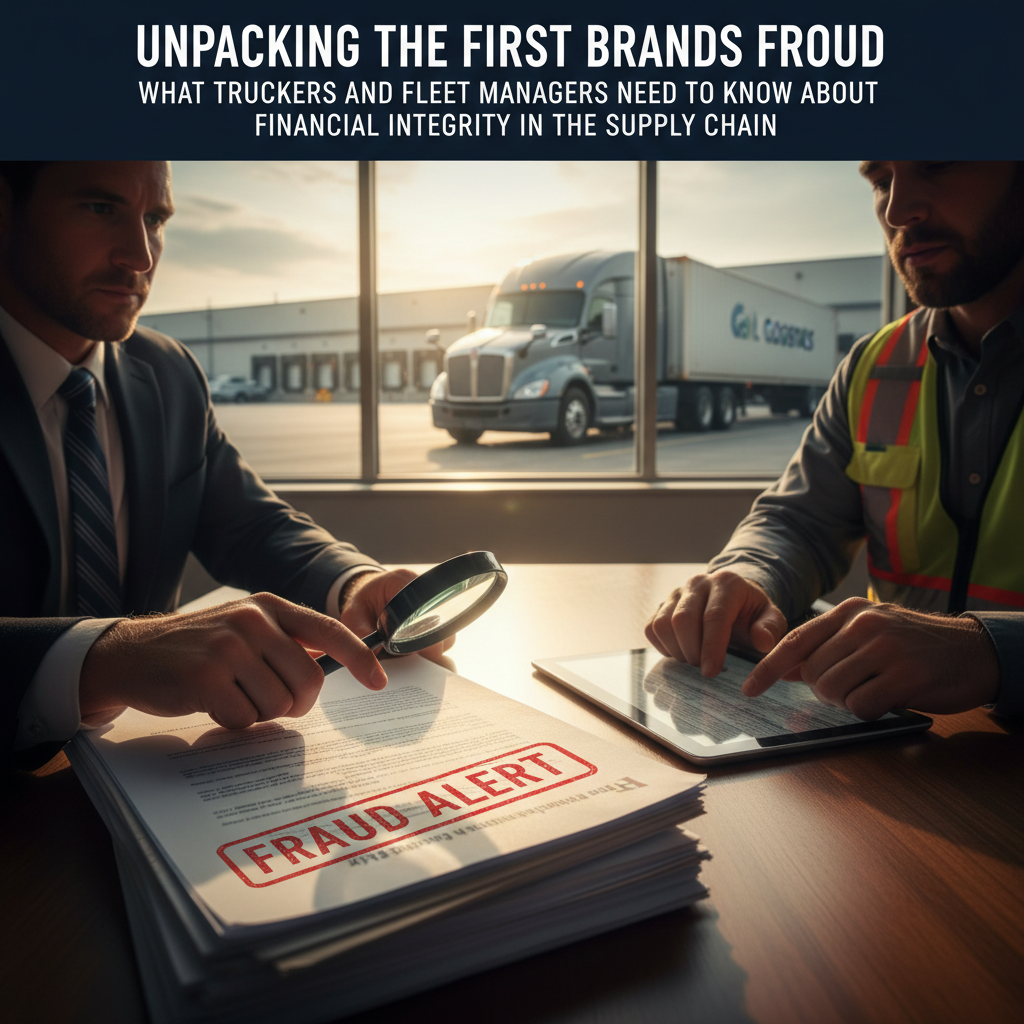
The trucking industry, the backbone of the American economy, relies heavily on trust, transparency, and robust supply chains. When financial integrity is compromised within any part of this intricate network, the ripple effects can be far-reaching, impacting everything from parts availability to operational costs. A recent case involving First Brands Group, an automotive parts supplier, has brought these concerns to the forefront, revealing a sophisticated financial fraud scheme that has implications for every CDL truck driver and fleet manager navigating the complexities of modern logistics.
At the heart of the matter is Peter Andrew Brumbergs, a former senior vice president of finance at First Brands. He recently pleaded guilty to a series of fraud charges, admitting to falsifying financial statements, inflating invoices, and double-pledging collateral to secure billions of dollars in financing. This wasn't a small-scale operation; prosecutors allege that investors, including major financial institutions like Jefferies Financial Group, bought approximately $715 million in receivables that were either entirely faked or significantly inflated. The sheer scale of this alleged deception underscores the critical importance of due diligence and ethical conduct across the entire supply chain, from manufacturing to the final delivery by a professional truck driver.
The Anatomy of a Financial Deception: How the Scheme Unfolded
Brumbergs's guilty plea, detailed in a recently unsealed transcript, paints a picture of deliberate and systematic financial manipulation. According to his statements, he conspired with others between 2018 and 2025 to present a misleading financial picture of First Brands. This involved making accounting adjustments that misstated the company's true financial health and operational results. For fleet managers who rely on stable, trustworthy suppliers for everything from engine components to brake pads, such revelations can be deeply unsettling. The financial stability of a supplier directly impacts their ability to produce, innovate, and maintain fair pricing.
One of the most concerning aspects of the fraud was the falsification of balance sheets. Brumbergs admitted to misrepresenting the nature and existence of inventory and equipment that had been pledged or sold as collateral. Furthermore, First Brands allegedly failed to disclose to some lenders that the same collateral had already been pledged to other financial institutions. This practice, known as 'double-pledging,' is a serious breach of financial trust and can lead to significant losses for lenders. For the trucking industry, where equipment financing is a constant, understanding the financial health and ethical practices of partners is paramount.
Between 2020 and 2025, Brumbergs also reported false accounts payable levels to supply chain financiers, including banks. He acknowledged that many of the supply invoices were fraudulent, directly impacting the financial statements provided to these lenders. This intricate web of deceit highlights how a lack of transparency at one point in the supply chain can create a domino effect, potentially destabilizing operations for others down the line. For CDL drivers, this might not immediately translate to a direct impact on their daily routes, but it contributes to the overall volatility and risk within the industry they operate in.
The Broader Impact on the Trucking Ecosystem
While First Brands is an auto parts supplier, not a trucking company, the implications of this fraud resonate deeply within the commercial transportation sector. Fleet managers are constantly evaluating suppliers based on reliability, quality, and cost-effectiveness. A company engaged in such widespread financial deception can undermine trust across the entire ecosystem. If a major supplier's financial stability is built on a house of cards, it can lead to:
- Supply Chain Disruptions: A company facing financial collapse due to fraud might suddenly be unable to fulfill orders, leading to delays in parts delivery. For a fleet, even a short delay in receiving a critical component can mean a truck is sidelined, losing revenue and impacting delivery schedules.
- Increased Costs: When suppliers are unstable, the market can become more volatile. Fleet managers might face sudden price increases or have to seek out new, potentially more expensive, suppliers on short notice.
- Erosion of Trust: The trucking industry thrives on relationships. Incidents like this can make fleet managers more cautious, leading to increased scrutiny of all partners, which, while necessary, can also slow down business processes.
- Regulatory Scrutiny: High-profile fraud cases often lead to increased regulatory oversight across related industries. While aimed at preventing future fraud, this can sometimes add administrative burdens to legitimate businesses.
For individual CDL truck drivers, while they might not be directly involved in procurement, they are the ones who bear the brunt of operational inefficiencies. A truck waiting for parts is a truck not earning money, and that can impact driver pay, bonuses, and overall job satisfaction. Understanding the broader economic landscape, including such fraud cases, helps drivers appreciate the challenges fleet managers face in keeping their operations running smoothly.
Lessons for Fleet Managers: Safeguarding Your Operations
This case serves as a stark reminder for fleet managers to reinforce their strategies for supplier evaluation and risk management. Here are some actionable takeaways:
- Diversify Your Supplier Base: Relying too heavily on a single supplier, even for seemingly minor components, can expose your fleet to significant risk if that supplier faces financial distress or operational issues. Cultivate relationships with multiple reputable vendors for critical parts and services.
- Conduct Thorough Due Diligence: Go beyond surface-level evaluations. Request financial statements, credit reports, and references. For larger contracts, consider independent third-party assessments of a supplier's financial health. Look for red flags like inconsistent reporting, frequent changes in accounting practices, or an unwillingness to share financial data.
- Establish Clear Contractual Agreements: Ensure your contracts with suppliers include clauses related to financial transparency, audit rights, and penalties for non-compliance or fraudulent activity. Clearly define service level agreements (SLAs) and expectations for product quality and delivery.
- Monitor Industry News and Trends: Stay informed about financial challenges or legal issues affecting key suppliers or the broader automotive parts industry. Publications like Transport Topics and industry associations are invaluable resources for this intelligence.
- Build Strong Relationships with Reputable Partners: Prioritize working with suppliers who have a long-standing reputation for integrity and reliability. While cost is always a factor, the cheapest option isn't always the best if it comes with hidden risks.
- Internal Controls and Audits: For larger fleets, periodically review your own procurement processes and internal controls to prevent internal fraud or collusion with external parties. Regular audits can help identify discrepancies early.
The Role of Transparency in the Digital Age
The digital transformation of the trucking industry, including the adoption of telematics, electronic logging devices (ELDs), and advanced fleet management software, has brought unprecedented levels of data and transparency to operations. This same principle of transparency needs to extend to financial dealings throughout the supply chain. Blockchain technology, for instance, is being explored in various industries to create immutable records of transactions, which could significantly reduce the opportunities for the type of financial fraud seen in the First Brands case.
While such technologies are still evolving for widespread adoption in every facet of the supply chain, the underlying principle remains: the more verifiable and transparent financial transactions are, the less room there is for deception. Fleet managers should advocate for and adopt systems that promote greater visibility into their financial interactions with suppliers and customers.
For CDL Drivers: Your Role in the Bigger Picture
While drivers are not directly involved in the financial dealings of parts suppliers, understanding these broader industry dynamics is crucial. A financially stable and ethically sound supply chain means:
- Reliable Equipment: Your truck is more likely to be well-maintained with quality parts, reducing breakdowns and increasing safety.
- Consistent Work: A healthy fleet operation, supported by reliable suppliers, means more consistent loads and fewer unexpected delays.
- Job Security: A financially sound trucking company, operating within a transparent ecosystem, is better positioned for long-term growth and stability, which translates to greater job security for its drivers.
Drivers can also contribute by reporting any suspicious activities related to parts quality, availability, or pricing to their fleet managers. While it might seem like a small detail, a pattern of issues could sometimes point to deeper problems within the supply chain that management needs to address.
The Ongoing Legal Battle and Its Implications
The First Brands case is far from over. Peter Andrew Brumbergs is cooperating with prosecutors and is expected to testify against the company's founders, Patrick and Edward James, who have pleaded not guilty. The outcome of this trial will likely set precedents and send a strong message about accountability in corporate finance. For the trucking industry, it's a reminder that integrity is not just a moral imperative but a fundamental requirement for sustainable business operations.
The trucking industry is resilient, constantly adapting to challenges. By learning from cases like the First Brands fraud, fleet managers and CDL drivers alike can strengthen their understanding of financial risks, advocate for greater transparency, and contribute to building an even more robust and trustworthy supply chain. The road ahead demands vigilance, but with informed decision-making and a commitment to ethical practices, the industry can continue to thrive, delivering goods efficiently and reliably across the nation.
Helpful Resources for CDL Drivers
Comments (0)
Sign in to join the conversation
Sign In to CommentNo comments yet. Be the first to share your thoughts!
Explore More
Driver Resources
Educational guides on CDL licensing, salary expectations, and route planning tips.
Browse CDL Jobs
Find your next driving opportunity. Search by location, route type, and CDL class.
CDL Salary Guide
Understand how pay varies by experience, route type, and location in the trucking industry.