Unpacking the Multi-State Diesel Fuel Theft: What Truckers and Fleet Managers Need to Know About Protecting Their Operations
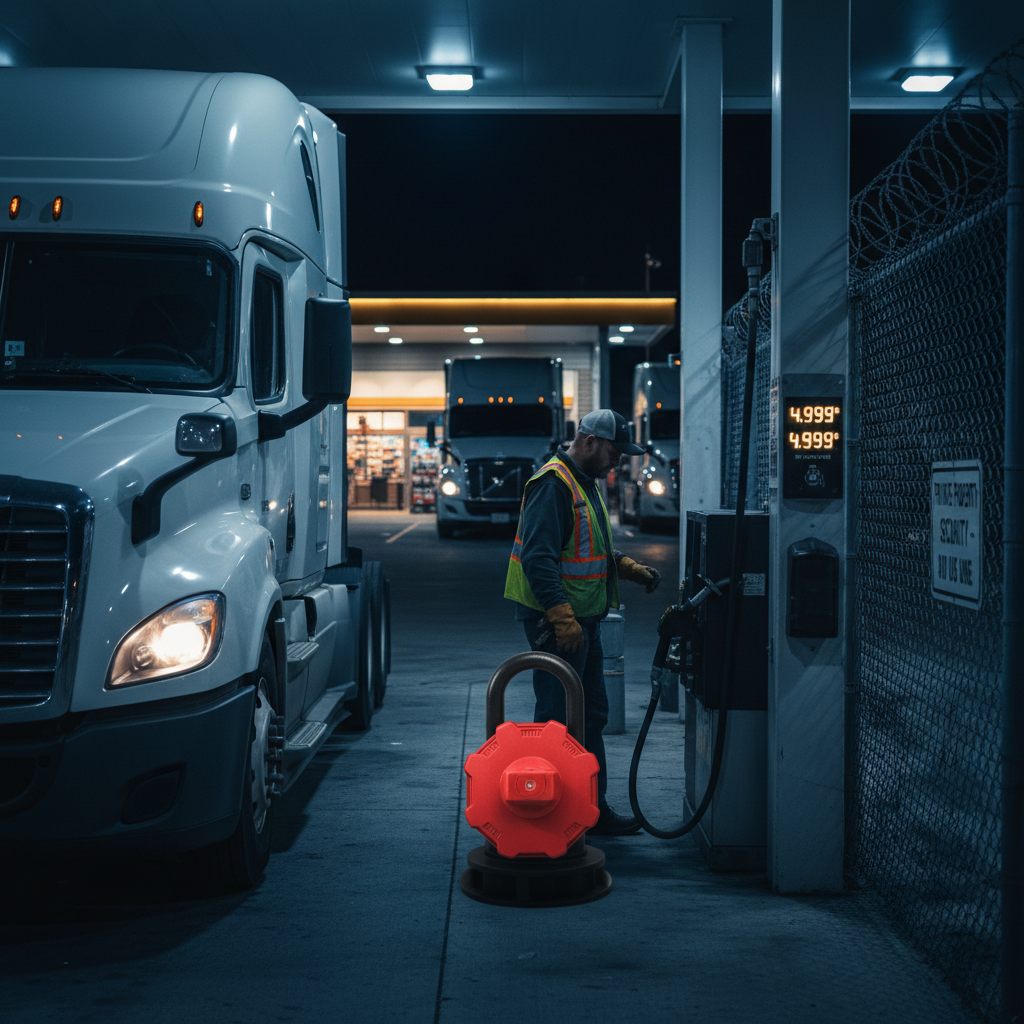
The wheels of commerce in the trucking industry are powered by diesel, making it an indispensable and valuable commodity. However, this very value also makes diesel fuel a prime target for illicit activities. Recently, a significant arrest in Alabama has brought to light a sophisticated multi-state diesel fuel theft operation, sending ripples of concern through the trucking community. This incident serves as a stark reminder of the vulnerabilities within our fuel supply chain and underscores the critical need for vigilance among CDL truck drivers and fleet managers.
On February 2, 2026, a routine traffic stop by a DeKalb County Sheriff’s Office (DCSO) deputy on Highway 117 in Mentone, Alabama, unveiled a much larger criminal enterprise. At approximately 2:20 a.m., a U-Haul van caught the deputy’s attention. Upon stopping the vehicle, the deputy discovered large, improperly stowed tanks in the rear of the van, containing an estimated 600 gallons of diesel fuel. The driver, Michel Alvarez, 42, of Los Angeles, California, lacked the essential CDL and required documentation for transporting Motor Vehicle Fuel in Alabama, immediately raising red flags.
Further investigation by DCSO, assisted by multiple agencies including the Dekalb County Drugs and Major Crimes Unit, Mentone Police Department, the Alabama Law Enforcement Agency, and the Federal Bureau of Investigation, revealed the true scope of Alvarez’s activities. A search of the U-Haul uncovered a bag containing electrical switches, wiring, remotes, and battery packs – tools consistent with bypassing fuel pump security systems. Investigators quickly determined that Alvarez was allegedly orchestrating a widespread diesel fuel theft scheme, illegally manipulating pumps at truck stops across the country. His modus operandi involved traveling from New Jersey down the East Coast, gaining unauthorized access to an unknown number of diesel fuel pumps to dispense fuel without payment.
Alvarez was subsequently arrested and charged with Felony Unlawful Motor Vehicle Fuel Transport, Receiving Stolen Property 1st, and Possession of Burglary Tools. The Department of Homeland Security has also been notified and is actively assisting in the ongoing investigation. This incident highlights a growing threat to the trucking industry, impacting not only truck stop operators but also potentially contributing to higher fuel costs and operational challenges for legitimate carriers.
The Anatomy of Fuel Theft: How Thieves Target Diesel Pumps
Understanding how these sophisticated fuel theft operations work is the first step in prevention. The case of Michel Alvarez illustrates a method that goes beyond simply siphoning fuel from parked trucks. This operation involved “hijacking” diesel pumps, suggesting the use of electronic bypass devices or other technological means to trick the pump into dispensing fuel without authorization or payment. These devices can range from simple wiring modifications to more complex electronic spoofing tools that mimic legitimate payment signals.
Thieves often target truck stops during off-peak hours, typically late at night or early morning, when staff presence is minimal and surveillance might be less scrutinized. They may use rental vehicles like U-Hauls, which are less conspicuous than commercial tankers, to transport the stolen fuel. The fuel is then often resold on the black market at a discounted rate, creating an unfair competitive advantage for illicit operators and directly impacting the profitability of legitimate businesses.
For CDL drivers, encountering such activity can be unsettling. While drivers are not expected to be security personnel, being aware of unusual behavior at fuel islands can be beneficial. For fleet managers, understanding these methods is crucial for implementing robust preventative measures and protecting their assets.
The Broader Impact on the Trucking Industry
Diesel fuel theft, whether through pump manipulation or direct siphoning from vehicles, has far-reaching consequences for the trucking industry. The most immediate impact is financial. Truck stops lose revenue, leading to potential price increases for legitimate customers to offset losses. For trucking companies, stolen fuel translates directly to lost profits and increased operational costs. If a company’s own fuel is targeted, it can disrupt delivery schedules, incur unplanned expenses for replacement fuel, and even lead to vehicle downtime.
Beyond the direct financial hit, there are significant safety and regulatory concerns. Transporting large quantities of fuel in unapproved containers, as seen in the Alabama case, poses extreme fire and explosion risks. These makeshift setups often lack proper ventilation, grounding, and spill containment, endangering not only the perpetrators but also innocent bystanders and the environment. Furthermore, the lack of proper documentation and CDL endorsement for hazardous materials transport is a serious regulatory violation, which, if overlooked, could have catastrophic consequences.
For CDL drivers, this type of crime can lead to increased scrutiny at truck stops and weigh stations. Law enforcement agencies are likely to heighten their vigilance, potentially leading to more frequent inspections and delays for all drivers, even those operating legitimately. The overall integrity and reputation of the trucking industry can also suffer when such large-scale criminal operations come to light.
Actionable Strategies for CDL Drivers: Your Role in Prevention
CDL drivers are the eyes and ears of the trucking industry, often the first to notice suspicious activities at truck stops and fueling stations. While your primary focus is on safe and timely delivery, a heightened sense of awareness can play a crucial role in deterring fuel theft.
- Be Observant at the Pump: Pay attention to vehicles that seem out of place, especially rental vans or unmarked trucks lingering around fuel islands for extended periods without apparent reason. Look for individuals who appear to be tampering with pumps or using unusual equipment. If you see someone using a device that doesn't look like a standard payment method or if they are spending an excessive amount of time at the pump without actually fueling a commercial vehicle, these could be red flags.
- Report Suspicious Activity: If you witness anything suspicious, do not confront individuals directly. Instead, immediately report it to truck stop staff, management, or local law enforcement. Provide as many details as possible, including vehicle descriptions (make, model, license plate), driver appearance, and the nature of the suspicious activity. Many truck stops have security hotlines or direct lines to local police.
- Secure Your Own Fuel: While the Alabama case focused on pump hijacking, siphoning fuel from parked trucks remains a threat. Always lock your fuel caps, especially when parked overnight or in unsecured areas. Consider installing anti-siphon devices on your fuel tanks, which are relatively inexpensive and can deter opportunistic thieves. Parking in well-lit, high-traffic areas or designated secure truck parking facilities can also reduce your risk.
- Maintain Situational Awareness: When fueling, be aware of your surroundings. Avoid distractions like phone calls or excessive scrolling. A focused driver is less likely to miss something out of the ordinary.
- Stay Informed: Keep up-to-date with industry news and security alerts regarding fuel theft trends. Knowledge is a powerful tool in prevention.
Proactive Measures for Fleet Managers: Safeguarding Your Assets
Fleet managers bear the responsibility of protecting their company's assets, including fuel. Implementing a multi-layered security strategy is essential to mitigate the risks associated with fuel theft.
- Invest in Advanced Fuel Management Systems: Modern fuel management systems offer real-time tracking of fuel consumption, allowing managers to monitor discrepancies between purchased fuel and actual usage. Telematics systems can provide data on fuel levels, mileage, and even detect sudden drops in fuel, indicating potential theft. Integrating these systems with driver ID and vehicle ID authentication at the pump can ensure that only authorized vehicles and personnel are fueling.
- Implement Robust Fuel Card Policies: Strict fuel card policies are paramount. Assign individual fuel cards to drivers and set daily or per-transaction limits. Monitor fuel card usage closely for unusual patterns, such as excessive fueling, fueling at unauthorized locations, or multiple transactions in a short period. Require receipts for all fuel purchases and reconcile them regularly against telematics data.
- Enhance Vehicle Security: Equip fleet vehicles with locking fuel caps and consider installing anti-siphon devices as standard equipment. For stationary vehicles or those parked overnight, ensure they are in secure, well-lit lots with surveillance. GPS tracking on all vehicles can aid in recovery if a vehicle is stolen or used for unauthorized activities.
- Driver Training and Awareness Programs: Educate your drivers about the risks of fuel theft and their role in prevention. Provide clear guidelines on reporting suspicious activities and emphasize the importance of securing their vehicles. Regular refreshers on security protocols can reinforce best practices.
- Collaborate with Truck Stops and Law Enforcement: Establish relationships with the truck stops your fleet frequently uses. Inquire about their security measures, such as surveillance cameras, lighting, and overnight security patrols. Share information with local law enforcement regarding any theft incidents or suspicious activities your drivers encounter. Industry associations often share best practices and intelligence on theft trends.
- Consider On-Site Fueling Solutions: For larger fleets, investing in on-site fuel tanks can provide greater control over fuel security. However, these tanks also require their own security measures, including robust locks, access control, and regular inventory checks.
- Regular Audits and Reconciliation: Conduct regular audits of fuel consumption data against mileage logs and delivery schedules. Investigate any significant discrepancies promptly. This proactive approach can help identify theft early and prevent larger losses.
The Role of Technology in Fuel Security
Technology continues to evolve, offering increasingly sophisticated solutions for fuel security. Beyond basic telematics, consider:
- AI-Powered Surveillance: Advanced camera systems at fueling stations can use artificial intelligence to detect unusual behavior, such as individuals tampering with pumps, and alert security personnel in real-time.
- Electronic Locking Fuel Caps: Some systems offer electronic locking fuel caps that can be remotely monitored and controlled, providing an additional layer of security over traditional mechanical locks.
- Blockchain for Fuel Traceability: While still emerging, blockchain technology could eventually offer a secure and transparent way to track fuel from refinery to tank, making it harder for stolen fuel to enter the legitimate supply chain.
- Enhanced Payment Security: Truck stops are continually upgrading their payment systems to combat fraud. Drivers should be aware of new payment methods and security features, such as EMV chip readers, which are more secure than magnetic stripe cards.
Conclusion: A United Front Against Fuel Theft
The arrest in Alabama serves as a stark reminder that fuel theft is a persistent and evolving threat to the trucking industry. The sophistication of operations like the one uncovered demands a united and proactive response from all stakeholders. For CDL truck drivers, vigilance and prompt reporting of suspicious activities are crucial. For fleet managers, implementing comprehensive security measures, leveraging technology, and fostering a culture of awareness among their drivers are indispensable steps in protecting their valuable assets.
By working together, sharing information, and continuously adapting our security strategies, the trucking industry can create a more resilient and secure environment for its operations, ensuring that the wheels of commerce continue to turn efficiently and safely. The fight against fuel theft is an ongoing battle, but with informed drivers and proactive management, we can significantly reduce its impact and safeguard the integrity of our vital supply chain.
Helpful Resources for CDL Drivers
Comments (0)
Sign in to join the conversation
Sign In to CommentNo comments yet. Be the first to share your thoughts!
Explore More
Driver Resources
Educational guides on CDL licensing, salary expectations, and route planning tips.
Browse CDL Jobs
Find your next driving opportunity. Search by location, route type, and CDL class.
CDL Salary Guide
Understand how pay varies by experience, route type, and location in the trucking industry.